

Flounder and sole fish hold very distinct spots on the global map of seafood with respect to the way they look, where they live, and how they are consumed, both in terms of taste and general use. Embark on a fascinating journey beneath the ocean’s surface as we delve into the distinctive realms of two flatfish wonders: flounder and sole.
These aquatic marvels, known for their camouflaging abilities and unique lifestyles, share commonalities yet exhibit intriguing differences. Join us as we navigate the sandy seabeds to unravel the secrets behind the flatfish facade, exploring the nuances that set flounder and sole apart.


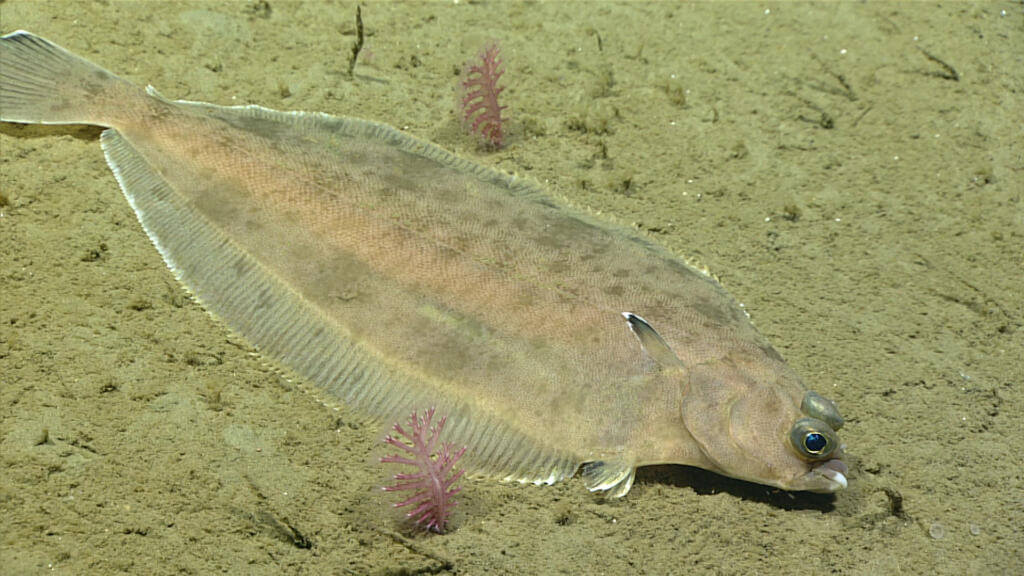
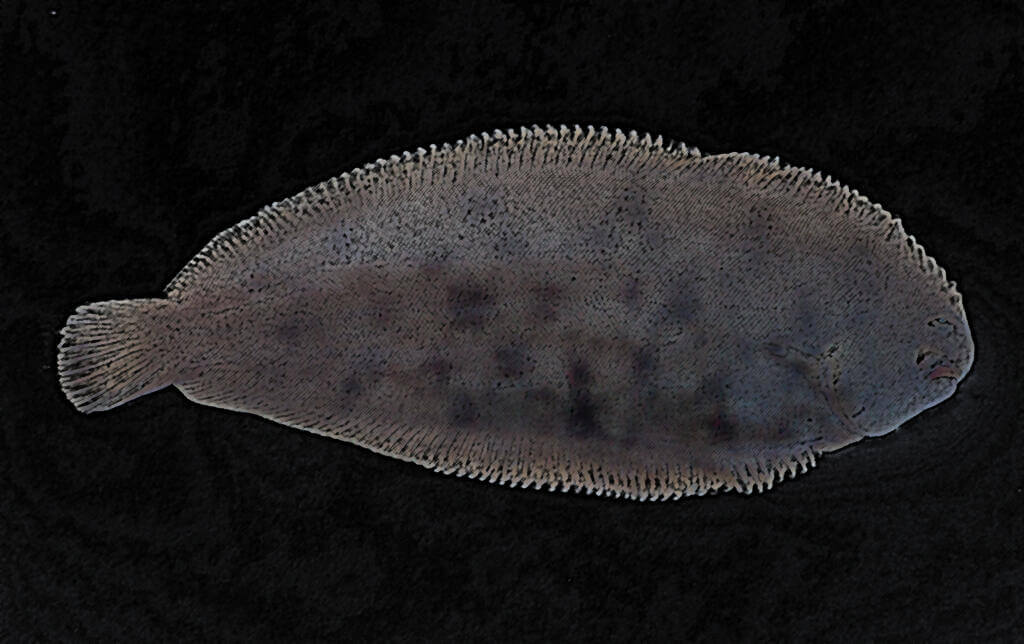
Left Image Credit: NOAA Photo Library (CC BY 2.0); Right Image Credit: Peter van der Sluijs (CC BY-SA 4.0)
Main Differences: Flounder vs Sole
- Appearance: Compared to Sole, the body of the flounders is wider and more oval. In many cases, they have two different eyes on one half of the same side of their body – either the left or right side, depending on the species. On the other hand, the body of soles are slender and long-shaped. For the right-eye sole, they have their eyes placed on the right, while for the left-eye sole, their eyes are positioned on the left.
- Fin Structure: Most flounders have a distinctive fin configuration, with a prominent tail fin joined by dorsal and anal fins curving around the outlines of their bodies. This is not the case with soles, plus their feet are not highly structured, with only an unbroken fringe around their body line.
- Habitat: Flounders can be found in many different saltwater areas, such as coastal waters, estuaries, or soft-bottom seabeds, like on sea bottoms covered with sand or mud. Soles, on the other hand, are associated with sandy or muddy seabed.
- Distribution: Compared with the flounder, it is relatively widely distributed across various regions, including the Atlantic, Pacific, and Indian oceans. Soles are also found in many places but are abundant in some localities, such as the Mediterranean Sea.
- Coloration: Flounders tend to show more variation in their coloration, ranging from lighter to darker shades, as well as different patterns and marks. Soles look almost uniform or slightly lighter with slight color changes.
- Size: Some flounders belong to bigger species that can grow as long as 24” and more. Soles usually are smaller in terms of body size, with an average length of 6 to 16 inches (15 to 40cm).
- Swimming Behavior: Flounders can carry out powerful swims and typically use them to hunt or flee from their predators. The soles usually swim slowly but deliberately through the water.
- Anatomical Differences: Flounders are broader, with an oval-shaped body and a slight curve of their lateral line. The soles have longer bodies and usually straight lateral lines.
Flounder
Dwelling stealthily along the ocean floor, the flounder is a master of disguise, blending seamlessly with its sandy surroundings. Renowned for its remarkable asymmetry and unmatched camouflaging prowess, the flounder is a fascinating flatfish that captures the essence of underwater adaptation.

From the suborder Pleuronectoidei, the family of flounders consists of several species, such as the Atlantic flounder, summer flounder, and winter flounder, among others. These species have unique attributes that are highly valued for culinary purposes.
Appearance
The unique characteristic of the Flounder can be seen in its flattened shape that provides space for it to lie on the seabed, with its two eyes being positioned on just one side. Their color is dependent on the type of flounder and their habitat, but typically exhibit a light brown to dark brown color with a few blotches to provide camouflage.
Habitat
Flounders naturally occur in the waters of North America and Europe and are found in the Atlantic and Pacific oceans. They are located near the coastal waters, especially on the east coast of America and those of Europe. This kind of fish species likes sandy or silty sea habitats, where they hide and camouflage.
Diet
Flounders are opportunistic feeders, and their food is determined by their habitat and prey abundance.
Their prey primarily consists of small fish, crabs, and other marine invertebrates.
They usually like to wait for their prey on the ocean floor and then unsuspectingly attack them.
Reproduction
The reproductive method of the flounder is a fascinating one. Eggs are laid by females in the water and subsequently fertilized externally by the males. Later on, these eggs develop into larvae and go through another process of metamorphosis, which changes them into juvenile flounders. As such, this complicated life cycle is vital for sustaining flounder numbers.

Threats
A lot of the seafood species encounter dangers ranging from overfishing to degrading habitats, and the flounders are not spared either. This calls for efforts to be made to word sustainable fish practices to ensure these delicious flatfish species are continually available for future generations.
Sole
Sole (Solea Solea) is a highly esteemed member of the flatfish family, a renowned delicacy due to its exquisite taste and flaky texture. Some notable species include the Dover sole, lemon sole, petrale sole, and Pacific Dover sole, among others.
Appearance
Soles take on the form of a typical flatfish. The only thing about the sole that does not resemble the standard flatfish is its egg-like form, in contrast to flounders’ flat bodies. Their bodies are usually colored brown and sometimes have little spots. It has an oval form and a tiny head, both with one eye placed on its back.
Habitat
This form of fish, specifically known as sole, is primarily found in the Pacific Ocean, particularly on the Pacific coast of North America. It lives in sandy or muddy bottoms where it partially burrows itself into the substrate to disguise itself as another object.
Specifically, Pacific Dover sole is very common in water bodies around Alaska, making it an expensive catch on the market.

Diet
Soles primarily consume small fish, crabs, and innumerable other marine invertebrates. Just like flounder, it also feeds on various organisms, but it just lies at ambush for them to come across so that it can have a meal.
Reproduction
Sole exhibit an external fertilization reproductive strategy like flounders. The females release their eggs in the water column while the males fertilize them. During this stage, larvae develop and undergo metamorphosis to become juvenile.
Threats
Again, like flounders, soles also come under the threat of overfishing and habitat degeneration. The use of sustainable methods of fishing ensures that the sole species flourish in large enough numbers to provide fish to sea food lovers.

FAQs
Do sole and flounder taste the same?
No, Sole and Flounder do not taste the same. However, the difference is subtle. Although both fish have a sweet, light flavor, some people believe that the sole tastes a little sweeter than the flounder.
Can you substitute sole for flounder in recipes?
Yes, it is possible to use sole instead of flounder or vice versa in recipes because their texture and taste are similar. However, remember that they come in various shapes and sizes while in the kitchen.
Is sole fish a good fish to eat?
Sole fish is a healthy and tasty sea product that has a mild flavor and texture.
What type of fish is sole?
Sole is a type of flatfish which belongs to the Soleidae group. It has a delicate, mild flavor, which makes it quite famous for seafood dishes.


