
Del Carmen Mangrove Reserve: Siargao’s Living Coastal Shield
Del Carmen Mangrove Reserve in Siargao is the Philippines’ largest mangrove forest, protecting coasts, wildlife, and storing vast blue carbon.
Del Carmen Mangrove Reserve in Siargao is the Philippines’ largest mangrove forest, protecting coasts, wildlife, and storing vast blue carbon.
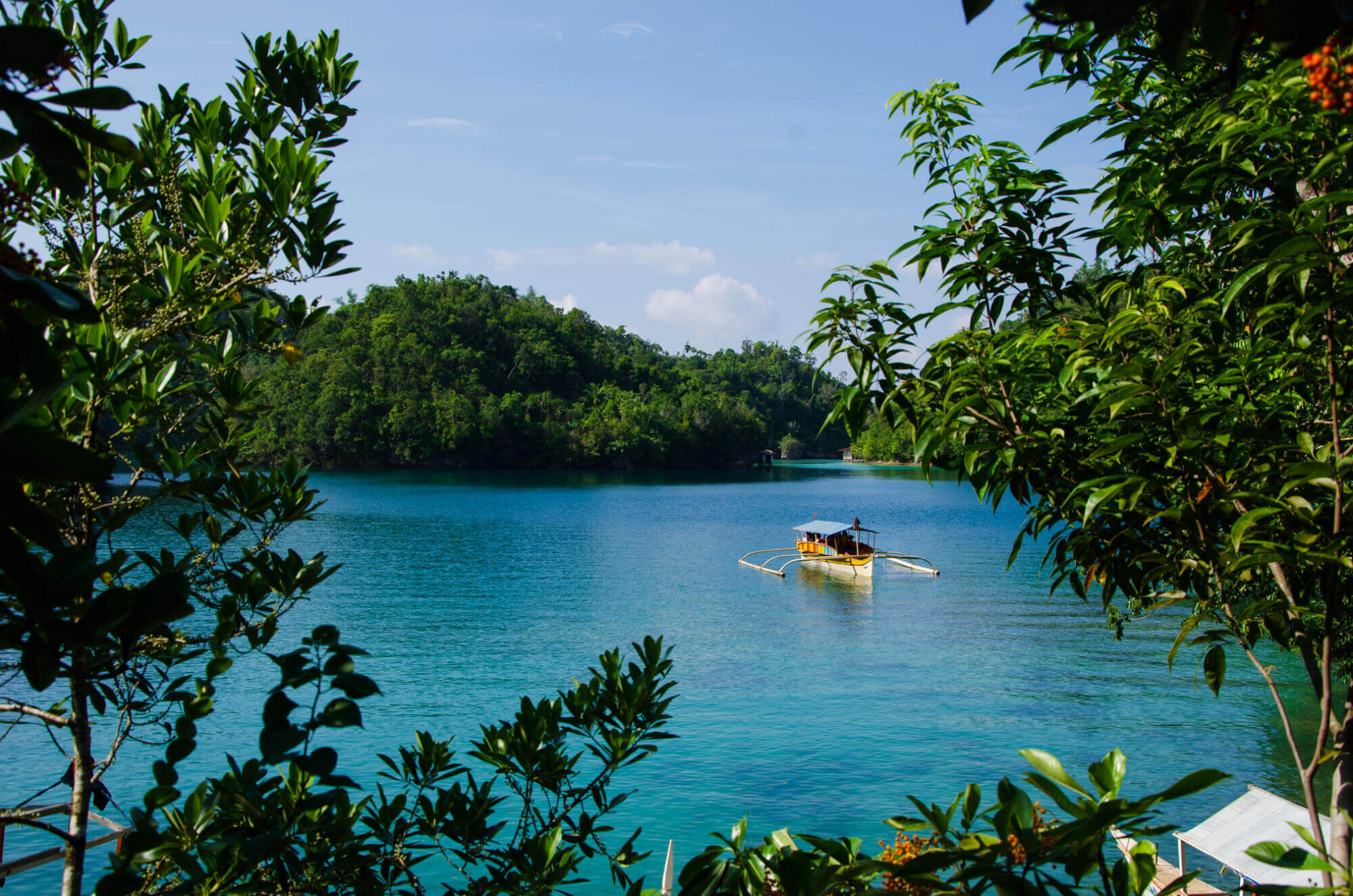
A hidden Philippine lagoon where thousands of stingless jellyfish dance, a rare ecological marvel sustained by unique geology and delicate balance.

Bali’s rice terraces are a living example of sustainable farming, water management, and cultural harmony shaped by the ancient Subak system.

Once overwhelmed by overtourism, Maya Bay has become a model for ecological recovery through its restoration and sustainable tourism reforms.

Aquaculture offers sustainable seafood solutions, but its growth raises key environmental, ethical, and regulatory challenges worldwide.

Elephants’ fate reflects our choices. Their survival demands us to take a fundamental shift towards coexistence and a shared future.

There are only 10,000–25,000 blue whales left worldwide, a fraction of their historic numbers, due to whaling, climate change, and human threats.
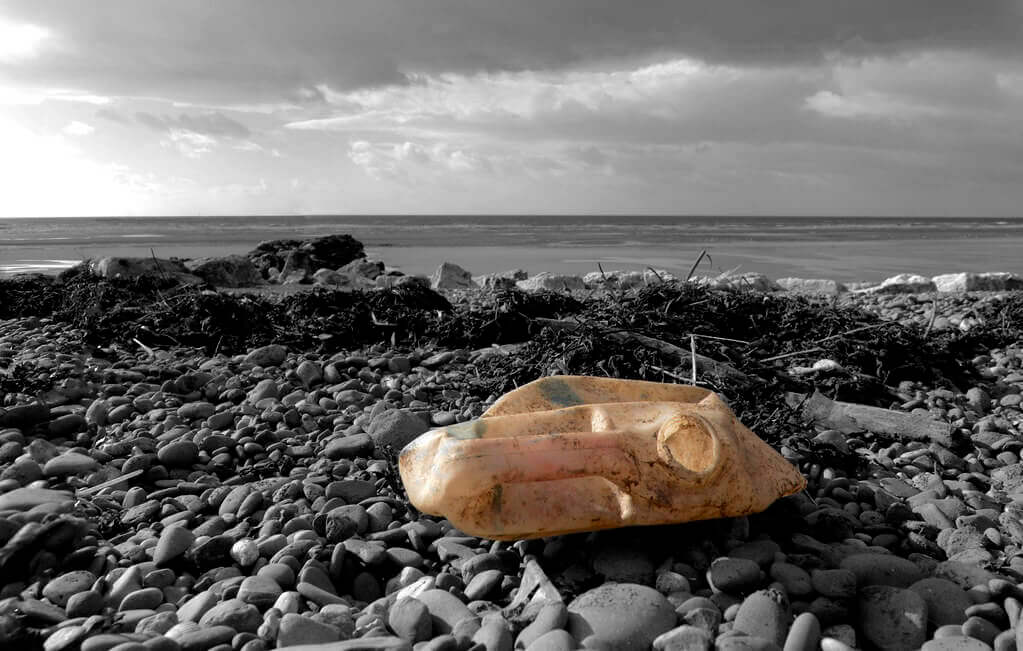
Plastic enters the ocean through waste, wind, and rivers, harming marine life—learn how that happens and what can be done to stop it.
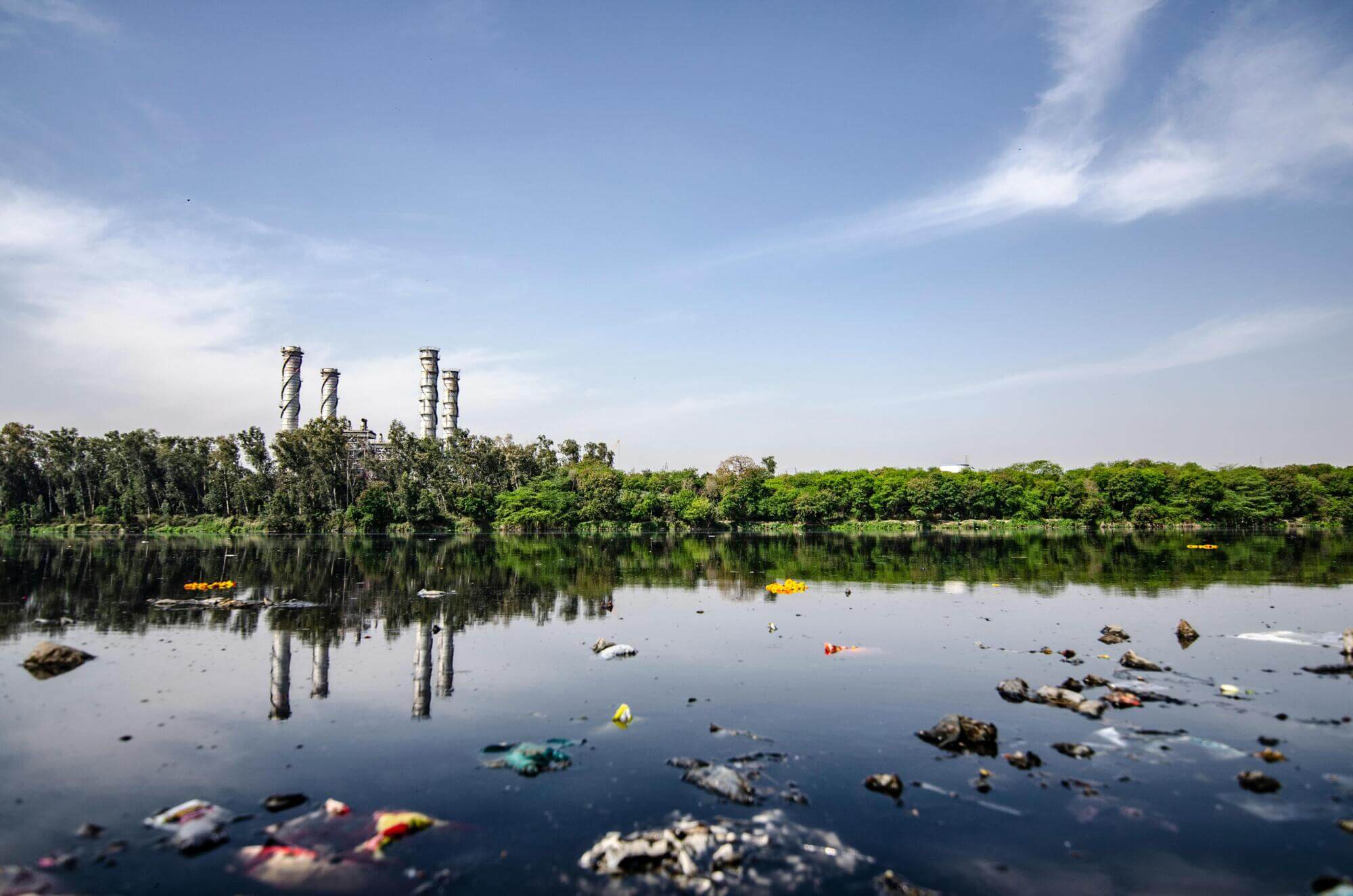
The Pacific, Indian, and Atlantic Oceans are the most polluted, with plastic, oil, and waste contaminating marine ecosystems and threatening wildlife. In this article, we’ll explore the causes behind their contamination, and what we can do to reduce the damage.
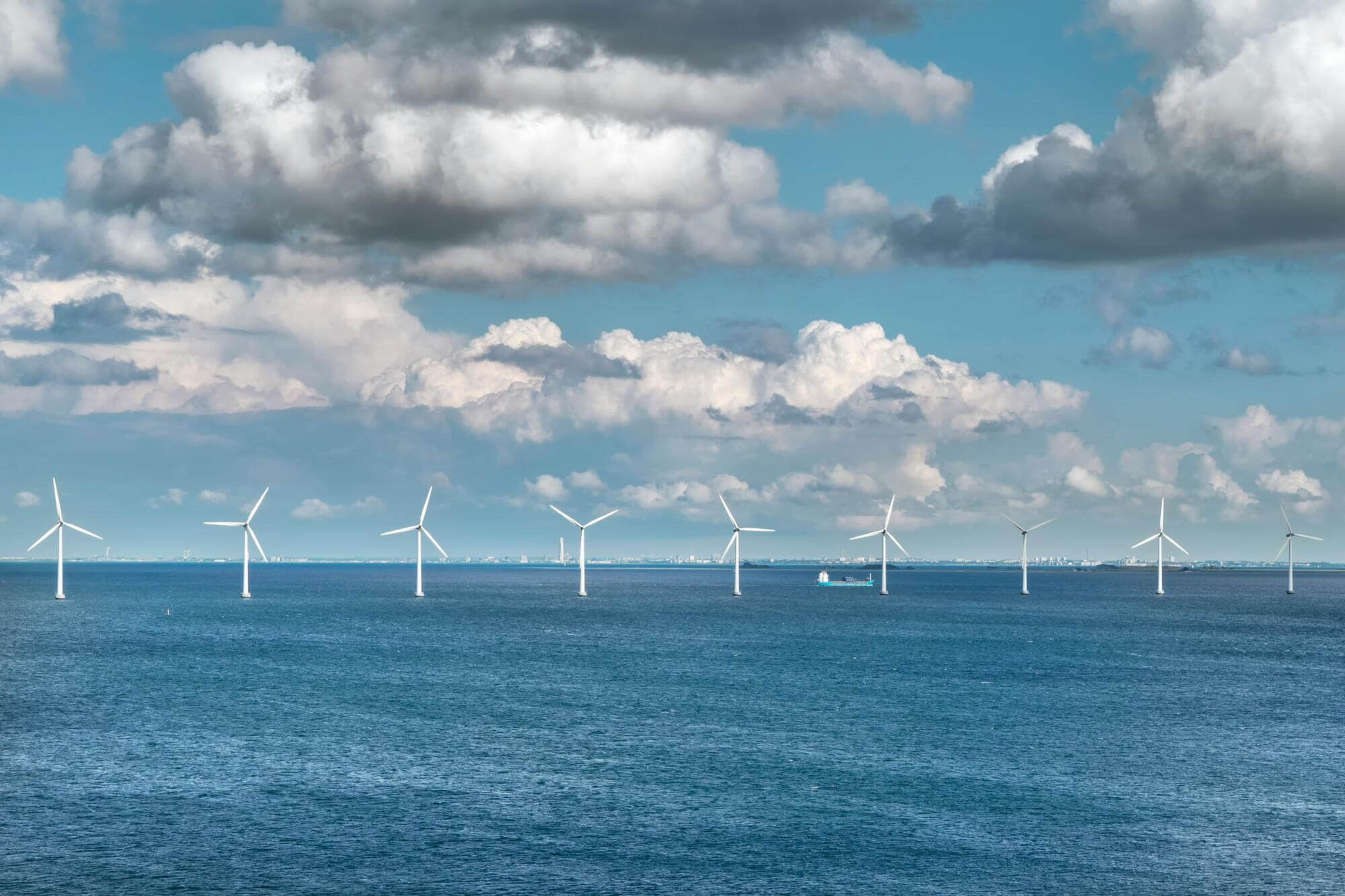
Offshore wind farms impact marine life through noise pollution, habitat disruption, and ecosystem changes. Learn how this affects marine life.

Discover groundbreaking marine conservation technologies, from AI monitoring to underwater drones, and how they’re protecting our oceans

Microplastics are small plastic particles contaminating oceans and harming marine life. Learn about their sources, effects, and environmental impact.
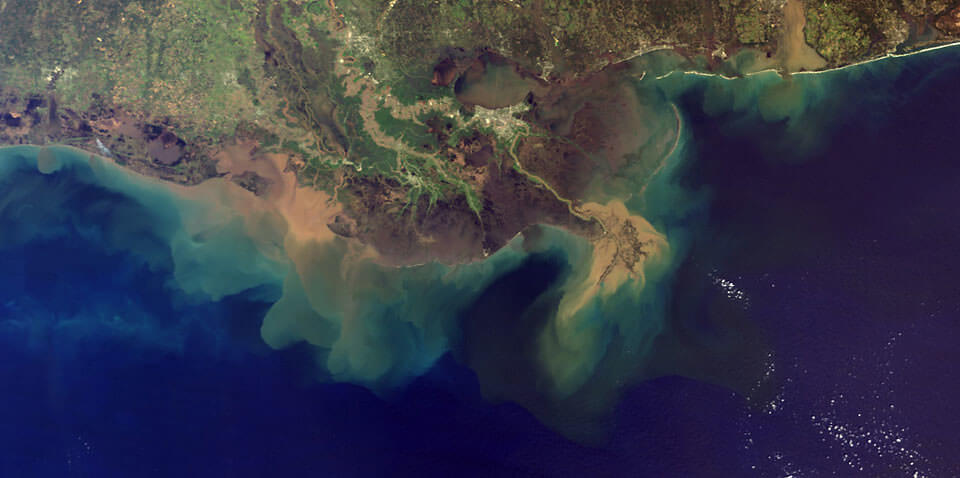
The Gulf of Mexico’s dead zone is a recurring environmental crisis, where nutrient pollution depletes oxygen levels, threatening marine life and fisheries.

Wanderlust grabs many of us, but responsible tourism practices are often overlooked. So ask yourself, are you a responsible tourist?

Coral bleaching is a phenomenon that eventually leads to reef death. Reefs hold 25% of the oceans biodiversity, ignoring this will be catastrophic.

Estimating how many fish are in the ocean is important for determining the health of the ecosystem. Currently, there are 3 trillion fish in the ocean.

Ocean Info is a website dedicated to spreading awareness about the ocean and exploring the depths of what covers two-thirds of Earth.
support@oceaninfo.com


Ocean Info © 2026 | All Rights Reserved