

Plastic pollution has emerged as a defining challenge for the health of our oceans, with microplastics in the ocean—tiny fragments less than five millimeters in size—posing an often-overlooked yet significant threat. These minuscule pollutants, comparable in size to a pencil eraser, have infiltrated marine ecosystems worldwide, from the ocean depths to the shores of freshwater bodies like the Great Lakes. Scientists classify plastic pollution, along with other persistent synthetic chemicals and pollutants, as “novel entities” that have pushed our planet beyond its “safe zone.” These substances not only persist in the environment but also introduce toxicity that jeopardizes human health and wildlife. The resulting damage to biodiversity disrupts critical geophysical processes that sustain life on Earth.
According to Eriksen et al. (2014), plastic in all its forms has become the most pervasive type of marine debris. Current estimates reveal a staggering reality: over 5.25 trillion plastic particles—collectively weighing more than 268,000 tons—have entered our oceans. Alarmingly, this number has since risen to between 50 and 75 trillion plastic and microplastic pieces, which either degrade into smaller fragments or form massive garbage patches in the seas.
In this article, we will explore the depths of this environmental crisis, examining its causes, consequences, and the actionable steps we can take to combat the growing menace of microplastic pollution.
What Types of Microplastics Are There?
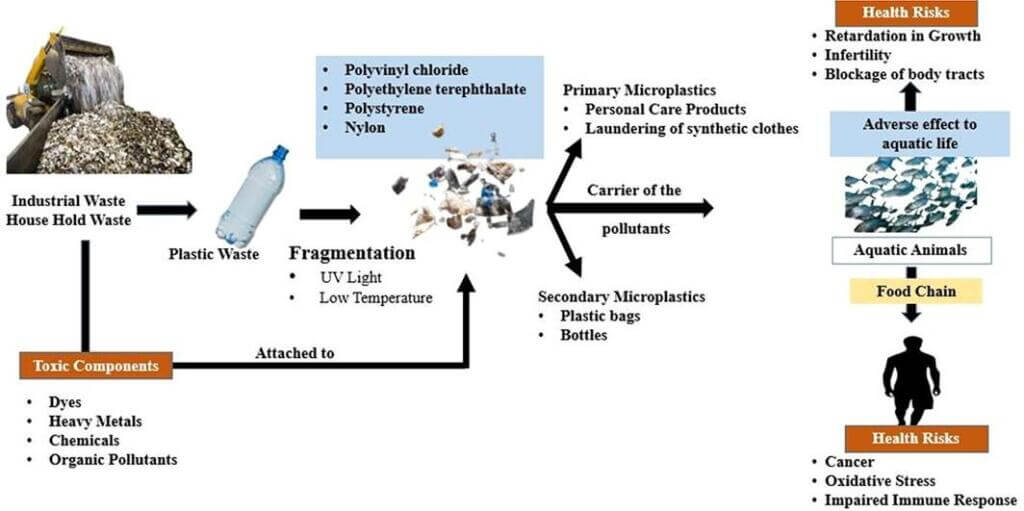
Microplastics are tiny plastic fragments ranging in size from 100 nanometers to 5 millimeters, while nanoplastics are even smaller, measuring less than 100 nanometers. These pollutants are broadly classified into two types:
- Primary Microplastics: These are intentionally manufactured small particles, such as microbeads found in toothpastes, cosmetics, and cleaning products.
- Secondary Microplastics: These are formed from the breakdown of larger plastic items, like bottles, bags, and fishing gear, due to environmental exposure and degradation.
Sources of Microplastics in the Ocean
Key sources of microplastics in the ocean include coastal cities, ports, shipping activities, coastal landfills, and dumping sites. Once plastic enters the ocean, it breaks down into microplastics through photolytic, mechanical, and biological processes. Studies show that larger plastics continuously fragment into smaller particles, eventually forming nanoplastics. These tiny fragments pose a significant risk to marine filter feeders, which often mistake them for plankton and inadvertently consume them.
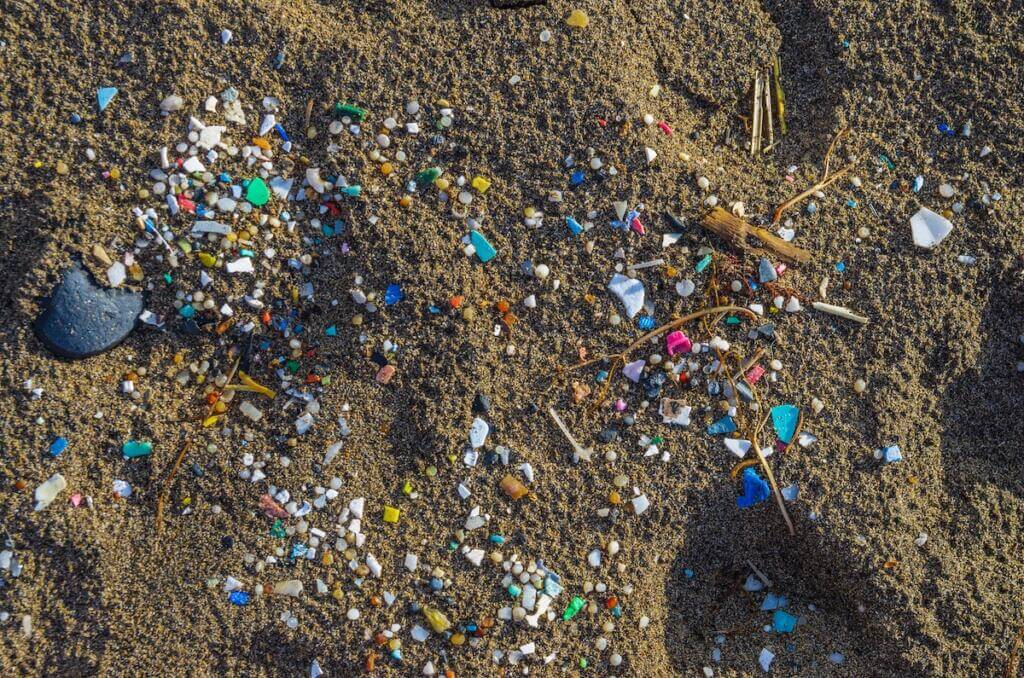
On beaches, microplastics are visible as tiny multicolored plastic bits in sand. Their common forms include
- micro fibres (from synthetic clothing, fishing nets, and cigarette filters),
- fragments (from the degradation of larger plastics—~22% of marine microplastics),
- paint particles (shed during surface abrasion—~2.9 million tons yearly),
- films, nurdles, microbeads, and tire wear particles.
The Disruptive Impact of Microplastics on the Ocean Processes
Microplastics in the ocean pose significant threats to marine ecosystems, disrupting vital processes that regulate the planet’s climate and ecosystem health.
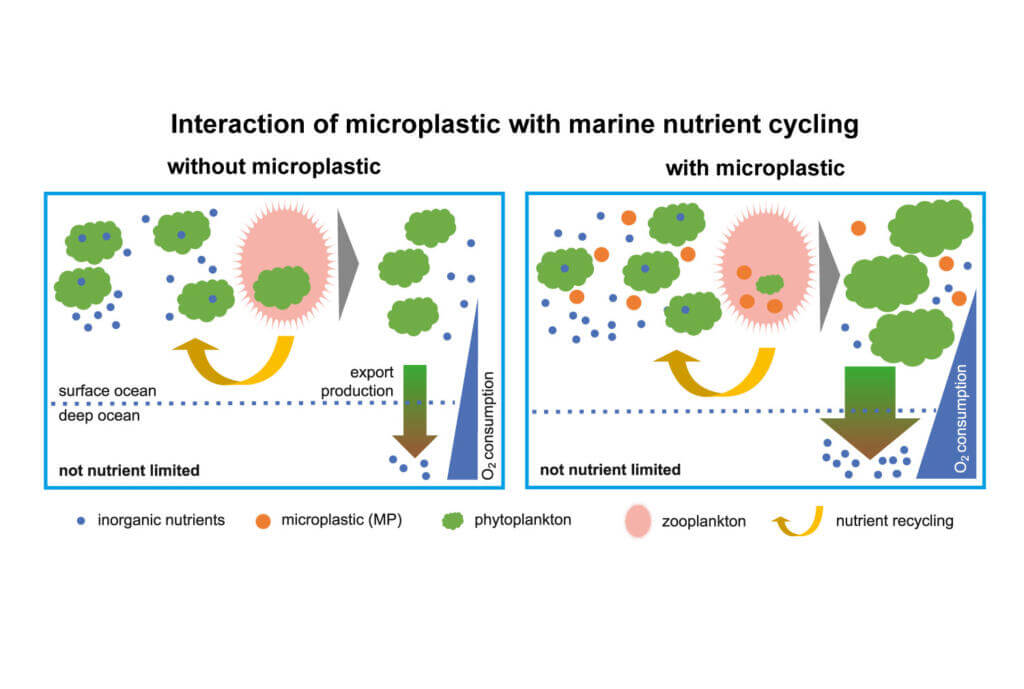
1. Disruption of the Biological Carbon Pump
Microplastics in the ocean interfere with the ocean’s biological carbon pump—a crucial process for carbon storage. Zooplankton, a key player in this system, consume microplastics alongside phytoplankton. When zooplankton defecate or die, their waste and bodies, along with ingested plastics, sink to the deep ocean. This sinking carbon is stored in the ocean depths, playing a critical role in regulating atmospheric CO₂ levels. If disrupted, this stored carbon could be released back into the atmosphere, intensifying climate change.
2. Alteration of Microbial Communities
Microplastics in the ocean can also impact microbial communities in ocean sediments, disrupting nitrogen cycling and nutrient exchange. This disturbance exacerbates problems like toxic algal blooms, which further threaten marine life and water quality.
3. Contribution to Ocean Deoxygenation
Phytoplankton and zooplankton, essential components of the marine food web, are negatively affected by microplastics in the ocean. This disruption contributes to ocean deoxygenation—a reduction in oxygen levels in ocean waters—compounding stress on marine organisms and ecosystems.
4. Sediment and Seafloor Disruptions
Microplastics in the ocean sediments hinder the activities of seafloor organisms, further disrupting nutrient cycling. These changes bring us closer to crossing critical biogeochemical boundaries, potentially leading to intensified harmful algal blooms and other ecological imbalances.
Other Known Impacts
Microplastics in the ocean pose a significant risk to both ocean life and humans due to their potential to contain and absorb toxic chemicals like phthalates and bisphenol A. These additives, used in manufacturing, can alter the properties of plastic items like water bottles, making them more rigid or flexible. Additionally, plastics can become hazardous by soaking up environmental toxins such as polychlorinated biphenyls (PCBs), which have been linked to cancer and other serious health issues.
Microplastics in the ocean can be transferred through planktonic organisms from one trophic level of the ocean to the next. This transfer is influenced by the particle size studied, with microplastics larger than 150 µm being less likely to translocate into tissues compared to smaller nanoplastics, which have shown a higher capacity for tissue penetration. The accumulation of microplastics in lower trophic levels may trigger a domino effect throughout marine food webs, ultimately impacting humans. This underscores the significance of plastics as an emerging contaminant of concern for both environmental and human health.
Impact on Marine Life
Microplastics in the ocean significantly impact aquatic ecosystems, harming fish, seabirds, invertebrates, and marine species. Studies have shown 69% of marine organisms (e.g., fish, cephalopods, and crustaceans) consumed by humans contain microplastic particles in their digestive systems. Carnivorous species exhibit the highest contamination levels, with 77% prevalence, followed by planktivorous species (63%) and detritivores (20%). Species like the giant squid (93%) and pelagic thresher sharks (87%) are particularly affected.
Microplastics in the ocean resemble prey in size, leading marine organisms to mistake them for food. Filter feeders and planktivorous species are at significant risk due to the overlapping size range.
Did You Know?
- Microplastics in the ocean can reduce photosynthetic activity and hinder the growth of microalgae, crucial for oxygen production.
- Tiny marine creatures face decreased hatching success, survival rates, and reproduction due to microplastics, affecting their feeding efficiency and lipid content.
- Microplastics in the ocean lower survival rates, reduce cyst production, and impair nauplii’s hatching success, impacting populations.
- Ingesting microplastics can cause stomach blockages, reduced feeding rates, inflammation, oxidative stress, and disrupted energy metabolism in fish, while also transferring harmful chemicals through the food chain.
- Microplastics reduce fecundity, delay offspring development, and impair enzyme activity, alter feeding behaviors, and disrupt natural patterns.
- Bottom-dwelling organisms ingest microplastics, affecting their feeding habits.
- In mussels, microplastics reduce filtering efficiency; in oysters, they disrupt feeding and reproduction, affecting humans when consumed.
- Microplastics in the ocean decrease coral calcification and skeletal growth, weakening coral reefs and marine biodiversity.
- In mangrove ecosystems, microplastics impact plant health.
- Over 90% of ingested micro- and nanoplastics are eliminated by the human body, but some remain and can cause health concerns, especially in gastrointestinal and endocrine systems.
Impact on Fish
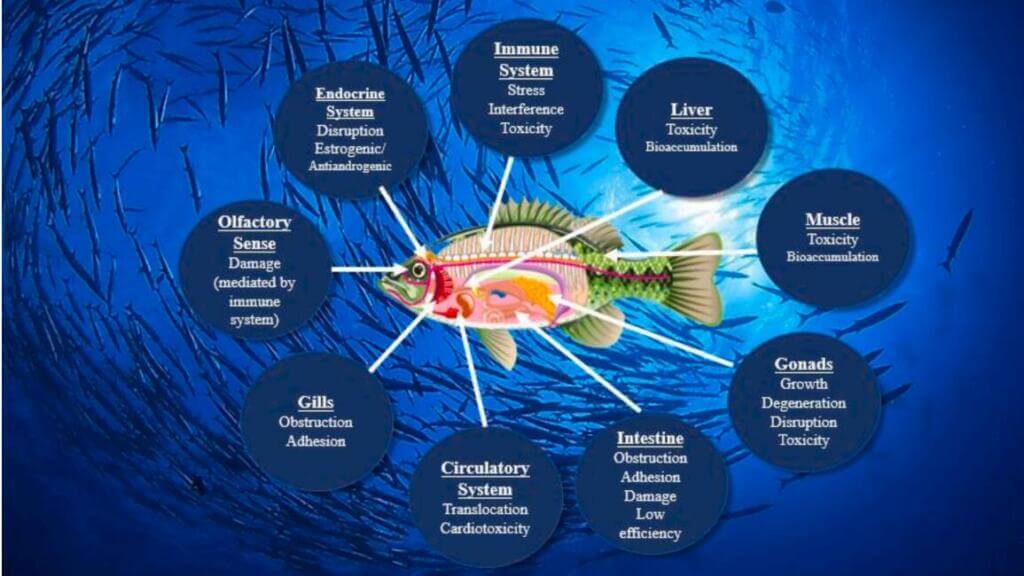
Fish ingest microplastics, which often carry toxic additives like dyes and heavy metals. Studies show these plastics accumulate in organs such as gills, guts, and liver, causing inflammation, oxidative stress, and altered gene expression. Urbanization exacerbates this issue, with fish near urban waterways showing higher microplastic ingestion.
Impact on Invertebrates
Invertebrates like mussels and marine worms ingest microplastics, which remain undigested. This leads to digestive tract inflammation, reduced immune response, and mortality. Contaminated mussels consumed as seafood can transfer microplastics to humans.
Impact on Marine Biota
Marine mammals, sea turtles, and sea birds are particularly vulnerable, suffering from stomach blockages, toxicity, and habitat disruption. Microplastics in the ocean also harm algae, reducing their photosynthesis and biomass, which negatively impacts the food chain.
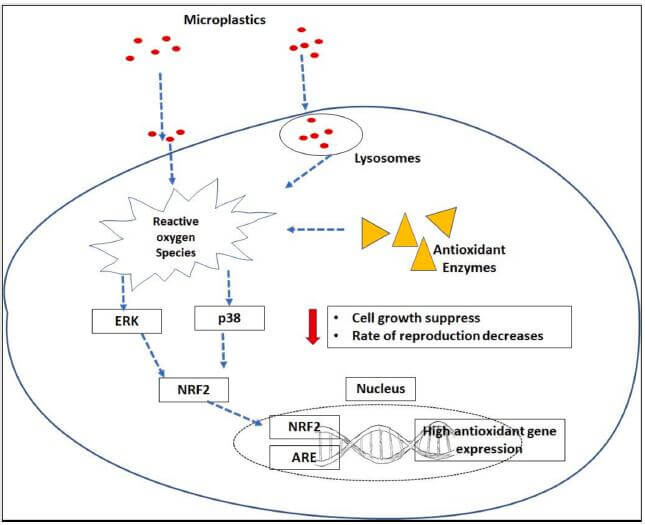
Impact on Humans
Microplastics in the ocean pose significant risks to human health, primarily through seafood consumption. Filter-feeding organisms like shellfish accumulate microplastics from the water, which are then ingested by humans.
Microplastics impact human health through various mechanisms, primarily via ingestion, endocrine disruption, and their role as pathogen vectors.
1. Ingestion and Gastrointestinal Issues
Microplastics consumed through contaminated seafood or water can accumulate in the digestive system, leading to inflammation, gut microbiota imbalance, and increased intestinal permeability. Studies have shown their role in conditions such as irritable bowel syndrome and inflammatory bowel disease. Prolonged exposure may result in physical blockages, cellular damage, and altered metabolic processes.
2. Endocrine Disruption
Microplastics can carry endocrine-disrupting chemicals (EDCs), such as bisphenol A and phthalates, which interfere with hormonal balance. These chemicals have been linked to reproductive dysfunction, developmental abnormalities, and other health issues. For instance, studies in fish have demonstrated altered gene expression and reproductive toxicity from microplastics carrying EDCs.
3. Pathogen Vectors
Microplastics act as carriers for harmful bacteria, including antibiotic-resistant strains, forming biofilms that can spread infections. Pathogens such as Vibrio spp. and Escherichia coli have been found on microplastics in marine environments and wastewater systems. These pathogens can enter the human food chain, leading to gastrointestinal illnesses, respiratory infections, and the spread of antibiotic resistance.
Efforts to Reduce Microplastic Pollution
As plastic production continues to rise, the concentration of microplastics in the ocean is expected to grow, potentially worsening oxygen depletion in marine waters. Addressing this issue requires immediate action to prevent plastic pollution at its source, implement sustainable alternatives, and strengthen global efforts to reduce plastic waste.
What Has Been Done?
Governments and organizations worldwide are taking steps to address microplastic pollution. For instance:
- In 2022, the United Nations Environment Assembly initiated negotiations for a legally binding international treaty to tackle plastic pollution across its lifecycle.
- In 2015, the U.S. passed the Microbead-Free Waters Act, banning plastic microbeads in cosmetics.
- By 2018, countries like the UK, Sweden, Canada, and the Netherlands had implemented similar bans.
- Recent developments in nanotechnology can also help clean up microplastics by using nanomaterials, such as magnetic nanoparticles and nanosponges, to capture, break down, or remove plastic pollutants from water.
“People are aware of impending plastic regulations and are searching for solutions, although it may take a few years to standardize methods for measuring microplastics in water”.
-Joncquez
What Needs to be Done?
Tackling microplastic contamination requires a multifaceted approach encompassing prevention, mitigation, and remediation:
- Public Awareness by educating the public about sustainable consumption habits and eco-friendly alternatives.
- Policy Measures such as banning microbeads and enforcing stricter plastic waste management regulations.
- Technological Advancements like enhanced wastewater treatment systems and innovative cleanup methods.
- Sustainable alternatives, such as biodegradable plastics and bio-based materials, offer hope for reducing the influx of microplastics into the environment.
- Microbial bioremediation offers a promising solution to mitigate microplastic pollution. This eco-friendly and cost-effective approach utilizes microbes like F. vesiculosus (marine algae), Bacillus gottheilii, and Pseudomonas to degrade microplastics. Strategies such as bioattenuation, biostimulation, and bioaugmentation enhance the degradation process, paving the way for sustainable solutions to this global issue.
Conclusion
The pervasive presence of microplastics in the ocean represents a critical threat to marine ecosystems, biodiversity, and human health. These tiny plastic fragments disrupt essential oceanic processes, harm marine organisms across trophic levels, and enter the food chain, ultimately impacting human well-being. With their ability to carry toxic chemicals and act as vectors for pathogens, microplastics highlight the interconnectedness between environmental health and global sustainability.
To address this growing crisis, a multifaceted approach is essential—ranging from stricter policy measures and public awareness campaigns to technological innovations and sustainable alternatives. Collaborative global efforts, such as the United Nations treaty on plastic pollution, offer a promising path forward. By prioritizing prevention, mitigation, and remediation strategies, we can protect our oceans, safeguard biodiversity, and ensure a healthier future for both the planet and humanity.
7 Worrying Facts About Microplastics
- Microplastics are present in every marine habitat studied.
- Major contributors include synthetic fabrics (34.8%) and tire wear (28.3%).
- They are lightweight and move between air, water, land, and marine environments, forming a global microplastic cycle.
- About 1,300 marine species ingest plastics.
- Plastic additives like BPA, phthalates, and heavy metals leach into waters, causing toxic effects.
- Humans consume microplastics through air, food, and beverages (up to 121,000 particles annually).
- Microplastics have been found in organs like the colon, placenta, and lungs, where they can cause inflammation and damage.
FAQs
Which country is the largest contributor of microplastics in the ocean?
A study published in Nature has revealed that India has become the world’s largest contributor to plastic pollution, accounting for nearly 20% of the total global plastic waste.
What are the most MP contaminated fruits and vegetables?
One study found that apples may be the most microplastic contaminated fruit, while carrots and lettuce could be the most contaminated vegetables, containing over over 100,000 microplastics particles per gram.
How much microplastic is present in tap water?
Tap water from one study had about 5 microplastics per liter on average, although further research suggests that levels of plastic microfibres in popular bottled water brands ar even higher.


