Every minute, a garbage truck’s worth of plastic enters the ocean. How did we let it get this bad? Plastic pollution is a major environmental issue that affects our oceans. In modern life, plastic has been a part and parcel that provides convenience and utility in every possible application. However, its increasing production coupled with consumption has brought upon great environmental challenges, especially on how it impacts our oceans and the related ecosystems.
In this article, we will examine how plastic finds its way into our oceans, its impact on marine life, and the broader environmental consequences. Most importantly, we will explore practical solutions that individuals and society can adopt to reduce plastic pollution and protect our oceans.
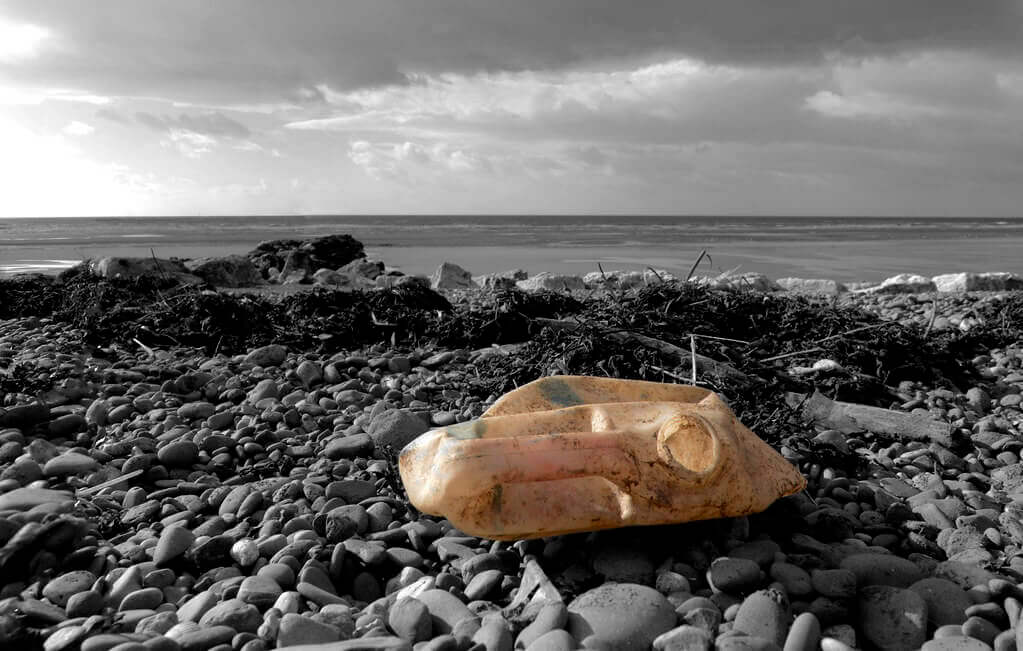
The Journey of Plastic: From Land to Ocean
Production of plastic has exponentially grown since its invention in the early 20th century. The material, which was originally used to make military equipment, is now present in packaging, healthcare, and consumer goods, thus revolutionizing those industries because of their durability, affordability, and versatility.
An estimated 1.7 million tons of plastic enters the ocean annually—about 0.5% of global plastic waste. Approximately 80% of this pollution originates from land-based sources, including mismanaged waste, littering, and industrial leaks. The remaining 20% comes from maritime sources, such as lost fishing gear and ship waste.
“Plastic pollution is a global issue: killing wildlife, contaminating our oceans and waters, and lasting far longer than it is used.”
Marco Lambertini, Director General of WWF International
1. Improper Waste Management
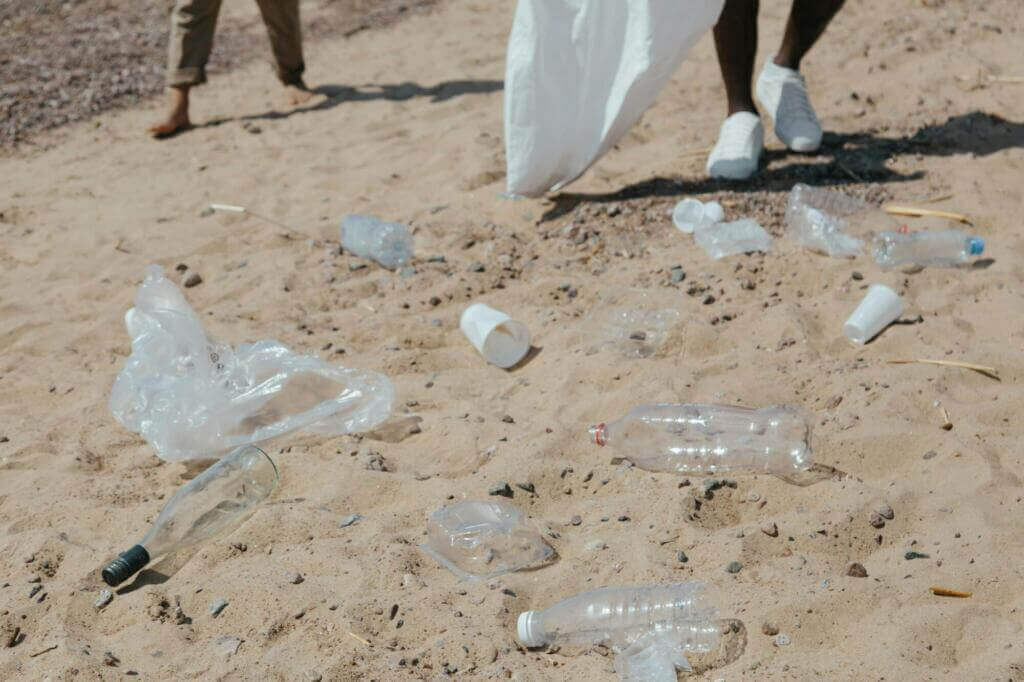
Improper waste management is the greatest contributor to ocean plastic pollution. Littering along coastlines and direct dumping of waste in rivers and oceans remains a widespread phenomenon. Waste dumped on beaches, typically by holidaymakers, is blown into the sea by strong winds, rain, or storm water.
2. Windblown Plastics
Packaging materials and bags, which are made of lightweight plastics, tend to be swept away by the wind during transportation to landfills or recycling centers. Once
at large, they often tend to collect around storm drains and rivers, which
eventually send them out to sea. In landfills, it also can escape and add to
the swelling ocean-bound debris problem.
3. Microplastics From Clothing and Personal Care Products
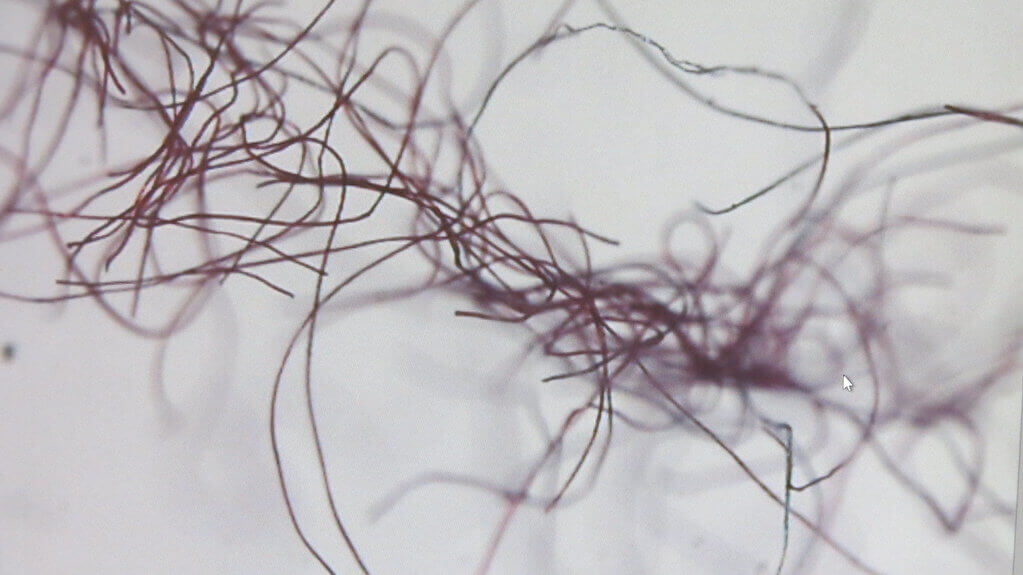
The oceans are increasingly being threatened by microplastics, which are small plastic particles less than 5 millimeter in size, primarily from clothing and personal care products.
When synthetic materials such as polyester, nylon, and acrylic are washed, they shed small fibers. These fibers travel downstream in the water, and most treatment facilities are unable to filter them out. Thus, they end up flowing into rivers and oceans, where they settle in marine ecosystems.
4. Industrial Leakages
Industrial procedures also account for much of pollution when proper disposal standards are ignored. For instance, industrial pellets used in manufacturing escape sometimes during production or transport, polluting coastlines and dispersing globally due to ocean currents.
Plastic pollution endangers marine life and ecosystems drastically. Every year, millions of tons of trash enter the oceans, affecting wildlife, changing food chains, and damaging fragile oceanic environments.
Impact on Marine Life
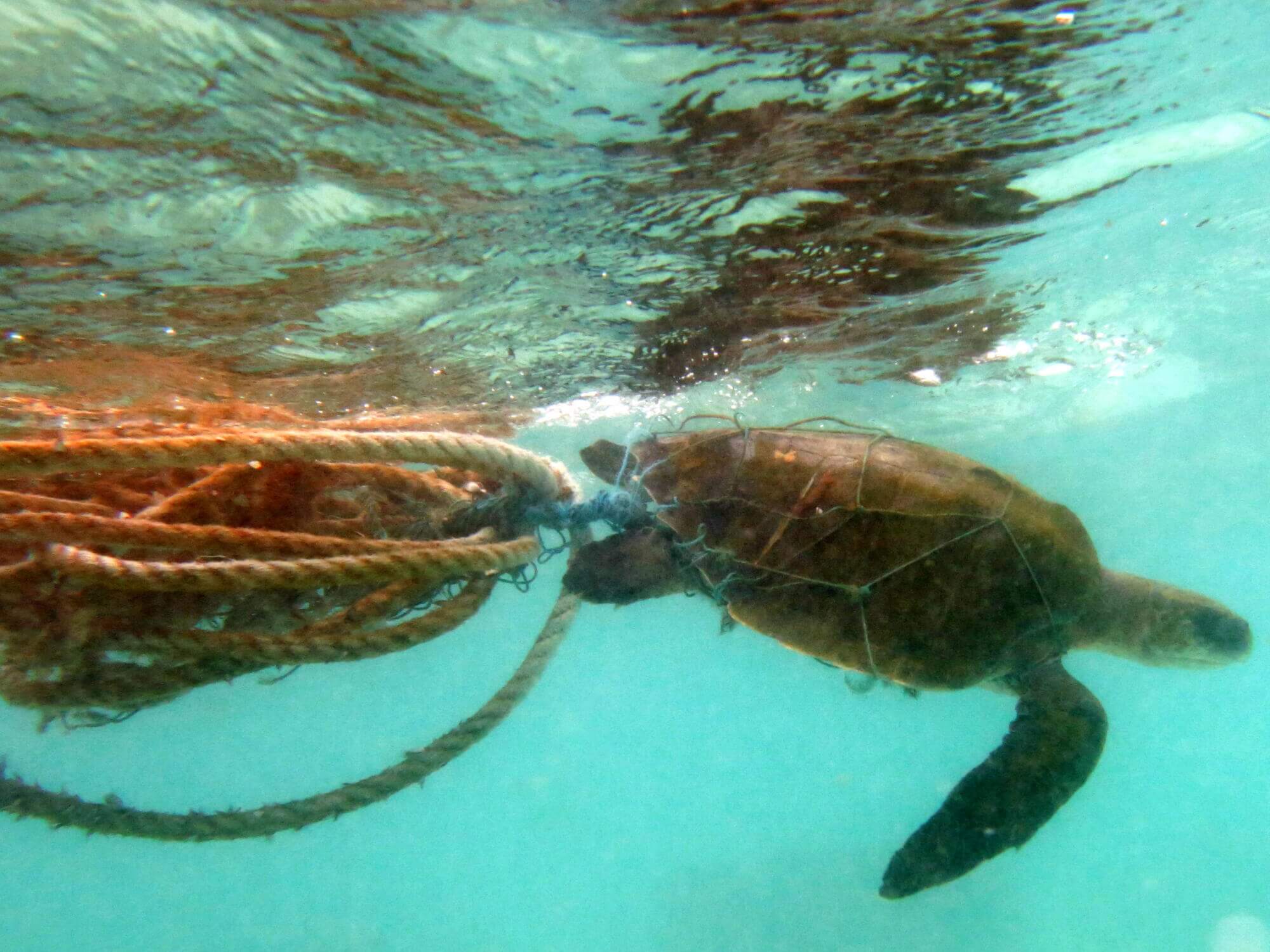
Marine animals, including zooplankton, seabirds, and marine turtles, ingest plastic debris, mistaking it for food. Sea turtles often consume plastic bags, resembling jellyfish, leading to digestive blockages, internal injuries, and starvation. Marine mammals like whales and dolphins are particularly vulnerable to plastic entanglement, which can cause severe injuries, impair mobility, and increase the risk of predation or vessel collisions.
Entanglement in larger plastic debris, such as fishing gear, ropes, and six-pack rings, further threatens marine life. Restricted movement impairs their ability to feed or escape predators, while tightly wrapped debris can cause severe injuries or amputations. In many cases, entangled animals face drowning or starvation when they are unable to free themselves.
Impact on Humans
Plastic materials are carcinogenic and can affect the body’s endocrine system, causing developmental, neurological, reproductive and immune disorders. Another health hazard is given by toxic contaminants that often accumulate on plastic’s surface, and are then transferred to humans through the consumption of seafood. Humans consuming contaminated seafood may experience long-term health consequences.
- Endocrine Disruption: Microplastics ingested through contaminated seafood or water can introduce endocrine-disrupting chemicals (EDCs) such as bisphenol A (BPA) and phthalates into the body. These substances interfere with hormonal regulation, potentially leading to reproductive issues, developmental abnormalities, and metabolic disorders.
- Chronic Health Risks: Long-term exposure to microplastics has been linked to immune system dysfunction, cardiovascular diseases, and metabolic syndromes. Research suggests that these particles may contribute to inflammation, oxidative stress, and disruptions in cellular processes, exacerbating conditions like irritable bowel syndrome and inflammatory bowel disease.
How to Prevent Plastic from Entering the Ocean
With plastic production on the rise, removing waste from the ocean becomes increasingly difficult, especially with microplastics that sink to deeper waters. The most effective solution is preventing plastic pollution before it reaches rivers and seas. This requires urgent improvements in waste management, adopting sustainable packaging alternatives, and a global commitment to reducing single-use plastics.
1. Proper Waste Management and Recycling
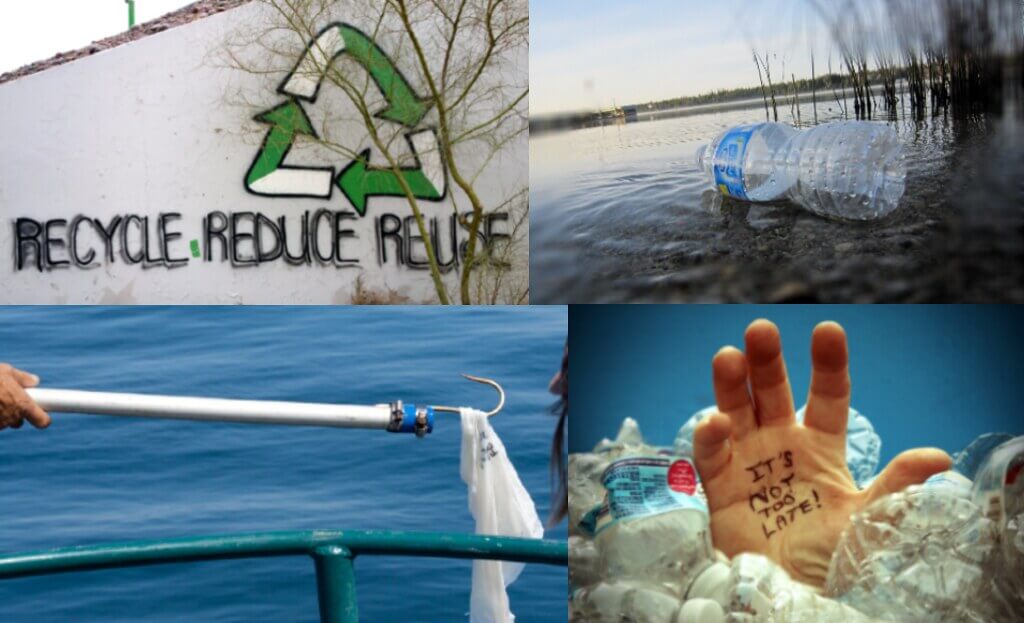
Effective solutions must target the root causes of plastic pollution while promoting sustainable alternatives. Strengthening recycling programs, investing in advanced technologies like chemical recycling, and supporting waste-to-energy initiatives can significantly reduce plastic waste. Public awareness and proper waste management are also crucial in preventing environmental leakage.
2. Use of Biodegradable Materials
Promoting biodegradable materials, such as plant-based packaging from cornstarch, bamboo, or hemp, can reduce environmental impact. Government policies and incentives along with business innovation can help make these sustainable alternatives more affordable and widely adopted.
3. Reduction of Single-Use Plastics
Reducing single-use plastics is crucial in preventing ocean pollution. Bans on plastic bags, straws, and cutlery have proven effective, while alternatives like cloth bags and metal straws help minimize waste. Corporations can adopt recyclable or packaging-free options, and consumers can contribute by choosing minimal packaging and buying in bulk.
Did You Know?
- Over 8 million tonnes of plastic enter the oceans every year, severely impacting marine ecosystems.
- By 2050, plastic in the ocean could outweigh all fish, drastically altering marine biodiversity.
- In the last 10 years, we have produced more plastic than in the entire previous century.
- Nearly 100% of all plastic ever created still exists in some form, according to the EPA.
- Plastic takes 500 to 1,000 years to degrade, and even then, it only breaks down into harmful microplastics.
- There are currently an estimated 50-75 trillion pieces of plastic and microplastics in the ocean.
- Each year, 100,000 marine animals die from plastic entanglement, mistaking plastic waste for food.
- Ocean plastic pollution is expected to triple by 2060, worsening environmental damage.
- The ocean absorbs nearly 30% of global carbon emissions, and plastic pollution intensifies climate change.
- Plastic waste accumulates in the ocean, forming massive floating garbage patches that continue to grow.
Ocean Insights: Hear From Our Experts

By Rida Nasir
Researcher and Conservationist, with an MSc in Environmental Science
Tackling Ocean plastic pollution is essential to preserving marine ecosystems, safeguarding biodiversity, and protecting human health. The persistent accumulation of plastic waste disrupts oceanic balance, endangers marine species, and introduces toxic pollutants into the food chain. Without intervention, the crisis will only escalate, exacerbating climate change and environmental degradation. A comprehensive response is needed—encompassing stronger policies, technological advancements, and widespread adoption of sustainable alternatives. Governments, businesses, and individuals must work collectively to reduce plastic waste at its source, improve waste management systems, and embrace eco-friendly solutions. By taking decisive action now, we can prevent further damage, restore ocean health, and secure a more sustainable future for generations to come.
FAQs
What is ghost gear?
The term ghost gear refers to any fishing gear that has been abandoned, lost or otherwise discarded (for example nets, line, rope, traps, pots, and floats).
How many fish have died because of plastic?
100 million is the current estimated figure, and this includes fish, mammals and sea birds.
What is the largest source of plastic in the ocean?
Rivers are the main source of ocean plastic pollution, but there is another major source of plastic in the Great Pacific Garbage Patch — fishing gear.
What is a Garbage Patch?

A garbage patch is a collection of marine debris that forms in the ocean due to ocean currents and human-caused plastic pollution. Garbage patches are made up of litter, fishing gear, and other debris.


