
Rida Nasir
Author, Environmental Advocate, and Researcher
Rida’s expertise spans environmental sciences, education, and community engagement, with a particular emphasis on sustainable practices and ecological preservation. Her experience encompasses impactful research initiatives and active involvement in environmental conservation projects, reflecting her steadfast commitment to the protection and enhancement of natural ecosystems.
Driven by a thirst for knowledge and a passion for making a difference, Rida is deeply invested in broadening her understanding of environmental sciences and imparting this knowledge to others.
Professional Background
Qualifications
- Master of Philosophy in Environmental Sciences from Government College University, Lahore (Gold Medalist)
- Bachelor of Science Honors in Environmental Sciences from Lahore College for Women University
Experience
- Researcher at Government College University: Led a project pioneering the co-application of biochar and biofertilizer to enhance plant growth
- Intern at WWF: Contributed to community-based conservation efforts, gaining valuable insights into environmental challenges and solutions
- Waste Management Innovation: Demonstrated ability in crafting from waste materials, highlighting creative solutions to repurpose marine debris
Expertise
- Environmental Research: Extensive experience in conducting research on topics such as biofertilizers, biochar, and environmental conservation
- Ocean Conservation: Comprehensive knowledge in environmental pollution, biodiversity, and conservation
- Threat Analysis: Profound insight into oceanic threats such as plastic pollution, chemical contamination, and habitat destruction
I am passionate about environmental advocacy and education. Through my work, I increase awareness about ocean conservation and marine life, taking action to protect our precious oceans and the amazing creatures that inhabit them.
Rida’s Latest Publications

Aquaculture and the Future of Seafood: Benefits & Risks
Aquaculture offers sustainable seafood solutions, but its growth raises key environmental, ethical, and regulatory challenges worldwide.
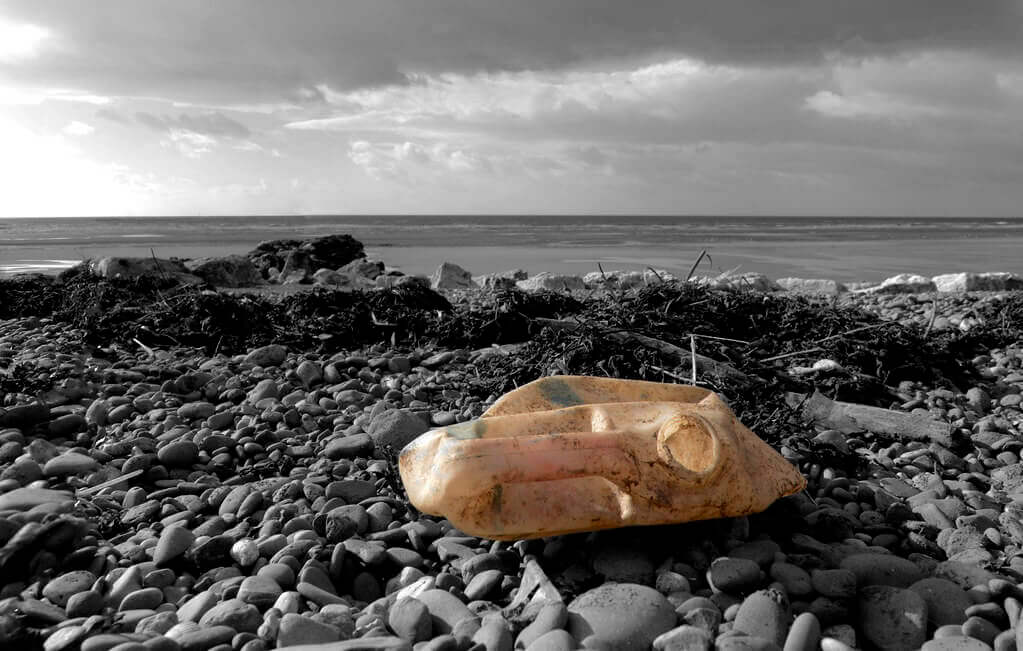
How Does Plastic End Up In The Ocean?
Plastic enters the ocean through waste, wind, and rivers, harming marine life—learn how that happens and what can be done to stop it.
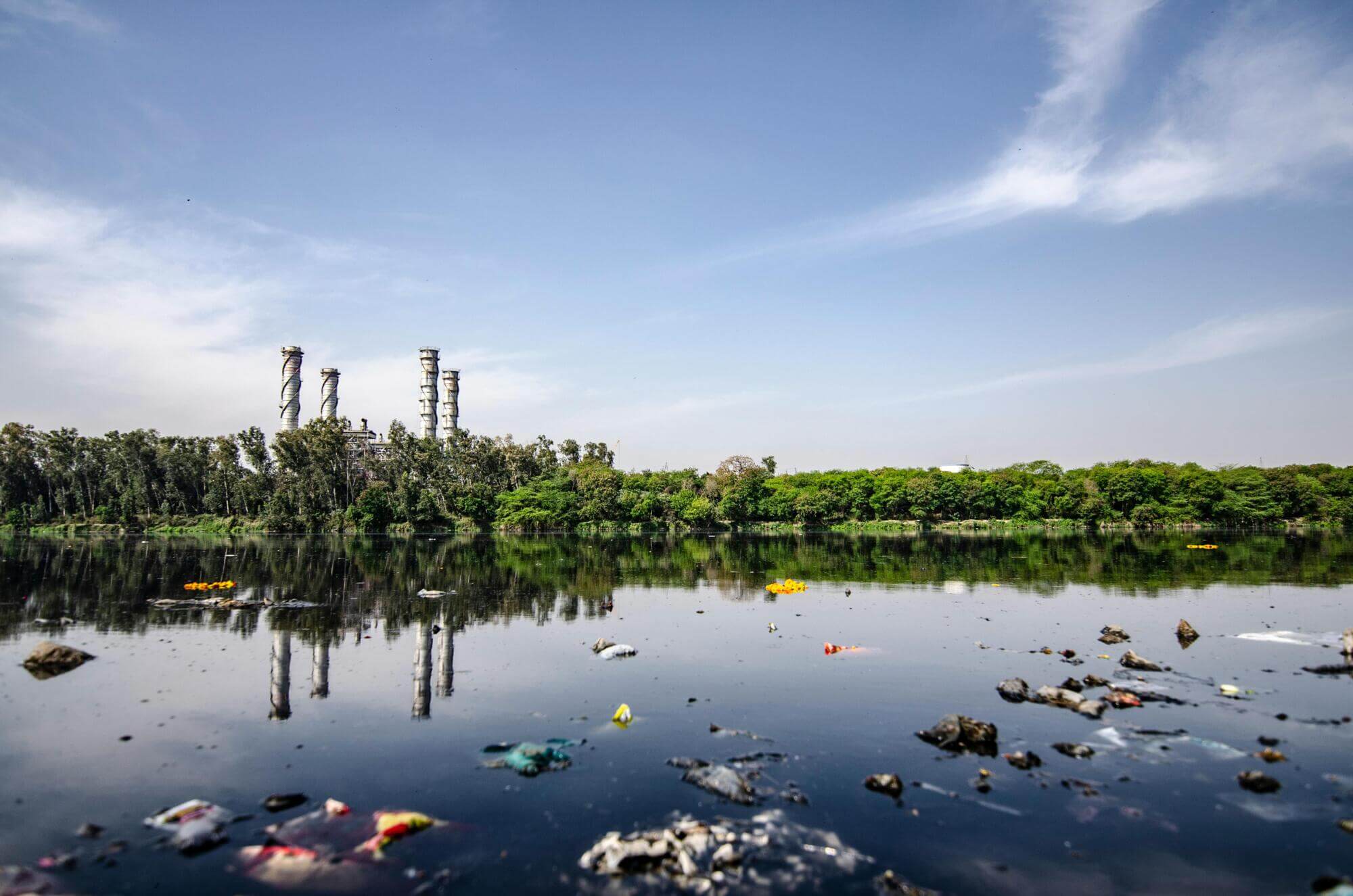
The 5 Dirtiest Oceans in the World
The Pacific, Indian, and Atlantic Oceans are the most polluted, with plastic, oil, and waste contaminating marine ecosystems and threatening wildlife. In this article, we’ll explore the causes behind their contamination, and what we can do to reduce the damage.
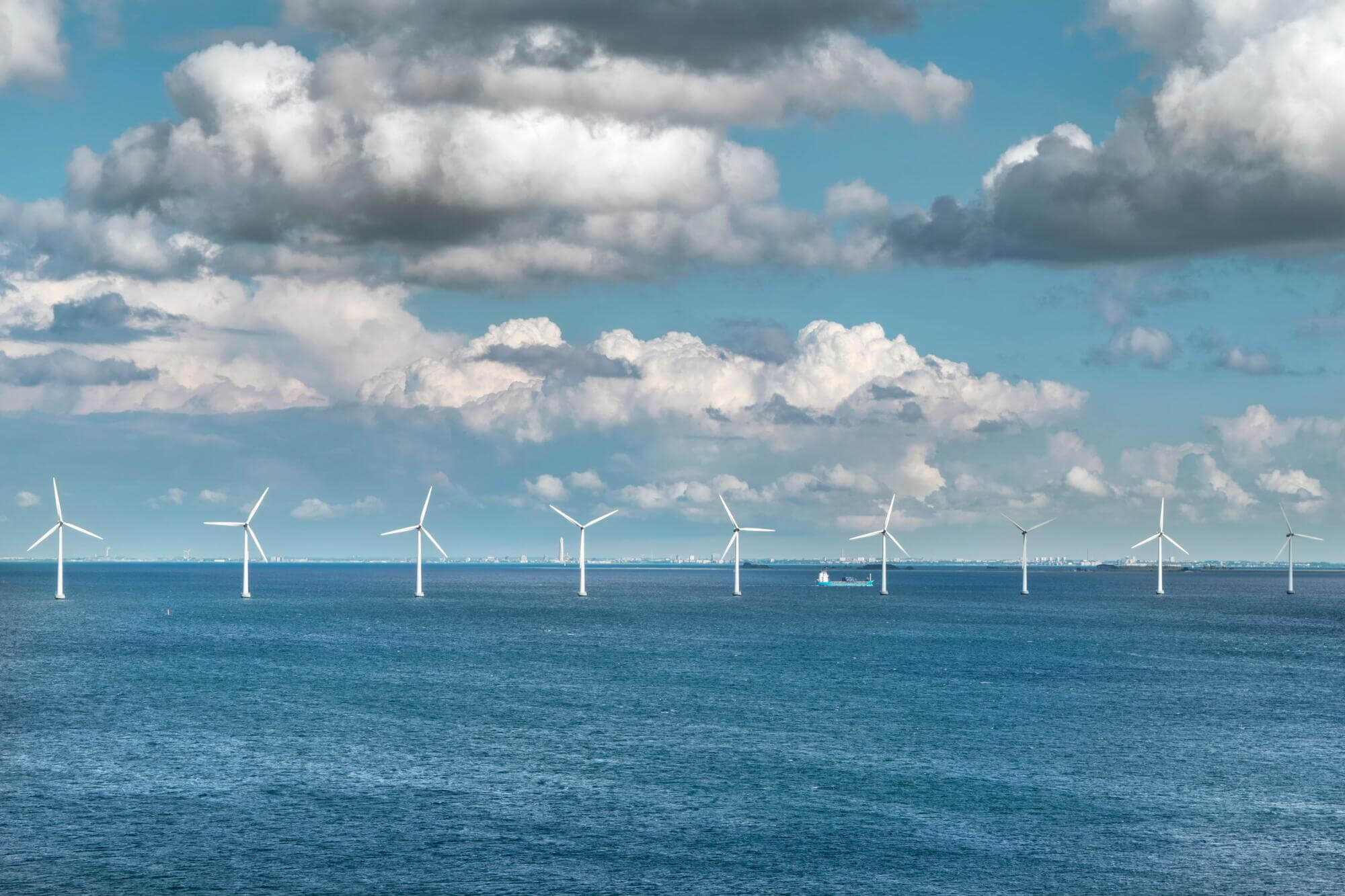
How Offshore Wind Farms Affect Marine Life (Benefits & Challenges)
Offshore wind farms impact marine life through noise pollution, habitat disruption, and ecosystem changes. Learn how this affects marine life.


