
Imagine enjoying fresh, sustainable seafood without damaging our oceans. That’s the promise of aquaculture — but does it truly deliver? As wild fish populations decline and the need for food security rises, it has emerged as both a solution and a controversy. While it offers economic growth, job creation, and a steady seafood supply, concerns about environmental impact, disease spread, and resource consumption cannot be ignored.
In this article, we’ll dive into what is aquaculture, it’s types, history, advantages and disadvantages and regulations to uncover whether it truly holds the key to the future of seafood.
What is Aquaculture?
Aquaculture involves the breeding, cultivation, and harvesting of fish, shellfish, and aquatic plants in controlled environments. Essentially, it is a form of farming conducted in water.
It serves as an environmentally responsible method of food production, supports commercial industries, contributes to habitat restoration, and aids in replenishing populations of threatened or endangered species. As one of the most efficient methods of protein production, it has also significantly contributed to improved nutrition and food security worldwide.
Today, aquaculture produces over 50% of global seafood.
History
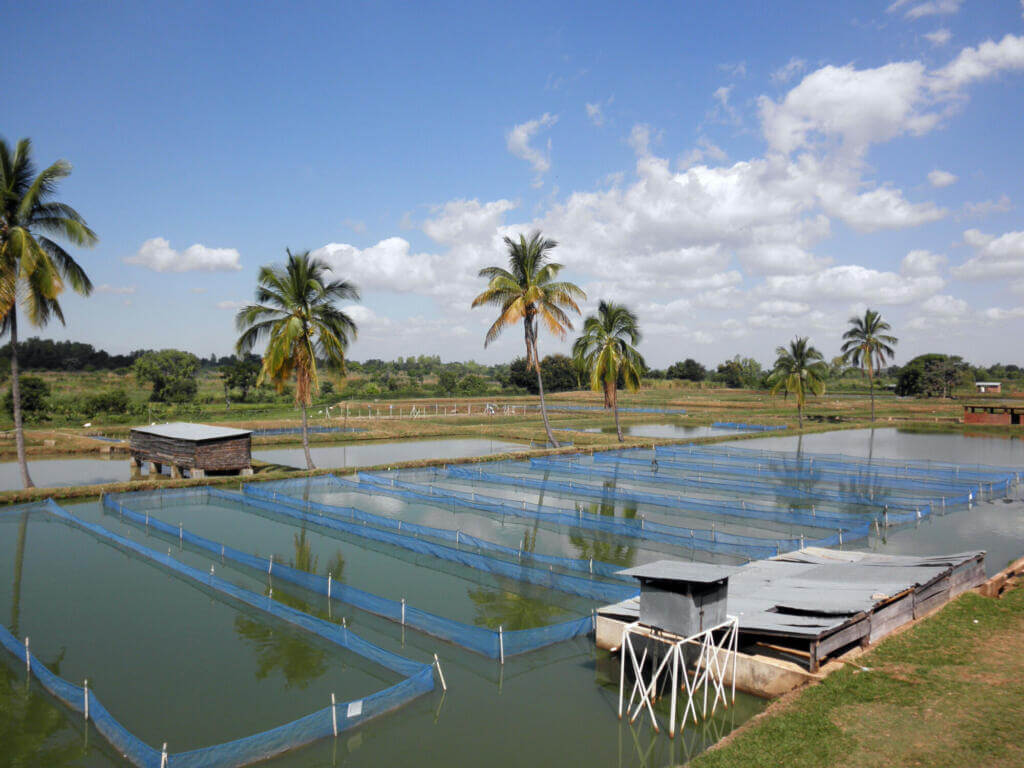
Aquaculture has evolved from early indigenous methods of managing aquatic ecosystems to modern, high-tech farming practices. In ancient times, people used sustainable techniques like clam gardens and fish traps. The 19th century saw the development of fish culturing at exhibitions and international councils, sparking global interest.
In the 20th century, innovations like tilapia cultivation in Kenya, vertical oyster farming in Japan, and the development of pellet fish food transformed the industry. Advances such as floating salmon cages in Norway and shrimp farming in Japan further boosted production.
The 1980s introduced Recirculating Aquaculture Systems (RAS), offering land-based, controlled fish farming, while later breakthroughs like offshore farming (2018) and individual salmon monitoring (2020) ushered in more sustainable, high-tech practices.
What Types of Aquacultures Exist?
The farming of aquatic organisms, varies depending on the salinity of the water and the species being cultivated. The primary systems include freshwater, marine, and brackish water aquaculture.
1. Freshwater Aquaculture
Freshwater aquaculture is carried out in non-saline environments such as rivers, lakes, reservoirs, and manmade ponds. It is the most widespread form due to the global availability of freshwater systems.
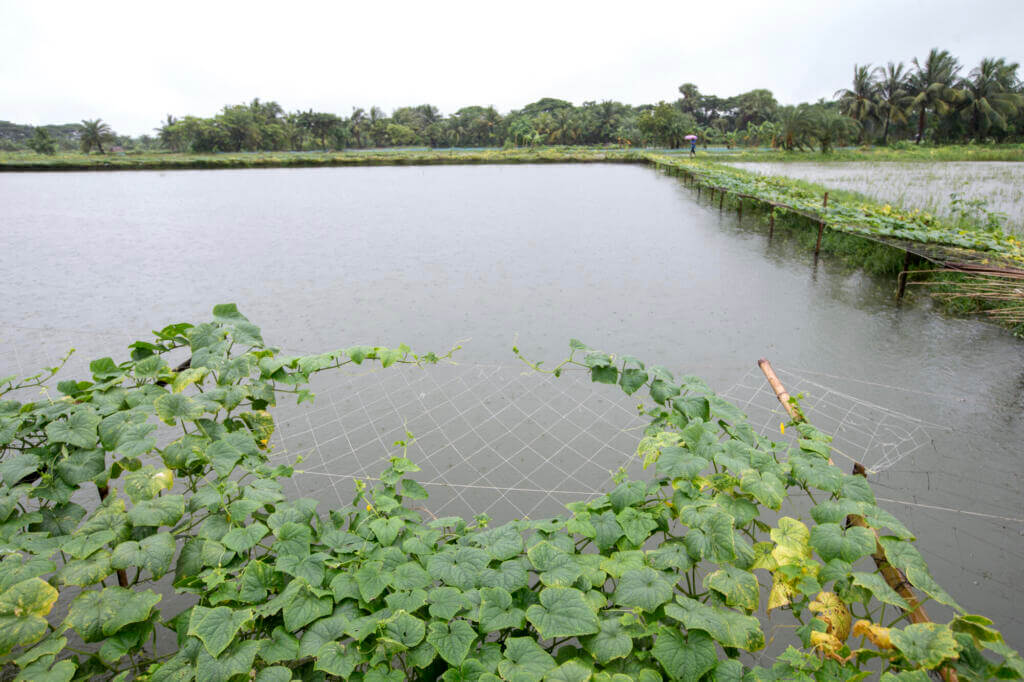
Common species farmed include carp, catfish, and trout with carp being especially popular in Asia and catfish in the United States. Beyond fish, this system supports the cultivation of crustaceans (like freshwater prawns), amphibians (like frogs), reptiles (such as turtles), and aquatic plants like duckweed and water spinach, which can serve as human food or animal feed. In some regions, integrated fish farming systems are used, combining fish with agriculture or livestock to maximize resource use and sustainability.
Often dubbed the “aquatic chicken” due to its rapid growth, high reproductive rate, and ability to thrive in poor water conditions, tilapia has become a global staple in freshwater aquaculture.
2. Marine Aquaculture
Marine aquaculture involves the farming of ocean-dwelling species in environments such as sea cages, saltwater ponds, intertidal zones, and onshore tanks with pumped seawater. Species such as salmon, shrimp, mussels, clams, and seaweed are commonly farmed in these systems.
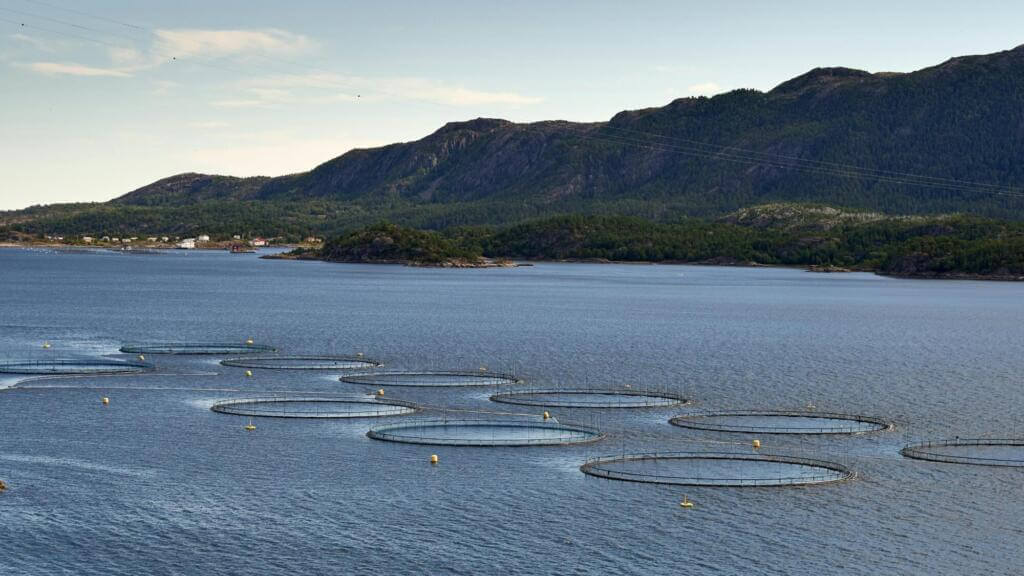
According to NOAA, marine aquaculture supplies about 50% of all seafood consumed globally, and is crucial in meeting rising seafood demand. China leads global production, followed by Norway and Vietnam. The U.S., though a major consumer of seafood, imports over 90% of its fish and shellfish—most of which comes from marine aquaculture farms abroad. Seaweed farming, in particular, is growing rapidly due to its environmental benefits such as absorbing carbon and reducing ocean acidification.
3. Brackish Water Aquaculture
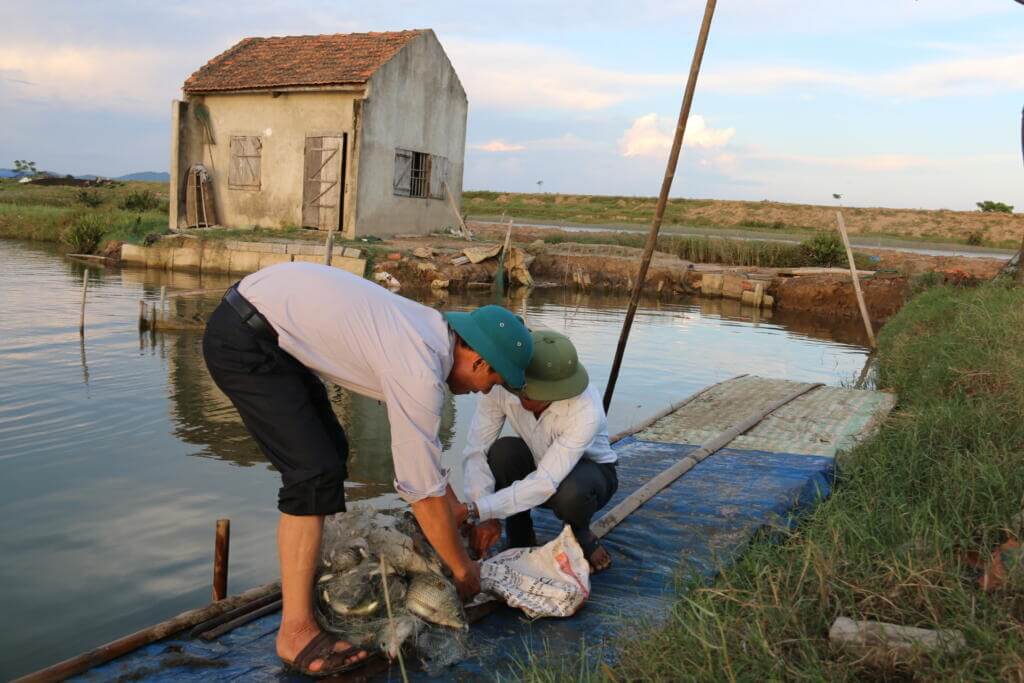
Brackish water aquaculture operates in estuarine environments where freshwater meets the sea resulting in slightly saline conditions. This system supports the cultivation of organisms that thrive in intermediate salinity levels, such as milkfish, mud crabs, prawns (e.g., giant tiger prawns), and mangrove oysters. It is often practiced in coastal areas using converted rice paddies or mangrove ecosystems.
Rainbow trout are highly adaptable and are raised in both freshwater and saltwater systems. Known as the “farmer’s fish,” they have short grow-out cycles and can thrive in a variety of climates. Some wild populations are anadromous, meaning they migrate between freshwater and seawater, like salmon.
Countries like India, Bangladesh, and the Philippines have large-scale brackish water operations. Innovations such as polyculture—raising multiple species together—are enhancing the productivity and ecological sustainability of these farms.
The Benefits and Risks of Aquaculture: A Balanced Look
Aquaculture is not simply “good” or “bad.” It plays a major role in food production and coastal economies, but it also creates environmental and ecological challenges. Below is a balanced view of both sides.
Benefits
It helps meet growing global demand for seafood without relying entirely on wild fisheries. By farming fish, shellfish, and seaweed in controlled systems, producers can raise large amounts of high-protein food in relatively small spaces. This makes it an important tool for food security, especially in regions where land for cattle or crops is limited.
Another benefit is that it can support the recovery of wild fish populations. Hatcheries can raise juvenile fish and then release them into the wild, which can help restock overfished areas and reduce pressure on capture fisheries. Certain forms of mariculture (farming in marine environments) also aim to restore or repopulate species like clams and other invertebrates that play important ecological roles.
Aquaculture also supports people and communities. It creates jobs in coastal and rural areas, not just in farming itself but also in processing, transport, and export. In some places, it helps keep people employed locally instead of forcing them to migrate to crowded cities for work. It can also drive related industries such as:
- seafood processing and packaging
- pearl farming and ornamentals (aquarium trade)
- seaweed cultivation for food, cosmetics, and pharmaceuticals
Economically, high-value aquaculture products like shrimp, lobster, and certain finfish can become major export goods and a source of foreign income for a country.
There are environmental upsides in some systems as well. Well-managed farms can monitor fish health, control water quality, and trace production in a way that is harder to do in open capture fisheries. Some integrated farming models even reuse waste: for example, fish ponds combined with agriculture or livestock can cycle nutrients instead of releasing them into the environment. Seaweed and shellfish farming can also contribute to habitat enhancement and, in some cases, help stabilize or restore damaged coastal ecosystems. In addition, public-facing parts of aquaculture, like recreational fishing areas and public aquariums, can increase environmental awareness and eco-tourism.
In short, when it’s done responsibly, aquaculture can provide protein, jobs, and economic growth while taking pressure off wild fish stocks.
Risks and Challenges
At the same time, aquaculture raises serious environmental and ecological concerns. One major issue is habitat loss. Building fish or shrimp farms can involve clearing sensitive areas like wetlands and mangroves. These habitats naturally protect coasts, store carbon, and support a huge amount of biodiversity. When they are removed, that loss can cascade through the local ecosystem.
Water pollution is another challenge. Fish farms release waste, uneaten feed, and sometimes chemicals or antibiotics into nearby waters. This nutrient-rich discharge can lead to algal blooms, low-oxygen conditions, and overall decline in water quality for both wildlife and local communities. Poorly controlled discharge doesn’t just stay at the farm site. It spreads.
Disease is also a concern. Farming fish at high density makes outbreaks of parasites and infections more likely. Farmers often respond by using antibiotics or other treatments. Overuse of these treatments can create resistant pathogens and introduce harmful substances into the environment. There’s also a spillover effect: diseases and parasites from farmed fish can spread to wild fish populations.
Below are some of the common risk areas that come up in aquaculture:
- Genetic and ecological impact on wild fish
Farmed fish can escape into surrounding waters. When they breed with wild fish, they can weaken local gene pools and outcompete native fish for food and habitat. - Introduction of non-native species
Some farms raise species that are not naturally found in that area. If those species escape, they can become invasive, carry new diseases, or disrupt the local food web. - Animal welfare
Crowded conditions can lead to stress, aggression, and injury in fish. This is both an ethical issue and a health issue because stressed fish get sick more easily. - Resource intensity
Many aquaculture systems require large volumes of clean water and high-protein feed. In some cases, that feed is made from wild-caught fish, which means we are still extracting from the ocean to feed farmed stock. If that loop is not managed well, it’s not truly sustainable.
So while aquaculture can deliver food and income, it can also pollute water, increase disease pressure, and damage coastal ecosystems if it is poorly regulated.
How Aquaculture Can Be Made Truly Sustainable
While aquaculture has clear benefits and undeniable risks, it also offers a unique opportunity: to build a smarter, more sustainable food system. These innovations and practices are key to making aquaculture part of a nature-positive future:
Smarter, Sustainable Feeds
Traditional fishmeal and fish oil put pressure on wild fisheries. New alternatives including plant-based, algae-based, insect-derived, and lab-grown feeds offer more sustainable, nutritious options that reduce the environmental footprint of farmed seafood. These substitutes not only help protect marine ecosystems but can also enhance the nutritional profile of farmed aquatic products, making seafood healthier and more sustainable.
Technology-Driven Solutions
Emerging technologies are making aquaculture cleaner, more efficient, and less invasive:
- Recirculating Aquaculture Systems (RAS): Land-based, closed-loop systems that filter and recycle water, reducing resource use, minimizing disease risks, and preventing escapes into natural ecosystems. Locating RAS facilities near urban centers can also lower transportation-related emissions.
- Open Ocean Aquaculture: Utilizing deep-sea environments with durable submersible pens, smart sensors, and predictive modeling allows for larger, healthier fish harvests with reduced environmental impact. These offshore systems help scale sustainable seafood production while improving efficiency and return on investment.
- Integrated Multi-Trophic Aquaculture (IMTA): A nature-inspired approach that raises different species together, such as fish, shellfish, and seaweed. IMTA improves water quality by recycling excess nutrients and offers diversified income streams for farmers.
Stronger Regulations and Inclusive Governance
Sustainable aquaculture must be underpinned by robust policy frameworks that:
- Promote equity, giving opportunities to women, youth, and rural communities
- Limit antibiotic use and water pollution
- Protect natural habitats and biodiversity
- Encourage innovation and ethical production
For example, countries like the U.S. — through agencies like NOAA — monitor water quality, animal health, and habitat protection, ensuring seafood safety and environmental compliance. Emerging systems in the EU and Asia are increasingly prioritizing ethical production and biodiversity safeguards.
Ocean Insights: Hear From Our Experts

By Rida Nasir
Researcher and Conservationist, with an MSc in Environmental Science
Aquaculture holds undeniable potential to meet global seafood demand, support food security, and reduce pressure on overexploited wild fish populations. Yet, this promise comes with significant challenges that cannot be overlooked ranging from environmental impacts and disease outbreaks to ethical concerns and resource consumption. To ensure aquaculture remains a solution rather than a threat, careful management and strict oversight are essential. As seen in the United States, strong regulatory frameworks, interagency collaboration, and science-based monitoring systems play a vital role in minimizing ecological risks while promoting sustainable seafood production.
FAQs
Is aquaculture the same as seafood farming?
Yes, aquaculture and seafood farming are essentially the same, though aquaculture is a broader term. Aquaculture is the farming of aquatic organisms — including fish, shellfish, crustaceans, and aquatic plants — in freshwater or saltwater. Seafood farming, on the other hand, typically refers to the commercial production of edible marine species (like salmon, shrimp, oysters), so it’s a subset of aquaculture.
Why is aquaculture controversial?
Aquaculture is controversial due to its environmental and ethical impacts, especially in the case of farmed salmon. While it offers a reliable food source, concerns about pollution, habitat destruction, disease spread, and antibiotic use have sparked global debates. These issues often gain media attention and fuel public conflict over the industry’s sustainability.
What are the basics of aquaculture?
Aquaculture is the controlled farming of aquatic organisms like fish, shellfish, and plants in freshwater, brackish, or marine environments. It involves breeding, rearing, and harvesting under managed conditions to boost production. Key practices include hatchery seed production, feeding, disease management, and water quality control. The goal is to provide a sustainable, protein-rich food source, support livelihoods, and reduce pressure on wild fish populations
What species are commonly farmed?
Commonly farmed species include salmon, tilapia, carp, shrimp, catfish, mussels, oysters, and seaweed.


