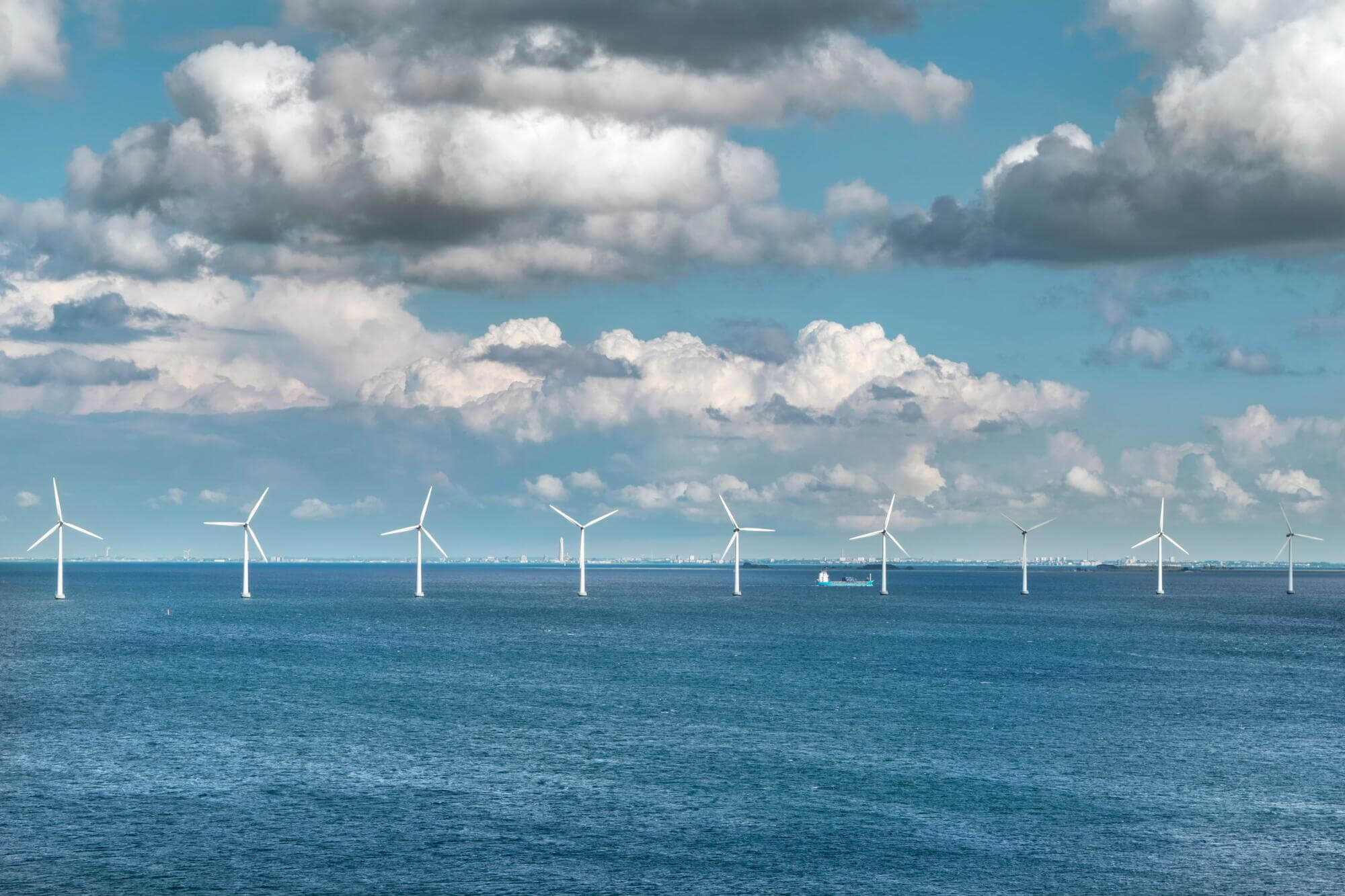

Offshore wind farms affect marine life in various ways, bringing both opportunities and challenges to ocean ecosystems. They are a striking sight—large turbines rotating above the ocean. While they offer clean energy benefits, their construction and long-term operation impact marine life beneath the blades. Different offshore wind farms (OWFs) have varying effects on their environment, as the base or anchor influences the level of disturbance. Additionally, offshore wind farms compete with other marine activities, such as commercial fisheries, which may be affected when wind farms are built in fishing areas.
Why Offshore Wind Energy?
Offshore wind farms consist of turbines anchored to the seabed or floating on the water’s surface. The ocean is ideal for wind energy because it provides stronger and more consistent winds than land, leading to higher energy generation efficiency.
Offshore turbines can produce two to three times more energy than their onshore counterparts, making them a crucial part of global renewable energy strategies.
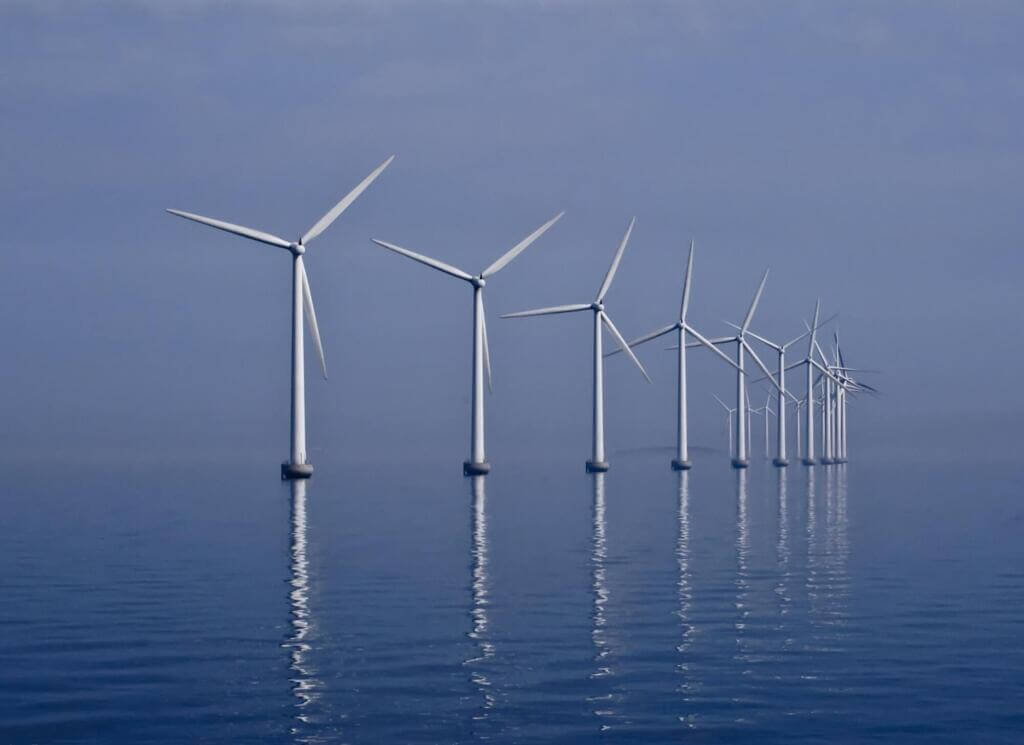
Since 1991, offshore wind capacity has grown 1,000% in the past decade, led by developments in China, the UK, and Germany. The North Sea holds ~19 GW (two-thirds of global capacity), with plans to expand to 300 GW by 2050.
The industry is set to grow tenfold by 2030, targeting 1,000 GW by 2050. Floating wind farms could contribute 11–25% of new projects by 2035. The EU aims for 450 GW by 2050, while the U.S. has 59 offshore wind projects, including Vineyard Wind 1 and South Fork Wind, with further expansion along the Atlantic coast.
How Offshore Wind Farms Affect Marine Life
Offshore wind farms (OWFs) offer a promising source of renewable energy, reducing reliance on fossil fuels and lowering carbon emissions. However, their development and operation can also impact marine ecosystems. Understanding these effects is crucial to balancing sustainability with environmental protection.
1. Underwater Noise Pollution
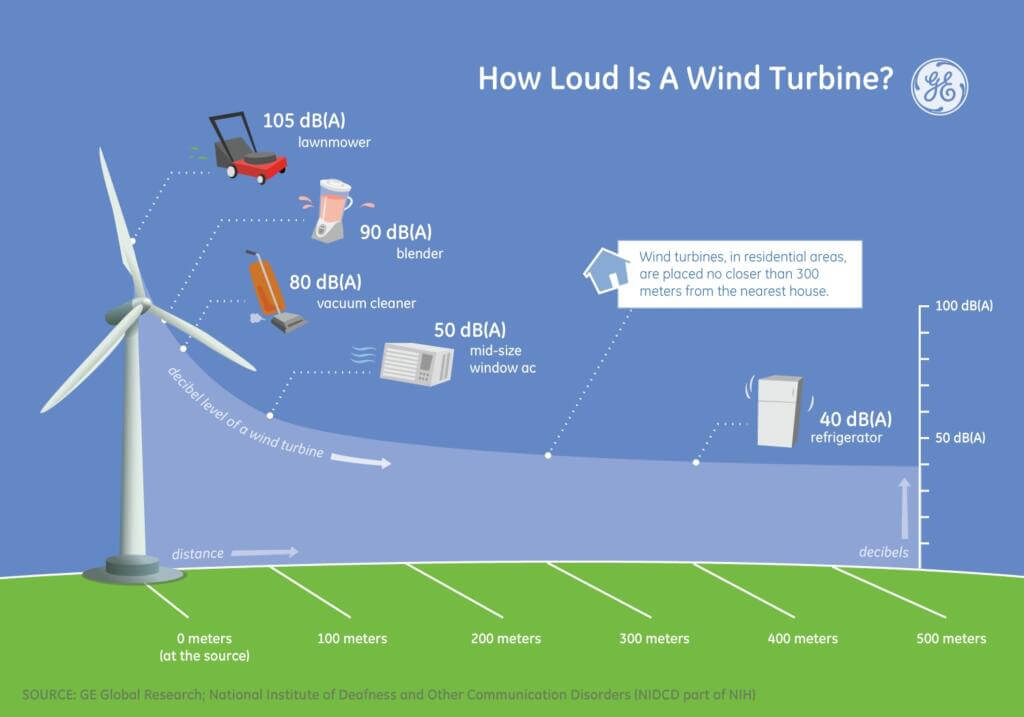
During OWF construction, pile driving generates high-intensity underwater noise that can harm marine mammals like porpoises, dolphins, seals, and whales, particularly large whales sensitive to low-frequency sounds. Prolonged exposure can cause hearing damage, behavioral disruptions, and stress.
However, once turbines are operational, noise levels drop, making them less harmful. Floating wind turbines present a promising alternative, as they eliminate the need for pile driving, significantly reducing underwater noise pollution.
2. Bird Collisions and Migration Disruptions
Marine birds are at risk of colliding with turbine blades, leading to increased energy expenditure as they adjust their flight paths. A study in Biological Conservation found that selectively stopping high-risk turbines reduced bird fatalities by 50%. Additionally, weather radar data may help predict bird movements, allowing operators to minimize harm while maintaining energy efficiency.

3. Electromagnetic Disturbances
Underwater power cables emit electromagnetic fields (EMFs) that may negatively affect marine species such as sharks, rays, crustaceans, and sea turtles.
To mitigate these effects, cables can be buried deep or covered with rocks or concrete, and high-voltage systems should be used to minimize EMF emissions.
4. Seafloor and Habitat Alterations
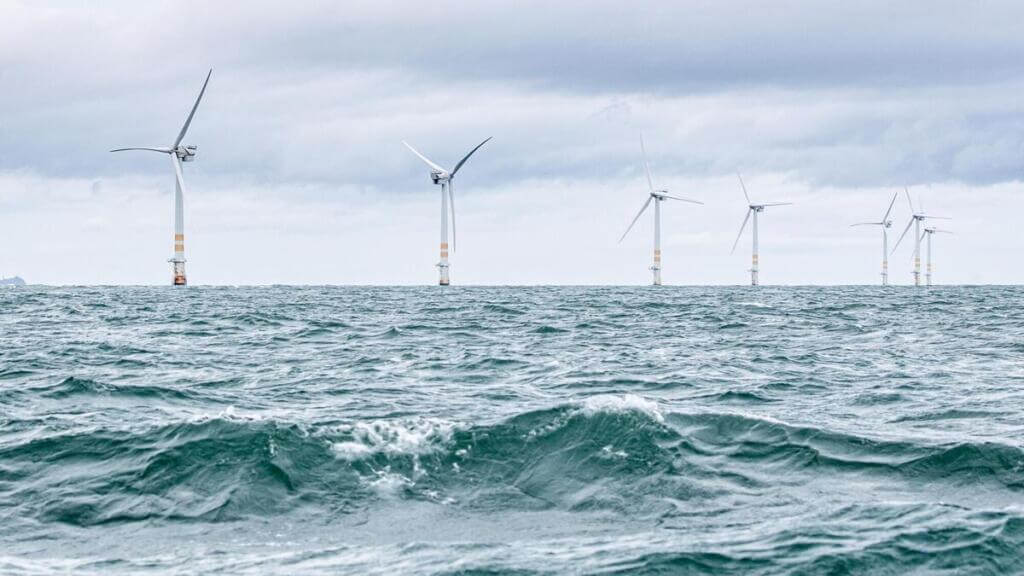
The installation of offshore wind farms impacts benthic habitats by altering the seabed and impacting bottom-dwelling marine species and their habitats. Activities like pile driving and cable laying disturb the seafloor, displacing benthic organisms. Sediment plumes from construction may reduce visibility and smother filter feeders, though most benthic communities recover within 1-2 years. Recovery varies based on factors like sediment type and water depth, with soft-bottom habitats recovering faster than rocky ones.
5. Fisheries and Marine Resource Conflicts
OWFs can restrict fishing activities, particularly for fleets using bottom-contacting gear. This exclusion can have economic and social consequences for fishers and coastal communities, especially in regions like the Mediterranean, where small-scale fisheries dominate. Additionally, OWFs may interfere with scientific fishery surveys, complicating stock assessments. Based on roughly 90 necropsy investigations of whales from 2016 to 2023, NOAA found 40% of documented whale mortalities and serious injuries resulted from vessel strikes or fishing gear entanglements.
However, OWFs can also create marine refuges by establishing no-fishing zones, allowing fish populations to recover and increasing biodiversity. The trade-off between habitat protection and fishing ground loss remains a critical factor in OWF planning.
6. Changes in Water Currents and Sedimentation
Offshore wind farms can alter local hydrodynamics, affecting sediment transport and water clarity. Changes in turbidity can disorient fish species, such as sturgeons, increasing their risk of collision with turbines.
Positive Impacts
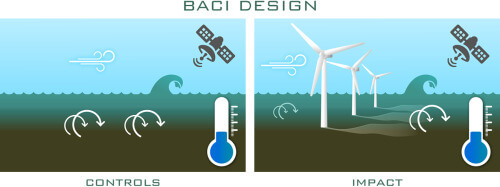
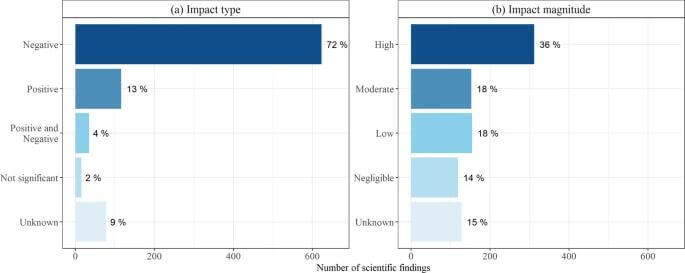
While offshore wind farms provide renewable energy, their environmental effects—particularly on marine life—must be carefully managed. Studies indicate that the environmental impacts as a result of their construction are predominantly negative, although some positive impacts can be observed, which we have explored below:
Artificial Reef Effects
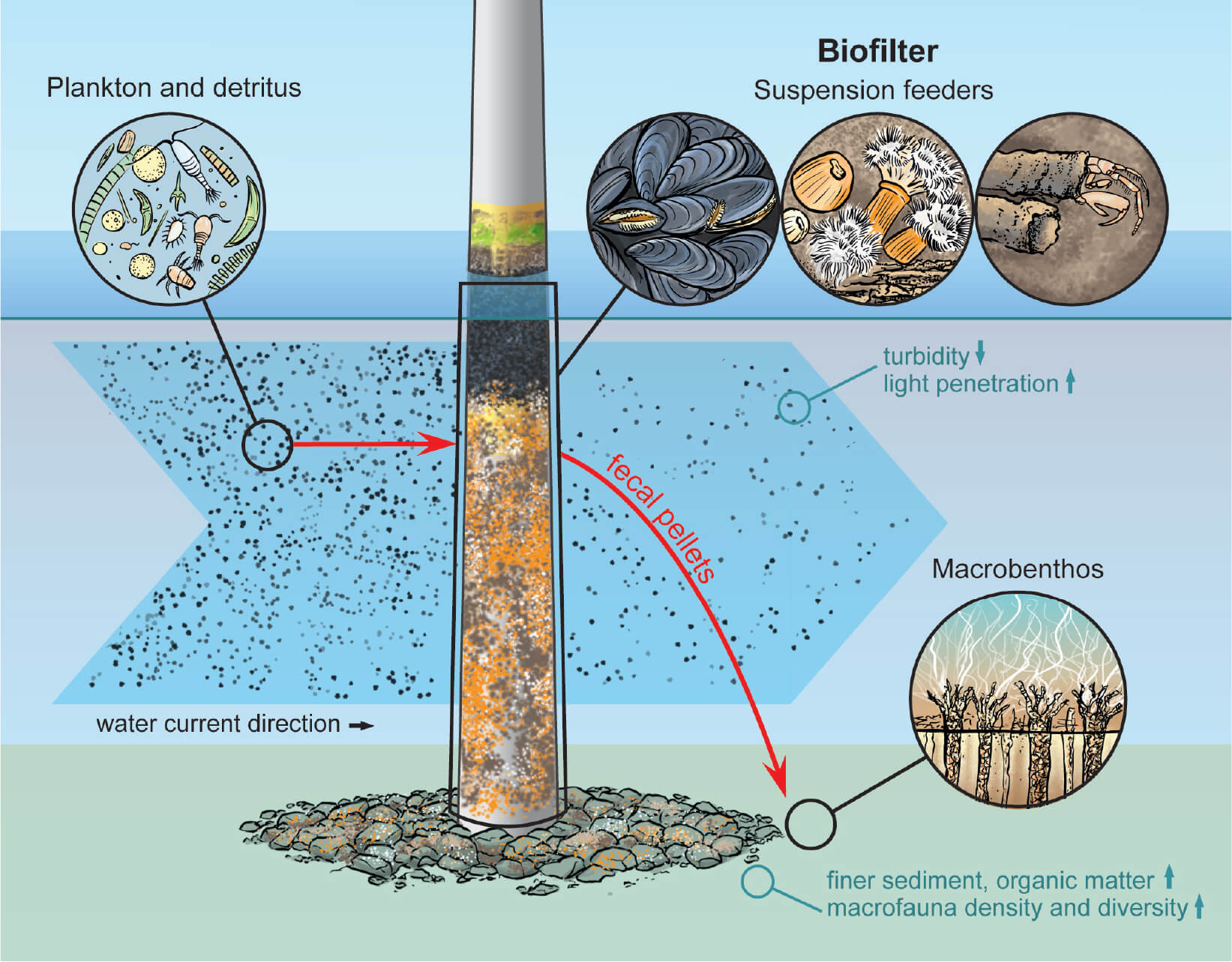
Turbine foundations attract marine organisms by acting as artificial reefs, fostering new ecosystems and marine biodiversity:
- Monopile foundations attract filter-feeding organisms like mussels and barnacles, forming the base of a thriving food web.
- Jacket foundations provide hiding spots for fish, while gravity-based foundations support soft corals and sponges.
- Additionally, scour protection structures create habitats for lobsters, crabs, and kelp.
Studies indicate that these artificial reefs can significantly enhance marine biomass, offering ecological benefits alongside renewable energy production.
Unintentional Marine Protected Areas
Many offshore wind farms restrict commercial fishing within and around their perimeters due to safety concerns, potential damage to fishing gear, and interference with underwater cables. These restrictions reduce fishing pressure, allowing fish populations to recover and thrive in what effectively becomes a no-fish zone.
With fewer disturbances from fishing activities, fish stocks and marine biodiversity can increase within wind farm areas, similar to marine protected zones. This effect is particularly beneficial for overfished species, allowing populations to repopulate and potentially spill over into surrounding areas.
Seabird Nesting Opportunities
Offshore wind turbines can serve as perching or roosting locations, especially for seabirds and migratory species that travel long distances. These structures offer a place to rest in otherwise open water.
Birds like cormorants, gulls, and even some raptors have been observed using wind turbine structures as resting points.
Case Studies of Existing Offshore Wind Farms
Research on OWFs in Europe and North America has shown mixed effects on marine life. The North Sea wind farms have become habitats for marine species, while some U.S. projects have raised concerns about fishery displacement and habitat disruption. Continued studies are necessary to balance renewable energy development with marine conservation.
Block Island Wind Farm (U.S.)
Block Island’s five-turbine OWF, the first commercial-scale offshore wind project in the U.S., has demonstrated both positive and negative impacts. Lobster populations initially declined due to construction noise, but artificial reef formation around the turbines later increased marine biodiversity.
Horns Rev 1 (Denmark)
One of Europe’s largest OWFs, Horns Rev 1, has shown that while some fish species thrive in exclusion zones, others struggle with habitat changes. Bird monitoring has also highlighted collision risks, leading to adjustments in turbine operation.
Mitigation Measures and Ongoing Research
To reduce the environmental footprint of OWFs, researchers and engineers are exploring innovative solutions and provide recommendations, including:
1. Collaboration for Protection
NOAA Fisheries works closely with the Bureau of Ocean Energy Management (BOEM) and other federal agencies to ensure offshore wind projects minimize impacts on marine life, habitats, and fisheries. This collaboration allows for real-time adjustments to operations to protect marine life.
NOAA Fisheries continues to invest in research and monitoring to better understand how offshore wind projects affect marine species. This research focuses on potential ecological impacts, including sound changes, electromagnetic fields, and habitat alterations.
2. Construction Strategies and Noise Reduction
During construction, “soft-start” procedures allow marine mammals to leave areas before noise levels rise. Additionally, seasonal timing restrictions protect vulnerable species during migration and breeding. To reduce harmful noise, technologies like bubble curtains and acoustic deterrents can cut sound by up to 90%. These strategies help minimize disturbance to marine life and ensure that projects comply with legal requirements.
3. Turbine Placement and Environmental Monitoring
Turbines are strategically placed away from critical habitats, and continuous environmental monitoring tracks marine life to ensure adjustments can be made if necessary. NOAA Fisheries works with agencies to assess and mitigate the environmental impacts of these placements, particularly on protected species.
4. Authorization and Mitigation of Incidental Take
NOAA Fisheries authorizes the incidental take of marine mammals under strict conditions, including measures like bubble curtains, vessel speed restrictions, and monitoring construction noise. These mitigation efforts help reduce impacts during construction and ongoing operations, ensuring compliance with regulations and enhancing understanding of how wind projects affect marine species.
5. Nature-Inclusive Design and Habitat Creation
Developers incorporate nature-inclusive design, using scour protection systems as artificial reefs, creating habitats for species like oysters and mussels. These efforts not only mitigate environmental impacts but also enhance biodiversity.
6. Innovative Construction Techniques
Cable-laying and mooring methods minimize seabed disruption, while regular assessments refine these techniques to reduce potential impacts on the ecosystem.
7. Focus on Endangered Species
Special attention is given to endangered species, like the North Atlantic right whale, with tailored strategies to safeguard these species as offshore wind energy expands. NOAA Fisheries plays a key role in developing strategies for their protection and supporting compliance of offshore wind activities with the Endangered Species Act and the Marine Mammal Protection Act.
FAQs
How much energy can a wind turbine generate?
A single large offshore wind turbine can generate 6–15 MW, enough to power thousands of homes annually.
How far should wind turbines be from homes?
To minimize this risk, it is generally recommended that wind turbines be placed at least 1.5 times their height away from any residential buildings.
Where is the largest offshore wind farm located?
When completed in 2026, Dogger Bank will be the largest offshore wind farm in the world. It is situated over 130 km off the northeastern coast of England in the North Sea and is a joint venture between SSE Renewables, Equinor, and Vargronn.
Can offshore wind farms withstand extreme weather?
Modern offshore turbines are designed to endure hurricanes and storms, with advanced engineering to shut down safely during extreme winds.
How long do wind turbines last?
Wind turbines typically have a lifespan of 20–25 years, after which they may require upgrades or decommissioning.
What happens to old wind turbines?
Decommissioned turbines can be repowered with new technology, recycled, or dismantled to reduce environmental impact.


