
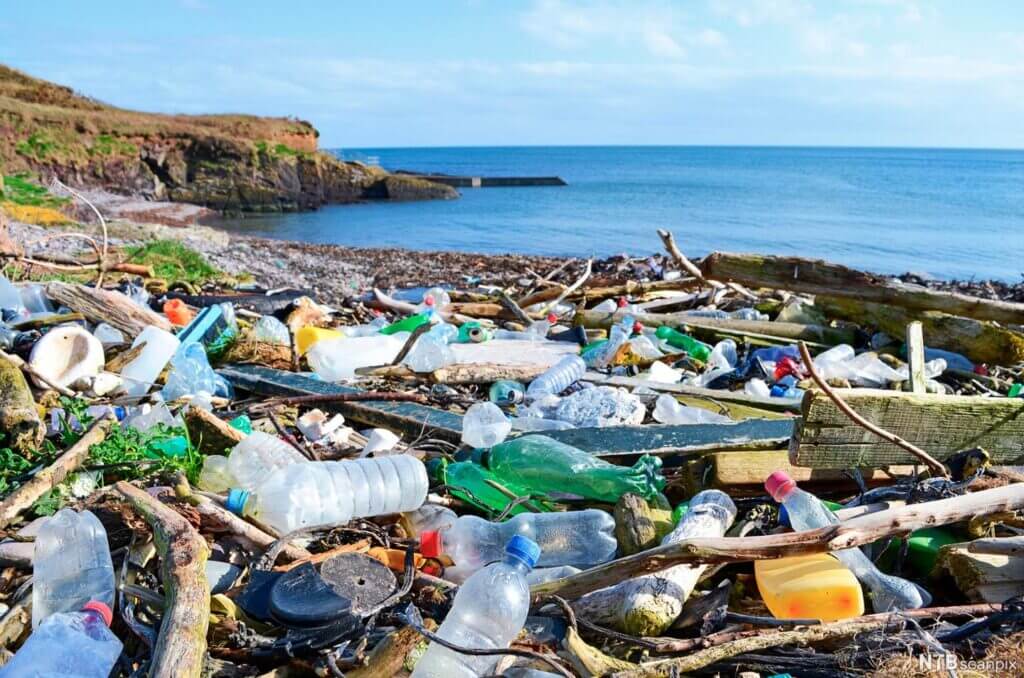
The UN describes the planetary crisis as the issue of marine plastic pollution, which has escalated dramatically. This plastic affects the ocean. Over the last seven decades, the production of plastic, a manmade synthetic polymer, has sharply increased. Plastic offers significant benefits—it’s affordable, adaptable, and hygienic, serving diverse purposes like construction, medical tools, and food packaging. However, improper disposal leads to environmental harm. Each year, one to two million tonnes of plastic enter our oceans, endangering marine life and ecosystems.

How Plastic Waste Affects the Ocean
Plastic waste entering the ocean through rivers and the wind has a huge impact on its marine life, ecosystem and aquatic life. Humans are susceptible to this danger as well due to the increased presence of microplastics in water. Although plastics may require hundreds of years to decompose completely, certain types break down more rapidly into minuscule particles. These particles ultimately find their way into the seafood consumed by humans.
We will discuss the impact of plastic water on the ocean and devise solutions by considering the magnitude of the problem at a global scale, complying with Environmental policies and regulations, and inspiring community and individual action by bringing awareness and educating the masses.
Impact on Marine Life
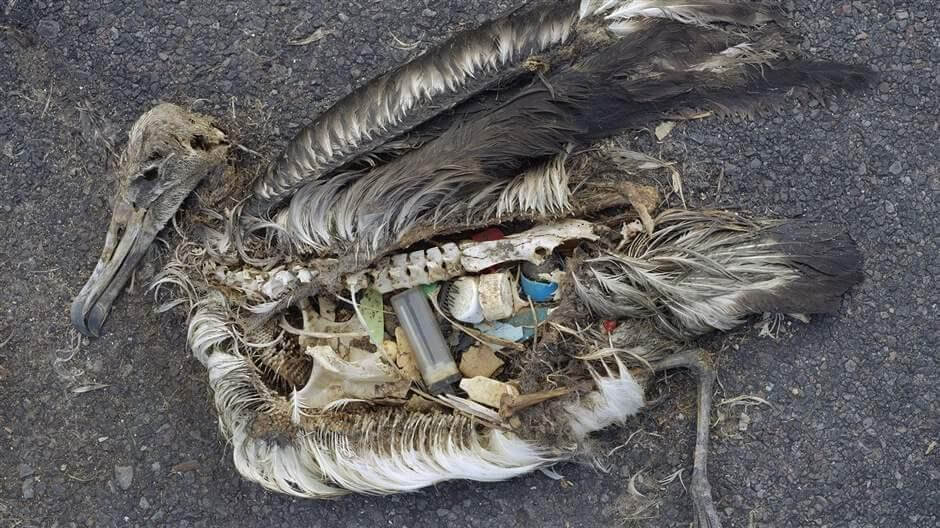
Research indicates that plastic waste affects the ocean life where ingestion kills approximately 100 000 marine mammals and one million seabirds annually. It also approximates that at least 60% of seabird species have ingested plastic waste, which will likely grow to 99% by 2050.
The further impacts on marine life are discussed below:
Entanglement: Marine creatures, including coral colonies, are ensnared by discarded fishing gear like ropes and nets, leading to injury and death. Birds also suffer as they use marine debris in their nests, trapping themselves and their young. Even in remote areas like the Arctic, plastic entanglements are increasing.
Ingestion: From large predators to plankton, marine animals ingest plastic, causing serious harm such as blockages and internal injuries. Seabirds and sea turtles are particularly affected, with up to 90% of seabirds and over half of sea turtle individuals consuming plastic. Whales and dolphins found stranded often have ingested plastics, leading to altered behavior and negative impacts on health.
Smothering: Plastic pollution covers corals, sponges, and bottom-dwelling creatures, depriving them of light, food, and oxygen. This leads to oxygen-deficient sediment, reduced organism numbers, and provides a breeding ground for pathogens, harming marine ecosystems, especially in coral reefs and mangroves.
Pollution of Oceanic Waters
Another way to learn how plastic waste affect the ocean is to consider its ability to poison the water and cause sea animals and plants to contract dangerous diseases. 0.5% of plastic waste ends up in the oceans and the marine litter constitutes 85% of this plastic waste from deep-sea sediments to surface waters.
According to the UN environment program, this might increase to between 23 and 37 million metric tons by 2040. Harmful chemicals from plastics can leach into the marine environment, affecting marine life. Tiny plastic particles can penetrate cells and even reach the brains of marine animals, posing serious health risks.
A recent study has shown that plastics encourage the growth of dangerous plants in the ocean. Coral reefs that come into contact with them have an 89% chance of contracting deadly diseases. On the other hand, corals that don’t come into contact with plastic wastes have a four-percent probability of contracting infections.
However, that’s not all. Some plastic materials contain poisonous substances and can kill any living thing on its way. Bisphenol A is an example of a toxic substance that is available in some plastic containers. When disposed of in the ocean, they pollute the water and cause disaster.
Bisphenol A doesn’t get diluted in water. Besides containing dangerous substances, this stuff uses lots of oxygen when it degrades. So, it reduces the survival rate of sharks and marine mammals, including penguins and whales.

Disturbance of the Food Chain
Plastic waste affects the ocean when it enters the marine food chain, eventually reaching human diets. Microplastics, consumed by plankton and small organisms, disrupt biological processes and affect seafloor ecosystems. Nanoplastics pose significant risks, reducing survival rates in aquatic organisms and impacting behavior. Despite increasing research, little is known about the potential health impacts on humans, but ingestion of microplastics has been confirmed in seafood like mussels and canned fish.
Invasion of Non-Indigenous Species
Some non-indigenous species consider the millions of plastic materials floating on water suitable habitats. Thus, they interfere with the normal functioning of the ocean ecosystem.
Unhealthy Accumulation of Plastic
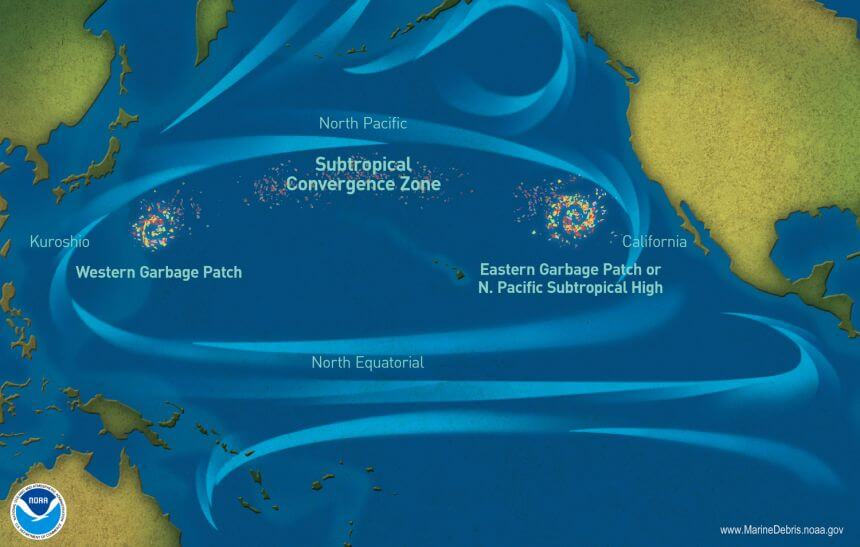
Mountains of plastic waste affects the ocean as a significant threat to the sea. The gyres and other oceanic currents often accumulate plastics, leaving the place unsafe.
The Great Pacific Garbage Patch in the North Pacific Ocean is an excellent example of such marine debris.
Now the question arises – how we can prevent this ocean pollution and devise solutions for the pollution that is already there?
What Can We Do to Break the Plastic Wave?
Fixing the problem at hand will be no easy feat, but there are a few solutions we should all collectively bear in mind and do our part in implementing. Those include:
Use Existing Technology
We can use many existing solutions, but we can’t change the trajectory of plastic waste without investing in technology. Scalable tech solutions can help us reduce plastic entering the ocean by nearly 80% within the next 20 years. One such solution is The Interceptor Original, an autonomous river-cleaning device developed by The Ocean Cleanup, designed to remove plastic waste before it reaches the ocean. Additionally, nanotechnology offers promising innovations, such as magnetic nanoparticles and nanosponges, which can capture and break down microplastics, providing a more advanced approach to plastic pollution mitigation.
Don’t Use Plastics
The most practical way to get started is by refusing to use plastics. At the very least, avoid single-use plastics.
Support Ocean-Friendly Legislation
Changing our behaviors and adopting technology are essential steps. However, they are inadequate.
We need laws that can do the following:
- Reduce or eliminate plastic production.
- Improve waste management.
- Make plastic producers accountable.
Recycle Properly
If you have to use some plastics, ensure you recycle them. Currently, only 9% of plastic materials are recycled worldwide. Recycle all single-use plastic products to help keep plastic out of the ocean.

Stick to UN Regulations
We must adhere to the UN Environmental Conventions and Regulations that prevent the “Planetary Crisis”. These include:
- The United Nations Framework Convention on Climate Change
- United Nations Environment Programme
- The United Nations Convention on Biological Diversity
- The United Nations Convention to Combat Desertification
Breaking the Plastic Wave by Being Responsible
Now that we’ve seen how plastic waste affects the ocean and ways to address this matter, we can agree that plastic pollution threatens ocean health. Fortunately, you can do something about it today and join the millions of people who are already taking action to save the environment.
Ocean Insights: Hear From Our Experts

By Rida Nasir
Researcher and Conservationist, with an MSc in Environmental Science
To address the issue of how plastic waste affects the ocean, I believe it's crucial to raise awareness and educate individuals about the gravity of the problem and its far-reaching consequences. I find hope in collective action and innovative solutions. From organizing beach cleanups to supporting businesses that prioritize sustainability, every small step counts. I believe that by fostering a culture of mindfulness and responsibility, we can turn the tide against plastic pollution and create a brighter, cleaner future for our oceans.
FAQs
Where does 80% of the plastic in the ocean come from?
Eighty percent of the plastic in the ocean comes from the land. By weight, approximately 70% of the waste is transported from land-based sources to the sea through coastlines or rivers. The other 30% comes from marine sources, including ropes, abandoned vessels, lines, and fishing nets. In short, one of the simplest ways to save the ocean is to reduce the amount of plastic transported from land.
How much pollution is in the Pacific Ocean?
Determining how much pollution is in the Pacific Ocean is a great way to know how plastic wastes affect the ocean. The Pacific is the most polluted. It has approximately two trillion plastic pieces. A third of the trash is in the North Pacific Gyre, the ocean’s most extensive system of circular currents that forces Earth to rotate.
Can we solve the plastic problem?
Yes, we can solve the plastic problem, but it requires much work. This issue is tricky and won’t be solved permanently until all nations ban plastics. This is difficult because of international and local politics and the rising demand for single-use plastics. Nevertheless, we can improve the situation by limiting the use of plastics and following the Reduce-Reuse-and-Recycle rule.
Can we recycle ocean plastic?
No, we can’t recycle most ocean plastic. Why? Once plastic materials enter the ocean, salt water and UV light effects degrade them. Before long, it becomes discolored, fragmented, and brittle, which makes it unusable for recycling. For that matter, almost all plastic recovered from the ocean hardly makes it to the recycling plant. Therefore, the only solution is to keep ocean plastic in a warehouse and incinerate it.


