

Oceans cover over 70% of our planet, providing food, energy, and climate regulation. Yet, pollution, overfishing, and industrial exploitation are pushing marine ecosystems to the brink, threatening biodiversity and disrupting the delicate balance that sustains life on Earth. From coral reefs to deep-sea habitats, human activity is accelerating habitat loss and ocean degradation.
Innovation is key to reversing this damage. The United Nations’ Sustainable Development Goal 14 emphasizes the need for groundbreaking solutions beyond traditional conservation efforts. As part of a growing blue economy, cutting-edge technologies—AI, robotics, nanotechnology, and renewable energy—are revolutionizing how we monitor, restore, and protect marine environments.
With autonomous underwater vehicles (AUVs) mapping uncharted depths, AI-powered hydrophones detecting illegal fishing, and drones monitoring marine life, technology is reshaping the future of conservation. This article explores the most innovative marine conservation technologies making a difference today, offering hope for a more sustainable and resilient ocean.
1. AI-Driven Predictive Analysis for Ocean Changes
Instead of reacting to environmental crises after they happen, AI lets us predict and prevent damage before it’s too late. It also makes marine conservation efforts more efficient, replacing slow, labor-intensive methods with real-time, data-driven insights. Governments, scientists, and conservation groups can now make smarter, faster decisions—giving our oceans a fighting chance.
Real World Applications
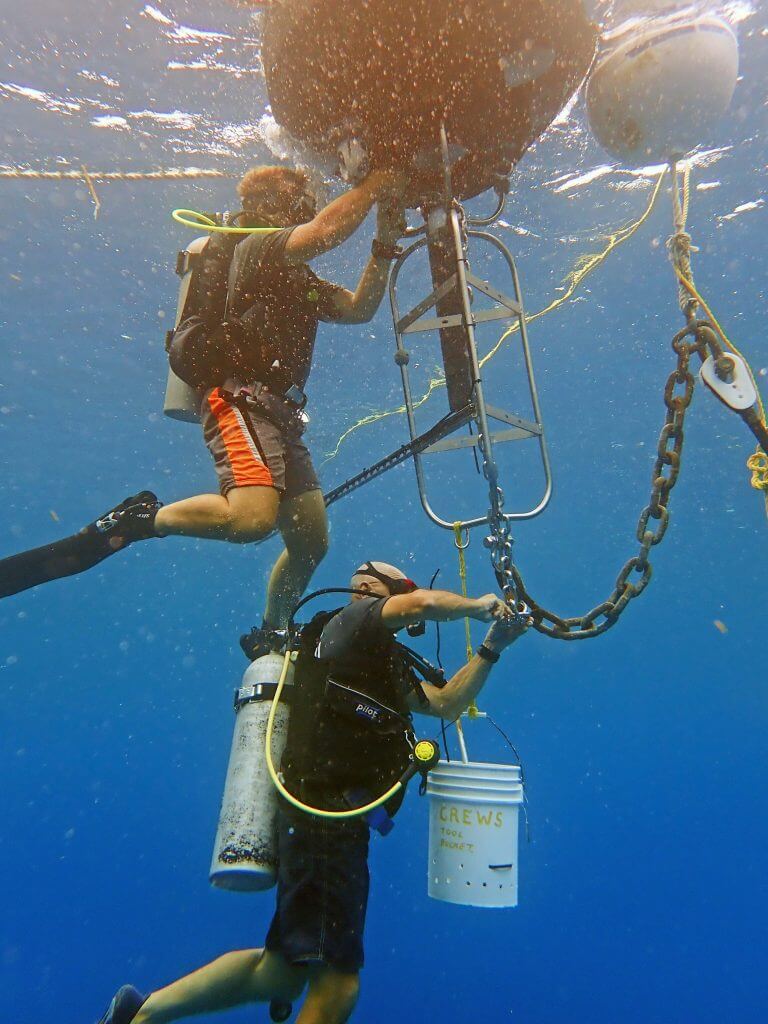
AI models analyze vast datasets from satellite imagery, ocean sensors, and historical climate records to forecast critical oceanic changes such as:
- Temperature fluctuations by predicting marine heatwaves that threaten coral reefs
- Salinity variations by tracking freshwater influx from melting glaciers and its impact on marine ecosystems
- Marine species movement by anticipating shifts in fish populations to inform sustainable fishing practices.
By monitoring these factors, it is giving us powerful tools to predict, prevent, and respond to environmental threats before they escalate. Some key conservation areas where AI has been critical include:
- Early-Warning Systems for Coral Bleaching: AI models, like those used in the Great Barrier Reef, can forecast bleaching events months in advance. This gives conservationists time to take preventative action, such as shading reefs or adjusting local water flow to reduce stress.
- Smarter Fisheries Management: By predicting where fish populations will migrate, AI helps prevent overfishing, improves stock management, and reduces accidental catches of non-target species.
- Disaster Mitigation: AI-enhanced monitoring detects early signs of tsunamis, hurricanes, and harmful algal blooms, providing communities with crucial time to prepare and respond.
Current Challenges with AI Predictive Analysis
AI is powerful, but it’s not without obstacles. Here’s where we’re running into challenges with it, and how we’re working to fix them:
- Data Gaps are present because remote ocean regions often lack enough sensors, making AI predictions less reliable. This can be solved by expanding global sensor networks and using satellite data to fill in the blanks.
- The “Black Box” Problem occurs when some AI models do not clearly explain how they reach conclusions, making it difficult for policymakers to trust them. Developing more transparent AI systems that demonstrate their reasoning will help address this issue.
- High Computational Demands are required. AI requires a lot of processing power, which isn’t always accessible. To solve this cloud-based AI services and open-source platforms are making these tools more widely available.
2. Integrated Satellite-Acoustic Telemetry for Marine Megafauna Tracking
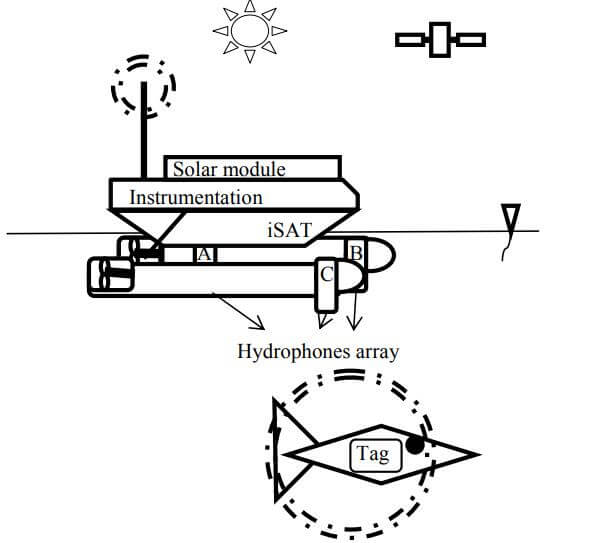
The Integrated Satellite-Acoustic Telemetry (iSAT) system merges underwater acoustic telemetry with satellite tracking to monitor marine species’ movements in real time. Unlike traditional tracking methods, which either sacrifice precision or global coverage, iSAT offers both.
Why It’s a Game-Changer
iSAT data is giving us a clearer picture of marine life and how to protect it more effectively:
- Smarter Conservation Planning – By tracking migration patterns and key habitats, iSAT as one of the marine conservation technologies helps policymakers create better marine protected areas (MPAs) that truly safeguard wildlife.
- Better Fisheries Management – Knowing where species are moving allows authorities to set smarter fishing regulations, cutting down on accidental bycatch and overfishing.
- Understanding Climate Change – As ocean conditions shift, iSAT data helps scientists predict how marine species will adapt, giving us a chance to prepare for future ecological changes.
How It Works
iSAT-equipped autonomous vessels use an array of hydrophones to detect signals from electronic tags attached to marine species. These signals are then transmitted via multiple telecommunication networks, ensuring robust, uninterrupted data collection. The system also integrates environmental sensors, providing critical data on water temperature, salinity, and ocean currents alongside species movement patterns.
For example, iSAT has been instrumental in tracking migratory routes and habitat use of endangered species like sea turtles and great white sharks. Researchers using iSAT recently discovered a previously unknown migration corridor for leatherback turtles, allowing conservationists to push for stronger protections in these critical areas.
3. AI-Powered Underwater Listening Tools
Marine species rely on sound to communicate and navigate, but increasing human activity—like shipping and industrial noise pollution—is disrupting their natural acoustic environment. AI-powered underwater listening tools provide a breakthrough solution by automating the analysis of vast underwater soundscapes, helping both marine conservation and ocean law enforcement.
How It Works
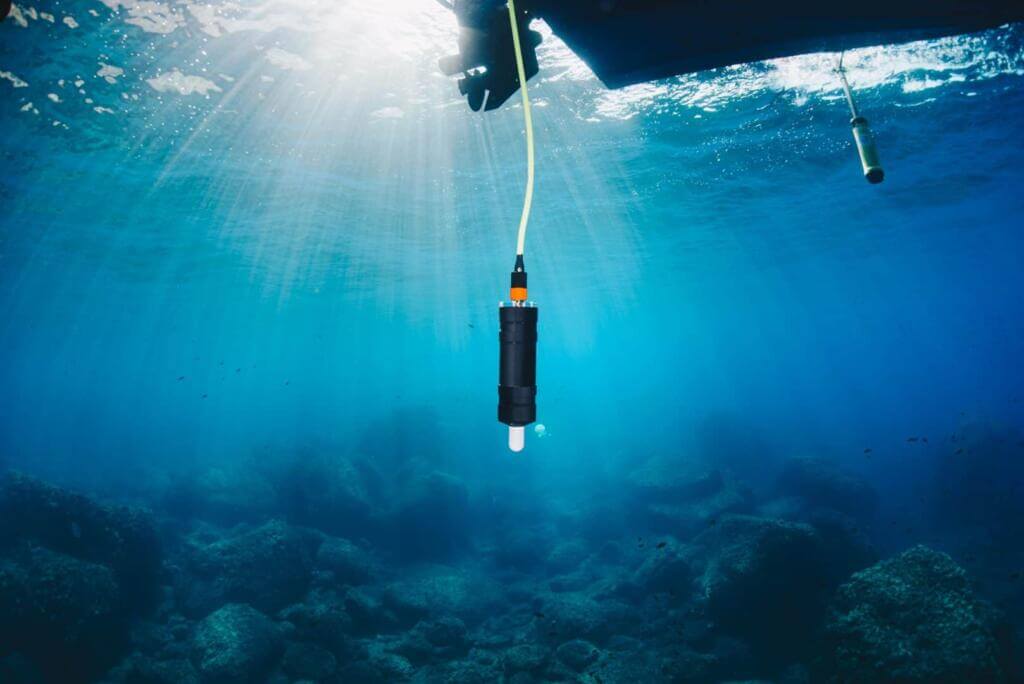
Traditional acoustic monitoring required time-consuming manual analysis. Now, AI systems use machine learning to detect, classify, and interpret marine sounds in real time. These tools are used for two key applications:
- Marine Conservation: AI-powered hydrophones identify whale calls, dolphin clicks, and stress signals from marine life. This helps scientists track populations, monitor ecosystem health, and reduce risks like ship strikes. For example, the Gulf of Mexico, AI-powered hydrophones are helping safeguard the endangered North Atlantic right whale. By detecting their calls, the system alerts nearby ships, reducing the risk of collisions.
- Illegal Activity Detection: In marine reserves, AI listens for the distinct sounds of illegal fishing gear, such as bottom trawlers and dynamite fishing, enabling authorities to respond faster to poaching threats. In marine protected areas, AI listening systems detect unauthorized fishing, helping law enforcement crack down on illegal activities before they cause irreversible harm to ecosystems.
Why It’s a Game-Changer
AI-powered underwater listening tools are:
- Scalable & Efficient – AI can process big data quickly, making large-scale monitoring feasible.
- Real-Time Threat Detection – Immediate alerts allow for quick action to prevent harm to marine species.
- Non-Intrusive Monitoring – Unlike tagging, which requires capturing animals, acoustic monitoring gathers information passively, minimizing stress on wildlife.
4. Drone Technology in Whale Monitoring and Rescue
Drones are transforming the way researchers monitor whale populations and respond to distress situations. Their ability to provide real-time aerial footage allows for non-invasive observation, health assessments, and efficient rescue operations.
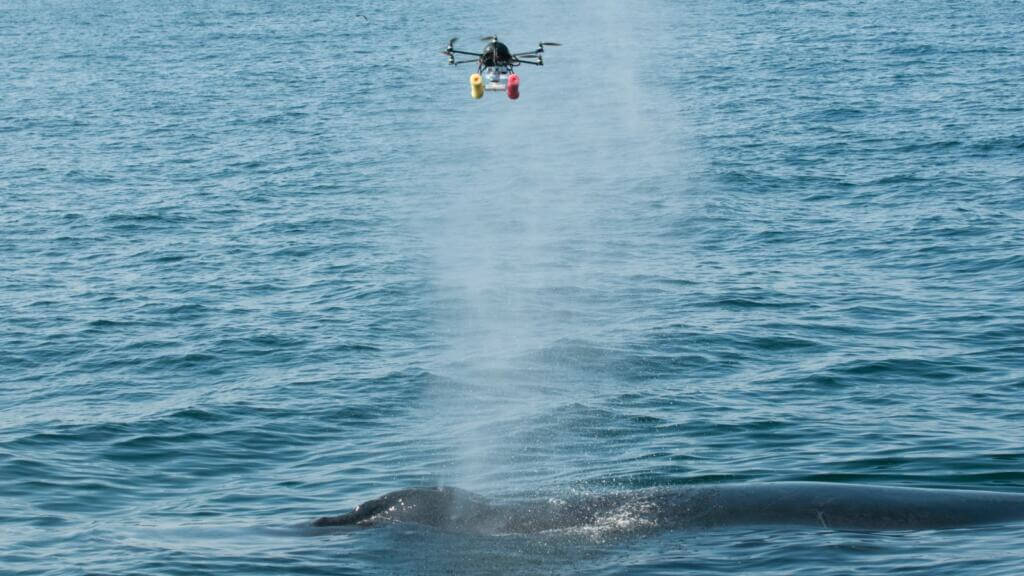
For example, in Canada, drones have significantly improved efforts to save entangled North Atlantic right whales by allowing responders to assess entanglements before deploying rescue teams. And in Hawaii, researchers use drones to collect whale blow (exhaled breath), analyzing it for stress hormones and disease indicators—an innovative, non-invasive health monitoring methods.
How It Works
Equipped with high-resolution cameras and infrared sensors, drones can track whale movements, identify individuals, and assess body condition without disturbing them. In rescue missions, drones provide crucial visuals of entangled whales, helping teams strategize safe intervention methods.
Why It’s a Game-Changer
Drone monitoring systems have proven to be successful because they:
- Minimize Human Disturbance – Traditional boat-based monitoring can stress whales, whereas drones capture footage without disrupting natural behaviors.
- Increase Rescue Success Rates – By providing aerial assessments, drones allow for more precise and efficient rescue operations.
- Reduce Costs & Risks – Compared to boats or helicopters, drones are a more affordable and safer alternative for marine research.
5. Marine Robotics for Ocean Exploration
The use of autonomous underwater vehicles (AUVs) and remotely operated vehicles (ROVs) has revolutionized oceanographic research, allowing for extensive data collection in deep-sea and extreme environments.
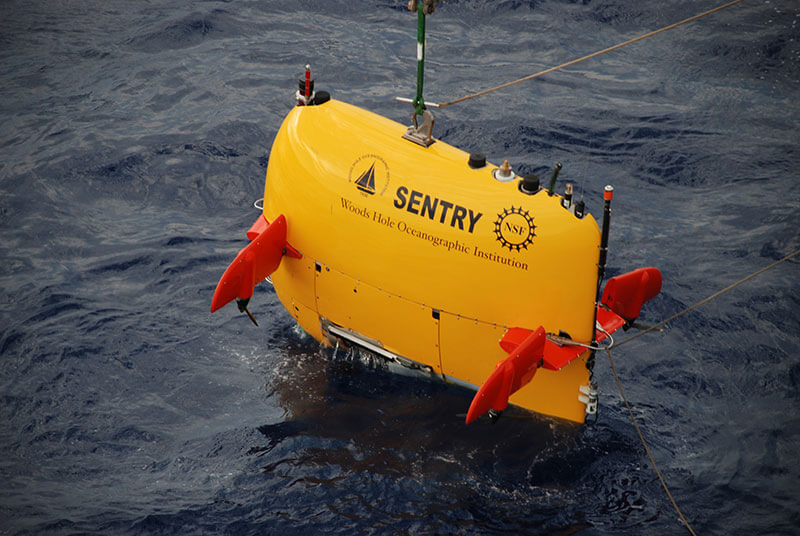
These robotic platforms are equipped with advanced sensors to measure ocean parameters such as temperature, salinity, and biodiversity. Unlike stationary sensors, they can navigate complex underwater landscapes, conduct long-term monitoring, and even support renewable energy projects in offshore environments.
Real-World Applications
- Deep-Sea Exploration: The Woods Hole Oceanographic Institution’s Alvin submersible has played a key role in discovering hydrothermal vents and unique deep-sea ecosystems.
- Coral Reef Monitoring: AUVs deployed in the Great Barrier Reef help track coral bleaching events, providing critical data for reef restoration projects.
- Renewable Energy Support: Marine robots are used to enable the build and maintenance of offshore wind farms, tidal energy turbines, and floating solar panels. They provide real-time structural assessments, monitor environmental impact, and ensure optimal performance, reducing the need for costly human-led dives.
Why It’s a Game-Changer
- Access to Extreme Environments – Robots can explore deep-sea trenches and under-ice ecosystems that are otherwise inaccessible.
- Continuous, High-Resolution Data – Unlike human-led missions, robotic systems can collect data over long periods without interruption.
- Reduced Environmental Impact – These technologies minimize human interference, making research less invasive.
6. Sensor Technology Advancements for Ocean Monitoring
Innovative ocean sensors are transforming how scientists monitor marine environments, providing high-resolution, real-time data essential for conservation efforts. Often deployed on buoys, gliders, and autonomous vehicles, modern sensors can continuously measure ocean conditions such as temperature, acidity, oxygen levels, and pollution levels.
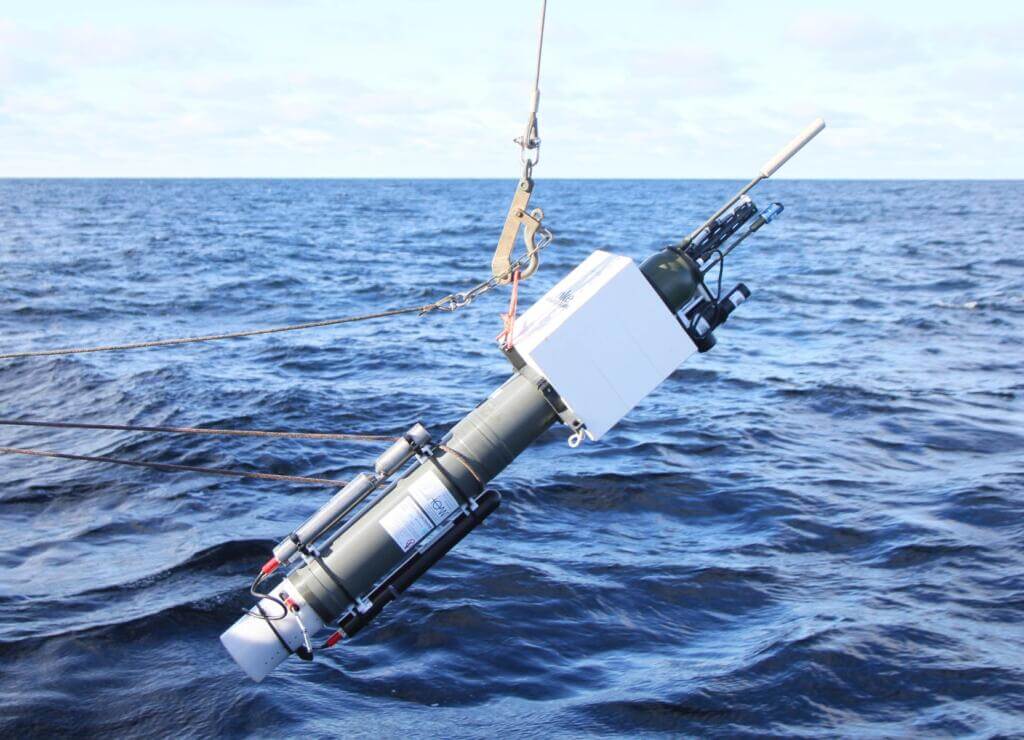
For example, the Argo program, a global network of drifting ocean sensors, has dramatically improved our understanding of ocean circulation and climate change. Also, in California, sensors deployed in kelp forests track temperature fluctuations, helping scientists predict and mitigate the effects of marine heatwaves.
Why It’s a Game-Changer
- Continuous, Real-Time Monitoring – Unlike manual sampling, sensors provide 24/7 data collection.
- Enhanced Climate Change Research – Tracking ocean temperature and acidity informs global climate models.
- Supports Policy & Conservation – Reliable data helps governments and organizations make science-based conservation decisions.
7. Nanotechnology for Cleaning Up Ocean Pollution and Restoring Ecosystems
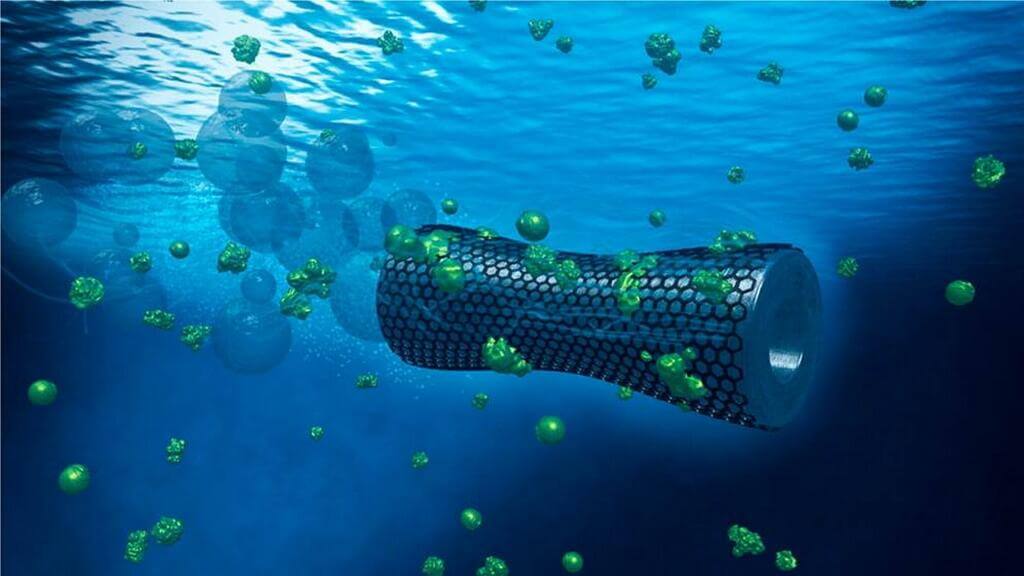
Nanotechnology is revolutionizing ocean cleanup by efficiently removing toxins, strengthening marine infrastructure with sustainable materials, and helping ecosystems adapt to climate change.
How It Works
Nanotechnology operates at the molecular level, enabling the creation of materials with extraordinary properties such as enhanced durability, reactivity, and selectivity. It is being applied in several key areas:
- Water Purification & Desalination: Nanomaterials like graphene oxide membranes improve desalination efficiency. This makes seawater desalination more energy-efficient, providing fresh water to drought-prone coastal communities.
- Pollution Detection & Removal: Nanosensors detect heavy metals and microplastics in seawater, while engineered nanoparticles break down pollutants into harmless substances. For example, researchers are developing nanomaterials that can absorb oil and other pollutants, offering a more efficient and less toxic alternative to traditional dispersants.
- Coral Reef Restoration: Nanoparticles aid in the targeted delivery of nutrients and protective compounds to help corals resist bleaching.
- Marine Coatings & Anti-Fouling Technologies: Nanocoatings on ships and offshore structures prevent biofouling (the buildup of marine organisms), reducing fuel consumption and emissions.
- Self-healing materials: Nanotechnology is being explored for creating materials that can repair themselves, extending the lifespan of marine structures and reducing waste.
Challenges & Risks
While nanotechnology holds immense potential, it also presents some challenges:
- Environmental Risks – The long-term effects of nanoparticles on marine life are not fully understood. Careful research and regulation are required to ensure safety.
- High Costs – Developing and scaling nanotechnology solutions remains expensive, though costs are expected to decrease with further advancements.
- Regulatory Uncertainty – Clear guidelines and safety standards for nanotechnology use in marine environments are still evolving.
8. Renewable Energy Innovations
The push for renewable energy is transforming how we harness ocean resources, reducing the environmental impact of marine industries while promoting sustainable ocean management.
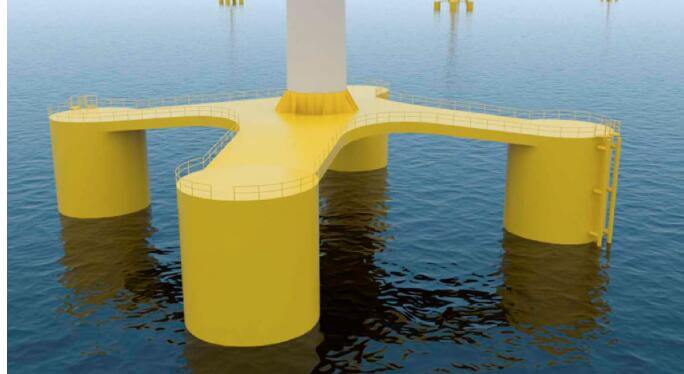
Marine renewable energy captures the power of waves, tides, and offshore wind to generate clean electricity. Innovations in site selection when building offshore wind farms, wildlife-friendly design, and adaptive management ensure these projects minimize ecological disruption while maximizing efficiency.
Why It Matters
- Cutting Carbon Emissions – Ocean-based renewable energy reduces reliance on fossil fuels, lowering greenhouse gas emissions.
- Protecting Marine Ecosystems – Advances in design and planning minimize disruption to marine habitats and wildlife.
- Boosting Sustainable Blue Economies – Offshore renewable projects create jobs and support coastal communities while preserving ocean health.
Real-World Application
Innovative marine conservation technologies are making ocean-based energy more efficient and sustainable:
- GIS-Based Site Selection – Geographic Information Systems (GIS) and AI-driven modeling help identify optimal locations for offshore wind and tidal energy projects with minimal impact on marine habitats.
- Eco-Friendly Offshore Wind Farms – Some offshore wind turbine foundations double as artificial reefs, enhancing marine biodiversity.
- Seabed-Sensitive Cable Laying – New techniques reduce the impact of undersea cables on sensitive marine ecosystems.
- Nature-Inspired Tidal Energy – Designs that mimic natural water channels help generate power while preserving fish populations.
The Future of Ocean Conservation: Innovation, Collaboration, and Action
From AI-driven analytics to nanotechnology-powered pollution control, innovative marine conservation technologies are transforming how we monitor, protect, and restore our oceans. These breakthroughs are enabling faster, more effective solutions to the environmental threats facing marine ecosystems, but technology alone is not enough.
Challenges such as funding barriers, regulatory hurdles, and ethical concerns must be addressed to ensure these innovations reach their full potential. Global collaboration among scientists, governments, industries, and local communities is essential to developing and scaling sustainable ocean technologies.
The future of marine conservation depends not only on technological advancements but also on how we apply them. By investing in research, advocating for responsible policies, and supporting sustainable practices, we can harness these innovations to protect the ocean for generations to come. The time to act is now—because a healthier ocean means a healthier planet for all.
FAQs
How can everyday people benefit from marine conservation technology?
While these innovations primarily support scientists and policymakers, everyday people benefit too. AI-powered seafood tracking apps help consumers choose sustainable fish, drone-assisted monitoring ensures safer beaches, and ocean sensors improve climate forecasting, helping communities prepare for extreme weather.
Are there any risks associated with AI and robotics in ocean conservation?
Yes. AI models can sometimes produce inaccurate predictions due to limited data, and underwater robots may unintentionally disturb marine life. Ethical concerns also arise when AI is used in ocean surveillance, such as balancing conservation efforts with privacy rights in fisheries.
How expensive are these technologies, and who funds them?
Costs vary widely—some, like AI-driven data analysis, are relatively low-cost once established, while deep-sea robotics and nanotechnology research require significant investment. Funding comes from a mix of government grants, private sector innovation, conservation organizations, and philanthropic contributions.
What is the future of marine conservation technology?
Future developments include bio-inspired robotics that mimic marine species for less invasive monitoring, AI-powered ocean farms for sustainable seafood production, and self-healing materials that can repair underwater infrastructure, reducing waste and maintenance costs.


