
Coral reefs are one of the most attractive underwater biosystems that exist on earth and sustain immense life. Amazingly, these ecosystems are made possible by countless little creatures named coral polyps. Such wonderlands below water levels are some of the most captivating and vital ecosystems on earth.
However, coral reefs are not merely dead forms of life with many years of growth behind them but rather living communities and evidence of a time when even sea shells were rare.
1. Corals Are Animals, Not Plants
Despite the way they look, corals are not plants but marine animals. They belong to the class Anthozoa and phylum Cnidaria. They are close relatives of jellyfish and sea anemones.
But unlike most Cnidarians, they are a sessile organism, meaning that they literally stay in one location; they do not move.

Like any animal, they have a body that consists of one centrally located mouth encompassed and surrounded by many tentacles covered in specialized cells known as cnidocytes. These specialized cells are adaptations for feeding and defense.
Explore our in-depth article on ‘What are corals?‘ for an in-depth understanding of these amazing creatures.
2. Corals Live in Colonies of Tiny Polyps
Corals are made up of multiple tiny animals known as Polyps. The cup-like skeleton deposited by an individual polyp is called a corallite. These polyps form coral colonies and are characterized by a sac-like or cylindrical body with a mouth and tentacles attached to it.
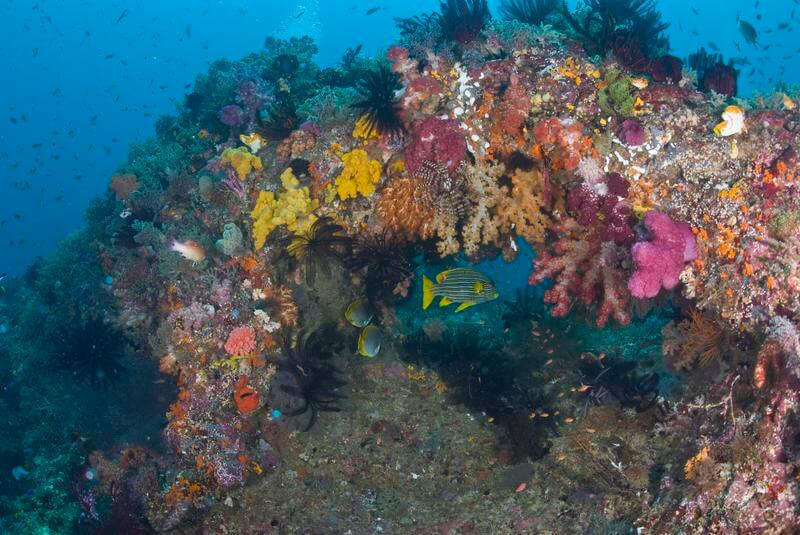
These polyps secrete calcium carbonate to form their skeletons. Together, these make up the highly sophisticated and elaborate systems known as coral reefs. This skeleton protects the soft and delicate body of the polyp.
What’s more, corals can appear as soft corals, and lack a hard, calcium carbonate skeleton too.
3. The Great Barrier Reef Is The Largest Globally
One example of a coral reef is the Great Barrier Reef. This is, in fact, the largest coral reef in the world. It is also recognized as the largest living structure on earth with a total length of more than 2,300 kilometers or 1,430 miles along northeast shores in Australia.
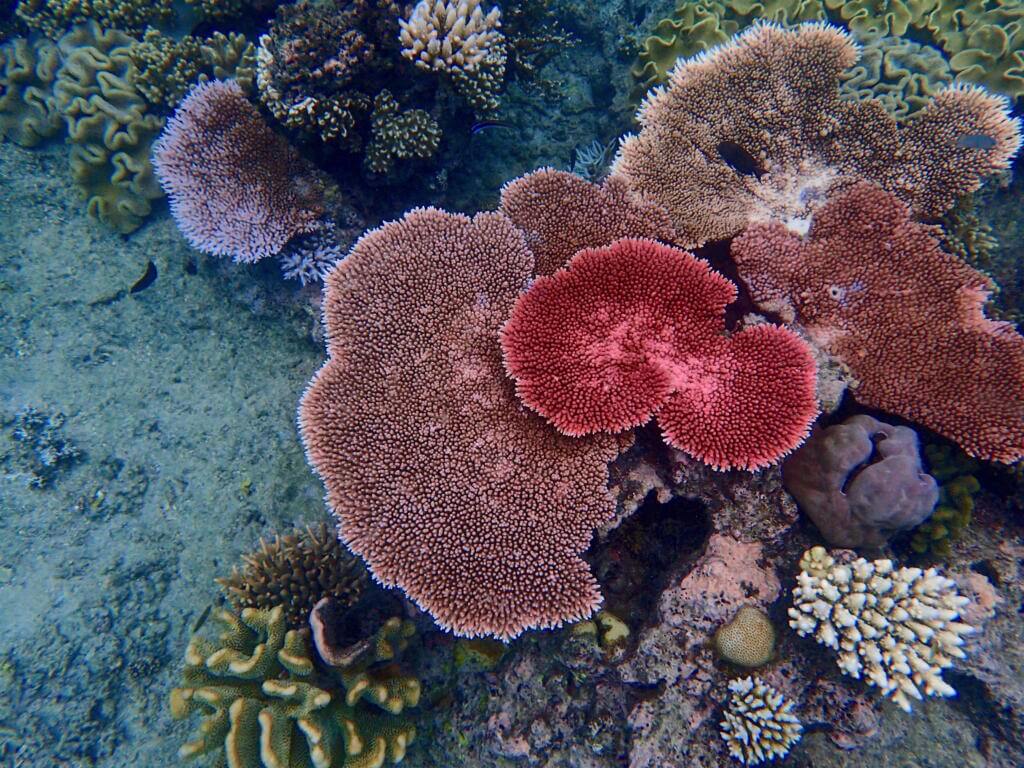
This reef is home to innumerable individual reefs and islands that combine to form one enormous reef system. It is also home to over 1,500 species of fish and a wide diversity of marine life. This positions it as one of the seven wonders of the world and thus attracts scores of tourists.
4. Corals Have Both Sexual And Asexual Reproduction
Corals reproduce through sexual as well as asexual means. First, corals spawn and discharge their eggs and sperm in the water and mingle with each other to produce larvae.
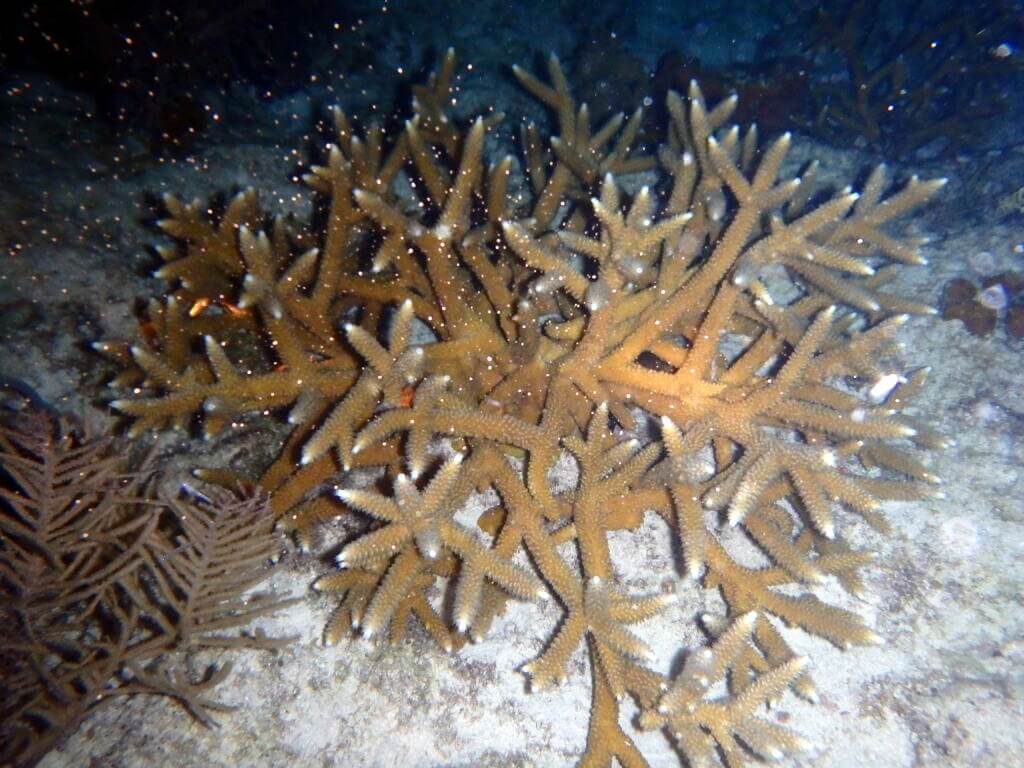
The larvae are buoyant, thus floating in the ocean until they reach favorable environments for colony settlements, where they metamorphose into new colonies. Asexual reproduction, on the other hand, involves budding or fragmentation. Through this means, new polyps develop or bud off from the existing ones. The result is the formation of new colonies.
5. Coral Reefs Are Vital For Sea Turtles
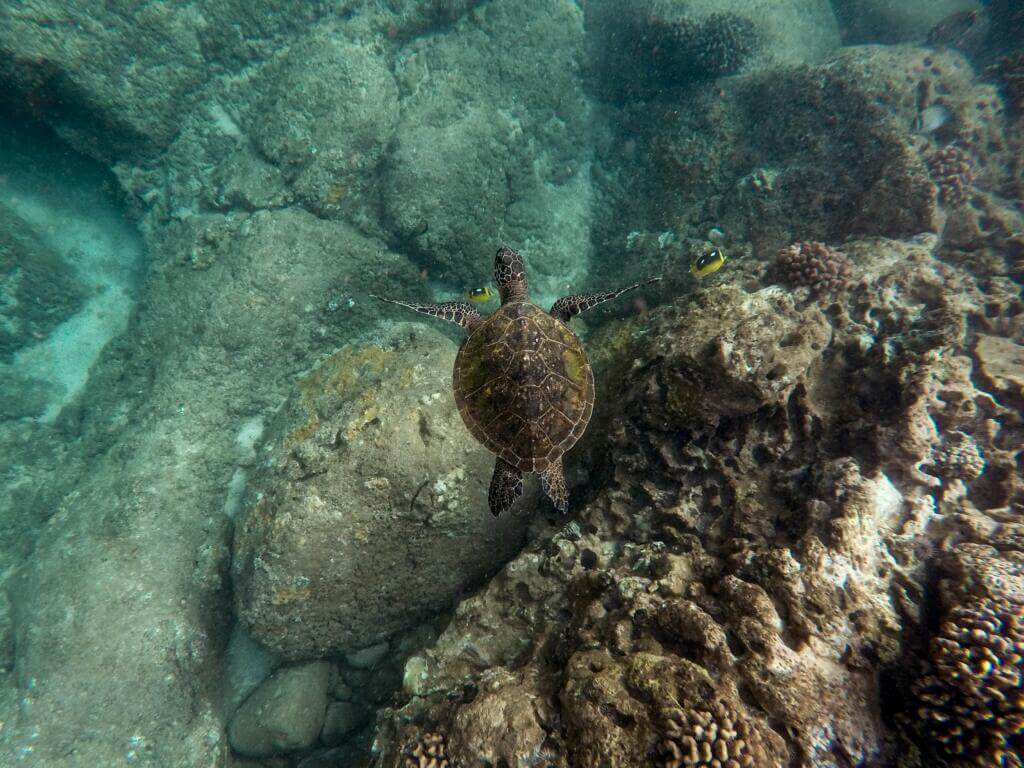
The survival of sea turtles such as green turtles and hawksbill turtles has been discovered to rely on coral reefs. These coral reefs serve as food sources for these turtles, where they can quickly locate their preferred sponges and invertebrates.
Corals also provide some form of shelter to young sea turtles, thus protecting them from predators and strong currents till they attain adulthood.
6. Corals Can Withstand Strong Water Currents
The coral reefs are specially developed to thrive in dynamic and sometimes stormy marine life conditions. Thanks to their colonies gathered closely together and calcium carbonate skeletons, they can resist strong water currents and wave action.
In general, some corals can endure currents of up to 1-2 meters per second (around 2-4.5 miles per hour), which is considered strong for marine ecosystems. During storm events like hurricanes, corals may face even stronger forces, but while some coral colonies can resist damage, others may experience breakage or bleaching from extreme turbulence.
7. Corals Thrive In Shallow, Sunlit Waters
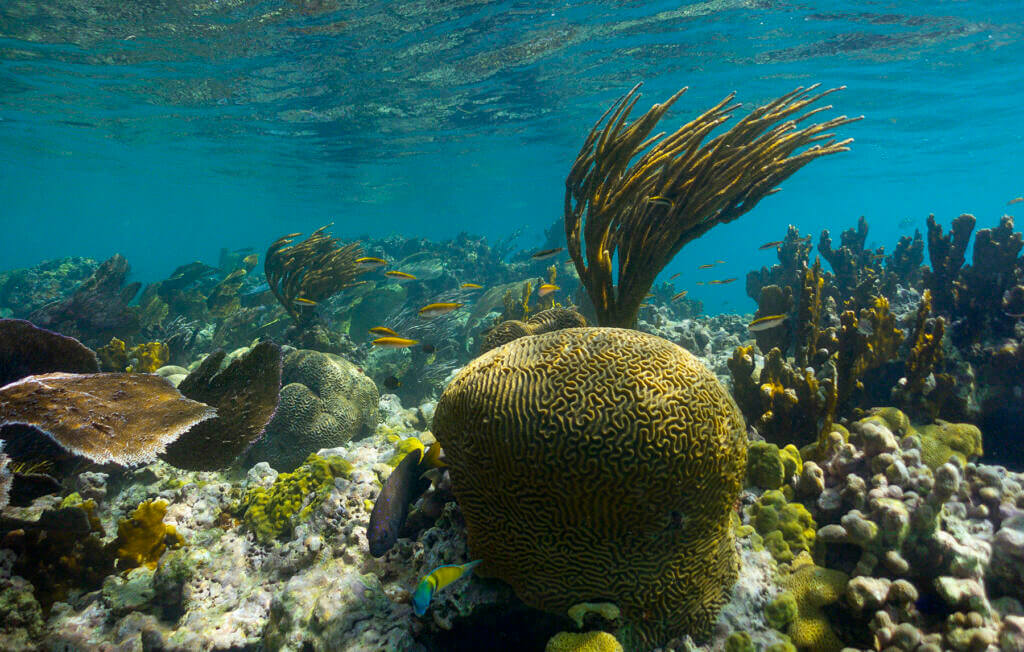
A coral reef is commonly found in sun-drenched, shallow water that does not usually lie deeper than about 150 feet, i.e., roughly 46 meters. This is usually because polyps of reef-building corals are made of microscopic algae called zooxanthellae, existing in a symbiotic relationship.
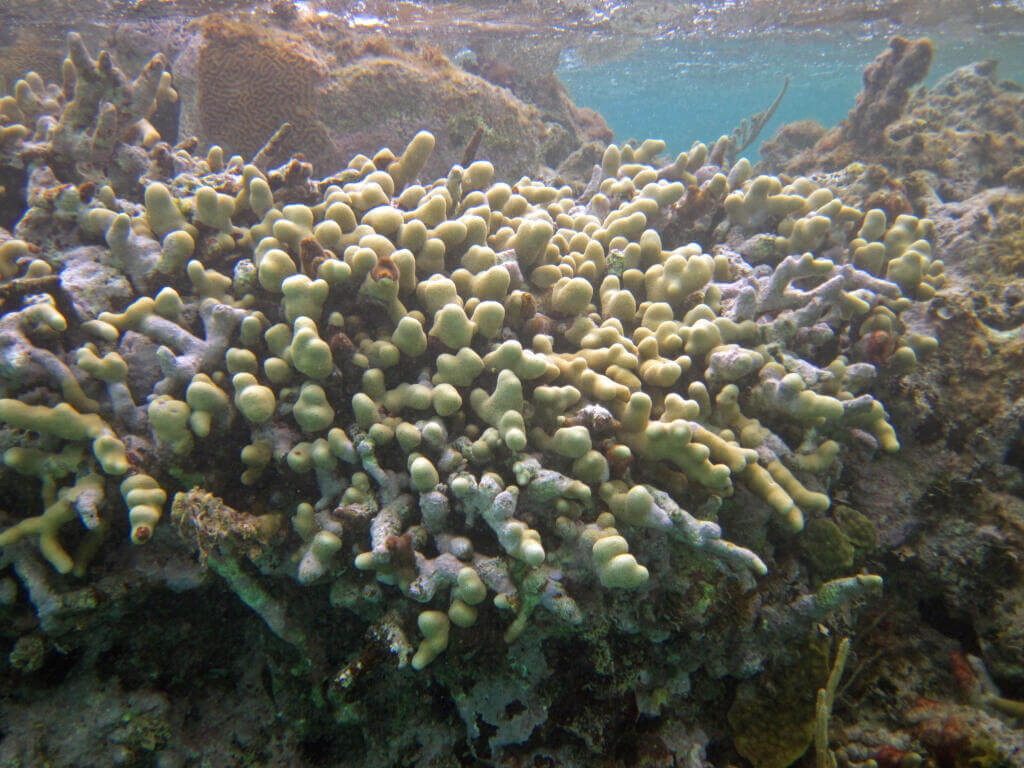
This means that as the corals provide shelter to these algae and supply them with necessary nutrients and food particles. As a plant, zooxanthellae require sunlight for photosynthesis. In shallow depths, sunlight can reach these zooxanthella algae.
8. Coral Reefs Are Considered The “Rainforests Of The Sea”
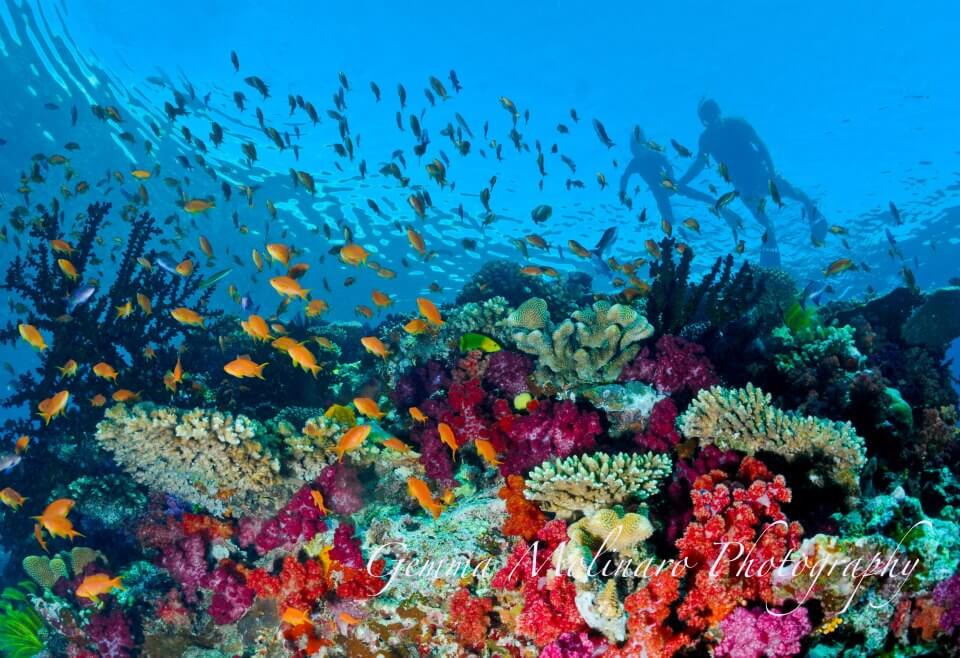
Coral reefs provide a significant ecosystem for marine life, and because of this, they are commonly described as “rain forests of the sea.” Coral reefs act just like the terrestrial rainforest and play a role in keeping the planet healthy and in balance.
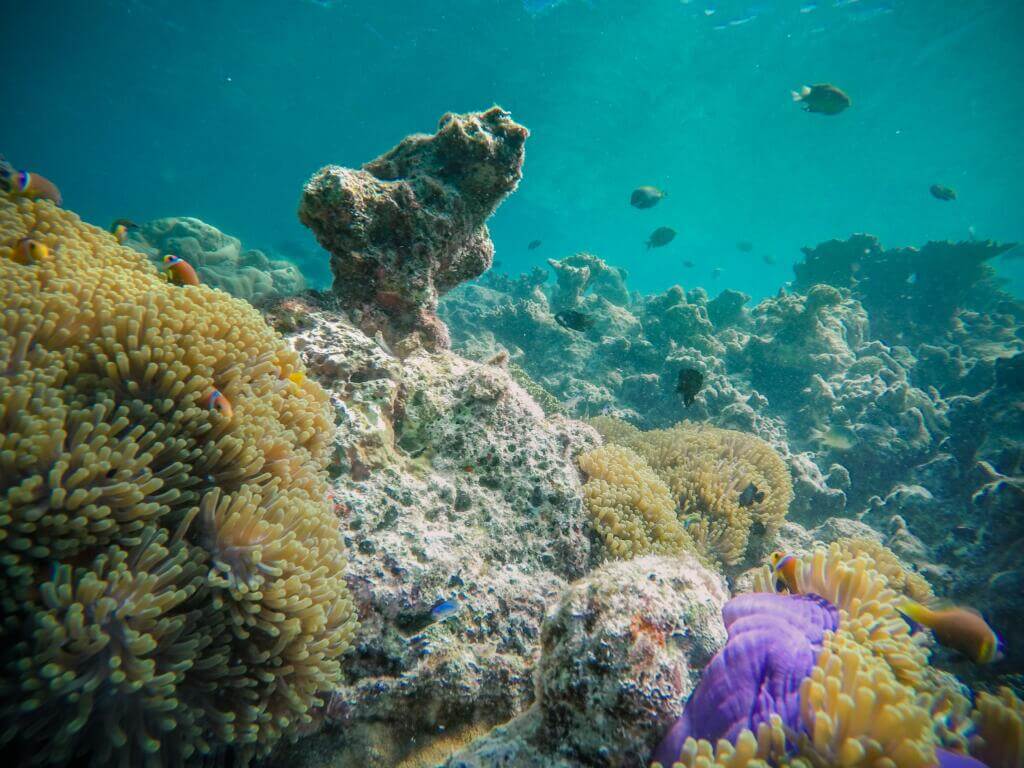
What tropical rainforests are to the earth, coral reefs are to the oceans and seas, housing a significant proportion of all the Earth’s species of plants and animals. Coral reefs, on the other hand, accommodate thousands of marine life, ranging from the tiniest fishes in various colors to the most giant sharks and even whales.
9. 75% of All Coral Has Experienced Bleaching
One of the significant threats faced by coral reefs is coral bleaching. Excessive heat can be damaging. Corals and algae share a symbiotic relationship, but when ocean temperatures rise too high, corals expel their algae, leading to a whitening effect known as bleaching. In a bid to survive the rising ocean temperatures, some corals have been observed emitting vibrant colors, a phenomenon that has inspired the global Glowing campaign.
It is estimated that approximately 75% of the world’s coral reefs have experienced bleaching to some degree. This includes both minor and severe bleaching events, largely due to rising sea temperatures, ocean acidification, and other environmental stressors like pollution and overfishing.
Bleaching is caused by various stressors, including climate change. These stressors cause coral polyps to expel the colorful zooxanthellae (which is their primary food source) from their tissue.
Bleaching also makes corals fragile and prone to disease, hence more susceptible to death.
Currently, there are concerns that the Great Barrier Reef may indeed be affected and threatened by coral bleaching, causing it to die. Up to 50% of Great Barrier Reef corals are said to be dying or undergoing due to recent heatwaves.
10. Some Corals Can Live For Centuries
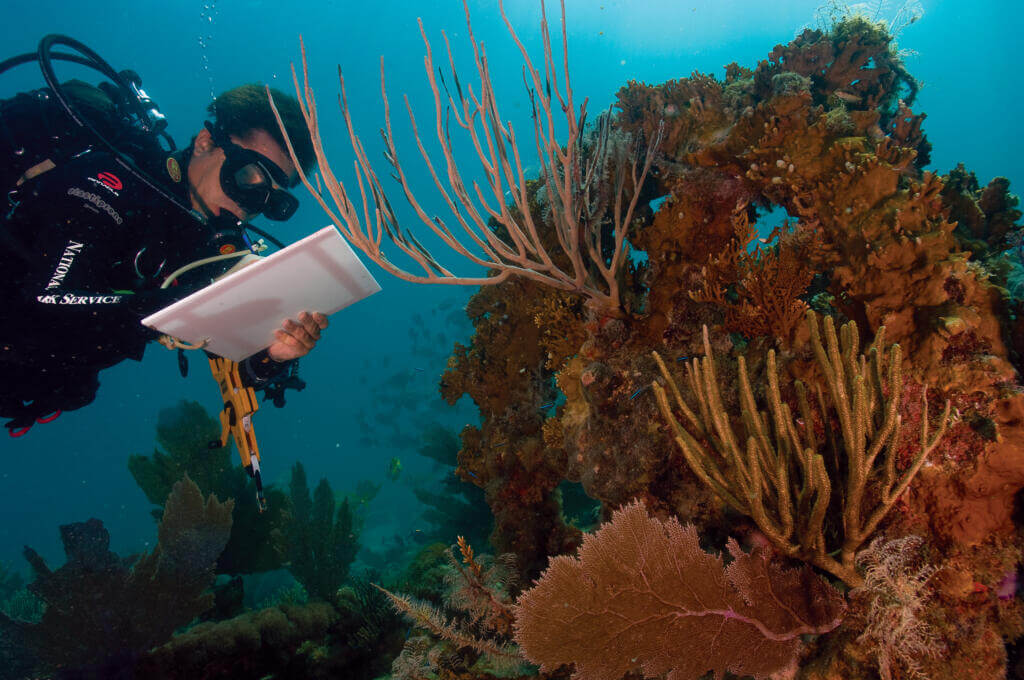
Compared to many other organisms, coral reefs have an incredible lifespan. Colonies of corals can live for several centuries, no matter how challenged the environment is.
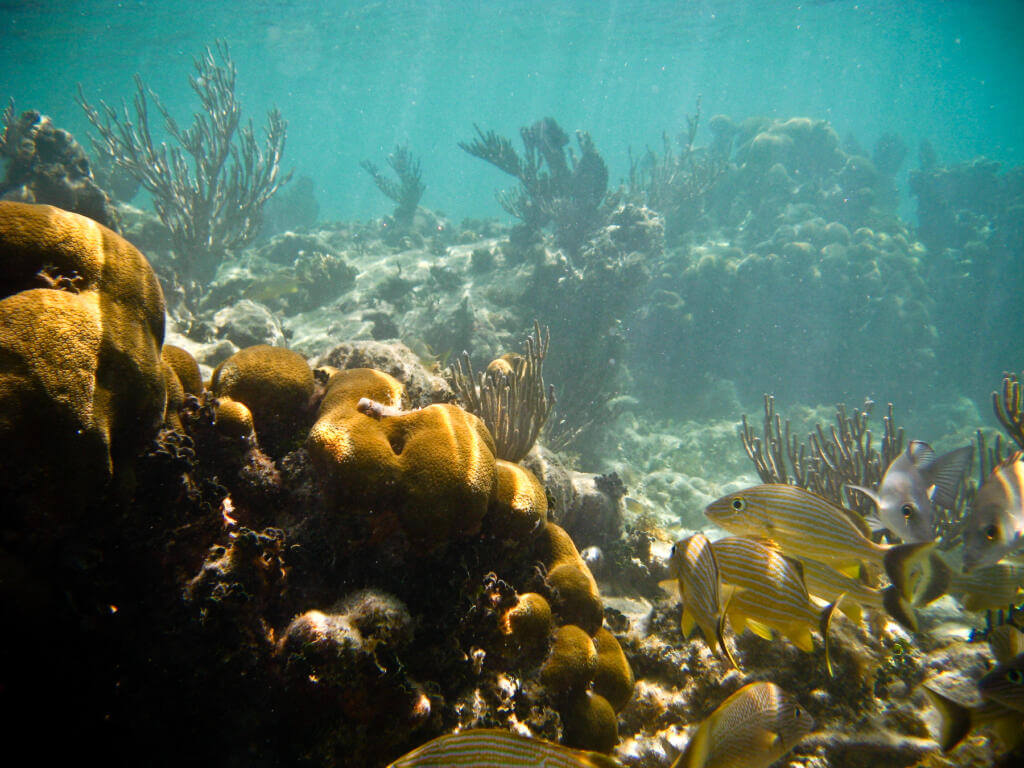
For instance, some corals have lived for 5,000 years or more. One reason for this is that corals grow slowly, so it takes them a long time to become a big colony.
11. Coral Reefs Support 25% Of Marine Life
As we mentioned earlier, coral reefs are the rainforests of the sea. This makes them an essential hub for marine biodiversity. They cover approximately 0.1% of the ocean’s space but shelter about 25% of all known marine organisms.
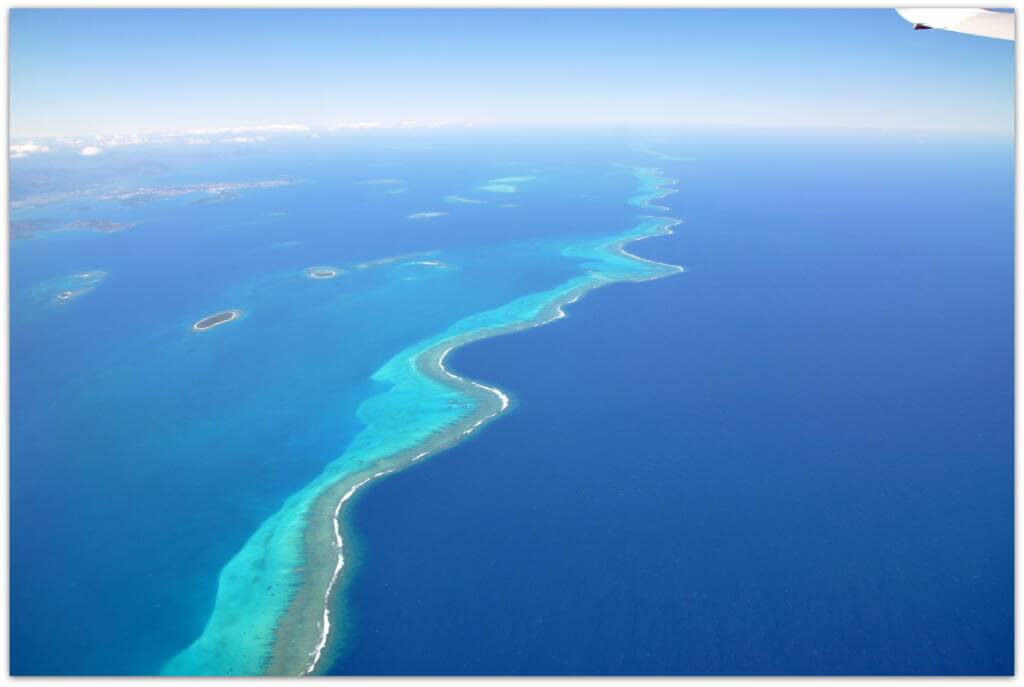
The food chain, ranging from tiny plankton to large predators, depends on them for shelter, food, and reproduction. Coral reefs are ultimately an essential part of the health and stability of marine ecosystems.
Seabird droppings enrich the water with nutrients, fostering the growth of algae that strengthens coral skeletons. Sponges filter organic matter, keeping waters clear, while giant triton snails control the destructive Crown of Thorns starfish. Giant clams filter water and provide shelter for smaller marine life, aiding reef-building, and parrotfish maintain coral health by eating algae and producing sand.
12. Corals Protect Coastlines from Storms and Erosion
Coral reefs act as natural barriers, protecting shorelines from waves, storms, and floods, thus preventing loss of life, property damage, and erosion. When reefs are damaged or destroyed, coastal communities become more vulnerable to these forces.
Millions of people live in U.S. coastal areas near coral reefs, where development supports both residents and the growing tourism industry. However, activities like marina construction, dredging, and polluted runoff can harm coral reefs. Protecting these vital ecosystems requires sustainable coastal development practices.
13. Corals Contribute $375 Billion/Year To The Global Economy
Healthy coral reefs are crucial for supporting fisheries, tourism, and recreation, providing jobs and generating billions in revenue. They contribute over $100 million annually to U.S. fisheries, with local economies benefiting from diving tours, fishing trips, and businesses near reef ecosystems.
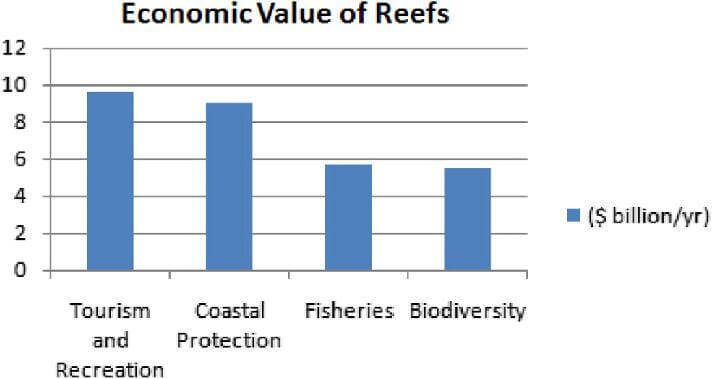
However, pollution, disease, and habitat destruction threaten these valuable ecosystems, diminishing their ability to sustain marine life and attract tourists.
Human Activities Damage Coral Reefs
Corals are major attractions for diving, snorkeling, fishing, and other recreational activities, drawing visitors from around the world. These vibrant ecosystems not only offer unforgettable experiences but also play a critical role in supporting local economies. Tourism centered around coral reefs generates billions of dollars annually, fueling businesses such as diving tours, recreational fishing trips, hotels, and restaurants.
The economic impact of coral reefs extends far beyond their immediate surroundings, creating jobs and sustaining livelihoods in communities that rely on the health and beauty of these underwater marvels.
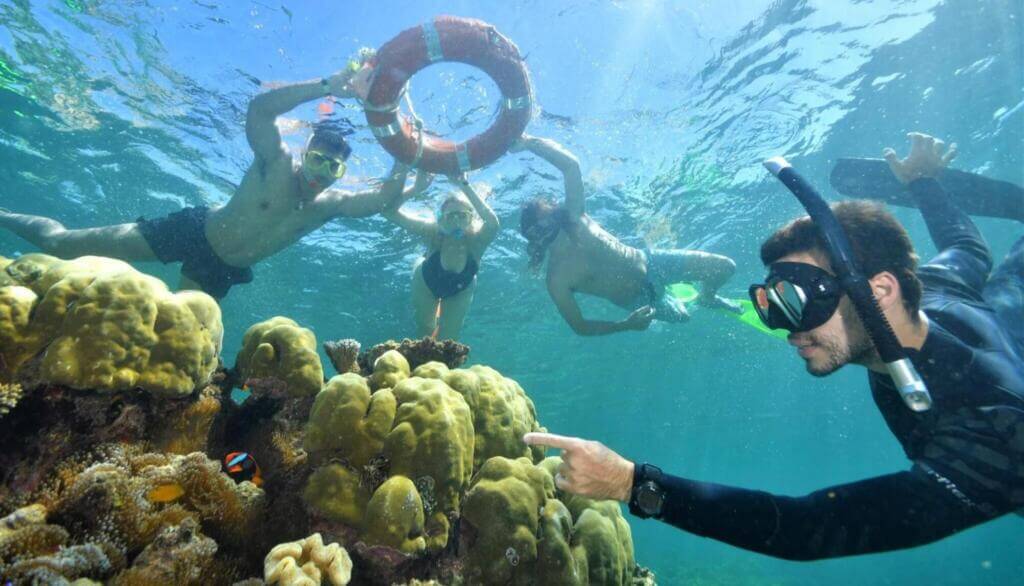
However, human activities are causing significant damage to coral reefs, with an estimated 30% expected to be destroyed or severely degraded within the next decade.
Local activities such as ship groundings, improperly placed anchorages, destructive fishing practices like dynamiting or cyanide poisoning, and overfishing disrupt the delicate balance of these ecosystems. Pollution and sediment runoff from land add further stress, while activities far from the reefs, including those contributing to warming and pollution, also threaten coral sustainability. As corals become stressed, they become more vulnerable to diseases such as black, white, and yellow band infections.
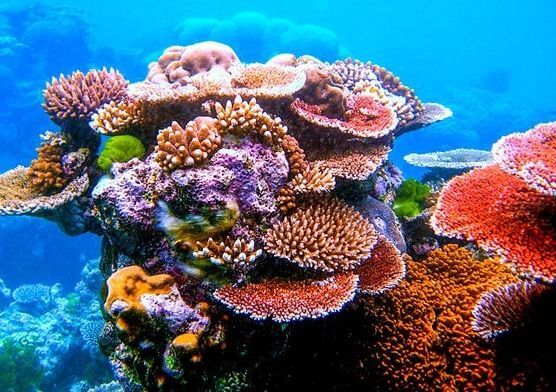
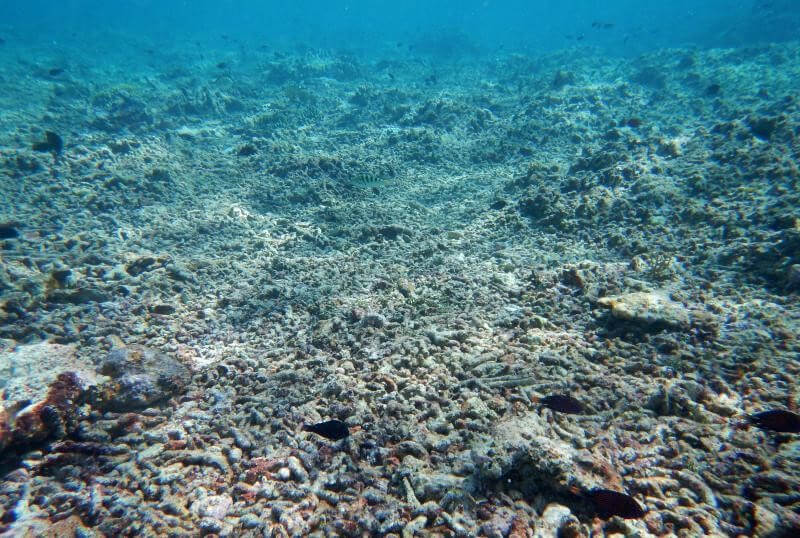
Understanding the impact of these human activities and the role of natural processes is crucial to safeguarding coral reef health.
How to Protect Coral Reefs
- Practice responsible snorkeling and scuba diving. Avoid touching or stepping on corals and keep a safe distance from marine life.
- Choose reef-friendly sunscreen. Opt for mineral-based sunscreens that are free of chemicals harmful to corals, helping to prevent coral bleaching.
- Reduce pollution and waste. Minimize pollutants entering the marine environment by managing waste responsibly.
- Support sustainable seafood practices. Choose sustainably sourced seafood to reduce the demand for harmful fishing practices.
- Contribute to reef restoration. Volunteer or donate to organizations dedicated to restoring damaged reefs and promoting conservation like Reef Restoration Foundation.
- Respect marine protected areas. Follow regulations when visiting sites like Sisters’ Islands Marine Park to help preserve these vital ecosystems.
Ocean Insights: Hear From Our Experts

By Rida Nasir
Researcher and Conservationist, with an MSc in Environmental Science
As someone who has studied environmental sciences extensively, I can confidently say that the facts about coral reefs are both fascinating and critical to our understanding of marine ecosystems. Coral reefs are often referred to as the "rainforests of the sea" for a good reason—they support an astonishing variety of marine life, contributing to the overall health of our oceans. The fact that they protect coastlines from erosion and storm damage further highlights their importance. However, what strikes me the most is how delicate these ecosystems are, especially in the face of human activities and climate change. It's a stark reminder that we need to act swiftly and responsibly to preserve these natural wonders for future generations.
FAQs
How long do coral reefs live?
Coral reefs can live for thousands of years, but their lifespan varies due to environmental factors and human impacts.
Can humans touch coral?
No, humans are advised not to touch corals as this can cause coral stress and bleaching.
Why are coral reefs important?
Coral reefs are important because they support diverse marine life, protect coastlines from erosion, and contribute to the tourism and fishing industries.
How old is the oldest coral fossil?
The oldest known coral fossils date back to the Cambrian period, over 450 million years ago.


