

When it comes to wonders of the ocean there aren’t many habitats and structures that bring with it the jaw-dropping awe that the Great Barrier Reef brings.
Housing some of the largest biodiversity of life on the planet, the GBR is one of Australia’s proudest features, but to the world, it is so much more.
From scientific and medical research to recreational activities and luxurious holiday destinations, the Great Barrier Reef has countless gems to offer.
Let’s explore this magnificent reef together and learn about some of its most interesting facts.
Physical Features
1. Location
The Great Barrier Reef is located in the Pacific Ocean. More specifically, it can be found in the coral sea off the northeastern coast of Queensland, Australia.
The reef is separated from the coast by a channel of ocean, as wide as 100 miles in some places and over 200 ft deep.
2. Coral Triangle
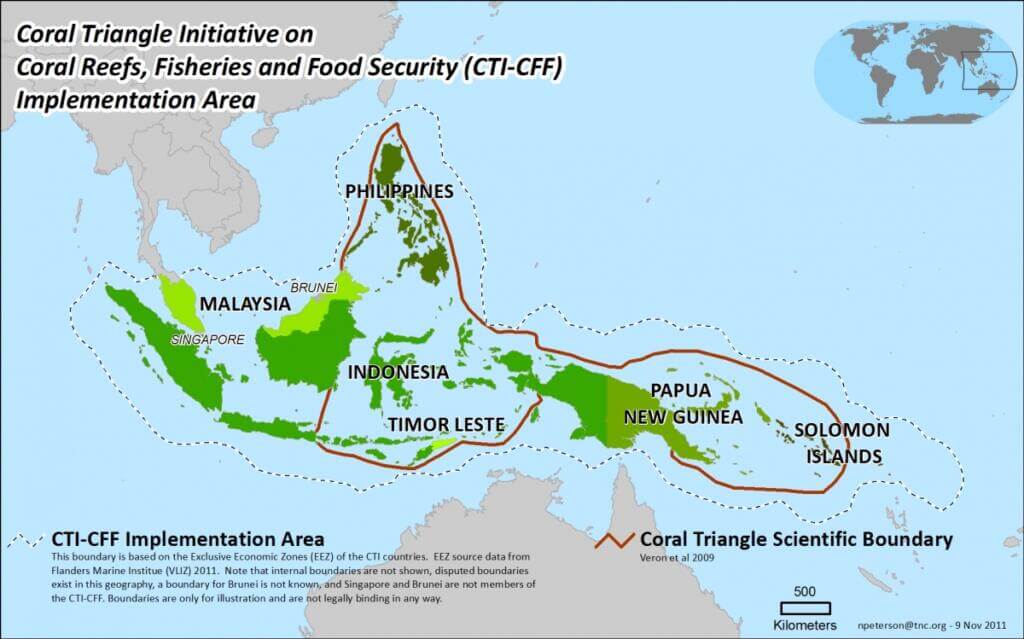
The Great Barrier Reef forms part of the coral triangle, the richest known biodiverse marine hotspot, covering areas across six different countries.
3. The World’s Largest Coral Reef System
The Great Barrier Reef is the largest coral reef system on Earth. This magnificent structure comprises 2,900 individual reefs, 900 individual islands, 160 inshore mangrove islands, and approximately 300 coral cays.
4. The Largest Living Organism
Not only is the Great Barrier Reef the largest coral reef system, but it’s also the largest structure on earth made up of living organisms.
The Great Barrier Reef ecosystem is a true wonder, spanning over 1,400 miles (2,300 kilometers) and covering an area of approximately 133,000 square miles (344,400 square kilometers).
5. Noticeable From Space
To further express the sheer size of this living ocean organism, the reef system is so large that it can be viewed from space.
6. A Relatively Young Reef
Although the Great Barrier Reef is the largest reef on the planet, it is still relatively young, dating back less than 1 million years.
The Great Barrier Reef was estimated to have been first established approximately 600,000 years ago; however, the modern areas of the reef system, which came about after the last ice age, are estimated to be less than 8,000 years old.
Although this may seem like a long time, compared to the Chazy Reef, the oldest living reef on the planet, dating back approximately 480 million years, it’s clear how young the Great Barrier is.
Ecology
Did you know that the Great Barrier Reef is one of the 7 natural wonders of the world?
7. Coral Polyp Building Blocks
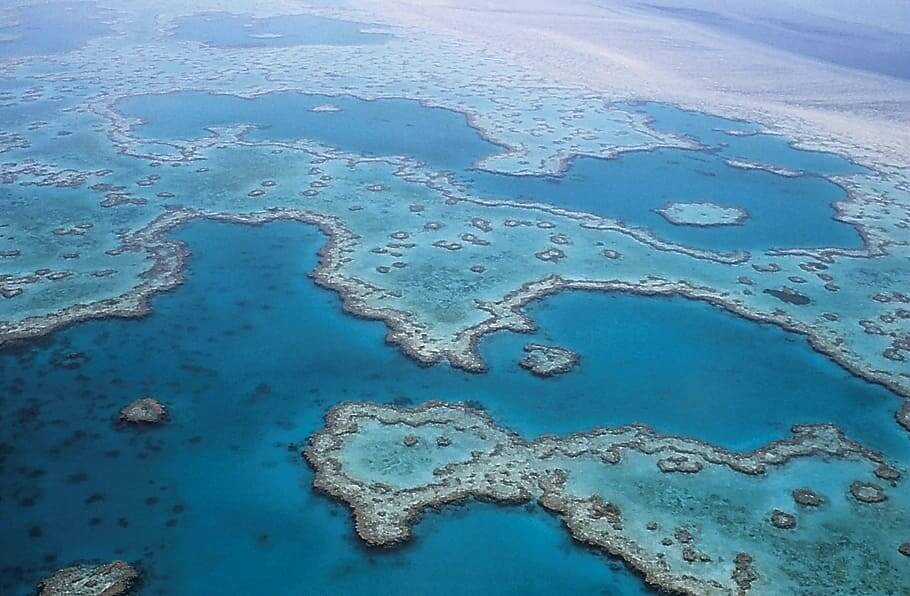
The Great Barrier Reef is primarily built by reef-building coral. These corals deposit calcium carbonate skeletons that become the building blocks of the reef.
8. A Biodiverse Hotspot
Coral reefs are well known to house some of the most diverse life on the planet, and with the GBR being the biggest reef and holding 10% of the ocean reef systems, there is no surprise that this organic structure is home to:
- 1,625 fish species
- Over 600 types of hard and soft corals
- 330 species of ascidians
- 215 species of sea birds
- 30 species of whales, dolphins, and porpoises
- 14 species of sea snakes
- 6 of the 7 species of sea turtles
Just to name a few.
Furthermore, the reef system comprises of approximately 6000 square kilometers of seagrass beds and 54% of the world’s mangrove diversity.
9. Endangered Species Haven
Among the 2,270 endangered marine species of our oceans, a large variety of them can be found on or around the GBR, where they fight for the survival of their species.
Among these include 22 species of hard or soft coral, sea turtles, dugongs, crocodiles, whales, and a variety of amphibians.
10. Warm Waters
As with most coral species and their symbiotic zooxanthellae, corals that are found on the GBR thrive in warm water and do not deal with cooler (or hotter) temperatures well.
The waters of the Great Barrier Reef range from 75°F(24°C) in the winter to a high of 86°F (30°C) in the summer.
This makes exploring its wonders a luxurious and marveling experience.
11. The Great Eight
The Great Eight is the main attraction of the Great Barrier Reef and the first must-see on most visitors lists.
Although the reef is home to thousands of species, your trip is not yet complete until you have seen:

Credit: gjhamley
- Whales
- Manta Rays
- Clownfish
- Turtles
- Potato Cod
- Giant Clams
- Maori Wrasse
- Sharks
12. Endemic Species
The Great Barrier is not only home to thousands of marine species, but many of these are endemic to the Great Barrier habitat.
Some of these include:
- Acropora tenuis (a species of hard coral)
- Ornate Wobbegong Shark
True Percula Clownfish - Great Barrier Reef Butterflyfish
- Gardiner’s Tree Frog
Conservation and Threats
13. Coral Bleaching
Coral bleaching is a major concern and stands to be the most significant threat to the Great Barrier Reef.
Mass bleaching episodes such as the one of 2001 – 2002 which impacted 54% of the reef’s coral can lead to mass fatalities of these extremely slow-growing organisms.
That said, the reef is further threatened by irresponsible tourism practices, pollution, and habitat destruction.
14. Crown-of-Thorns Starfish
Although they are a native species, Crown-of-thorn starfish can wipe out large areas of coral reef at a time, eating up to 10 square meters a year.
Although this doesn’t seem like much, most corals grow slowly, at only 0.3 – 2cm a year, which means a single starfish can undo decades of growth in a single season.
When outbreaks occur, these starfish can strip the reef of up to 90% of its living material, making it one of the leading threats to the health of the Great Barrier Reef.
15. Marine Park
The Great Barrier Reef Marine Park Authority was established in 1975 and holds the responsibility for managing the Great Barrier region.
By correctly managing the area resources, ensuring sustainable tourism practices, and conducting global and local conservation projects, the GBRMPA aims to preserve this world wonder.

Credit: eutrophication&hypoxia
16. UNESCO Site
Being one of the richest and most complex biodiverse habitats in the world, and considering its looming threats, the Great Barrier Reef became a UNESCO site in 1981. Not only is the GBR a UNESCO site, but it is also the only place where two UNESCO sites meet each other.
At the headland of Cape Tribulation, you can find the Great Barrier Reef meets the Wet Tropics Rainforest.
FAQs
What is the economic significance of the Great Barrier Reef for Australia?
The Great Barrier Reef is not only a natural wonder but also a major economic asset for Australia. It contributes significantly to tourism and the local food supply, supporting jobs and local economies along the coast.
How does the Great Barrier Reef protect coastal areas from storm damage?
Acting as a natural barrier, the GBR reduces the impact of storm surges and erosion, protecting the coastline from the full force of the waves.
Are there any unique geological features associated with the Great Barrier Reef?
The Great Barrier Reef has unique geological features known as “bommies.” Bommies are large, isolated coral formations that rise from the sea floor, providing unique habitats for a variety of marine organisms.
How do indigenous communities in Australia relate to the Great Barrier Reef?
Indigenous communities, such as the Aboriginal and Torres Strait Islander peoples, have a deep understanding of the ecology of the reef and, more importantly, a cultural and spiritual connection that ties these people to the ocean.


