

Forming part of the coral triangle and covering an area of approximately 134,633 square miles (348 700 km²), the potential for legendary Great Barrier Ref SCUBA diving adventures is remarkably high.
Boasting top-to-bottom visibility, warm waters, and over 9,000 animal species accompanied by approximately 600 species of coral, the Great Barrier Reef is a SCUBA diving location like none other.
As a marine enthusiast, you will find the Great Barrier Reef to be a true SCUBA diving gold mine.
A Brief Overview of the Great Barrier Reef
Located on the coast of Queensland, Australia, the Great Barrier Reef, also referred to as the GBR is the largest coral reef system in the world.
It stretches over 1,429 miles and comprises over 2,900 individual reef systems, as well as 900 individual islands, mangrove islands, and coral clays.
Ocean tourism is a hot topic in this area, with thousands of adventure seekers making their way to the GBR each year to explore the wonders of its underwater world, or adventure through the wildlife of its many islands.
Being one of the richest and most complex biodiverse habitats in the world, the Great Barrier Reef became a UNESCO site in 1981 and has since been protected by the Great Barrier Reef Foundation.
To find out more about the amazing GBR, read our article on the “16 Fascinating Great Barrier Reef Facts You Should Know.“
Top 5 Dive Sites on the Great Barrier Reef
According to PADI (Professional Association of Diving Instructors), the Great Barrier Reef currently has 145 dive sites, of which 95 are reef dives.

The barrier reef is also host to over 50 ocean dives, a variety of wall dives, and likely a selection of unlisted dive sites that are yet to be discovered or kept secret by those who choose to enjoy them without the crowds.
That said, if you are new to exploring the region, you need to start somewhere.
The dive sites listed below are great places to start and will provide you with a variety of marine life, topography, and water conditions.
1. Cod Hole
Cod Hole is one of, if not the most famous dive spot on the planet.
Located on the northern end of the GBR, and situated slightly north of Ribbon Reef 10, this unique spot brings with it close encounters with Australia’s famous potato cod.

Over time, these giant fish (sometimes reaching up to 2 meters long and weighing 100kg) have become accustomed to divers, providing you with the opportunity to get up close and personal with them and, in some cases, a chance to hand feed these members of Australia’s Great 8.
2. Osprey Reef
If it is large marine animals that you are after, then there is no better reef to dive on the GBR than Osprey Reef.

Although this remote seamount is home to the stout infantfish (one of the smallest fish in the world), it is also a pristine location for spotting some of the larger great 8 such as sharks, whales, and sometimes manta rays.
Because this underwater mountain is located far offshore, it is only accessible by one of the many live-aboard trips, but this simply adds to all the fun.
Besides, when you jump into the water and have 40m – 60m visibility, the journey will be more than worth it.
3. Ribbon Reefs
Boasting their vibrant coral diversity and abundance of marine life, the Ribbon Reefs consist of a chain of 10 coral reefs that provide one of the most unique diving experiences the GBR has to offer.

Apart from the opportunity to explore longer dives at depths between 8m and 35m, this reef chain offers the possibility to encounter dwarf minke whales, which make an annual appearance in the region.
Although remote and only accessible on a liveaboard dive trip, the Rainbow Reefs offer a variety of dive sites suited for new divers through to the more advanced.
4. SS Yongala Wreck
The SS Yongala was built in England in 1903 and sunk in a cyclone off the coast of Queensland in 1911; the loss of this passenger ship was a disaster, seeing the death of all 122 passengers.
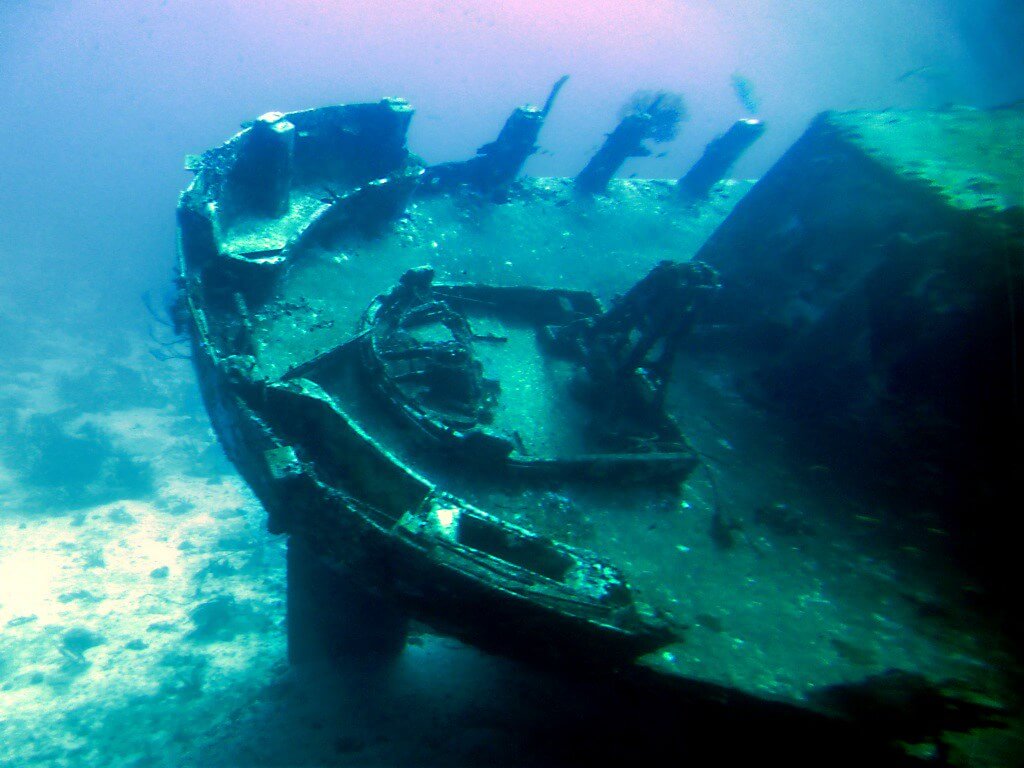
Rediscovered in 1958, this wreck has become one of the most sought-after wreck dives on the globe and provides an advantageous journey through time.
The top of the wreck is at around 15 meters, with the bottom of the vessel sitting on a sandy bottom at 33 meters.
This makes the site accessible to both open-water divers, as well as those with advanced diving certifications.
Warasse, giant trevally, bull sharks, moray eels, schooling barracuda, sea turtles, and spotted eagle rays are among a few of the vast diversity of marine life that can be spotted while adventuring through the historical landmark.
5. Challenger Bay
One of the lesser known dive sites of the GBR, but no less mesmerizing, Challenger Bay offers divers some crystal clear waters with the opportunity to watch thousands of fish meeting at various cleaning stations in the area, waiting for a freshen up.

Apart from the somewhat quieter waters and cleaning stations, Challenger Bay and its surrounding coral gardens and bommies offer the chance to spot the somewhat elusive leopard shark, which can be found resting on the ocean’s sandy bottom.
Great Barrier Reef Scuba Diving Tips
Knowing where to go SCUBA diving on the Great Barrier Reef is one thing, but above all else, it is important to remain safe, as well as take precautions to maintain the intricate ecological balance of the marine park.
Whether you are new to diving or a well-seasoned GBR explorer, the following tips will help ensure that you get the most out of your trip while remaining safe.
- Get Certified: Ensure that you have the correct certifications for the dive sites you wish to explore. You will need to bring proof of this certification before you will be allowed to join any SCUBA trips.
If you have not yet completed a dive course, then seek out a reputable company on the reef that has good reviews. Don’t opt for diving schools because they are cheap. In this case, quality is important because it is our safety and that of others that we are playing with. - Safety First: As mentioned above, it’s important to book your dives with well-known and reliable SCUBA companies. Apart from this, you should always follow the ten golden rules of diving, as well as follow your instructor’s guidelines and dive plan.
Remember that although you may have an instructor or divemaster to guide you on your journey, your safety is your responsibility. - Respect the Environment: As SCUBA divers, we agree that we are in the water to observe the natural environment while making as little impact as we possibly can.
To ensure this, it’s important to withhold from touching marine life, whether it be coral, fish, or any other marine life or substrate.
Responsible diving is key to conserving these natural environments that not only support life on the planet but bring us hours of entertainment. - Plan Your Trip: The GBR, as mentioned before, has dozens of dive sites, and it would be impossible to explore them all in a single trip.
Because of this, it’s best to decide on where you would like to dive before you book flights and accommodation.
By doing this, you can ensure that all the dives are in reasonably close proximity, which will allow you more time in the ocean and less time planning and moving between locations.
FAQs
Is the Great Barrier Reef open for SCUBA diving year-round?
The reef is accessible year-round, but the best time for diving is from April to November when the water is warmer and visibility is excellent.
Do I need to bring my own diving equipment?
Most dive schools provide all the required equipment; however, some specialized dives may require you to bring your own gear.
What Are the Great Barrier Reef Scuba Diving Requirements?
Most operators require divers to be at least 12 years old and possess at least an open-water diving certification. That said, some dive sites require more advanced certifications, while introductory diving is available to those who are entirely new to the experience.
When Is the Best Time to Scuba Dive on the Great Barrier Reef?
The best time to visit the GBR will depend on what you are looking for. Water temperature, marine life, visibility, crowds, and prices all change throughout the year.
Is the Great Barrier Reef affected by coral bleaching?
Yes, the reef has experienced coral bleaching due to rising sea temperatures, but conservation efforts are ongoing due to concerns that the GBR may be dying.


