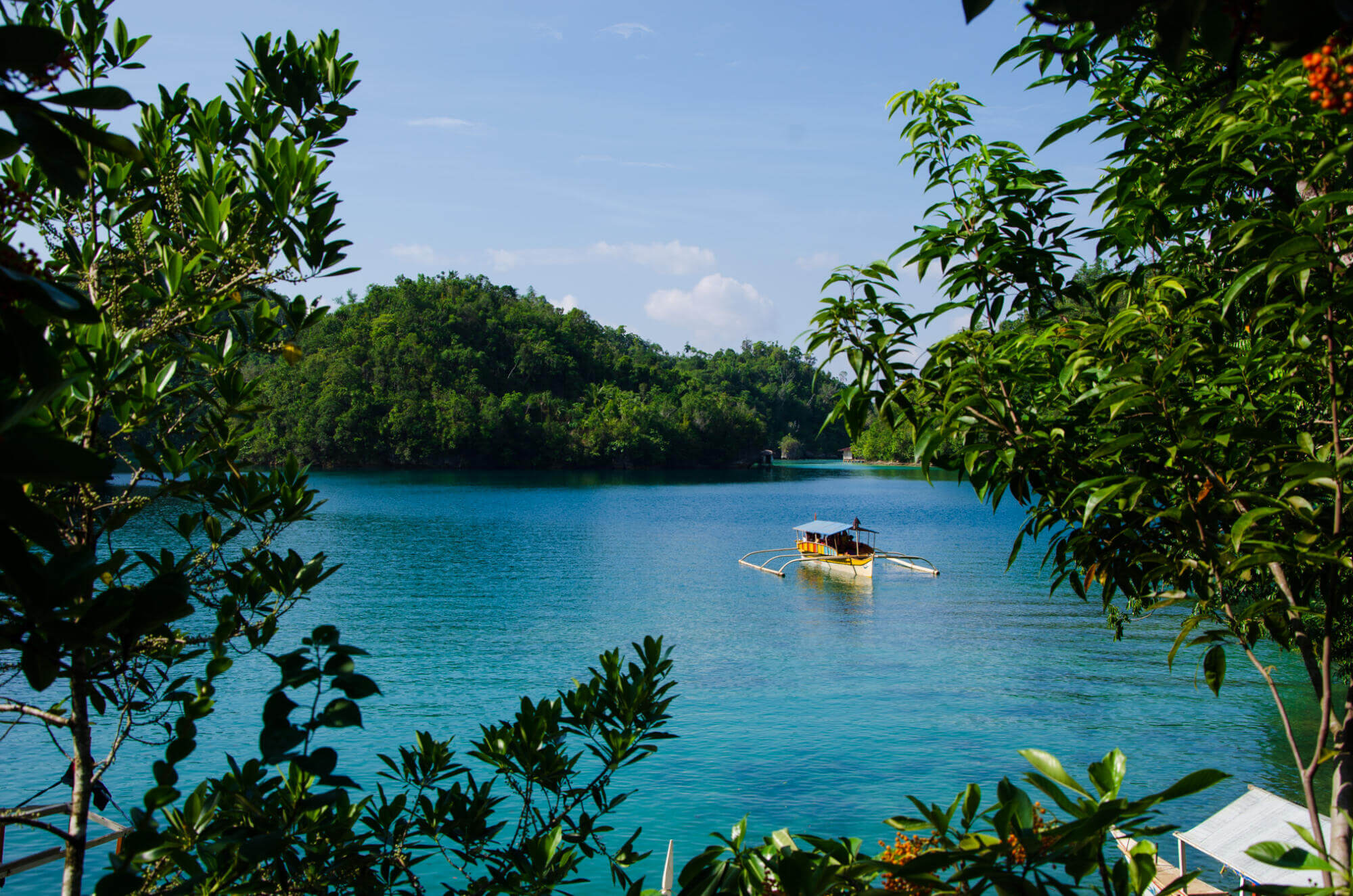
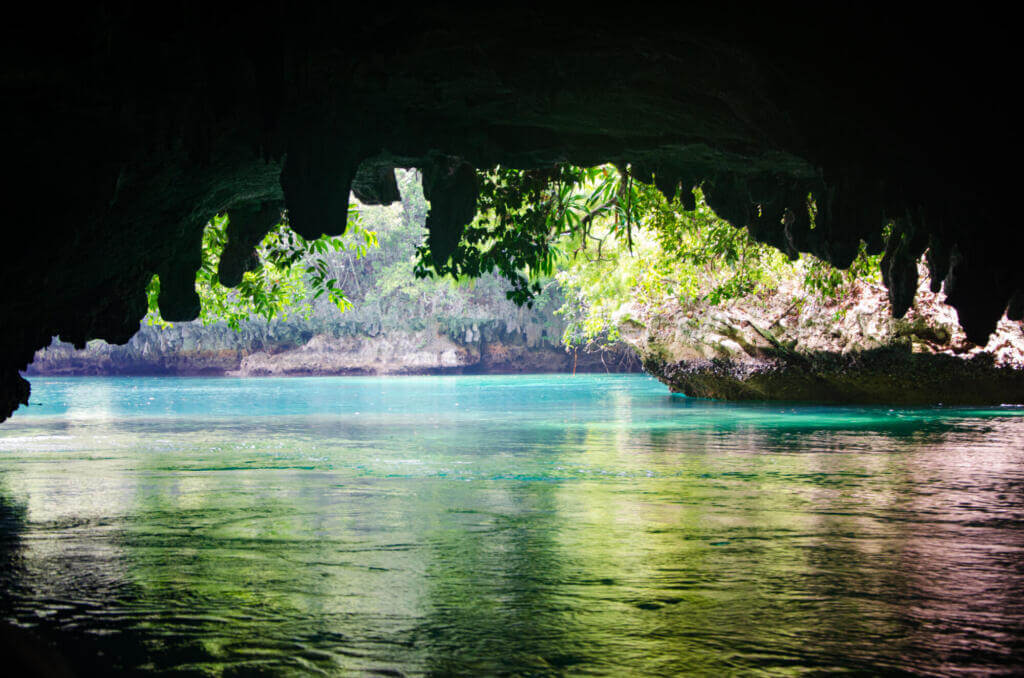
Tucked away within the lush limestone landscapes of Bucas Grande Island in Surigao del Norte, Sohoton Cove is more than just a hidden tropical paradise—it’s home to one of the Philippines’ most unique marine sanctuaries. Nestled within its emerald-green waters lies Tojoman Lagoon, famously known as the Jellyfish Sanctuary, where thousands of stingless jellyfish thrive in a calm, enclosed lagoon.
This article explores the rare phenomenon of this jellyfish sanctuary, the environmental conditions that make it possible, and how local stewardship is balancing tourism with long-term conservation.
Inside the Jellyfish Sanctuary
Sohoton Bay, a Protected Landscape and Seascape, is a maze of limestone islets, hidden lagoons, and tranquil blue-green waters. At its heart lies Tojoman Lagoon, an isolated body of water that provides a haven for two jellyfish species:
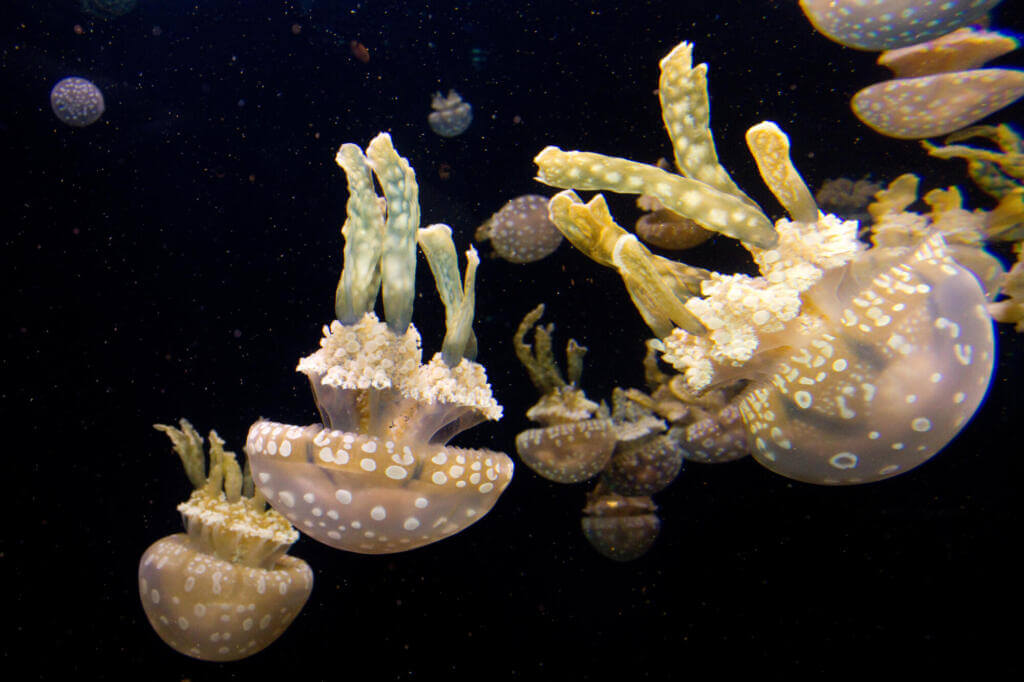
- The spotted jellyfish (Mastigias papua) is a jellyfish primarily found in the southern Pacific Ocean. Unlike many jellyfish, it has multiple smaller mouth openings on its oral arms, which it uses to feed on zooplankton. In Japan, particularly along the Pacific coast areas, these are sold as novelty pets and are known as takokurage.
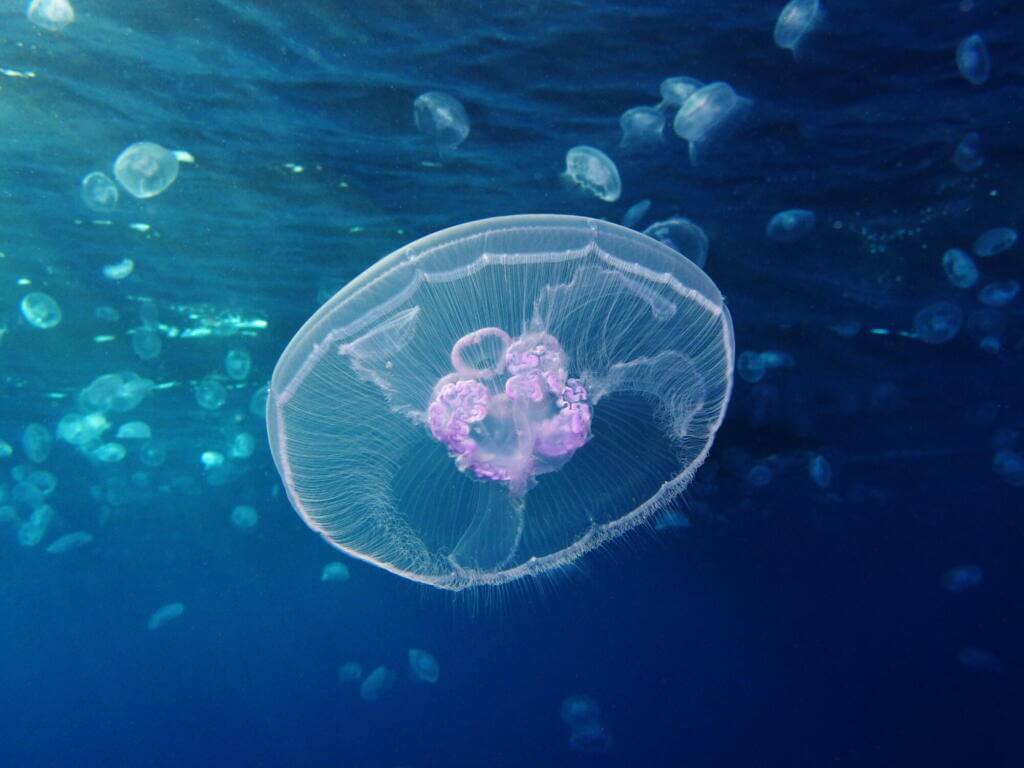
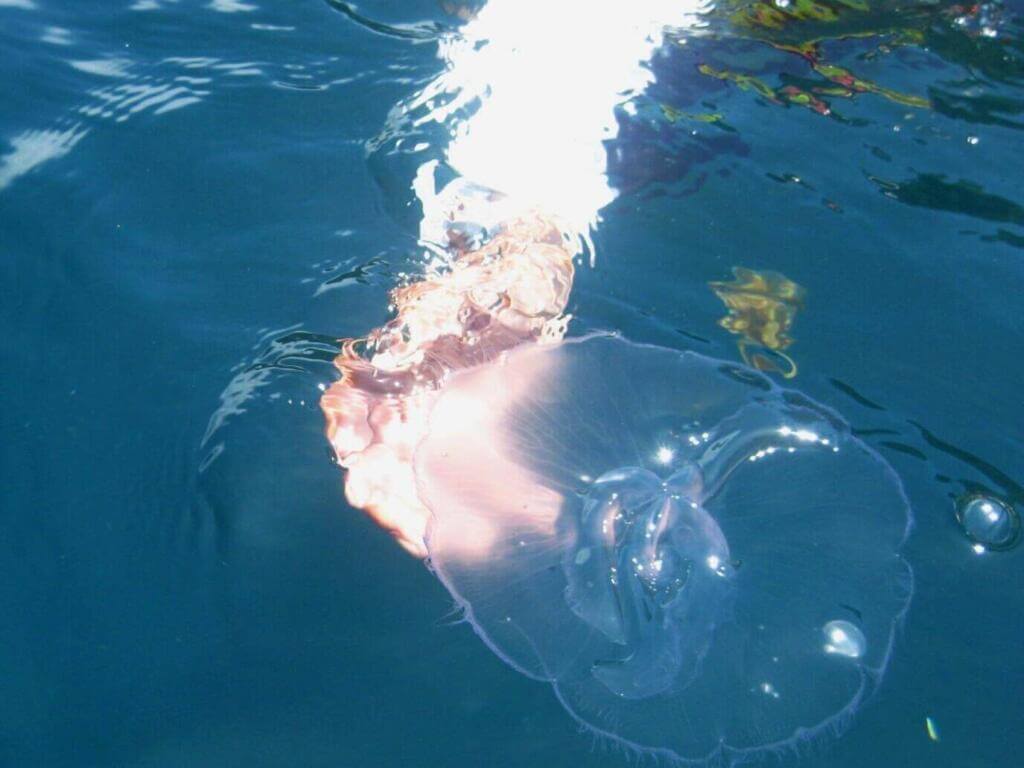
- The moon jellyfish (Aurelia aurita) is a widely distributed species of scyphozoan jellyfish found in coastal waters worldwide. It is characterized by its translucent, disc-shaped bell, typically displaying four horseshoe-shaped gonads visible through the top. It feeds on zooplankton and small crustaceans, which it captures using short, fine tentacles lining the bell margin. Its sting is very mild and generally harmless to humans.
Unlike many jellyfish populations around the world, the species found in Sohoton Cove are largely stingless, making it possible for visitors to swim and interact with them in a responsible manner.
As such, the allure of swimming with thousands of stingless jellyfish has made Sohoton Cove a major tourist attraction in Siargao. However, managing this popularity responsibly is crucial for the sanctuary’s long-term survival.

The sanctuary is managed by local communities and park authorities, who play a vital role in enforcing these rules, educating visitors, and continuously monitoring the jellyfish population. Tourism to the sanctuary provides significant economic benefits to the local communities, creating livelihoods and fostering a sense of ownership and responsibility for conservation, while also raising global awareness about marine conservation and the importance of protecting fragile ecosystems.
Origin
The existence of such a dense population of stingless jellyfish in Sohoton Cove is a result of a unique combination of geological and ecological factors.
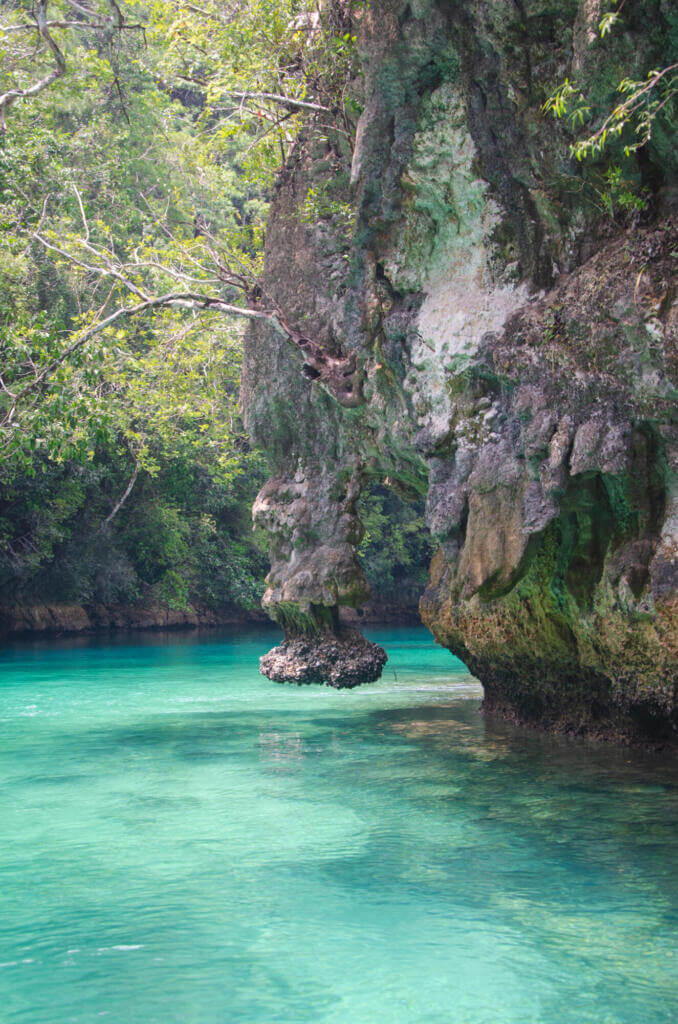
The jellyfish lagoon is almost entirely enclosed by towering limestone cliffs, with only a narrow, often submerged, entrance. This natural barrier effectively traps the jellyfish within the lagoon, preventing them from being swept out into the open ocean.
Originally, jellyfish likely entered the lagoon from the open ocean during high tides or storm surges when sea levels were higher. At the time, the lagoon was more open to the sea, allowing marine species to move freely in and out. Over time, geological changes, such as the gradual uplift of limestone cliffs and the formation of a narrow, semi-submerged entrance, effectively trapped the jellyfish population inside.
Today, the lagoon’s waters are fed by a mix of freshwater runoff from the surrounding land and tidal exchanges from the sea. This creates a brackish environment rich in nutrients, supporting a thriving population of plankton – the primary food source for the jellyfish. The enclosed nature of the lagoon, combined with these specific water conditions, also creates an environment largely free from the natural predators of these jellyfish species.
Over generations, the jellyfish in Sohoton Cove have evolved to have significantly reduced stinging cells (nematocysts). While they still possess them, their sting is usually imperceptible to humans, hence the “stingless” designation.
Ecological Significance
The Sohoton Cove Jellyfish Sanctuary holds immense ecological significance as a rare and specialized ecosystem. It powerfully demonstrates how specific environmental conditions can lead to the proliferation of particular species, creating a unique biological phenomenon.
The health and abundance of the jellyfish population serve as a sensitive indicator of the overall health and water quality of the lagoon and its surrounding protected area. This natural “bio-indicator” role is crucial for monitoring environmental changes, such as nutrient levels or pollution, which could impact the delicate balance of the ecosystem.
Moreover, the sanctuary provides a valuable natural laboratory for scientists to study jellyfish biology, population dynamics, and adaptation in an isolated environment, offering insights that can be applied to broader marine research. Understanding these unique populations can inform conservation strategies for other jellyfish species and contribute to our knowledge of marine food webs and ecosystem resilience.
Sohoton Cove is also an integral part of the larger Sohoton Bay Protected Landscape and Seascape, which encompasses a broader range of ecosystems, including limestone forests, caves, and coral reefs, all contributing to regional biodiversity. This connection means the sanctuary plays a role in supporting the health of adjacent habitats, for instance, by contributing to nutrient cycling or providing food sources for other marine life within the broader protected area.
The unique geomorphology of the cove, with its limestone formations and restricted entrance, creates a naturally protected environment that fosters this specialized ecosystem. This natural barrier helps to maintain stable conditions, minimizing external disturbances and allowing the jellyfish populations to thrive without significant predation pressure from larger marine animals that cannot easily enter.
Finally, as a major tourist attraction, the sanctuary fosters environmental awareness and appreciation among visitors. It serves as a powerful educational tool, demonstrating the beauty and fragility of marine ecosystems and the importance of conservation efforts, thereby contributing to a broader understanding of ecological preservation.
Did You Know?
A fascinating aspect of the spotted jellyfish (Mastigias papua) is their symbiotic relationship with zooxanthellae, photosynthetic algae that live within their tissues. These algae provide the jellyfish with energy through photosynthesis, supplementing their diet of plankton and allowing them to thrive even in conditions where plankton might be less abundant.
The region’s rich biodiversity extends to its insect life, with studies identifying 46 species of Odonata (dragonflies and damselflies) across Siargao and Bucas Grande Islands, including 10 endemic species.
Tourism and Conservation
The allure of swimming with thousands of stingless jellyfish has made Sohoton Cove a major tourist attraction in Siargao. However, managing this popularity responsibly is crucial for the sanctuary’s long-term survival.
Tourism to the sanctuary provides significant economic benefits to the local communities, creating livelihoods and fostering a sense of ownership and responsibility for conservation, while also raising global awareness about marine conservation and the importance of protecting fragile ecosystems.
Threats
Despite dedicated conservation efforts, the sanctuary faces potential threats that require ongoing vigilance. Uncontrolled visitor numbers or irresponsible behavior can stress the jellyfish population and degrade water quality.
Climate change also poses a long-term risk, as changes in ocean temperature, salinity, and acidity could impact the delicate balance of the lagoon’s ecosystem and the jellyfish’s survival. Furthermore, runoff from land-based activities or improper waste disposal from nearby communities could introduce harmful pollutants into the sanctuary.
Conclusion
The Sohoton Cove Jellyfish Sanctuary is a captivating natural wonder, a testament to the intricate workings of nature. Its thriving population of stingless jellyfish, sustained by a unique blend of geological and ecological factors, offers an unparalleled experience. More than just a tourist attraction, it is a vital ecosystem, a subject of scientific interest, and a powerful symbol of the importance of responsible tourism and dedicated conservation. Protecting this hidden gem ensures that future generations can continue to marvel at this extraordinary phenomenon and learn from its delicate balance.
Ocean Insights: Hear From Our Experts

By Hamna Faizan
Marine Life Researcher and Lecturer, with an MSc in Zoology
Sohoton Cove offers a compelling blueprint for how humans can responsibly coexist with unique wildlife. I believe the success of its Jellyfish Sanctuary lies not just in its natural isolation, but in the dedicated efforts of local communities and authorities to manage tourism, educate visitors, and prioritize the well-being of its delicate inhabitants. It's a powerful example of how sustainable practices can transform a natural marvel into a source of both ecological preservation and community prosperity.
FAQ’s
How do the tides affect a visit to Sohoton Cove and the Jellyfish Sanctuary?
Tides significantly influence the experience at Sohoton Cove. The entrance to the main cove, including the passage to the Jellyfish Sanctuary, can be partially or fully submerged during high tide, making entry challenging or impossible. Tour operators typically schedule visits to align with optimal tidal conditions for the best and safest experience.
What makes Sohoton Cove’s water so clear?
Sohoton Cove boasts exceptionally clear waters, a result of its protected, enclosed environment and the natural filtration provided by the surrounding limestone geology and thriving marine ecosystem. This clarity allows for stunning visibility of its unique underwater world.
Is there a best time to visit Sohoton Cove?
Dry season (March to May) generally offers the best water clarity and conditions. Tour schedules vary with tides.
Can I touch the jellyfish?
While stingless, the jellyfish are delicate. Touching is discouraged to avoid stress or damage to them. Observation is encouraged instead.


