

Some waterfalls defy expectations. Instead of eroding over time, they grow. This unusual phenomenon creates climbable waterfalls with a unique “stickiness.” This “stickiness” refers to the natural grip provided by calcium carbonate (CaCO₃) deposits, making them surprisingly safe to climb. These geological wonders are not only visually stunning but also scientifically fascinating due to their unusual formation process.
Only a few places in the world exhibit this rare phenomenon. Join us as we explore these incredible “sticky waterfalls” around the globe, uncovering the science behind their formation and the unique experiences they offer.
The Only 3 Known Sticky Waterfalls
This remarkable phenomenon of climbable, “sticky” waterfalls exists in only three locations worldwide, each offering a unique experience.
Bua Tong Sticky Waterfall, Thailand
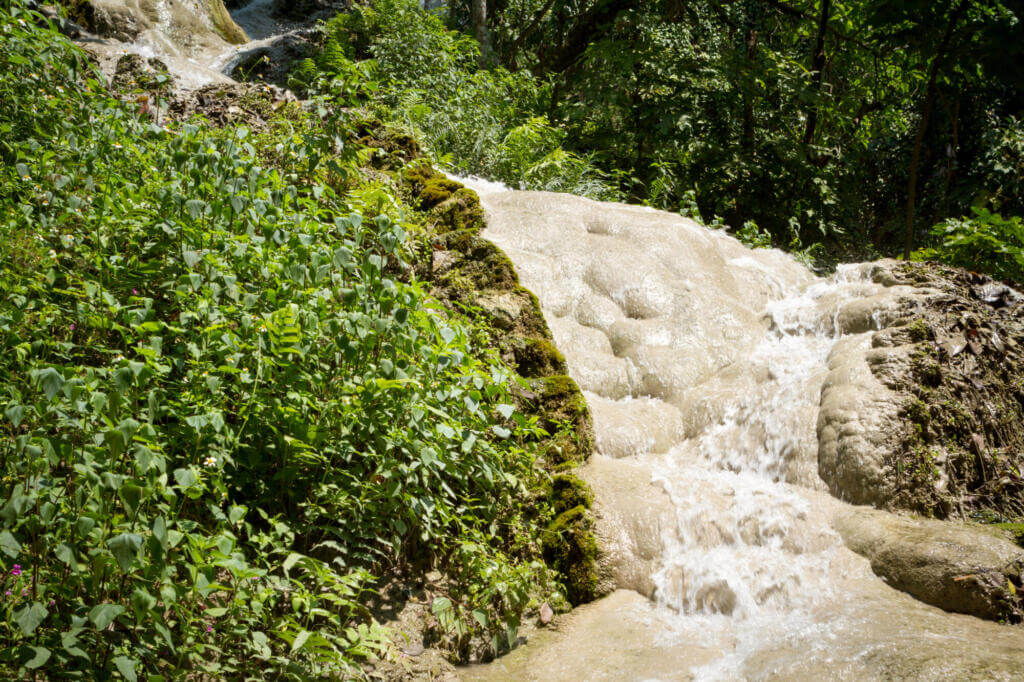
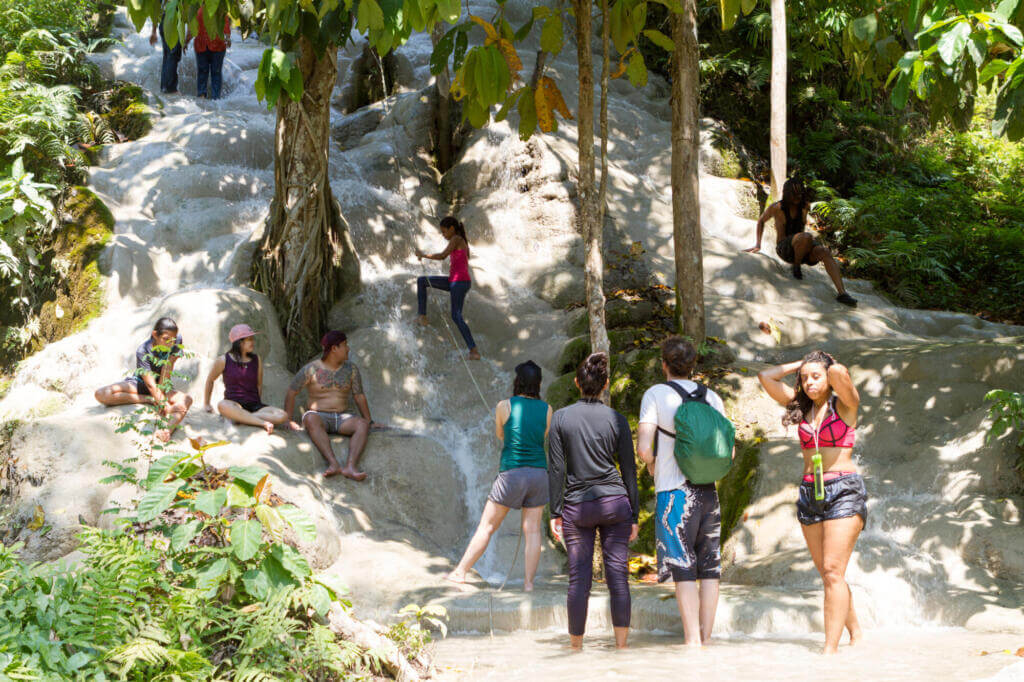
The Bua Tong Sticky Waterfall in Chiang Mai, Thailand, is perhaps the most well-known and extensively studied example of this phenomenon. What makes Bua Tong unique is its remarkable climbability, made possible by the high concentration of calcium carbonate deposits combined with biofilms on the rocks.
Most waterfalls erode the rock beneath them. Bua Tong does the opposite by slowly building up a unique limestone surface.
Fed by a cold spring, the water continuously deposits calcium carbonate, creating a porous surface that provides excellent grip, even when wet. This allows visitors to climb directly up the flowing water, making for an unforgettable experience.
Dunn’s River Falls, Jamaica
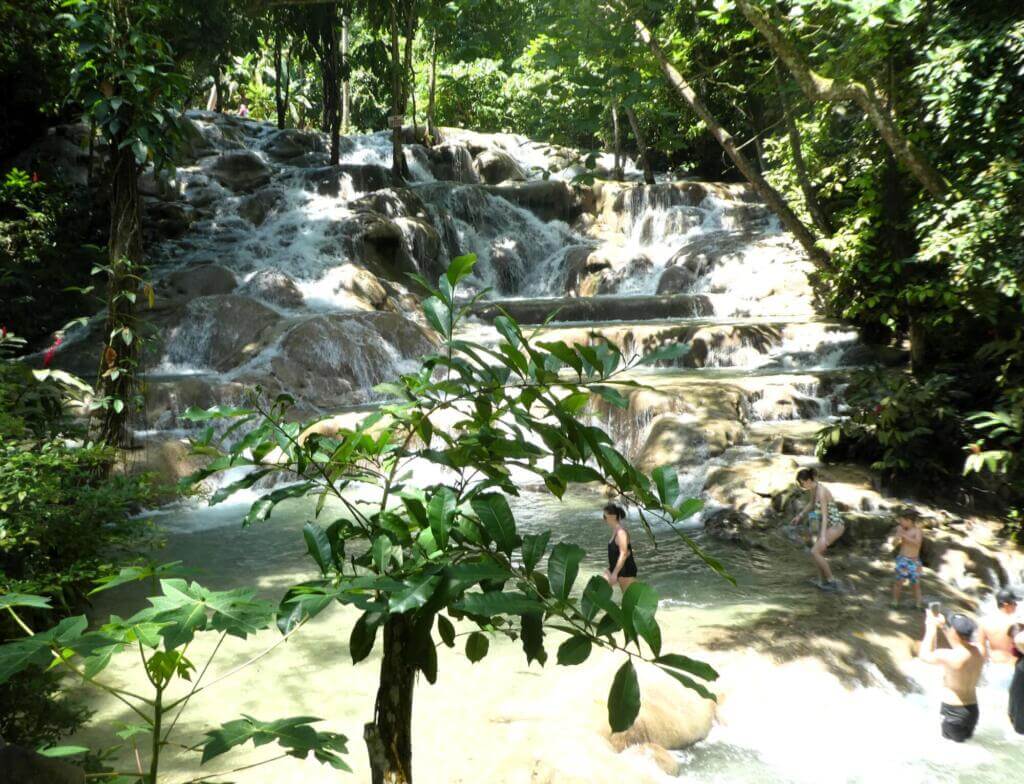
Dunn’s River Falls in Jamaica offers a different, yet equally captivating experience. These terraced limestone falls are a popular tourist destination, inviting visitors to walk up the waterfall. While the role of microbial activity or calcium carbonate deposition in their formation is not as well-studied as in Bua Tong, the falls are undoubtedly shaped by these processes.
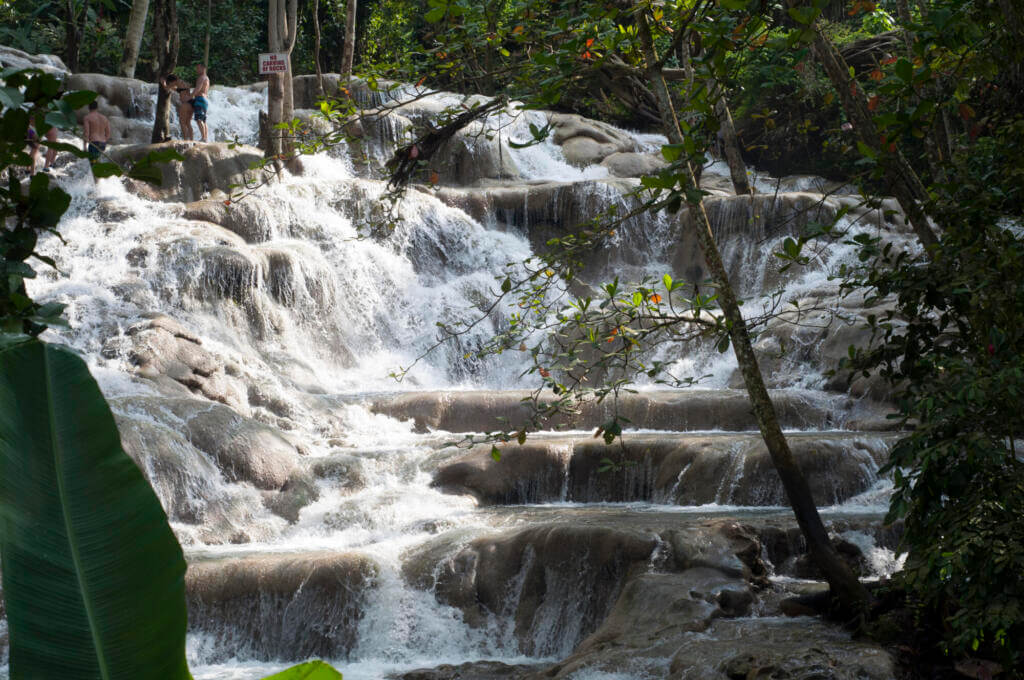
Beyond their geological significance, Dunn’s River Falls hold cultural importance for the local community and attract visitors from around the world.
Semuc Champey, Guatemala
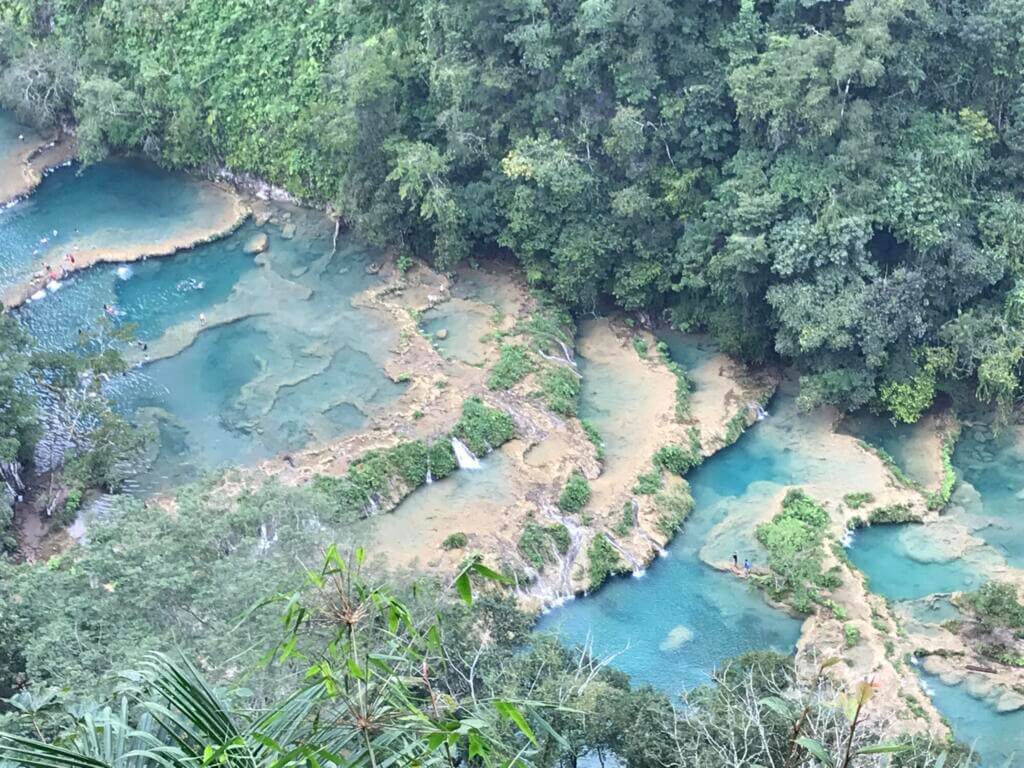
Semuc Champey in Guatemala presents another variation of a sticky waterfall. This natural monument features a stunning travertine bridge with a series of tiered pools. While the surface is walkable, it doesn’t possess the same “sticky” quality as Bua Tong. However, some calcium carbonate buildup is likely present, contributing to the formation of the travertine landscape.
Semuc Champey is also known for its exceptional biodiversity, although its formation process differs from that of Bua Tong, resulting in a unique and beautiful environment.
Why Bua Tong Is Scientifically Unique
Bua Tong is the stickiest waterfall in the world, and its scientific uniqueness lies in the interplay of several factors:
Biological Interaction
A diverse community of microorganisms, including various types of algae and bacteria, plays a significant supporting role in building the sticky surface. Diatoms, cyanobacteria (blue-green algae), and other algae and bacteria form a biofilm on the rocks, actively contributing to the deposition of calcium carbonate and it’s stickiness.
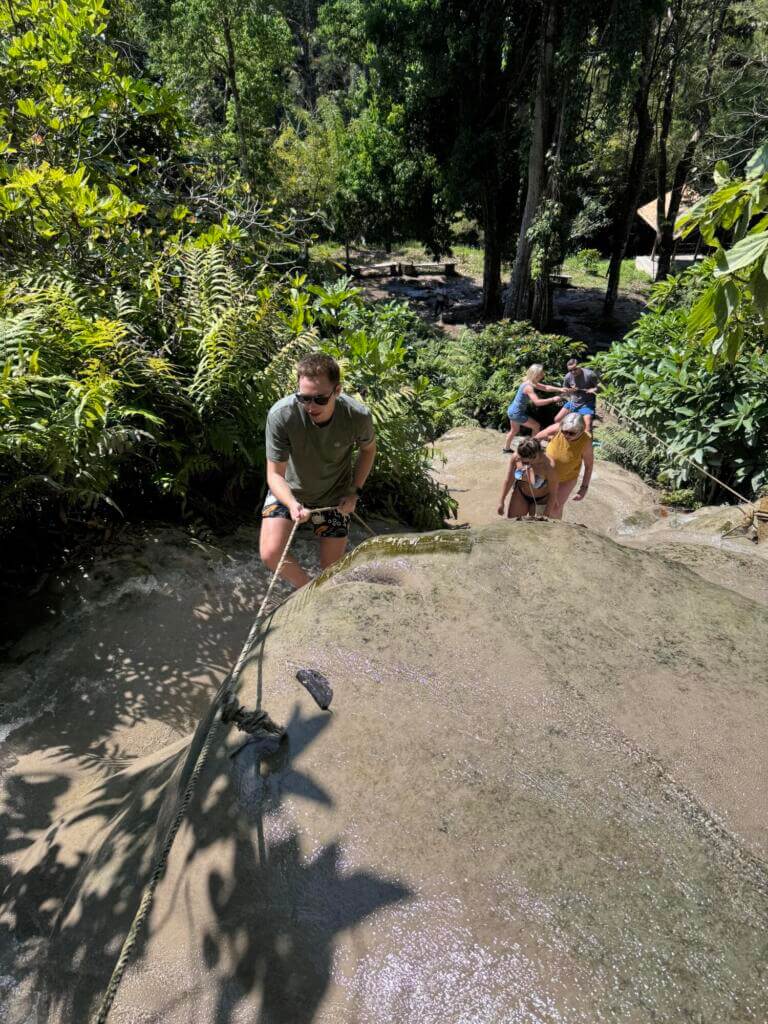
These microorganisms consume carbon dioxide through photosynthesis, further shifting the water chemistry to favor calcium carbonate precipitation. Their surfaces and the sticky extracellular polymeric substances (EPS) they produce also provide nucleation sites for crystal formation and trap existing calcium carbonate particles, accelerating the buildup of the textured surface. This is a prime example of how life creates rock.
Cold Spring Chemistry
The secret of limestone formation lies in the porous, mineral-rich limestone that forms the bedrock of the falls. As water flows over this limestone, it absorbs calcium carbonate (CaCO3). Fed by a cold spring, the water emerges onto the face of the falls and interacts with the air, releasing carbon dioxide. This chemical shift causes the calcium carbonate to precipitate out of the water, forming a thin, crystalline coating on the rocks.

Over time, these deposits build up, creating a textured, almost travertine-like surface that, while wet, provides a surprising grip. The symbiotic relationship between rock, water, and microscopic life creates the “sticky” texture that gives the waterfall its name and its climbable characteristic.
Ecological Microclimate
This ecosystem supports diverse flora and fauna, from specialized algae to various insects and other small creatures, contributing to a unique ecological microclimate and downstream biodiversity.
The processes occurring at Bua Tong, such as calcium carbonate precipitation and microbial activity, are similar to those involved in marine sedimentation and reef-building.
The Importance of Sticky Waterfalls
Sticky waterfalls are more than just geological curiosities; they possess significant environmental, educational, and economic value.
- Environmental Value: The specific conditions created by the calcium carbonate deposits and the constant flow of water provide a habitat for species that may not be found elsewhere. Protecting these waterfalls helps preserve this unique biodiversity.
- Educational Value: Sticky waterfalls serve as natural outdoor laboratories for studying biogeochemical processes. Scientists can investigate the interactions between water, rock, and microorganisms, gaining insights into how these systems function and how they might respond to environmental changes. They offer a unique opportunity to study how life creates rock.
- Economic Value: Sticky waterfalls, like Bua Tong and Dunn’s River Falls, are popular tourist destinations, generating revenue and creating jobs for local communities. Their potential for sustainable tourism development offers further economic opportunities while promoting environmental preservation.
- Cultural Importance: In places like Thailand and Jamaica, these waterfalls may hold spiritual significance and be linked to local folklore and traditions, adding depth to the visitor experience.
Climb Responsibly: Protecting Nature’s Rare Wonders
Sticky Waterfalls aren’t just for fun – they are a rare geological and biological marvel. But as more visitors come to experience its “sticky” magic, the risk of damaging this delicate ecosystem increases. The calcium carbonate surface that makes the waterfall climbable is built up slowly over time by water chemistry and microbial life, but it can be damaged in seconds by careless human behavior.
To visit responsibly:
- Avoid wearing sunscreen, insect repellent, or lotion that could wash off into the water and disrupt the microbial ecosystem.
- Stick to marked climbing paths and don’t scrape or dig at the limestone surface.
- Leave no trace — pack out your rubbish and don’t touch or remove any natural materials.
- Support conservation-conscious guides and local communities who are committed to preserving the site.
Being a responsible tourist means understanding that our presence has an impact — and making sure that impact is a positive one. Bua Tong is a place where science and beauty meet. Let’s keep it that way.


