

Algae, often overlooked and underestimated, are foundational organisms in marine ecosystems.
With somewhere between 30,000 to more than 1 million types of algae in the world, it is a surprise how these tiny photosynthesising, plant-like organisms get overlooked.
These diverse organisms come in various forms and play crucial roles in the ocean’s health and vitality. It is for this reason that a marine lover such as yourself would greatly benefit from understanding the role different types of algae have on the ecology of the ocean.
What is Algae: A Brief Overview
Algae are simple organisms that closely represent small plants; however, algae are not considered true plants.
What puts algae and other plants apart is that they lack true roots, stems, or leaves.
Plants as we know them, use their roots to draw up nutrients from the earth. As algae lack these roots, they need to take in their nutrients from the water column.
Algae typically consist of single cells or multicellular structures. However, their diverse appearances have not restricted algae from sharing the process of photosynthesis.
By utilizing sunlight with their photosynthetic pigments, algae can convert carbon dioxide and water into organic compounds and oxygen and therefore grow and feed through the power of the sun.
It is believed that ocean-based algae contribute 45% – 50% of the globe’s carbon dioxide absorption.
This process is critical for oxygen production and carbon dioxide absorption in the marine environment but also supports oxygen-breathing species on land and in the air.
Types of Algae
Although there are thousands of algae types, ocean algae can be broken into five main groups: Brown Algae (Phaeophyta), Green Algae (Chlorophyta), Red Algae (Rhodophyta), Diatoms (Bacillariophyta), and Dinoflagellates (Dinophyta).
1. Brown Algae (Phaeophyta)
Brown algae is a group of algae belonging to the phylum Phaeophyta, are renowned for their large, complex structures, ranging from small tufts to towering kelps.

Description and Appearance
They derive their distinctive brown color from the pigment fucoxanthin, which masks the green chlorophyll present in their cells.
Brown algae exhibit remarkable morphological diversity, with some species resembling intricate underwater forests while others adopt more simplistic forms.
Habitat
Brown algae thrive in cold, nutrient-rich waters, primarily inhabiting intertidal zones and subtidal regions along rocky coastlines.
They anchor themselves to substrates such as rocks, shells, or other algae using holdfasts, specialized structures that secure them against ocean currents and waves.
Predators
Various marine organisms, including sea urchins, fish, and certain invertebrates, prey upon brown algae.
However, certain species have evolved defense mechanisms such as chemical deterrents or tough outer tissues to deter predators.
Threats
Brown algae face threats from environmental stressors such as pollution, habitat destruction, and climate change.
Increased water temperatures and ocean acidification pose significant challenges to their survival, disrupting their growth and reproductive cycles.
Furthermore, rough ocean climates can uproot large amounts of brown algae at a time. The aftermath of this is often seen as large amounts of kelp washed onto the shore after a storm.
Commercial Use
Brown algae hold significant commercial value, particularly in industries such as food, pharmaceuticals, and cosmetics.
Extracts from species like kelp are rich in essential nutrients and bioactive compounds, making them sought-after ingredients in various products.
Other Interesting Facts About Brown Algae
- Some brown algae, such as giant kelp (Macrocystis pyrifera), can grow at astonishing rates, reaching lengths of up to 60 meters within a single growing season
- Brown algae play vital ecological roles by providing habitat and food for numerous marine species, contributing to the biodiversity of coastal ecosystems
2. Green Algae (Chlorophyta)
Green algae, members of the phylum Chlorophyta, encompass a diverse array of species ranging from microscopic unicellular organisms to macroscopic seaweeds.

Description and Appearance
This blue-green algae derives its color from chlorophyll, the pigment responsible for photosynthesis in plants.
It is this green color that makes the algae so recognizable and the image that comes to most of our minds when we think of algae.
Green algae exhibit a wide range of morphologies, including filamentous, colonial, and thalloid forms, and are also the most commonly found algae phylum.
Habitat
Green algae inhabit various marine environments, from shallow coastal waters to deeper offshore regions.
They often thrive in habitats with ample sunlight and nutrient availability, where they can efficiently carry out photosynthesis.
Although green algae is spread widely across the globe. You will not find it in areas where sunlight does not penetrate.
This means the depth at which you can find green algae will differ according to the clarity of the water, as well as temperature and nutrient availability.
Predators
Similar to brown algae, green algae face predation from a range of marine organisms, including herbivorous fish, sea slugs, and certain invertebrates. However, their diverse forms and chemical compositions offer varying degrees of protection against predation.
One such example of this is Caulerpa taxifolia (killer algae). This species of green algae produces a chemical that is toxic to most of its potential predators.
This allows the algae to thrive and, in some cases, become invasive.
Threats
Green algae are susceptible to environmental stressors such as pollution, eutrophication, and habitat degradation.
Because of their ancient history and basic structure, green algae grows fast and can spread with little ease.
This works as a natural protection from most of the natural threats that the organism faces; however, this also has a downside.
Excessive nutrient runoff from human activities such as agricultural farming and residential landscaping can lead to algal blooms
When green algae spreads too quickly in a waterbody it can cover the surface of the water, reducing the rate of photosynthesis at the seafloor.
This leads to the depletion of oxygen levels, the degradation of marine life, and the disruption of the ecological balance.
Commercial Use
Green algae possess commercial potential in industries such as biofuels, pharmaceuticals, and wastewater treatment.
Certain species are cultivated for their high lipid content, which can be converted into biofuels through processes such as biodiesel production.
Other Interesting Facts about Green Algae
- Some green algae species, such as Ulva lactuca (sea lettuce), are edible and consumed in various cuisines worldwide.
- Green algae contribute to reef-building processes by secreting calcium carbonate, a key component of coral reefs and other marine structures.
3. Red Algae (Rhodophyta)
Red algae encompass a wide range of forms, including filamentous, crustose, and coralline varieties.

Description and Appearance
Red algae are characterized by their vibrant red or purplish coloration, resulting from the presence of pigments such as phycoerythrin and phycocyanin.
Habitat
Red algae are predominantly marine organisms, thriving in both tropical and temperate coastal waters. They often inhabit rocky substrates, coral reefs, and other hard surfaces, where they form extensive mats or calcified structures.
Predators
Despite their tough cell walls and chemical defenses, red algae are subject to predation by herbivorous fish, sea urchins, and grazing invertebrates.
However, like other algae varieties, certain species exhibit resistance to predation through physical barriers or unpalatable compounds.
Threats
When it comes to most of the life in the ocean, the main threats to their survival come from unconscious human activity.
Red algae face threats from anthropogenic activities such as coastal development, overfishing, and coral reef degradation.
Climate change-induced phenomena like ocean warming and acidification also pose significant risks to their survival and distribution.
Commercial Use
Red algae have diverse commercial applications, particularly in the food, pharmaceutical, and biotechnology industries.
Extracts from species like Porphyra (nori) are used in sushi and other culinary dishes, while agar, a gelatinous substance derived from red algae, serves as a culture medium in microbiology and molecular biology.
Agar is also used as a non-animal-derived alternative to gelatine in the food industry
Other Interesting Facts about Red Algae
- Red algae are key contributors to reef-building processes, with coralline species playing a crucial role in coral reef formation and stabilization
- Some red algae species exhibit extraordinary adaptations to extreme environments, thriving in conditions of high salinity, temperature, and pressure
4. Diatoms (Bacillariophyta)
Diatoms are a type of planktonic algae belonging to the phylum Bacillariophyta, known for their intricate silica shells called frustules.

These phytoplanktons are incredibly diverse, with an estimated 100,000 species inhabiting both marine and freshwater environments.
Diatoms come in various shapes, including rods, disks, and chains
The intricate structures of each species play crucial roles in nutrient cycling and primary production in aquatic ecosystems.
Habitat
Diatoms are ubiquitous in marine environments, forming the base of the food web in many ecosystems.
They thrive in nutrient-rich waters, where they can efficiently photosynthesize and reproduce.
Diatoms are particularly abundant in coastal regions and upwelling zones, where nutrient concentrations are high due to ocean currents and mixing processes.
These floating invertebrates are often found among jellyfish, as both are affected by the same oceanic currents and upwellings.
Predators
Despite their microscopic size, diatoms are an essential food source for a wide range of marine organisms, including zooplankton, larval fish, and filter-feeding bivalves.
Grazers such as copepods and amphipods play crucial roles in controlling diatom populations and regulating nutrient dynamics in marine ecosystems.
Threats
Diatoms are vulnerable to environmental changes such as nutrient pollution, ocean acidification, and climate change.
Excessive nutrient inputs from human activities can lead to the harmful algal blooms that we previously spoke of, disrupting marine ecosystems and depleting oxygen levels in the water.
Additionally, ocean warming and acidification can impact diatom growth and distribution, altering ecosystem dynamics and biodiversity.
Commercial Use
Diatoms have various commercial applications, particularly in industries such as biotechnology, nanotechnology, and environmental monitoring.
Their silica shells, known for their intricate nanostructures, have been utilized in the production of filters, catalysts, and drug delivery systems.
Diatoms are valuable indicators of water quality and ecosystem health
As these algae provide us with information on water quality, we consider them bioindicators in environmental monitoring programs.
Other Interesting Facts About Diatoms
- Diatoms are one of the most abundant and diverse groups of phytoplankton in the ocean, contributing significantly to global primary production and carbon sequestration.
- Some diatom species exhibit unique adaptations to extreme environments, including Antarctic sea ice and deep-sea hydrothermal vents, where they play crucial roles in ecosystem functioning and biogeochemical cycling.
5. Dinoflagellates (Dinophyta)
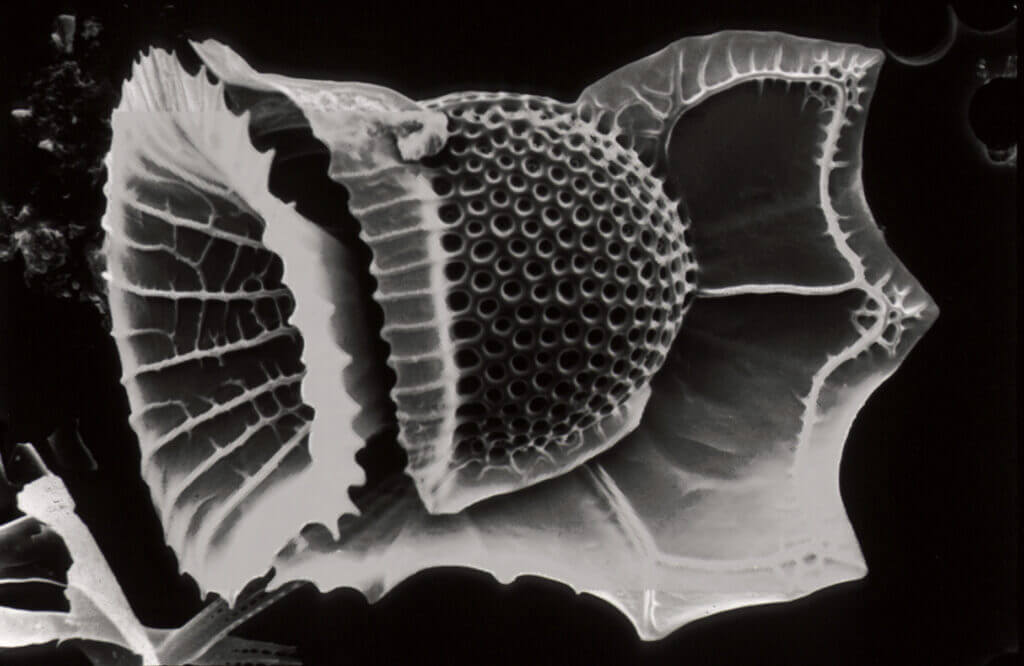
Dinoflagellates are a diverse group of single-celled phytoplankton algae belonging to the phylum Dinophyta.
Description and Appearance
Dinophyta are characterized by their distinctive whirling motion and two flagella
These microscopic organisms come in various shapes and forms, ranging from spherical to elongated or ribbon-like structures.
Dinoflagellates are renowned for their ability to be bioluminescent, producing dazzling displays of light in response to mechanical stimuli or predator attacks.
Habitat
Dinoflagellates inhabit a wide range of marine environments, from surface waters to deep-sea trenches.
They are particularly abundant in coastal regions, where nutrient-rich waters support their growth and proliferation.
Dinoflagellates play crucial roles in marine food webs, serving as primary producers and important prey items for zooplankton and larval fish.
Zooxanthellae, the symbiotic species responsible for photosynthesis in coral reefs are dinoflagellates, and as we know, or ocean would not exist as it is today without the building blocks of coral reefs.
Predators
Despite their small size, dinoflagellates are subject to predation by a variety of marine organisms, including copepods, ciliates, and certain invertebrates. Some dinoflagellate species have developed defensive mechanisms such as toxin production or rapid movement to evade predators.
Threats
Dinoflagellates face threats from environmental stressors such as pollution, eutrophication, and ocean warming.
Algal blooms are also relevant to dinoflagellates, where harmful toxins are produced in excess, which leads to the degradation of diversity in an area.
Additionally, ocean acidification and increased sea surface temperatures can impact dinoflagellate growth and distribution, altering marine ecosystems’ dynamics and biodiversity.
Commercial Use
Dinoflagellates have various commercial applications, particularly in industries such as biotechnology, aquaculture, and pharmaceuticals.
Certain species are cultivated for their high lipid content, which can be used in biodiesel production or as nutritional supplements in aquaculture feeds.
Additionally, dinoflagellates produce bioluminescent compounds that have been utilized in research, medical imaging, and artistic displays.
Other Interesting Facts about Dinoflagellates
- Dinoflagellates are responsible for the phenomenon known as red tides, which occur when their populations undergo rapid proliferation, discoloring coastal waters and impacting marine ecosystems. While some red tides are harmless, others can produce toxins harmful to marine life and human health.
- Dinoflagellates play crucial roles in nutrient cycling and biogeochemical processes in marine ecosystems, contributing to global carbon and nitrogen cycles and influencing oceanic productivity and biodiversity.
FAQs
How do marine algae reproduce?
Marine algae can reproduce sexually or asexually. Sexual reproduction typically involves the fusion of gametes (male and female reproductive cells), while asexual reproduction may occur through fragmentation, spore formation, or vegetative growth.
What is the significance of macroalgae and microalgae in marine ecosystems?
Macroalgae (large seaweeds) and microalgae (microscopic algae) contribute differently to marine ecosystems. Macroalgae provide habitat, food, and oxygen, while microalgae form the base of the marine food web and produce a significant portion of Earth’s oxygen.
How do marine algae contribute to coastal protection?
Certain species of marine algae, particularly large brown seaweeds like kelp, can form dense underwater forests or beds that provide coastal protection by reducing wave energy, stabilizing sediments, and buffering against erosion and storm damage.
How can individuals contribute to the conservation of marine algae?
Individuals can contribute to the conservation of marine algae by supporting sustainable seafood choices, reducing nutrient pollution and marine debris, participating in beach cleanups and citizen science projects, advocating for marine protected areas, and raising awareness about the importance of marine algae and ocean conservation.


