
Blue whales (Balaenoptera musculus), the largest animals on Earth, are classified as an Endangered Species on the IUCN Red List. Several subspecies exist, including the pygmy blue whale, with populations distributed across various oceans.
The Southern Hemisphere, particularly the Antarctic region, is a crucial feeding ground for many blue whale populations, including the Antarctic blue whale subspecies. Blue whale populations drastically decreased during the 20th century. Conservation efforts have helped stabilize some populations today, but their numbers remain far below historical levels.
This article explores various aspects of the blue whale population, including its current status, threats, and ongoing efforts to protect and restore its numbers.
What is the Current Population of Blue Whales in the World?
Current estimates suggest a global blue whale population ranging between 10,000 and 25,000 individuals, including various subspecies like the pygmy blue whale. While this may seem substantial, it’s crucial to remember that the species was once far more abundant before the devastating impact of whaling.
The global blue whale population is not a monolithic entity; it comprises several distinct subspecies, each with unique characteristics and geographical distributions. Understanding these individual populations is crucial for accurate conservation efforts.
- Antarctic Blue Whale (Balaenoptera musculus intermedia): The largest and most critically endangered subspecies, primarily found in the Southern Ocean. Its population was decimated by whaling and remains a significant conservation concern.
- Pygmy Blue Whale (Balaenoptera musculus brevicauda): It’s a smaller subspecies inhabiting the Indian Ocean and South Pacific, demonstrating unique migratory patterns.
- Northern Blue Whale (Balaenoptera musculus musculus): Found in the North Atlantic and North Pacific, these populations also faced severe declines but show some signs of recovery in certain areas.
- Northern Indian Ocean Blue Whale (Balaenoptera musculus indica): Less studied, this population is found in its namesake region, and its distinctiveness is still being fully understood.
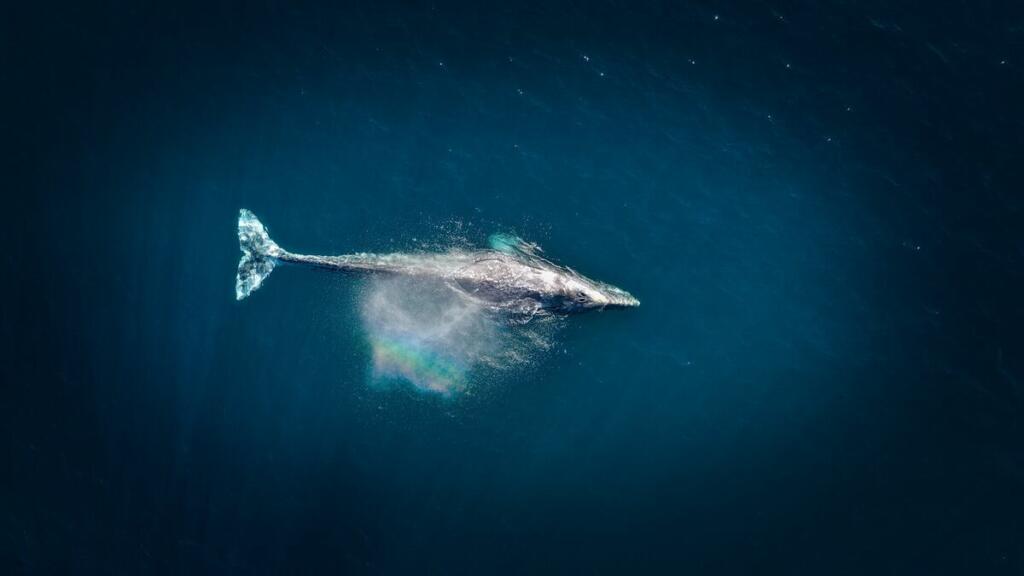
Despite the global ban on commercial whaling, implemented by the International Whaling Commission, blue whale populations worldwide remain significantly below historical levels. This is compounded by ongoing anthropogenic threats such as entanglement in fishing gear and collisions with vessels, which can cause severe injury or mortality. Additionally, noise pollution from human activities, particularly in regions like the North Atlantic Ocean, disrupts their vital communication and feeding behaviors.
How Are Blue Whale Populations Estimated?
Tracking and monitoring blue whales poses unique and significant challenges, making it difficult to gather the accurate data essential for effective conservation and population estimation efforts.
The sheer scale of their habitat, their wide-ranging distribution across all oceans, highly migratory nature, and their tendency to spend most of their time submerged make direct observation and real-time population size estimation difficult. Furthermore, even with some recovery, their populations remain sparse, leading to infrequent encounters that complicate data collection. Researchers employ a combination of advanced methods to estimate population sizes and monitor their health:
- Aerial Surveys: Provide visual counts and distribution data, particularly useful for identifying surface aggregations.
- Acoustic Monitoring: Utilizes hydrophones to detect their distinct low-frequency vocalizations, allowing for tracking and density estimation even when whales are not visible.
- Genetic Analysis: Samples provide insights into population structure, genetic diversity, and connectivity between different groups.
While these methods offer valuable insights into species distribution, movement patterns, and genetic diversity, inherent limitations remain. A critical hurdle also lies in precisely understanding their population structure, as their wide-ranging movements and potential intermixing make delineating distinct groups complex. Integrating diverse data sources across vast regions and extended periods requires sophisticated analytical techniques and robust international collaboration.
Why Did the Blue Whale Population Decline?
Blue whales were once a major target of commercial whaling due to their large size and high oil yield. The history of blue whale hunting dates back to the 18th century, but it was not until the 19th and 20th centuries that the whaling industry peaked. At this time, modern whaling techniques had been developed, and the demand for whale oil, meat, and bone products had increased significantly.

Blue whales were hunted primarily for their oil, which was used in a variety of industrial processes, such as lighting and lubrication. The whaling industry’s rise led to a massive scale of blue whale hunting, with tens of thousands of individuals killed each year at the peak of the industry.
It is estimated that the global population of blue whales declined by at least 70% during the 20th century due to whaling, with some populations almost being driven to extinction.
Ongoing Threats
Despite the global ban on commercial whaling, blue whales continue to face a complex array of anthropogenic threats that hinder their recovery and pose significant risks to their long-term survival.
- Ship Strikes and Entanglement
Collisions with large vessels are a major cause of injury and mortality for blue whales, particularly in busy shipping lanes that overlap with their feeding and migratory routes. Their immense size and relatively slow swimming speed (typically 2–8 kilometers per hour) make them vulnerable to these impacts.
Blue whales can become entangled in various types of fishing gear, including nets, lines, and traps. Entanglement can lead to severe injuries, impaired feeding, infection, and ultimately, drowning or starvation.
- Climate Change and Krill Availability
Climate change is profoundly altering marine ecosystems, directly impacting the blue whale’s primary food source: krill. Rising ocean temperatures, ocean acidification, and changes in ocean currents affect krill abundance, distribution, and life cycles.
Reduced or unpredictable krill availability can severely hinder the ability of blue whales to accumulate sufficient energy reserves for migration, reproduction, and overall health, ultimately impacting their reproductive success and population growth.

- Ocean Noise Pollution
The increasing presence of anthropogenic noise in the oceans, primarily from shipping, seismic surveys, military sonar, and offshore construction, poses a significant threat.
This low-frequency noise overlaps with the blue whale’s vocalizations, disrupting their communication, navigation, foraging, and social behaviors. Chronic noise exposure can lead to stress, displacement from critical habitats, and reduced feeding efficiency.
- Habitat Degradation
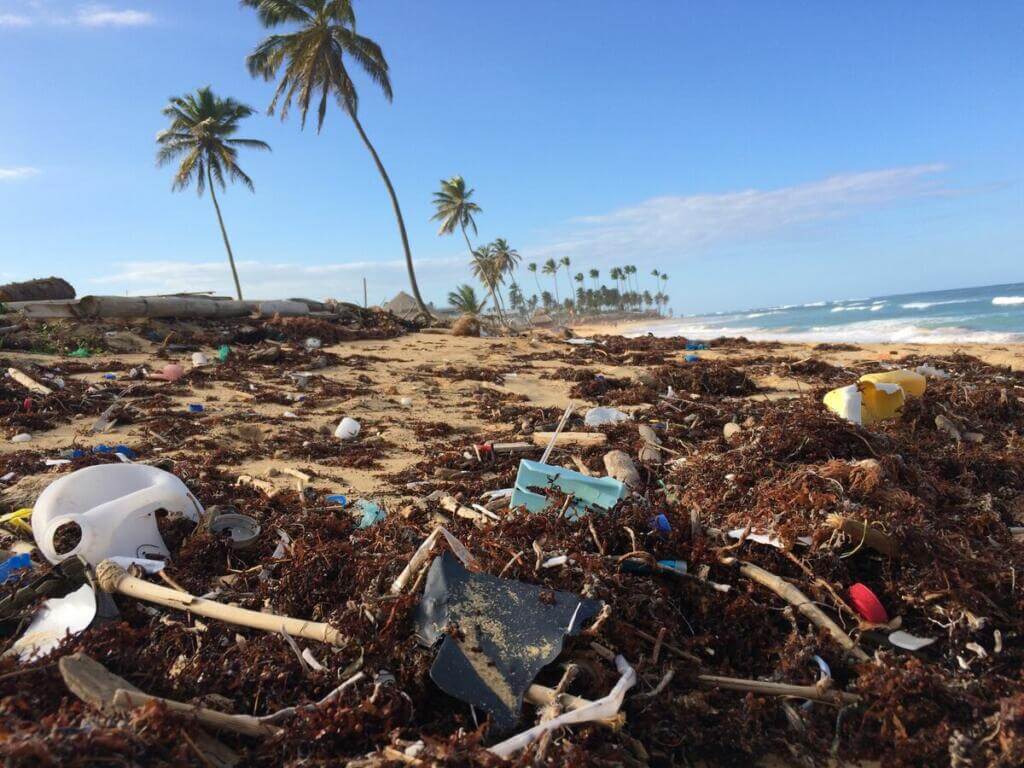
Pollution (chemical, plastic), coastal development, and other forms of habitat degradation can reduce the quality and availability of critical feeding and breeding grounds for blue whales.
- Hybridization with Fin Whales
In areas where blue whale populations are severely depleted, there have been documented cases of hybridization between blue whales and fin whales. While not a direct threat in the same way as ship strikes or climate change, extensive hybridization could potentially dilute the blue whale gene pool and impact the genetic integrity of the species, especially if it leads to less viable offspring. This phenomenon is often seen as a symptom of extremely low population numbers for one of the species involved.
Conservation Efforts
Protecting blue whales, the ocean’s largest creatures, requires multifaceted and ongoing conservation efforts. Measures such as reducing ship speeds in known blue whale habitats, creating protected areas, and reducing greenhouse gas emissions can help mitigate the anthropogenic threats they face and support their recovery.
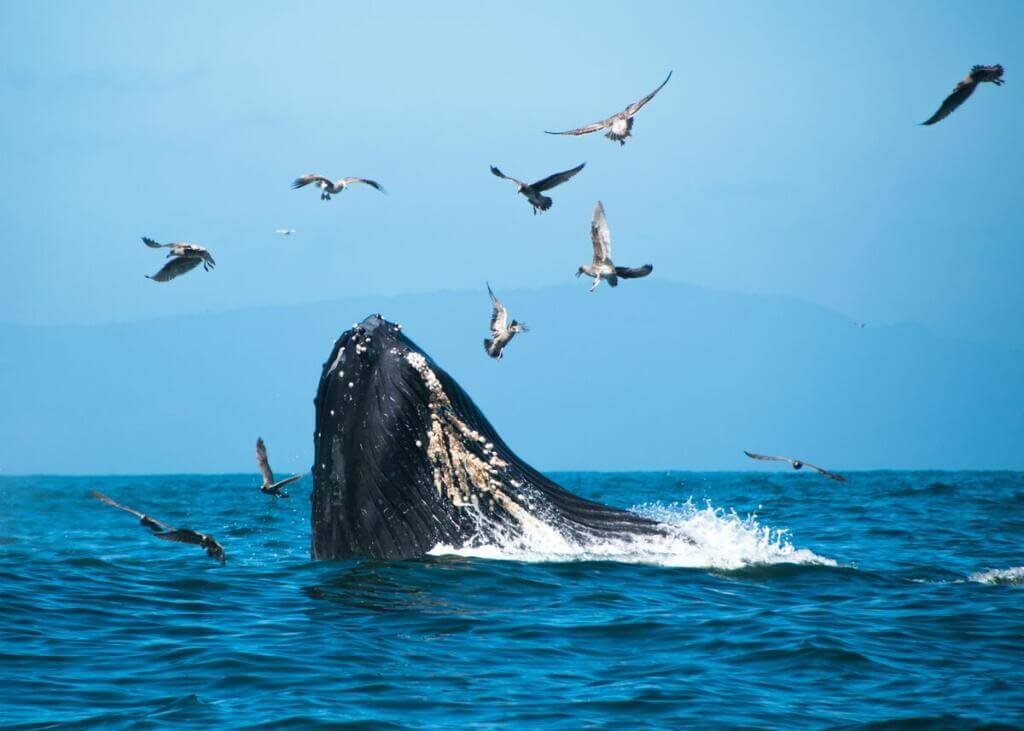
The global ban on whaling has been crucial in stopping unsustainable hunting. The National Oceanic and Atmospheric Administration (NOAA) is playing a vital role in this regard. Creating marine protected areas provides safe spaces for these whales to feed, breed, and migrate.
Understanding the population structure of blue whales, particularly in the North Atlantic (NA), is crucial for developing effective conservation strategies. The NA blue whale population is estimated at only 250 adults in the Northwest Atlantic (NWA) and around 3,000 in the Northeast Atlantic (NEA). The National Oceanic and Atmospheric Administration (NOAA fisheries) currently considers all blue whales in the NA as a single management unit, pending further evidence on population structure.
Conclusion
Understanding and protecting blue whale populations are essential for maintaining healthy ocean ecosystems. As the largest animals on Earth, blue whales, like elephants on land, play a vital role at the top of the marine food chain. Abundance estimates and ongoing research in various regions, including Canada, Australia, Iceland, Mexico, Alaska, Norway, and Greenland, are essential for developing effective conservation strategies.
There is evidence of hybridization between blue whales and fin whales, which could potentially impact the genetic integrity of the already vulnerable blue whale population
Individuals should take action to support conservation efforts, such as reducing their carbon footprint, supporting sustainable seafood practices, and spreading awareness about the importance of protecting these marine mammals.
By addressing ongoing threats, supporting research, and reducing our impact on the oceans we can work towards a brighter future for blue whales and the health of marine ecosystems.
Ocean Insights: Hear From Our Experts

By Hamna Faizan
Marine Life Researcher and Lecturer, with an MSc in Zoology
The journey to full recovery for blue whales is undeniably long and complex, mirroring the intricate web of life within our oceans. Their fate, I believe, is inextricably linked to the health of the entire marine ecosystem, serving as a powerful barometer for our planet's well-being. Ultimately, safeguarding these magnificent giants demands not just scientific ingenuity and policy enforcement, but a profound shift in human interaction with the ocean – a commitment to co-existence that transcends immediate gains and embraces a shared future for all life on Earth.
FAQs
What is the significance of studying blue whale populations?
Understanding blue whale populations is essential for maintaining healthy ocean ecosystems. Blue whales are the largest animals on earth and play a critical role in the food web of marine ecosystems.
Are whale numbers increasing?
Yes, some whale populations are indeed increasing, demonstrating the positive impact of conservation efforts. Species like gray whales and humpback whales have shown remarkable recovery since the implementation of whaling bans and other protective measures. This trend is encouraging and highlights the effectiveness of ongoing conservation initiatives.
What is the current population estimate of blue whales?
Estimates suggest that blue whale populations range between 10,000 and 25,000 individuals worldwide. However, due to past whaling practices, this number is significantly lower than the species’ historical abundance.
What can individuals do to protect blue whale populations?
Individuals can support conservation efforts by reducing their carbon footprint, supporting sustainable seafood practices, and spreading awareness about the importance of protecting blue whales and their ecosystems. Additionally, supporting organizations that protect blue whale populations can help make a difference.


