
Bali is renowned globally for its vibrant culture, spiritual allure, and breathtaking landscapes. One of its most iconic features are the emerald-green rice terraces, carved into the hillsides. These iconic rice terraces are not only agricultural marvels but also intricate ecological systems, shaped by centuries of traditional wisdom and sustainable design.
This article explores how Bali’s rice terraces function as living systems that manage water, stabilize climate, support biodiversity, and exemplify sustainable agriculture rooted in spiritual tradition.
A Landscape Shaped by Generations
The exact number of individual rice farms across Bali is impractical due to their vast and decentralized nature. The island is blanketed by an extensive network of agricultural landscapes. Bali’s rice cultivation spans thousands of hectares, intricately shaped by generations of farmers.
Rice cultivation in Bali spans thousands of hectares, shaped by generations of farmers into a patchwork of terraced fields that seem to flow with the land itself. These terraces make it possible to farm rice on steep hillsides, transforming difficult terrain into productive, ecologically balanced systems.
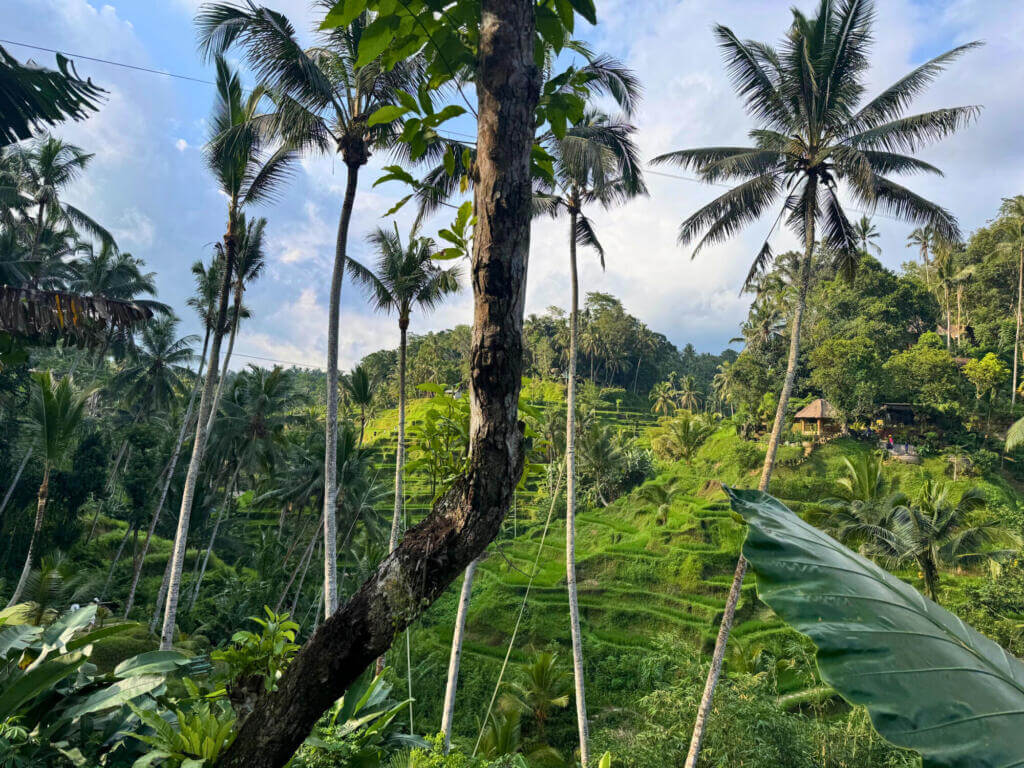
Identifying the exact number of individual rice farms across Bali is impossible due to their vast and decentralized nature and varying sizes. However, according to tradition, each family in Bali will inherit a plot of land for rice cultivation.
Prominent and ecologically significant regions include:
- Jatiluwih Rice Terraces: Located in Tabanan Regency, these are perhaps the most famous and extensive, covering over 600 hectares and recognized as a UNESCO World Heritage site for their scale and the integrity of their Subak system.
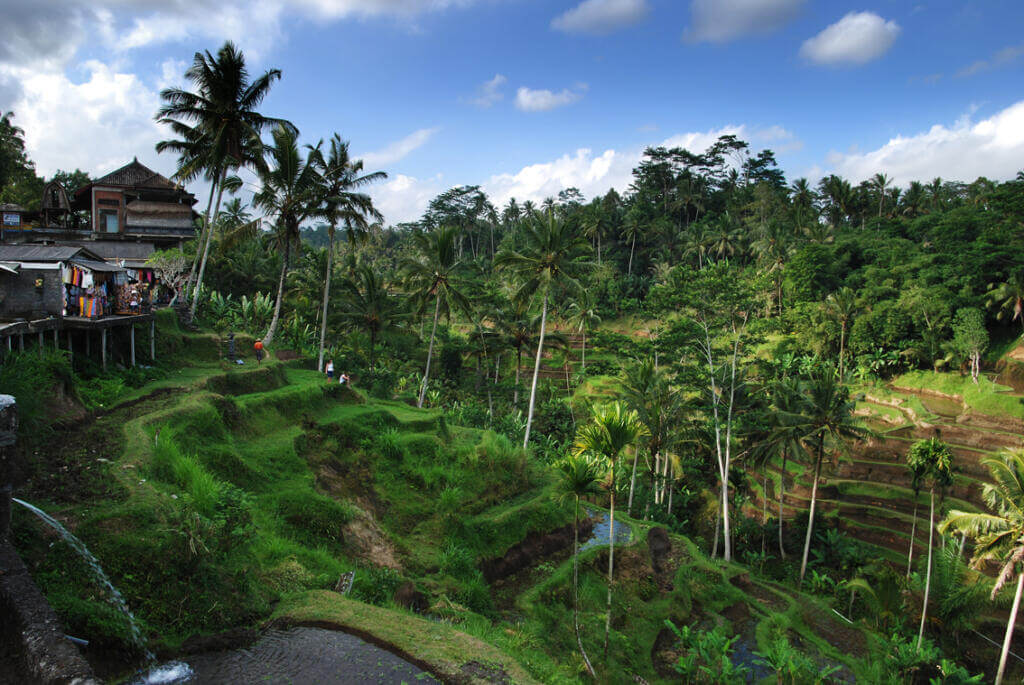
- Tegalalang Rice Terraces: Situated north of Ubud, these are characterized by their dramatic, steep, and highly photogenic terraced formations, drawing many visitors.
- Sidemen Valley: Found in East Bali, Indonesia, this area offers a more tranquil and traditional experience of rice farming, with rolling hills of paddies.
- Pupuan Rice Terraces: Also in Tabanan, these offer another expansive view of terraced landscapes, often less crowded than Jatiluwih.
Traditional farming in these regions is deeply organic. Farmers use compost, manure, and natural pest deterrents, keeping inputs low and maintaining soil health. Many practice integrated farming, raising ducks and fish in the paddies to enhance productivity and ecosystem balance.
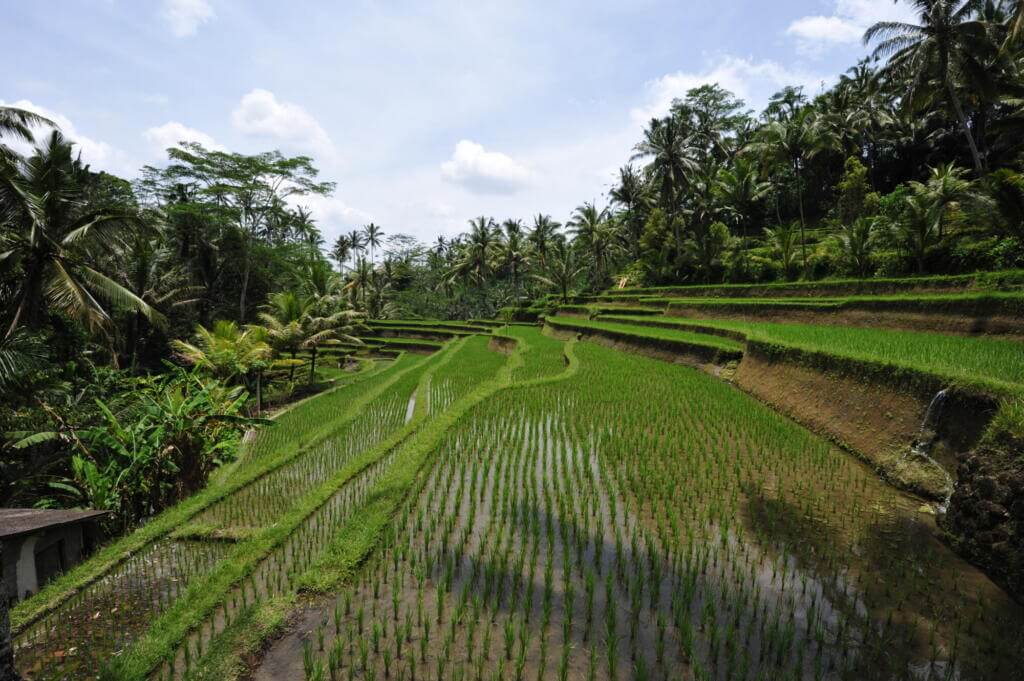
The Subak System
At the heart of Bali’s rice terrace ecosystem lies the Subak system, a traditional, democratic, and self-governing irrigation society unique to the island, dating back to the 9th century.
Subak is a complex socio-religious institution that has managed water distribution for rice paddies in Bali for over a thousand years.
Subak organizes water distribution from mountain springs via a network of canals, tunnels, and weirs, ensuring equitable access. Decisions about planting, water sharing, and maintenance are made democratically among members. This deeply communal approach supports both agricultural productivity and environmental balance.
Farmers belonging to a Subak collectively decide on planting schedules, water allocation, and maintenance, ensuring equitable access to this vital resource. This system is deeply rooted in the Balinese philosophy of Tri Hita Karana, which emphasizes the harmonious relationship between humans, God, and nature.

The water temples, integral to the Subak, serve as focal points for spiritual ceremonies, with Pura Ulun Danu Batur at Lake Batur acting as the supreme water temple, overseeing the distribution of water across the island’s entire network. These temples are not just places of worship; they are the control points for the water flow, ensuring the blessings of the water goddess and fostering communal responsibility. Recognizing its unparalleled value as a living cultural landscape and a model of sustainable water management, UNESCO inscribed the Subak system as a World Heritage site in 2012.
The Subak irrigation system is a living textbook of sustainable agriculture and water management. It demonstrates that human activity, when guided by principles of harmony and community, can not only coexist with nature but actively enhance ecological functions. Protecting these terraces is not just about preserving a beautiful view; it’s about safeguarding a sophisticated, millennia-old wisdom that holds vital lessons for our planet’s future.
Water Management and Conservation
The terraced rice fields, orchestrated by the Subak system, are masterful examples of ecological engineering, primarily serving as sophisticated water management and conservation mechanisms.
- Water Distribution and Filtration: The multi-tiered structure of the terraces is ingeniously designed to slow down the flow of water as it descends the hillsides. This controlled descent prevents rapid runoff, significantly reducing soil erosion and allowing water to be gradually absorbed into the land. As water moves from higher to lower paddies, it undergoes a natural filtration process. Sediment and organic matter settle, and the constant flow over vegetation and soil acts as a natural purification system, improving water quality before it reaches lower fields or eventually rivers. This system also plays a crucial role in recharging underground aquifers, contributing to the island’s freshwater reserves.
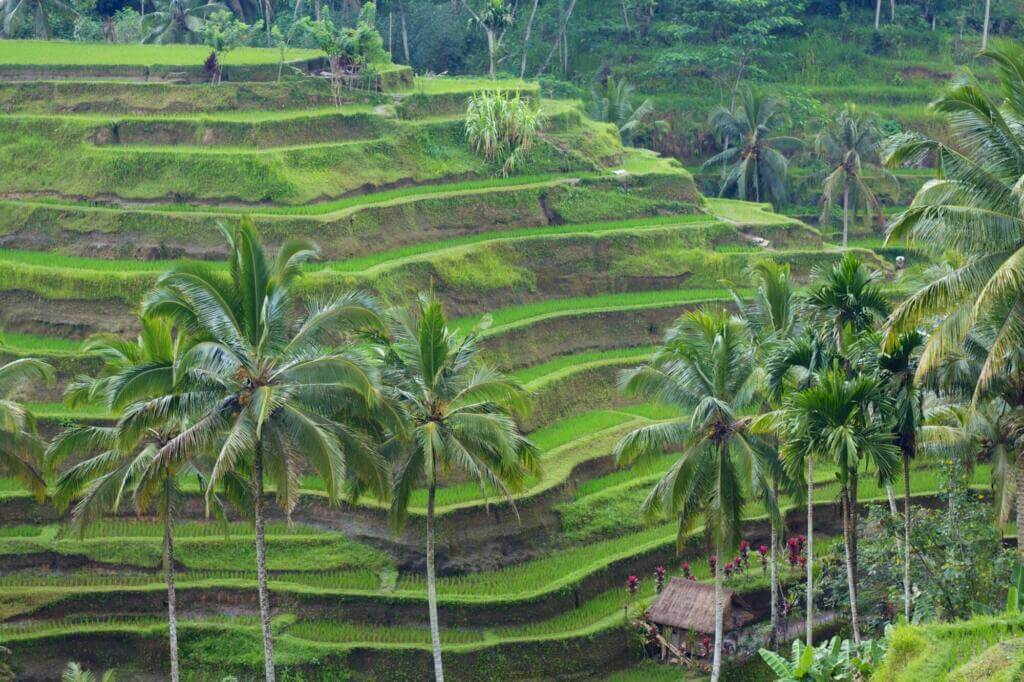
- Microclimate Regulation: The vast expanse of water surfaces within the paddies, combined with the dense rice vegetation, significantly influences the local microclimate. The water absorbs solar radiation during the day and releases it slowly at night, moderating temperature fluctuations. Evaporation from the paddies increases atmospheric humidity, which can contribute to localized rainfall patterns and provides a cooler, more stable environment beneficial for both crops and local flora and fauna. This creates a unique, localized climate zone distinct from surrounding drylands.
Biodiversity
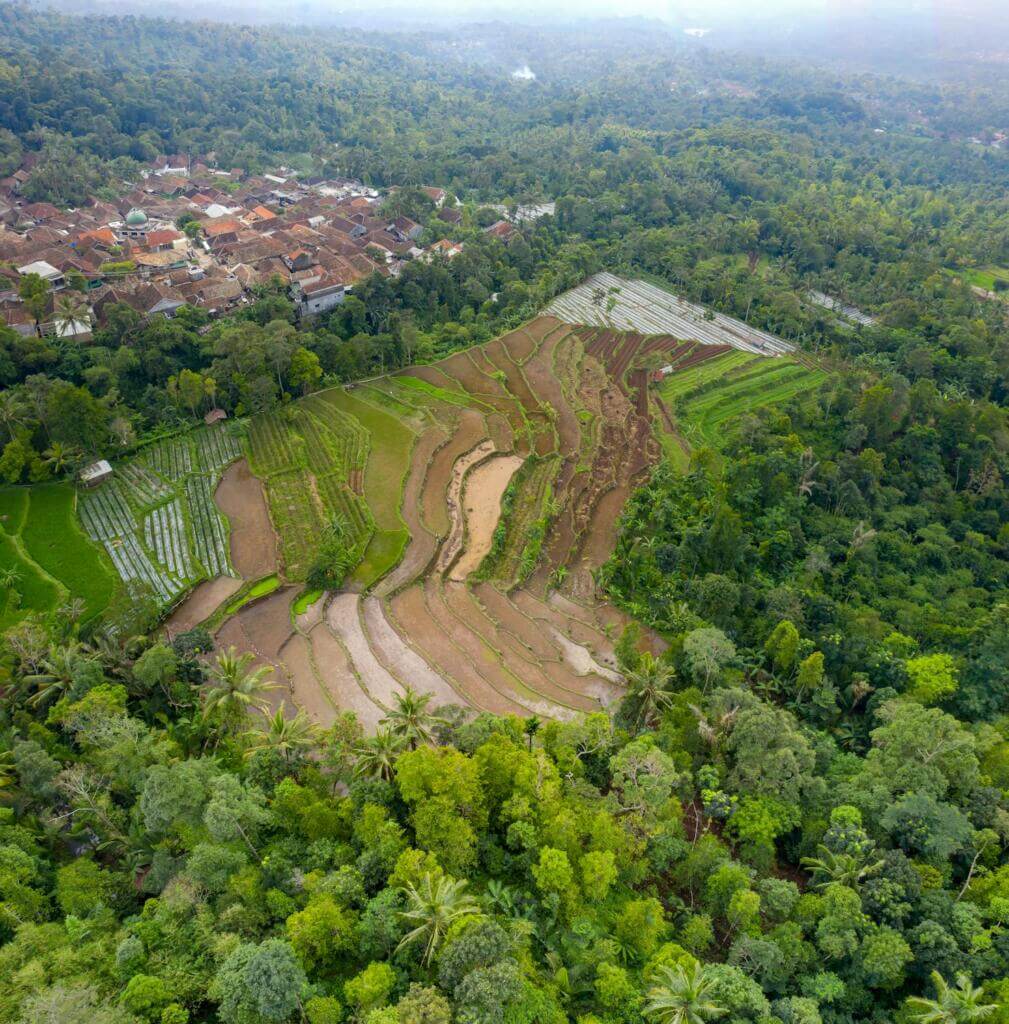
Beyond their agricultural function, Bali’s rice terraces are vibrant, dynamic ecosystems that serve as crucial biodiversity hotspots, supporting a rich tapestry of life.
- Habitat Creation: The intricate network of irrigation canals, small ponds, bunds (earthen walls separating paddies), and the paddy fields themselves creates a mosaic of diverse aquatic and semi-aquatic habitats. These varied environments attract and sustain a wide array of species. The flooded paddies are home to various fish species like carp and tilapia, as well as frogs, snakes, and aquatic insects. The surrounding vegetation and water bodies provide nesting and foraging grounds for numerous bird species, including egrets, kingfishers, and various waterfowl. Even small mammals and reptiles find refuge within this complex landscape.
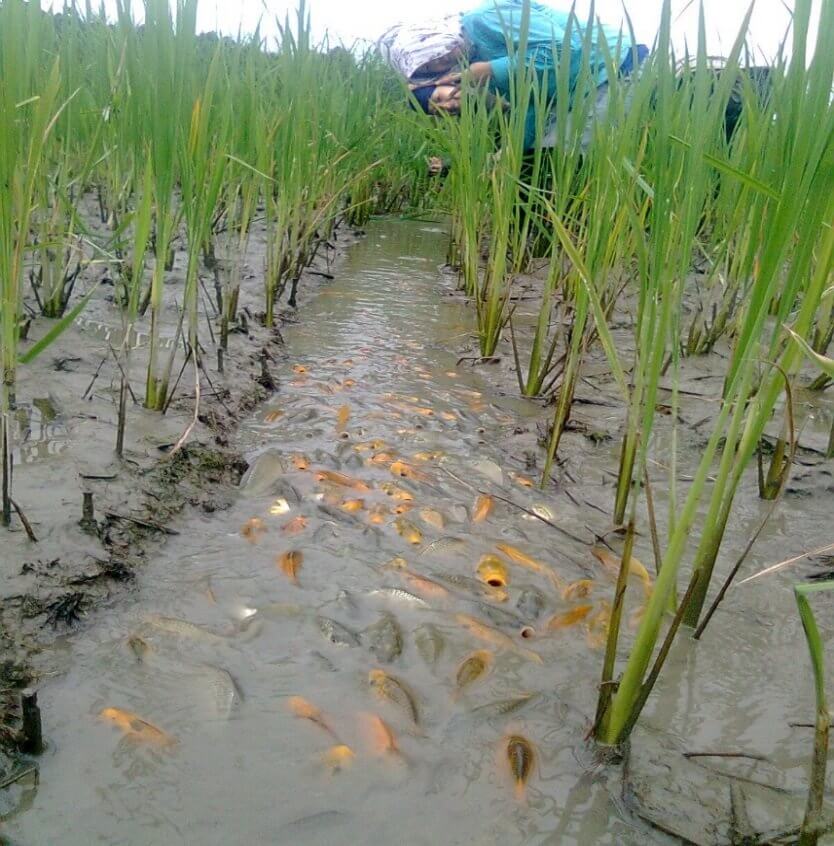
- Natural Pest Control: The integrated nature of the rice terrace ecosystem promotes natural pest control, reducing the reliance on harmful chemical pesticides. The fish and ducks often introduced into the paddies feed on insect larvae, weeds, and snails, acting as natural biological controls for the rice crop. Birds prey on insects, and the presence of diverse insect populations supports a healthy food web that keeps potential rice pests in check. This natural balance minimizes the need for external chemical inputs, contributing to healthier soil and water.
- Genetic Diversity: The Subak system traditionally encourages the cultivation of a wide array of local, indigenous rice varieties. These traditional strains are often highly adapted to the specific local conditions, including soil types, water availability, and pest pressures. Maintaining these diverse rice varieties is crucial for agricultural genetic diversity, providing a valuable gene pool for future food security and resilience against diseases or changing environmental conditions.
Challenges and the Future of the Terraces
Despite their ecological brilliance and cultural depth, Bali’s rice terraces face significant modern challenges. The burgeoning tourism industry, while economically beneficial, has led to land conversion for villas and resorts, fragmenting the agricultural landscape and disrupting water flow. Younger generations are increasingly drawn away from traditional farming towards tourism-related jobs, threatening the continuity of the Subak system.
That said, not all hope is lost. In places like Tegalalang, tourism and farming are finding ways to coexist. Many of these terraces are still actively cultivated while also welcoming visitors through designated trails, scenic cafes, ziplining activities, and curated photo spots that allow people to enjoy the beauty without disrupting the land. This approach offers a glimpse into how sustainable tourism could support rather than replace traditional systems.
Furthermore, global climate change, with its unpredictable rainfall patterns and increased frequency of extreme weather events, poses a direct threat to the water-dependent rice cultivation. Preserving the Subak system is not merely about maintaining a picturesque landscape; it is about safeguarding an invaluable ecological infrastructure and a profound cultural heritage that offers lessons in sustainability for the entire world.
Conclusion
In conclusion, Bali’s rice terraces are far more than just a visual spectacle; they represent a pinnacle of ecological wisdom and sustainable human-nature interaction. From their intricate role in water management and microclimate regulation to their function as vibrant biodiversity hotspots, these terraced landscapes are complex, living ecosystems. They stand as a powerful testament to how traditional practices can foster profound ecological benefits. Appreciating and actively protecting this unique example of human-nature harmony is paramount for Bali and its
invaluable contributions to global understanding of sustainable living.
Ocean Insights: Hear From Our Experts

By Hamna Faizan
Marine Life Researcher and Lecturer, with an MSc in Zoology
Despite modern pressures, the resilience of Bali's rice terraces is truly remarkable. They stand as a vital reminder that traditional ecological knowledge holds immense value for future sustainability. Their ability to manage water, foster biodiversity, and maintain soil health for centuries offers critical insights into building food systems that are both productive and environmentally sound, lessons we urgently need to apply worldwide.
FAQs
Can visitors walk through the rice terraces, and are there specific trails?
Yes, visitors are generally welcomed to walk through many of Bali’s rice terraces, especially in popular areas like Tegalalang and Jatiluwih for tourism development. There are often designated paths and trails that wind through the paddies, allowing for an immersive experience. It’s important to stay on marked paths to avoid damaging the crops or irrigation systems. Some areas may have small fees collected by local farmers for access or maintenance.
What is the best time of year to visit the rice terraces to see them at their greenest?
The appearance of the terraces varies throughout the year depending on the planting and harvesting cycles. Generally, the best time to see the terraces at their most vibrant green is during the rainy season (October to April) or shortly after, when the rice is actively growing. The fields are typically flooded and planted between October and December, turning lush green from January to March.
Are there specific tours or guides recommended for visiting the rice terraces?
Many local tour operators offer guided tours to the prominent rice terraces, often combining them with visits to temples or coffee plantations. Hiring a local guide can enhance the experience by providing insights into the Subak system, farming practices, and local culture. For a more authentic experience, some farmers in less touristy areas may offer informal tours.
Is the rice grown in these terraces exported, or is it primarily for local consumption?
The vast majority of the rice produced through the Subak system is intended for local consumption. It forms a fundamental part of the Balinese diet and contributes significantly to the island’s food security. The focus of the Subak system is on communal sustenance and equitable distribution rather than large-scale commercial export.


