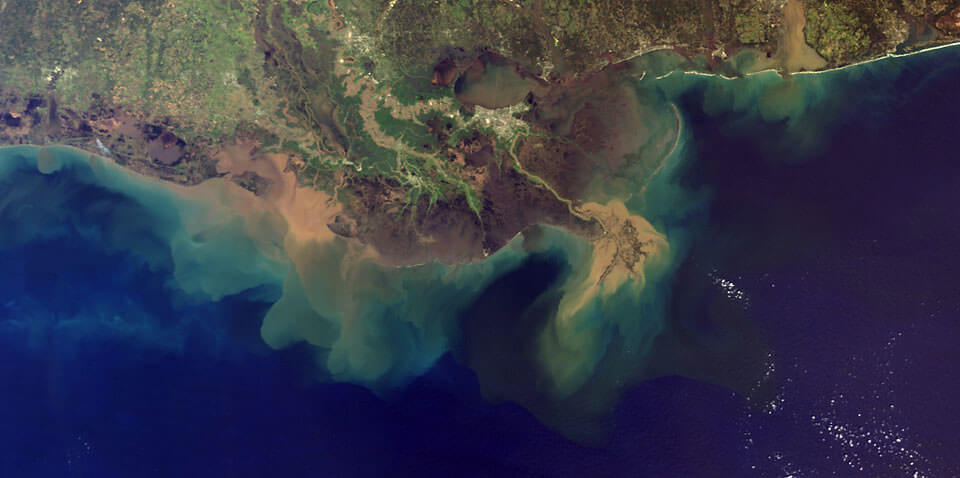

The Gulf of Mexico Dead Zone, also known as a hypoxic zone, is a significant environmental concern, developing annually when nutrient-rich water from the Mississippi River basin flows into the Gulf of Mexico. This influx of nutrients, caused by pollution from agricultural runoff in the Midwest, while essential for plant and fishery productivity, triggers a chain reaction that depletes oxygen levels along the Gulf’s seafloor, creating a low-oxygen area where most marine life cannot survive.
In June 2023, scientists from the NOAA (National Ocean Service and Atmospheric Administration) estimated that the dead zone covers approximately 6,705 square miles—equivalent to over 4 million acres of habitat, or the size of New Jersey. This vast area of low oxygen poses a substantial threat to Gulf of Mexico ecosystems, affecting diverse marine species and impacting the ecological balance.
This article dives into the causes and consequences of the Gulf of Mexico Dead Zone, from the biological processes driving hypoxia to the economic and environmental ripple effects. It also explores potential solutions, including conservation practices, sustainable agricultural methods aimed at reducing its size and mitigating its impacts.
What Is a Hypoxic Zone?
A hypoxic zone, often called a “dead zone,” is an area in a water body where oxygen levels fall below the threshold needed to sustain most marine life, typically below 2 mg/L.
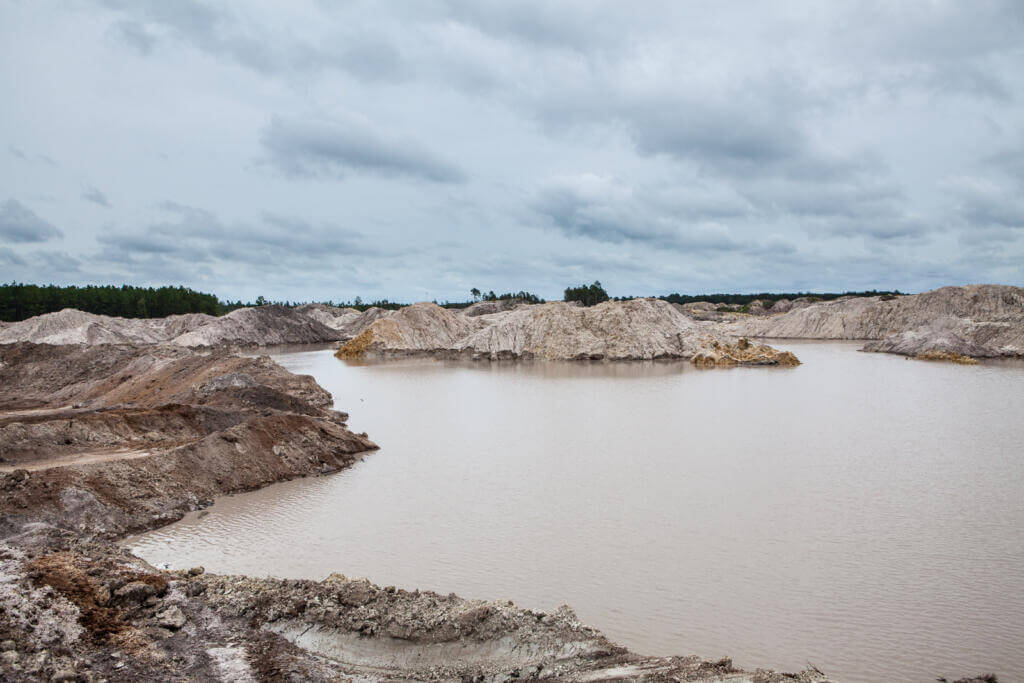
This low oxygen condition, or hypoxia, makes it challenging for aquatic species to survive, leading to the displacement or death of fish and other marine organisms. Hypoxic zones often form due to excessive nutrient pollution, which fuels algae growth that depletes oxygen as it decays.
Most recently, scientists have observed the hypoxic zone in the Gulf of Mexico to be growing:
“The area of bottom-water hypoxia was larger than predicted by the Mississippi River discharge and nitrogen load for 2024, but within the range experienced over the nearly four decades that this research cruise has been conducted,” said Nancy Rabalais, Ph.D. professor at Louisiana State University and LUMCON, and co-chief scientist.
Causes of the Gulf of Mexico Dead Zone
The Gulf of Mexico’s dead zone forms through nutrient inflows, seasonal water conditions, and biological processes from midwestern farms. Here are some of the main reasons for its occurrence:
What is Eutrophication?
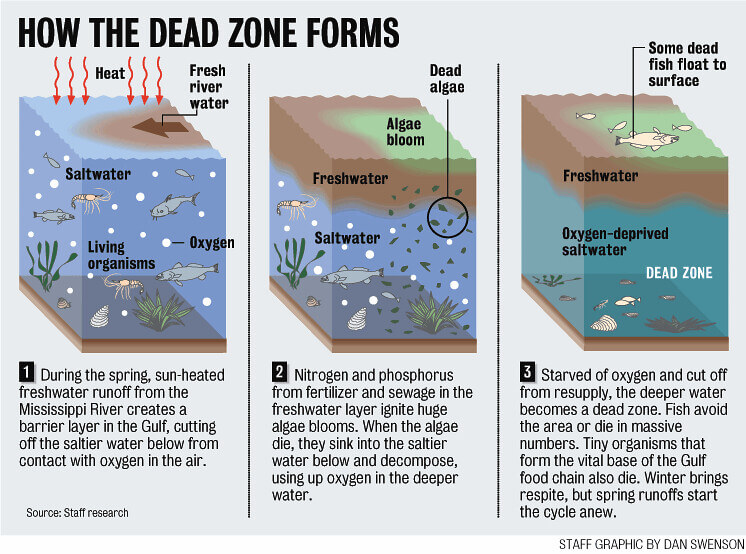
Eutrophication is the process that causes hypoxic zones to occur. It describes the process where excessive nutrients, particularly nitrogen and phosphorus, lead to rapid algae growth in water bodies. This algae eventually dies and decomposes, consuming large amounts of oxygen and resulting in hypoxic conditions or dead zones. Eutrophication-induced dead zones disrupt marine ecosystems, reduce biodiversity, and harm local fisheries, impacting both the environment and regional economies.
Agricultural Runoff from the Midwest
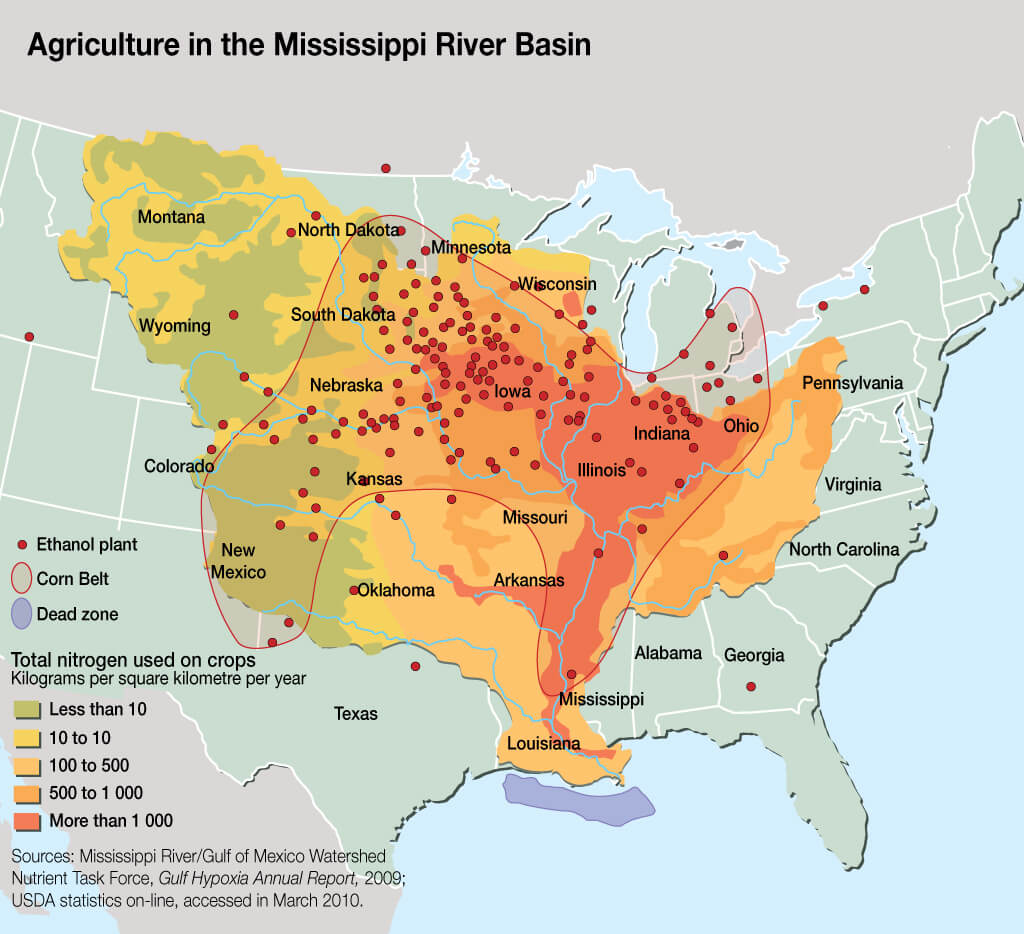
Each spring, melting snow and rain wash vast amounts of nitrogen and phosphorus, stemming from fertilizers used in midwestern farmland, lawns, and sewage plants. These runoffs flow into the Mississippi River and eventually into the Gulf.
A recent study highlighted that just a few extreme rainfall events contribute around one-third of the annual nitrogen runoff, exacerbating the dead zone. This pattern of intense rainfalls is expanding northward, affecting the Corn Belt states more frequently. Strategies to reduce nitrogen runoff include improved timing of fertilizer applications, using nitrogen inhibitors, and adopting conservation practices. However, limited funding and high costs make these solutions challenging for many farmers.
Nutrients Pollution
Nutrient pollution is caused by urban runoff, sewage discharge, and industrial activities. Urban areas contribute through lawn fertilizers, pet waste, and stormwater runoff, while wastewater treatment plants release nitrogen and phosphorus directly into the watershed. This leads to significant challenges for marine life – mobile species like fish and shrimp can escape, but slower or immobile organisms like crabs, worms, and clams often perish in these “dead zones.”
Efforts to mitigate nutrient pollution focus on agricultural practices, such as timing fertilizer applications to avoid heavy rains, using cover crops to reduce runoff, and employing wetlands as natural nutrient filters.
“Nutrient pollution impacts water bodies across the country and in the Gulf of Mexico it has resulted in a dead zone, where low to no oxygen does not support fish and marine life,” said Bruno Pigott, acting assistant administrator of the EPA’s Office of Water.
Algal Blooms
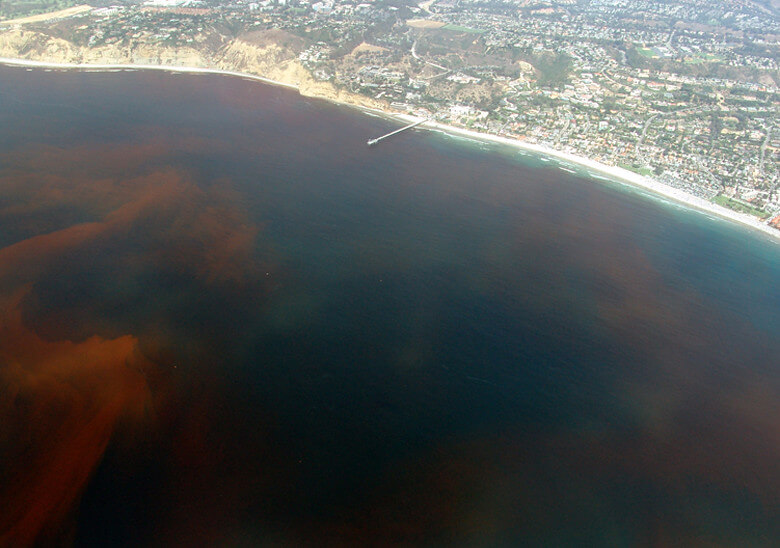
Fertilizer use further contributes to algal bloom, causing a rapid increase in algae within freshwater or marine systems, and ending in visible water discoloration. Algal blooms affect the ecosystem by blocking sunlight which depletes oxygen. Some algae release toxins, leading to fish die-offs, water supply issues, and fishery closures.
Consequences
The Gulf of Mexico’s “dead zone” has wide-reaching consequences, impacting marine ecosystems, local economies, and human health. The dead zone disrupts biodiversity, fisheries, and water quality, creating ecological and economic challenges. Understanding the consequences of the dead zone highlights the urgent need for environmental management to address and mitigate its effects.
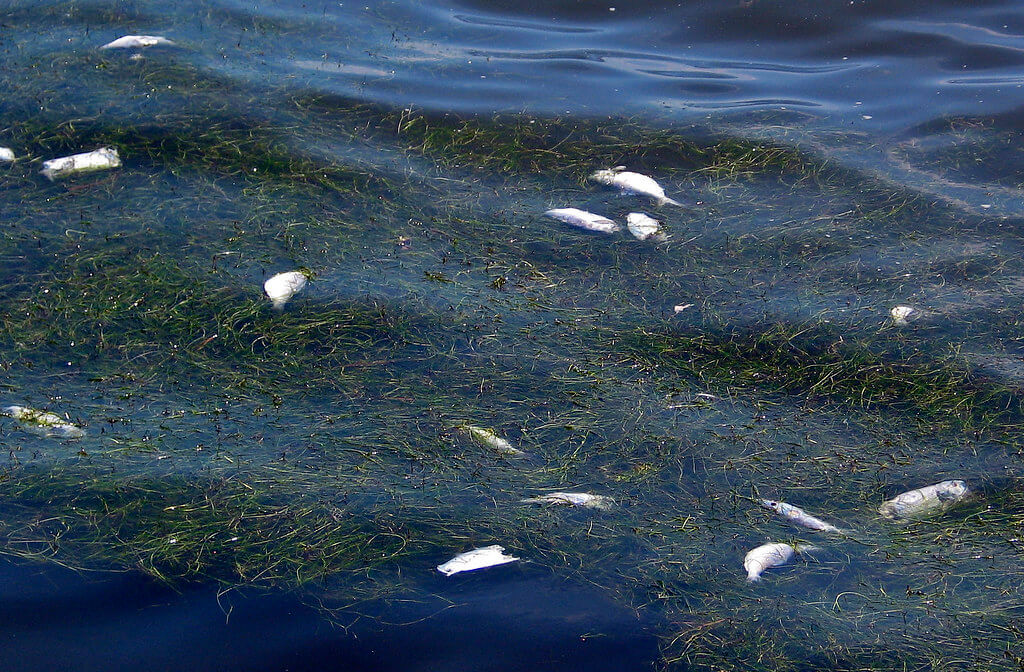
- Fish and shellfish mortality: Low oxygen levels in the Gulf of Mexico lead to fish and shellfish mortality, disrupting reproduction, particularly for species unable to relocate. Critical habitats such as seagrass beds and coral reefs also deteriorate, threatening the species that rely on them. These changes shrink fish and shrimp populations, causing economic losses for local and national seafood industries.
- Loss of biodiversity: Hypoxic zones lead to a loss of biodiversity, particularly affecting oxygen-sensitive species and top predators. Eutrophication worsens the issue by promoting harmful algal blooms, further disrupting ecosystems. These zones also disrupt nutrient cycling, reducing productivity in surrounding waters, and release greenhouse gases, contributing to global warming. NOAA forecasts suggest that warming waters could intensify storms, exacerbate hypoxia, and further threaten the region’s ecological balance.
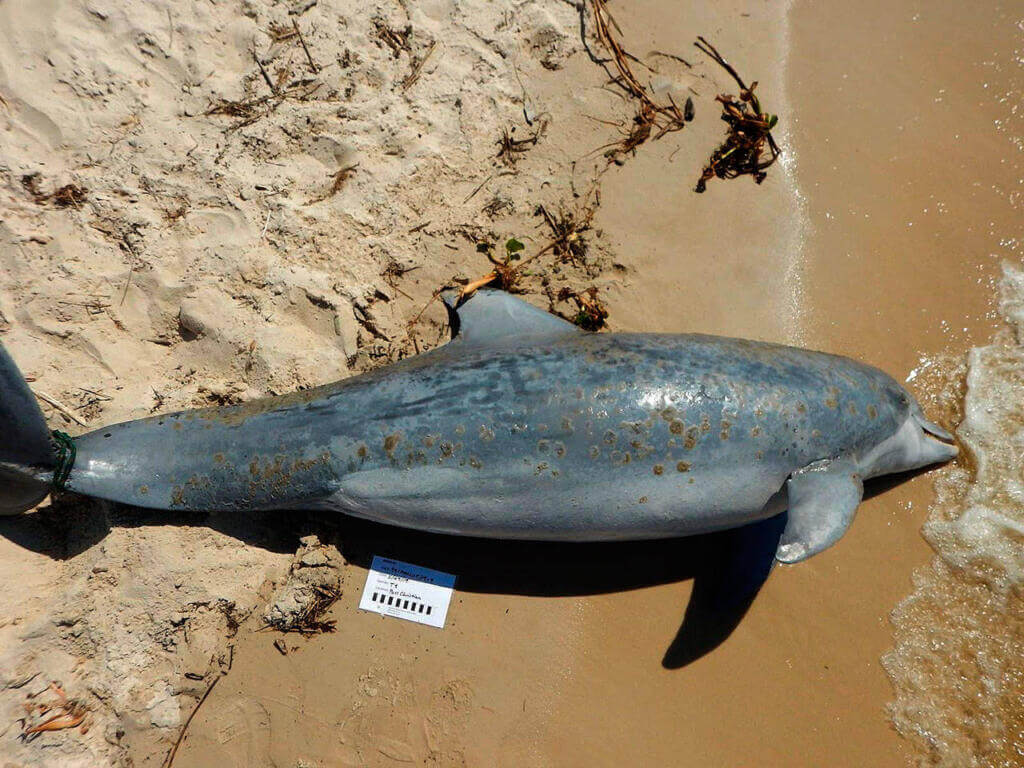
- Climate Change: Decomposition in dead zones produces greenhouse gases like methane and nitrous oxide, contributing to climate change. Warming temperatures and rising nutrient levels lead to larger and more frequent dead zones globally. Species like dolphins, whales, and sea turtles may avoid dead zones, altering natural migratory and breeding patterns. If dead zones expand and persist, they can permanently alter marine ecosystems.
The State of the Gulf of Mexico Hypoxic Zone in Recent Years
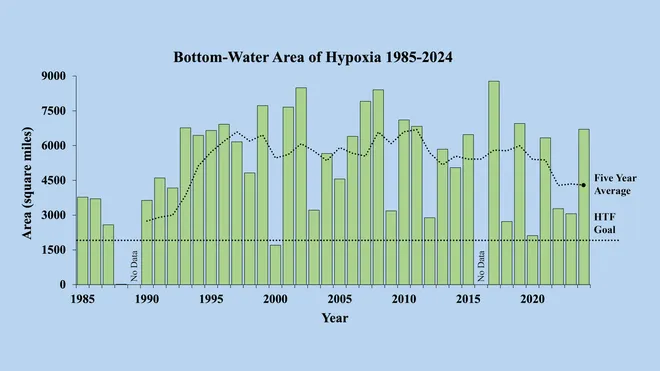
The five-year average size of the hypoxic zone is now 4,347 square miles, which is over two times larger than management targets. Since records began in 1985, the largest hypoxic zone measured was 8,776 square miles in 2017.
The size of the dead zone in 2024 is about 3.5 times higher than the 2025 reduction target of 1,930 square miles set by the Mississippi River Nutrient Task Force, according to NOAA.
“It’s critical that we measure this region’s hypoxia as an indicator of ocean health, particularly under a changing climate and potential intensification of storms and increases in precipitation and runoff,” said Nicole LeBoeuf, assistant administrator of NOAA’s National Ocean Service.
Potential Solutions
One of the key solutions involves reducing the amount of nitrogen and phosphorous entering the Mississippi River Basin. Strategies include implementing river diversions to direct sediment and nutrient-rich water into coastal wetlands, where these nutrients can fuel wetland plant growth instead of flowing into the Gulf and contributing to the Dead Zone.
1. Wetlands Restoration and Natural Infrastructure
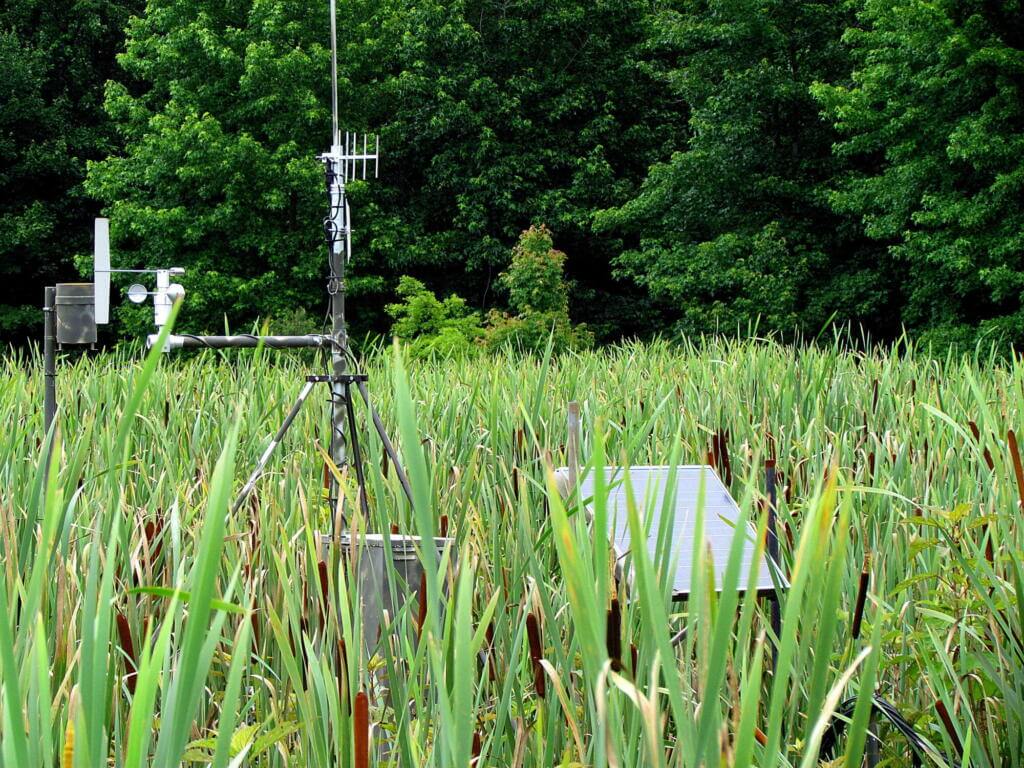
Wetlands act as natural filters, removing excess nutrients from rivers and streams before they reach the Gulf Coast. Restoring wetlands, maintaining connections between rivers and floodplains, and creating buffer zones around agricultural areas can significantly decrease the nutrient load that contributes to hypoxia in coastal waters.
2. Water Quality Protections
Defending policies like the Clean Water Act, which has been instrumental in reducing water pollution, is essential for maintaining protections over wetlands and streams in the Mississippi Basin. Advocates are working to prevent legislative rollbacks that would weaken these protections, ensuring continued support for clean water initiatives.
3. Partnerships with Environmental Organizations
Organizations like the National Wildlife Federation, Environmental Defense Fund, and the National Audubon Society work collaboratively across the basin to support nutrient reduction strategies, restoration projects, and advocacy efforts aimed at improving water quality and reducing the hypoxic zone.
4. Implementing Better Farming Practices
The Environmental Defense Fund and National Wildlife Federation are working with farmers across the Mississippi Basin to adopt sustainable farming practices that help reduce nutrient runoff. Efforts include promoting the use of cover crops, establishing buffer strips along waterways, and re-establishing floods to intercept nutrients before they enter major water systems.
5. Reducing Fertilizer Use
Farmers are encouraged to adopt precision agriculture techniques that optimize the timing, placement, and quantity of fertilizer applied to crops, minimizing runoff into nearby water bodies. Organizations are providing resources, such as manuals and workshops, to help farmers understand the environmental impacts of fertilizer use and adopt practices that conserve nitrogen and phosphorous, which, if implemented widely, could significantly reduce the nutrient load reaching the Gulf of Mexico.
Facts About the Gulf of Mexico Dead Zone
- The first time the Gulf of Mexico’s dead zone was reported was in 1950. It wasn’t until 1970, when its size had grown considerably that it became the subject of scientific research.
- During the years of heavy rainfall the size of the Gulf of Mexico’s dead zone increases and when there is drought or decreased rainfall the dead zone is smaller.
- In 1988 the Gulf of Mexico’s dead zone was only 15 square miles.
- Dead zones in the Gulf of Mexico can be devastating to the fishing industry. It is estimated that 40% of the seafood in the United States originates in the Gulf of Mexico.
Which is the Largest Dead Zone in the World?
The world’s largest dead zone is found in the Arabian Sea, stretching along the coasts of Pakistan and India. The size of the dead zone covers an estimated 63,700 square miles.
Can dead zones be reversed?
Unfortunately, very few dead zones have been recovered or reversed. In the 1990s, when the Soviet Union greatly reduced fertilizer runoff, the Black Sea rebounded. However, for many, fertilizer reduction is not a simple choice.
Are dead zones harmful to humans?
Dead zones are not a direct threat to humans, but they are extremely harmful to fish, crabs, oysters, and other aquatic animals that humans rely on for seafood and livelihoods.
When did the Gulf of Mexico dead zone happen?
The Dead Zone was first recorded in the early 1970’s. It originally occurred every two to three years, but now occurs annually.


