
Maya Bay, a renowned beach in the Phi Phi Islands, Krabi, Thailand, is celebrated not just for its crystal-clear waters and natural charm but for a unique combination of attributes that make it truly special. Its secluded cove, framed by towering limestone karsts, offers a photogenic allure that captured global imagination, particularly after its feature in the film The Beach. This breathtaking natural amphitheater quickly rose to iconic status, drawing visitors worldwide. However, this immense popularity led to significant environmental degradation, pushing this paradise to the brink.
Today, Maya Bay stands as a powerful case study of a biodiversity hotspot nearly lost to overtourism, now transformed into a leading model of ecological recovery. This article digs into the critical conservation efforts undertaken to restore this delicate ecosystem, exploring the profound ecological, economic, and cultural significance of Maya Bay as it charts a path towards sustainable tourism for future generations.
Inside Maya Bay: What Makes This Cove So Unique
Located on the island of Phi Phi Leh, Maya Bay is not merely a beautiful backdrop; it is a complex natural system shaped by ancient geological forces and teeming with diverse life. Its distinctiveness comes from a remarkable combination of its physical formation and the vibrant ecosystems it harbors.
- Geology: The bay’s iconic landscape is a testament to millions of years of natural sculpting. Towering limestone karsts, characteristic of the Andaman Sea, dramatically encircle the cove. These sheer cliffs were formed through extensive erosion by wind and water over geological timescales, carving out the sheltered, calm bay that defines Maya Bay.
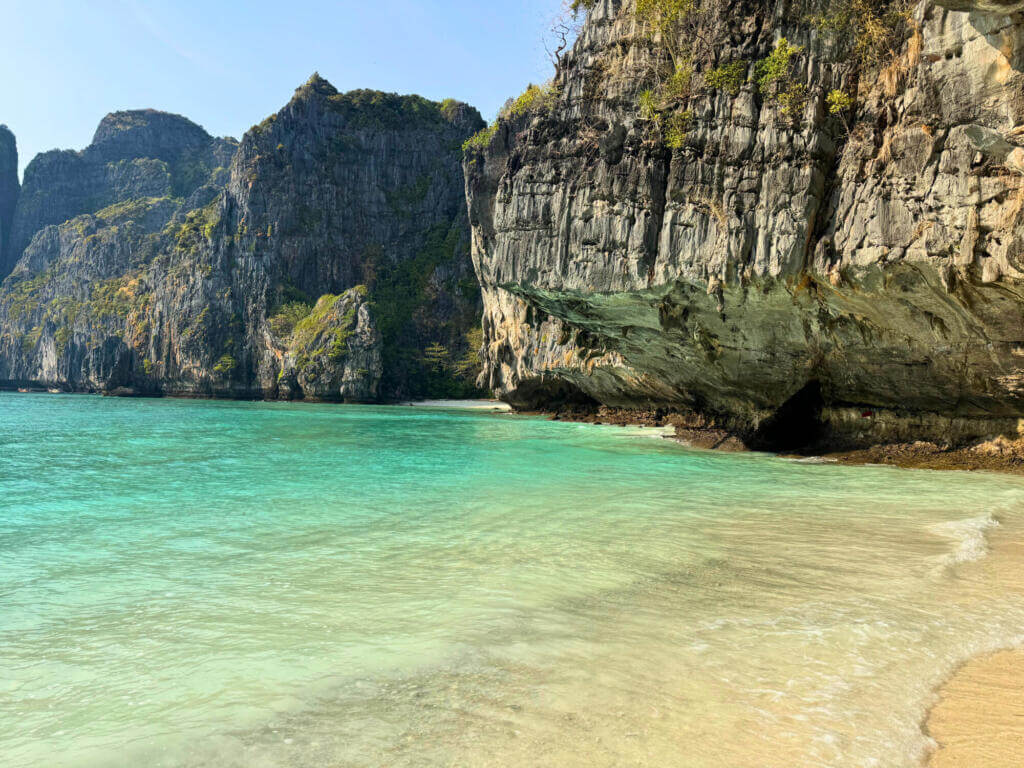
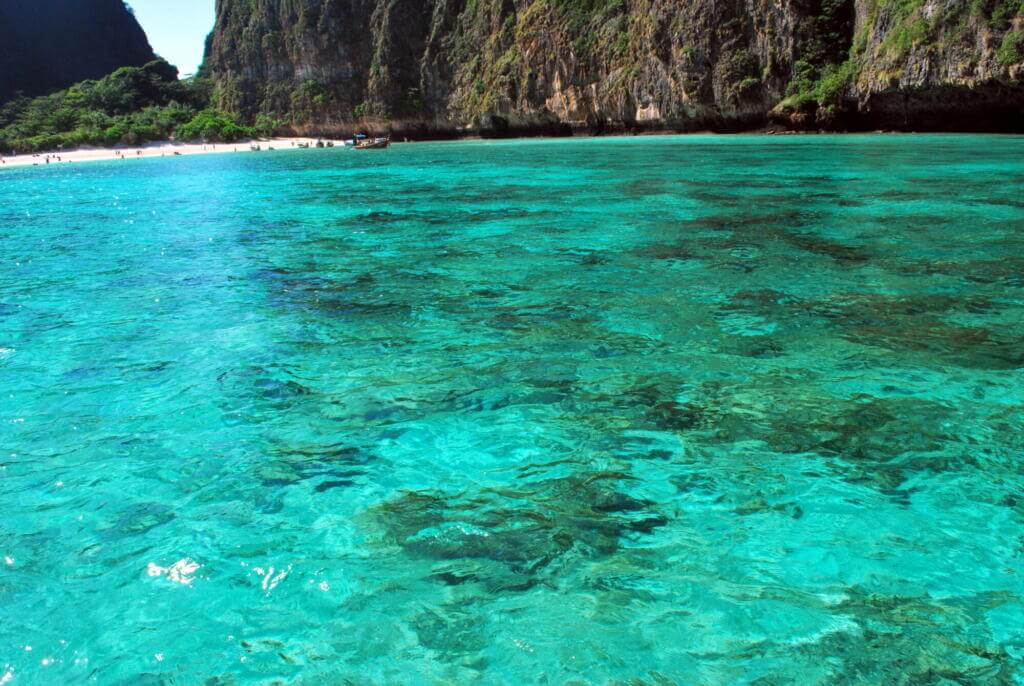
- Marine Life: Beneath its clear, turquoise surface, Maya Bay thrives as a significant biodiversity hotspot. Its marine ecosystem supports a rich array of species, forming a delicate food web. Core inhabitants include the agile blacktip reef sharks, which have notably returned to the bay’s waters, alongside colorful fish such as clownfish, damselfish, and parrotfish. These populations are sustained by diverse coral communities, with species like robust staghorn corals, intricate brain corals, and delicate soft corals forming vital underwater habitats. The bay also sees occasional, but significant, visitors like graceful sea turtles and the distinctive lionfish, further underscoring its ecological richness.
- Terrestrial Life: The life within Maya Bay extends beyond its marine realm. The dramatic limestone cliffs themselves provide unique habitats for terrestrial species. Various cliff-nesting birds find refuge and breeding grounds on the sheer rock faces. Crabs scuttle along the rocky shores and crevices, while bats emerge at dusk, utilizing the bay’s caves and surrounding vegetation.
- Cultural Significance: Maya Bay has become an iconic symbol of Thailand’s natural beauty, attracting visitors from around the world. Its image is used to promote tourism and showcase the country’s stunning landscapes. Protecting Maya Bay is therefore essential for preserving Thailand’s cultural heritage.
The Conservation Crisis & Closure
The release of The Beach in 2000, starring Leonardo DiCaprio, transformed Maya Bay from a relatively quiet tropical paradise into a global bucket-list destination. The film portrayed the cove as a secluded, untouched Eden, and in doing so, it inadvertently set off a tourism boom that Maya Bay was never ecologically equipped to handle.
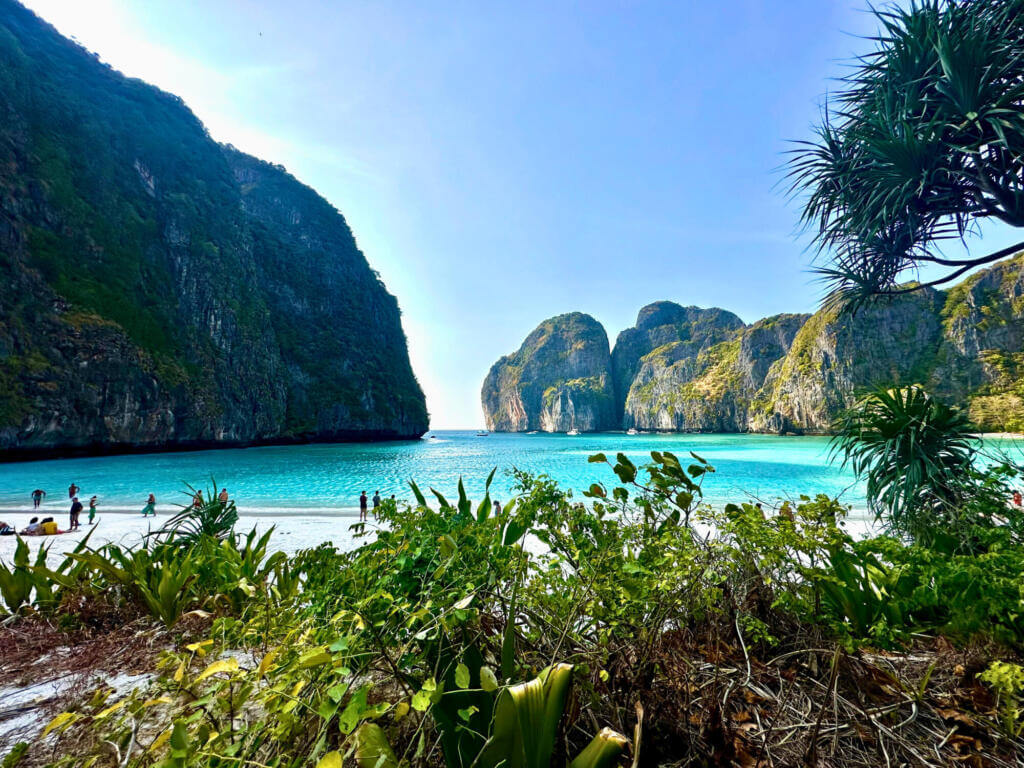
In the years following the movie’s release, the bay saw a staggering surge in visitors, often 5,000 or more people per day, arriving by dozens of speedboats and longtail boats. Unfortunately, this sudden and uncontrolled influx of tourism overwhelmed the fragile ecosystem.
Anchors from boats destroyed large sections of coral reef, while careless snorkelers and swimmers trampled corals, contributing to their bleaching and breakage. The sheer volume of foot traffic on the beach led to erosion, and the lack of adequate infrastructure caused litter, sunscreen chemicals, and untreated wastewater to accumulate in the water and sand.
Unlike destinations designed for mass tourism, Maya Bay had no natural buffers or systems in place to absorb this level of human activity. Over time, fish populations declined, water quality dropped, and once-common species began disappearing. Marine biodiversity plummeted, and large portions of the coral reef system died off, prompting marine biologists and environmentalists to sound the alarm.
By 2018, the damage was undeniable. Authorities from Thailand’s Department of National Parks made the difficult but necessary decision to close Maya Bay indefinitely, cutting off access to allow the environment a chance to recover.
Restoration Efforts
This pivotal decision marked the beginning of a concerted effort led primarily by the Department of National Parks, Wildlife and Plant Conservation (DNP) of Thailand. The DNP, working in close collaboration with marine biologists from various universities, local communities, and non-governmental organizations (NGOs) such as the Phuket Marine Biological Center, spearheaded the bay’s rehabilitation. Their comprehensive conservation efforts included:
- Coral Replanting: Damaged coral reefs were carefully replanted with new coral colonies, a careful process involving the cultivation of coral fragments in nurseries and their transplantation onto damaged reef areas. This initiative aimed to accelerate the natural recovery of the bay’s underwater ecosystems.
- Beach Restoration: Natural processes were allowed to restore the eroded beach. The DNP implemented measures to prevent further erosion and allowed the natural accumulation of sand, ensuring the beach could recover its original form.
- Waste Management: Improved waste management systems were put in place to prevent pollution. This involved not only cleanup operations within the bay but also broader initiatives across the Phi Phi Islands to manage waste effectively and prevent it from reaching marine environments.
- Visitor Restrictions: Strict limits were placed on the number of visitors allowed daily. Upon reopening, the DNP implemented a reservation system and a cap on daily visitors to drastically reduce human impact.
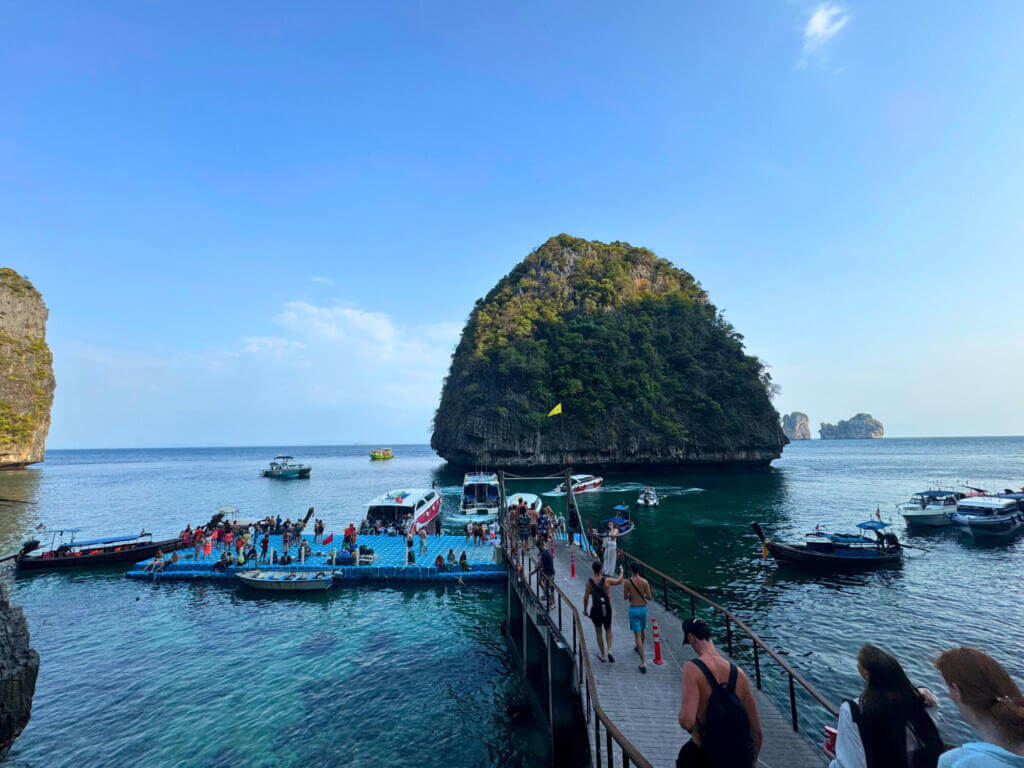
- Boat Regulations: Boats were prohibited from anchoring in the bay to protect the coral reefs. Instead, a designated pier was constructed on the opposite side of the island, requiring visitors to walk to the bay, thereby eliminating anchor damage and reducing noise and fuel pollution within the main cove.
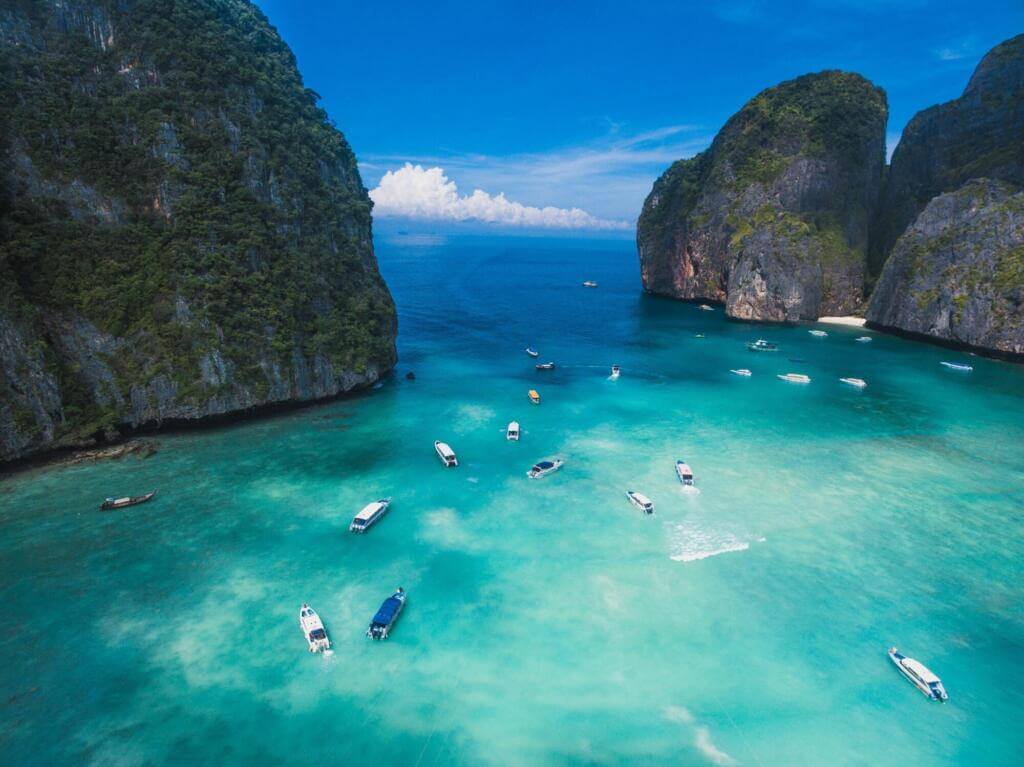
The recovery process was closely monitored by DNP officials and collaborating marine biologists, who tracked the health of the coral reefs, the condition of the beach, and the overall marine life.
The success of these conservation efforts depended on understanding and facilitating the ecological processes at play. The absence of human disturbance allowed the bay’s natural systems to begin healing.
Scientists observed a significant increase in biodiversity. Notably, blacktip reef sharks, once rare, began to return to the bay’s clear waters, indicating a healthier food chain and ecosystem. Furthermore, the bay saw a resurgence in jellyfish populations. This natural resurgence of key species played a crucial role in the overall health and balance of the ecosystem.

Reopening
The success of closely monitoring the ecosystem became increasingly evident. Within months of closure, blacktip reef sharks — once driven away by noise and human activity — began to return to the bay’s shallow waters, signalling the slow restoration of a functioning food chain. Coral colonies began to regenerate, fish populations diversified, and even jellyfish and sea turtles were spotted more frequently, indicating broader ecological balance.
After nearly four years of regeneration and strict protection, Maya Bay officially reopened to tourists in January 2022 — not as it once was, but as a model for responsible tourism. This moment marked a turning point: a globally recognized example of how decisive, science-led intervention can reverse environmental decline. The reopening came with strict new measures designed to safeguard the bay’s recovery and ensure its future resilience.
Seasonal Closure
One of the key strategies in preserving Maya Bay has been the introduction of annual closures, which are still ongoing today. Typically occurring for a period each year (often from 1st August to September or October, though dates can vary), this closure provides the bay with an essential period of undisturbed rest.
During this time, the ecosystem can fully recuperate from the cumulative impact of tourism, allowing coral polyps to grow without interruption, marine life to breed and forage in peace, and the beach to naturally restore itself. This proactive measure is vital for preventing over-tourism, mitigating erosion, and ensuring the continued health and resilience of Maya Bay’s delicate environment, solidifying its role as a model for sustainable marine tourism.
Sustainable Tourism Today
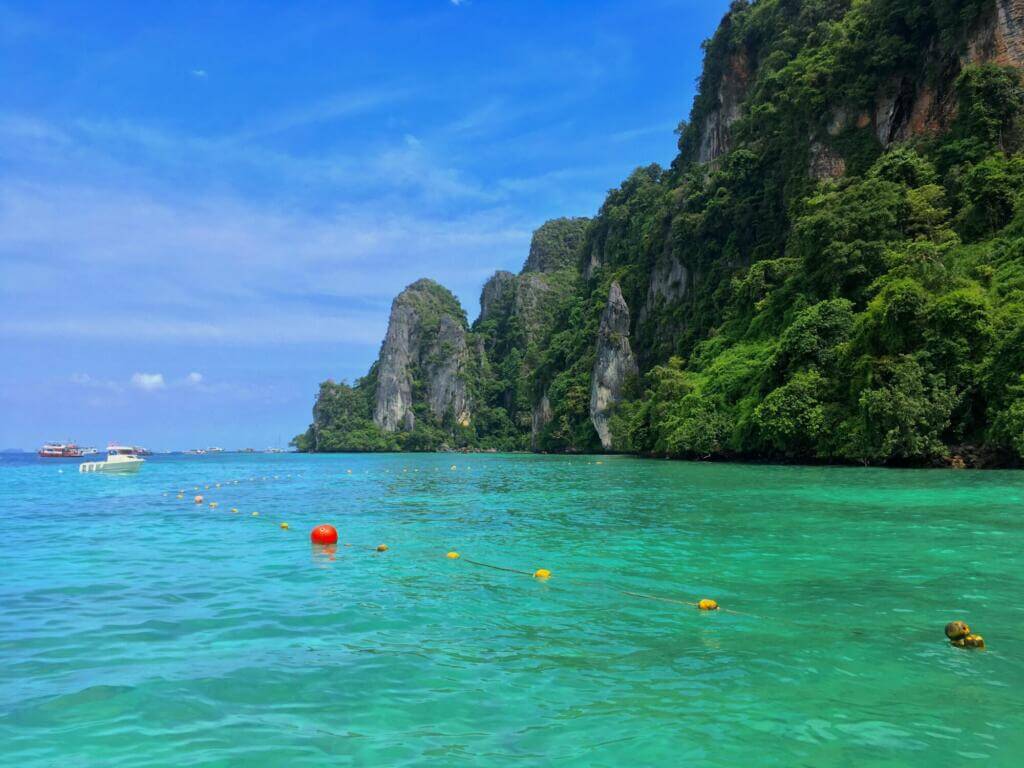
When Maya Bay reopened to tourists, it was with a new set of rules designed to ensure the bay’s long-term health and sustainability, fundamentally changing the visitor experience. Today, a visit to Maya Bay is carefully managed to minimize human impact while still allowing appreciation of its beauty.
- Limited Access: Only a limited number of visitors are allowed daily, requiring booking. This ensures the bay is never overcrowded, preserving its tranquility and reducing stress on the ecosystem.
- No Swimming in the Bay: To protect the recovering coral reefs and marine life, swimming directly within the main bay is strictly prohibited. Visitors can enjoy the pristine sands and shallow waters from the beach, but designated swimming areas are typically not within the main cove itself.
- Boat-Free Zone: Boats are no longer allowed to enter or anchor in the main bay. Instead, visitors arrive via a designated pier located on the opposite side of the island, requiring a short walk to reach the famous beach. This eliminates anchor damage, noise pollution, and fuel emissions within the sensitive bay area.
- Observation-Focused Visit: The experience is now centered on appreciating the bay’s natural beauty and its recovering ecosystem from the shore. Visitors are encouraged to observe the returning marine life, like blacktip reef sharks, from a respectful distance.
- Increased Park Fees: Higher park fees are in place, directly contributing to the ongoing conservation efforts and maintenance of the protected area.
These measures aim to promote truly sustainable tourism, ensuring that visitors can enjoy the beauty of Maya Bay without causing further damage and allowing the bay to continue its remarkable ecological recovery.
Conclusion
The bay’s future hinges on continuous vigilance and a steadfast commitment to the principles of sustainable tourism. Ongoing efforts must focus on strict enforcement of visitor limits, continued monitoring of marine health, and adaptive management strategies to respond to new challenges.
Furthermore, investing in local community engagement and education will be crucial to foster a shared responsibility for its long-term preservation. Maya Bay stands as a living laboratory, not just of recovery, but of the ongoing work required to balance human appreciation with ecological integrity, ensuring this natural wonder thrives for generations to come.
Ocean Insights: Hear From Our Experts

By Hamna Faizan
Marine Life Researcher and Lecturer, with an MSc in Zoology
Maya Bay offers an invaluable lesson for global conservation efforts. I believe its dramatic closure and subsequent rebirth demonstrate that true sustainability requires bold decisions and a willingness to prioritize ecological health over immediate economic gain. This bay now stands as a powerful symbol, showing us what's possible when we choose long-term stewardship.
FAQs
What other marine life can be found in Maya Bay besides blacktip reef sharks and jellyfish?
Maya Bay’s recovering ecosystem supports a diverse array of marine life. Visitors might spot various species of colorful reef fish, crabs, sea turtles (though less common), and a multitude of invertebrates living among the coral reefs.
How vast is Maya Bay, and how much of it is accessible to visitors?
Maya Bay itself is a relatively small, sheltered cove, approximately 250 meters long. While the bay’s natural beauty is immense, visitor access is now strictly controlled to protect its fragile ecosystem. Tourists are generally allowed on the beach area for a limited time, but swimming directly in the bay is prohibited to avoid disturbing the recovering marine life and corals.
Are there any specific rules visitors must follow while at Maya Bay?
Yes, strict rules are in place to protect the bay. These include: no swimming in the main bay (designated areas for wading may exist), no anchoring boats in the bay, no littering, no feeding marine life, and adhering to the limited visitor numbers and time slots. These regulations are crucial for the bay’s ongoing recovery and sustainability.
How does Maya Bay’s recovery impact the surrounding Phi Phi Islands?
The improved marine health in Maya Bay contributes to the overall biodiversity of the region. Furthermore, the successful implementation of sustainable tourism practices in Maya Bay encourages other popular sites in the Phi Phi Islands and beyond to adopt similar conservation measures, promoting a more responsible approach to tourism across the entire archipelago.
What is the ideal time to visit Maya Bay for a unique experience?
The peak tourist season (December to February) sees the highest visitor numbers. Arriving early in the morning, right when the park opens, can offer a more tranquil experience before the daily visitor cap is reached. It’s also important to check for any temporary closures, such as those for jellyfish season, if you’re seeking specific wildlife encounters.


