
The Guadalupe River is a cherished destination known for its crystal-clear waters, scenic landscapes, and abundant wildlife. It is a captivating waterway that winds through the heart of Texas, offering visitors and locals alike a diverse range of recreational opportunities and natural beauty. The river stretches approximately 230 miles (370 kilometers) from its headwaters at the Canyon Lake Dam near Kerrville to the Gulf of Mexico.
Along its course, the river passes through lush forests, towering limestone bluffs, rolling hills, and tranquil meadows. Whether you’re hiking along the river’s edge or simply enjoying the view from a riverside picnic spot, the natural beauty of the Guadalupe River is sure to leave a lasting impression.
While many people visit to swim, the park offers much more than just a great swimming spot. Stunning scenery and rich history are also waiting to be explored, just a short drive from San Antonio and Austin. Let’s dive into the wonders of this remarkable river.
Historical Significance
The Guadalupe River has a rich history dating back thousands of years. Alonso De León gave the place its current name, Guadalupe, in 1689. He bestowed the name “Guadalupe” or “Nuestra Señora de Guadalupe” upon the river, which has remained its official name ever since.

Native American tribes, such as the Apache and Comanche, once inhabited the area, relying on the river for sustenance and transportation. European explorers and settlers, including Spanish conquistadors and German immigrants, later arrived in the region, further shaping the river’s history.
The river played a crucial role in the development of early Texas, serving as a trade route for settlers and a source of power for mills and factories. Today, the Guadalupe River is not only appreciated for its natural wonders but also cherished for its cultural and historical significance.
Natural Features
The Guadalupe River boundary originates in Kerr County, Texas. It then flows southeastward through several counties, including Kendall County, Comal County, Guadalupe County, and Victoria County, before eventually reaching the Gulf of Mexico.

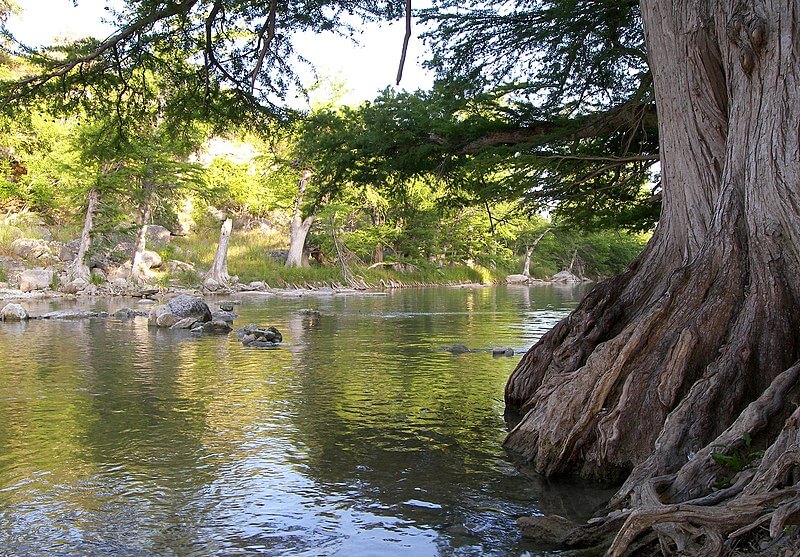
The Guadalupe River is characterized by its pristine, crystal-clear waters, scenic landscapes, and diverse recreational opportunities. The river’s transparent waters allow for excellent visibility, revealing the vibrant aquatic life and riverbed beneath. The Guadalupe River flows through diverse landscapes, showcasing rugged limestone cliffs, lush forests, and towering trees along the banks.
With varied river levels and flow rates, the river caters to both adrenaline seekers, offering thrilling rapids and challenging sections for kayaking and rafting, as well as those seeking a more leisurely experience, with calm stretches ideal for tubing and swimming.
Ecosystem
The Guadalupe River’s ecosystem is a vibrant tapestry of flora and fauna, making it a critical habitat for numerous species and a fascinating study for ecologists and visitors alike.
- Flora: The riverbanks are adorned with majestic bald cypress trees, providing shade and habitat for wildlife. Wildflowers and aquatic plants add to the river’s diverse plant life.
- Fauna: Home to the Guadalupe bass, Texas’ state fish, the river’s clear waters support a rich biodiversity, including various fish species, turtles, and freshwater mussels.
- Birds: Birdwatchers can bring their binoculars to catch glimpses of migratory and resident birds, making the river an avian paradise.
- Endangered Species: Efforts to protect critical habitats, such as the Honey Creek State Natural Area, underscore the river’s ecological importance.
Animals and Plants found in Guadalupe River
Flora of the Guadalupe River
Bald Cypress Trees:
These majestic trees are predominantly found along the upper part of the river, where they provide essential shade and habitat for local wildlife.
Pecan Trees:
Common along the riverbanks, these trees contribute to the diverse plant life of the area.
Wildflowers and Native Grasses:
Various wildflowers and native grasses grow along the riverbanks, adding to the region’s biodiversity and scenic beauty. The Riverside Nature Center nearby supports over 140 tree species and around 200 species of wildflowers and native grasses.
Aquatic Plants:
The river supports a range of aquatic vegetation, which plays a crucial role in maintaining the ecosystem’s health.
Fauna of the Guadalupe River
Fish
The Guadalupe River is renowned for its rich aquatic ecosystem, particularly for its trout fishing. It is one of the top trout streams in the United States, containing:
- Guadalupe Bass: Texas’ state fish, adapted to the river’s conditions.
- Rainbow Trout and Brown Trout: Found mainly below Canyon Lake.
- Largemouth Bass, Smallmouth Bass, Rio Grande Cichlid, Striped Bass, and White Bass: Present in various sections of the river.
Turtles
Freshwater turtles thrive in the river’s waters, adding to the ecosystem’s diversity.
Freshwater Mussels
These mussels are important components of the river’s aquatic system, contributing to water filtration.
Birds
A variety of migratory and resident bird species frequent the river, making it a popular spot for birdwatching. The area is considered an avian haven.
Endangered Species
The river is part of conservation efforts to protect critical habitats, especially within areas like the Honey Creek State Natural Area.
The Guadalupe River’s diverse plant and animal life, from the shaded upper reaches to the more open lower parts near the Gulf of Mexico, supports a balanced ecosystem and provides valuable opportunities for ecological studies.
Things to Do at Guadalupe River
The Guadalupe River, winding through Texas Hill Country, offers a wide range of recreational activities for outdoor enthusiasts and visitors alike. It flows through the city of New Braunfels and features scenic landscapes, reservoirs, and outdoor attractions that make it a popular destination for nature lovers.
Water Activities
With four miles of river frontage, the Guadalupe River takes center stage at Guadalupe River State Park. Visitors can swim, fish, tube, canoe, and kayak. The park is also the starting point for the 5-mile Guadalupe River State Park Paddling Trail. Water-based activities extend beyond the park, with six small reservoirs—Lake Dunlap, Lake Placid, Meadow Lake, Lake Gonzales, Wood Lake, and Lake McQueeney—offering prime fishing opportunities for bass, rainbow trout, and catfish. Tubing is particularly popular during the summer months, when outfitters provide tube rentals and shuttle services, making it easy to float leisurely down the river.
Note: Before visiting, be sure to check out the park’s Water Safety Tips to ensure a safe experience. Styrofoam and glass are prohibited along the riverbanks and in the river.
Camping and Hiking
For those looking to stay longer, the park offers 85 water and electric campsites and nine walk-in tent sites. Campers can also explore over 13 miles of hike and bike trails, with paths ranging from the challenging Painted Bunting Trail (2.86 miles) to the scenic River Overlook Trail (0.3 miles). Horseback riding is allowed on certain trails, although the park does not offer equestrian camping.
For a more rugged experience, visit the Bauer Unit, a remote day-use area with hiking and biking trails rated moderate to challenging. This area showcases native prairie grasses, diverse wildlife, and varied terrain. River access here requires a 2-3 mile downhill hike, and visitors should come prepared as there are no restrooms or potable water available.
Note: Protect the environment by staying on designated trails, and always check for trail closures due to weather conditions.
Discovery and Education
The Discovery Center at Guadalupe River State Park offers hands-on exhibits and tools like magnifying glasses and microscopes to help visitors explore the park’s natural features. Families can borrow an Explorer Pack to enhance their visit or shop for souvenirs and essential items at the park store.
Volunteer Opportunities and Ranger Programs
For those looking to get involved, volunteer opportunities are available, from wildlife surveys to staffing the Discovery Center. The Friends of Guadalupe River State Park and Honey Creek State Natural Area offer information on volunteer opportunities and ways to donate.
Additionally, the park offers ranger-led programs on birding, geocaching, stargazing, and more. Honey Creek Tours guide visitors through the protected Honey Creek State Natural Area, providing insights into the area’s history, geology, and wildlife.
Family-Friendly Activities
Kids can become Junior Rangers by borrowing an Explorer Pack or completing activities in the Junior Ranger Activity Journal to earn a badge. The park is also recognized as a Texas Aquatic Science Certified Field Site, offering educational opportunities for teachers.
Whether you’re seeking adventure, relaxation, or education, the Guadalupe River and its surrounding areas provide a beautiful natural setting for all to enjoy.
Guadalupe River’s Pollution Impact on Ocean
Pollution in the Guadalupe River can have significant impacts on the ocean, primarily through its influence on San Antonio Bay and the broader Gulf of Mexico ecosystem. Here’s how:
Nutrient Runoff
Pollution often includes agricultural runoff containing fertilizers and pesticides. When these nutrients enter the Guadalupe River, they can stimulate excessive algae growth in San Antonio Bay. This algal bloom can lead to dead zones in the bay where oxygen levels are too low to support marine life, and the effects can extend to the Gulf of Mexico.
Chemical Contaminants
Industrial pollutants and chemicals carried by the river can be toxic to aquatic life. These contaminants have the potential to build up in San Antonio Bay’s sediments and have an impact on the wellbeing of marine life, particularly fish and shellfish, which may subsequently be eaten by humans.
Sediment Load
Increased sedimentation from erosion and runoff can alter the habitat of aquatic species. High sediment loads can smother sensitive marine habitats, such as seagrass beds and coral reefs, which are crucial for the health of the marine ecosystem in the Gulf of Mexico.
Pathogens
Pollution from urban runoff and wastewater discharge can introduce harmful pathogens into the river. These pathogens can reach San Antonio Bay and the Gulf of Mexico, posing risks to both marine life and human health through seafood consumption and recreational activities.
Overall, the pollution of the Guadalupe River can disrupt the ecological balance of San Antonio Bay and, by extension, affect the larger Gulf of Mexico ecosystem. This impacts water quality, marine biodiversity, and potentially human health.
Preservation and Conservation
Recognizing the ecological and cultural importance of the Guadalupe River, dedicated organizations and individuals work tirelessly to preserve and conserve its natural resources. Conservation efforts focus on water quality monitoring, habitat protection, and responsible management of recreational activities. Education programs raise awareness about the river’s fragility and the importance of sustainable practices to ensure the long-term health of the ecosystem.
Interesting Facts
- The Comal River, a tributary of the Guadalupe, is one of the shortest navigable rivers in the United States, merging with the Guadalupe in New Braunfels.
- Styrofoam bans along the river aim to protect the water quality and riverbanks from pollution, especially during peak times like Memorial Day and Labor Day weekends.
- The Lower Guadalupe is renowned for Guadalupe River tubing, a favorite summertime activity, with numerous tube rentals available along River Road.
- Canyon Dam, constructed in the 1960s, significantly influences the river’s flow and water levels, creating a recreational hotspot for water sports.
- The river passes through Boerne and near San Marcos, showcasing the scenic beauty of western Kerr County and the Texas Hill Country.
FAQs
Where is the Guadalupe River?
The Guadalupe River is located in the state of Texas, USA. It runs through several counties, including Kerr, Kendall, Comal, and Victoria.
How long is the Guadalupe River?
The Guadalupe River spans approximately 230 miles (370 kilometers) from its headwaters near Kerrville to its mouth at the Gulf of Mexico.
Has the Guadalupe River ever dried up?
The Guadalupe River has experienced low water levels during periods of drought, but it has never completely dried up along its entire length. The flow of the Guadalupe River is influenced by rainfall, dam releases, and water usage, which can vary significantly from year to year and season to season.
Can I fish in the Guadalupe River?
Yes, the Guadalupe River is a popular destination for fishing. It is home to various fish species, including bass, trout, catfish, and sunfish. Fishing permits and regulations may apply, so it’s important to check local guidelines before casting your line.
Is it safe to swim in the Guadalupe River?
Swimming in the Guadalupe River can generally be safe, but its safety can vary depending on factors such as water levels, currents, and weather conditions. It’s essential to be mindful of safety precautions, such as wearing life jackets.
Can you still float the Guadalupe River?
Yes, the Guadalupe River is still a popular destination for floating and water activities. Even though water recreation is a popular pastime in Texas, nothing compares to the refreshing experience of a float trip.


