
I still remember the excitement—and nerves—of my first scuba dive. Taking that initial breath underwater felt thrilling yet overwhelming. Like many beginners, I had questions: Will I run out of air? What if I can’t equalize? But with the right preparation, scuba diving quickly became an incredible adventure.
Exploring the underwater world offers breathtaking marine life and serene beauty, but starting out can be daunting. Understanding your gear, mastering basic techniques, and staying calm are key to a safe and enjoyable dive.
In this guide, I’ll share essential scuba diving tips for beginners, helping you gain confidence, avoid common mistakes, and fully enjoy your underwater experience.
5 Must-Know Scuba Diving Tips for Beginners
Before taking the plunge, it’s important to understand a few key fundamentals that will make your first scuba diving experience smoother and safer. From knowing your gear to mastering essential skills, preparation is everything.
1. Get Familiar with Your Gear
Scuba diving equipment can feel overwhelming at first, but learning the basics will boost your confidence. You’ll be using:
- Mask and Snorkel: Allows you to see and breathe at the surface.
- Buoyancy Control Device (BCD): Helps you stay neutral in the water.
- Regulator and Tank: Your source of air underwater.
- Wetsuit: Keeps you warm and protected.
- Fins: Provide efficient movement.
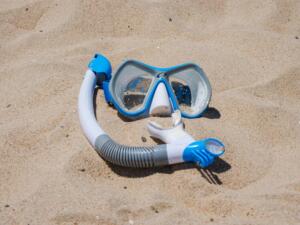
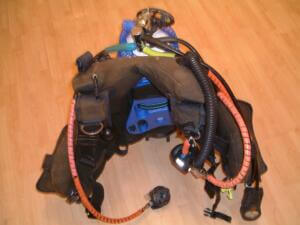
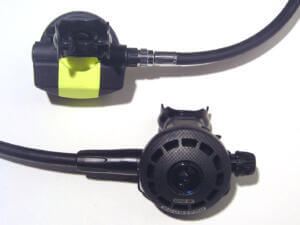
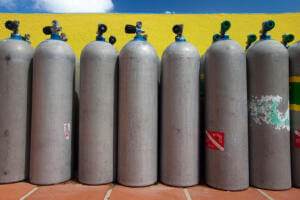

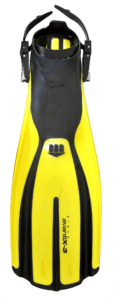
Handy tip: During my first dive, I learned the importance of choosing the right mask size by using the suction test—placing it on my face without the strap and inhaling through my nose to see if it stayed in place. Taking the time to get the perfect fit made all the difference in staying comfortable underwater!
2. Master Your Breathing
Breathing underwater can feel strange at first, but mastering it is one of the most important skills for a beginner diver.
- The key is to take slow, deep breaths through your regulator, which not only conserves air but also helps keep you calm and focused.
- Avoid short, shallow breaths or holding your breath, as these can cause discomfort or even complications.
Handy tip: I found that focusing on exhaling fully helped me settle into a smooth breathing pattern, whilst also ensuring my buoyancy remains stable.
3. Get Comfortable with Buoyancy Control
Buoyancy control is the key to moving effortlessly underwater and protecting the marine environment. Achieving neutral buoyancy means you’re not floating to the surface or sinking to the bottom but hovering mid-water with ease. You’ll use your Buoyancy Control Device (BCD) and breathing to fine-tune your buoyancy.
Inhaling slightly can make you rise, while exhaling helps you sink just a bit—learning this balance is crucial.
Common mistakes include:
- Overinflating your BCD
- Failing to adjust for changes as you descend or ascend
If you find yourself rising too quickly, release a little air from your BCD and exhale gently to regain control. Similarly, if you’re sinking, add small bursts of air to your BCD.
4. Equalize Pressure Effectively
One of the most important skills for a comfortable dive is equalizing pressure in your ears. As you descend, the increasing water pressure can cause discomfort or even pain in your ears.
To avoid this, you’ll need to equalize frequently using techniques like the Valsalva maneuver—pinching your nose and gently blowing through it—or swallowing and wiggling your jaw to help open your Eustachian tubes.

⚠️ Super important info to remember:
- If you feel discomfort, ascend slightly to reduce the pressure and try equalizing again before continuing your descent.
- Never push through pain, as it could lead to barotrauma or ear injuries.
Handy tip: I struggled with equalizing during my first dives because of congestion. Using nose drops beforehand helped clear my sinuses, making it much easier to equalize and enjoy the dive.
5. Master Basic Hand Signals
Since verbal communication isn’t possible underwater, you’ll rely on hand signals. Common ones include:

Ascend
(I am going up)
A fist with the thumb pointing upward

Descend
(I am going down)
A fist with the thumb pointing downward
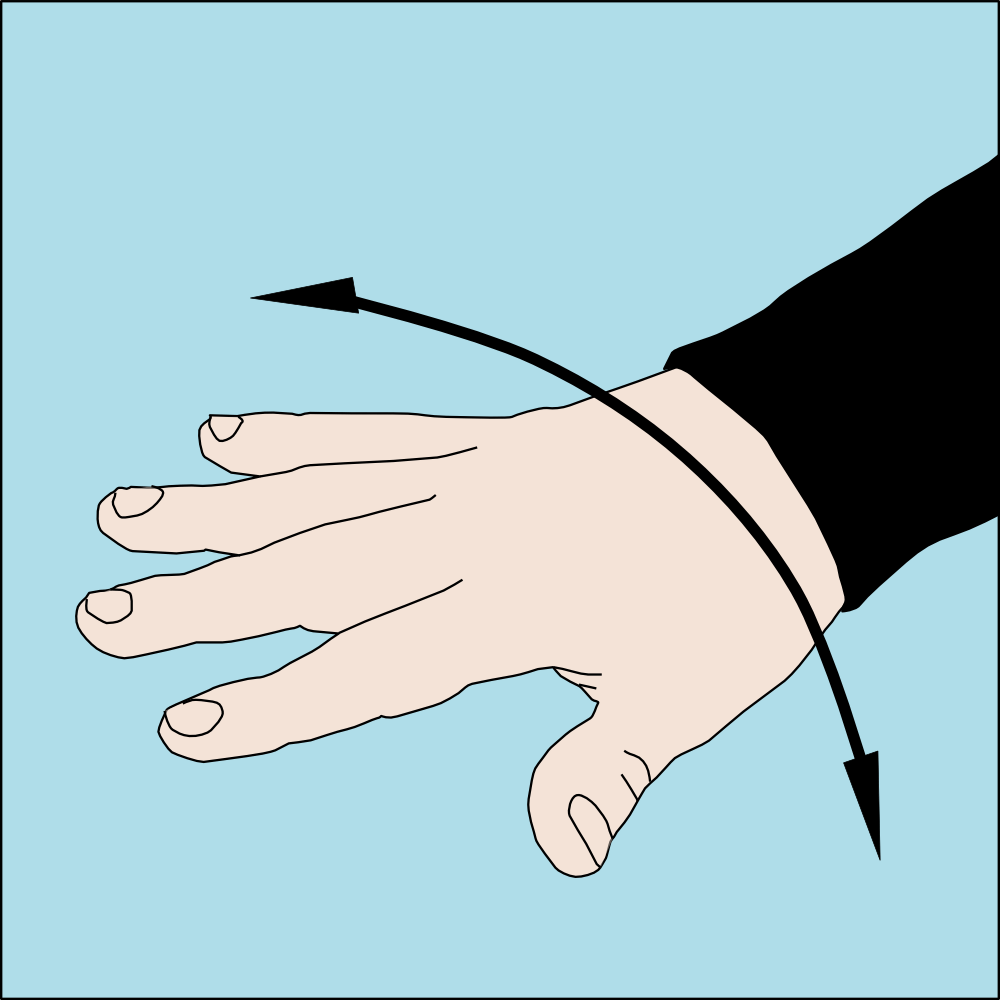
Something
is wrong
An open hand with fingers apart, rocked back and forth
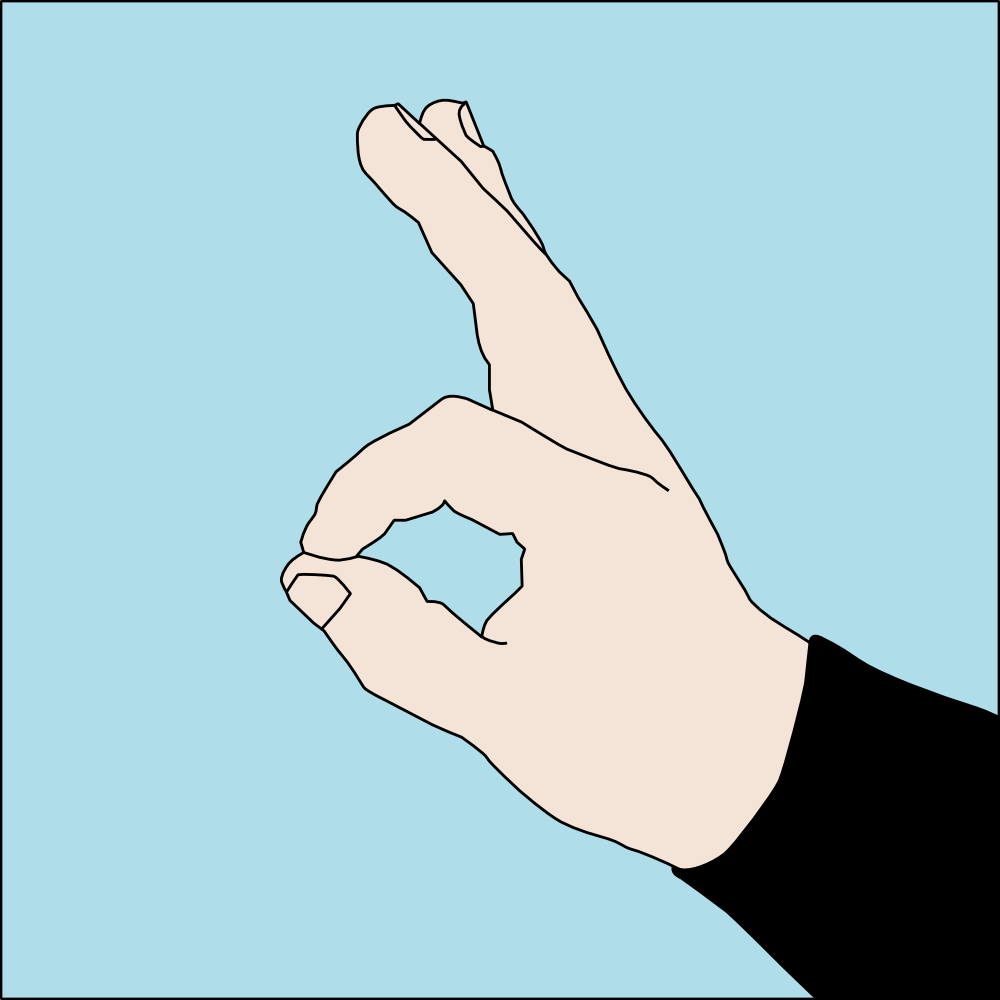
Are you OK? /
I am OK!
A circle formed with the thumb and forefinger while extending the other fingers

Get with your buddy
Both hands make fists with extended forefingers, placed together parallel

How much air do you have left?
One hand held flat with the palm up while the other hand’s index and middle fingers are placed on the palm

I’m out of air
A flat hand makes a “chopping” motion across the throat to indicate an emergency
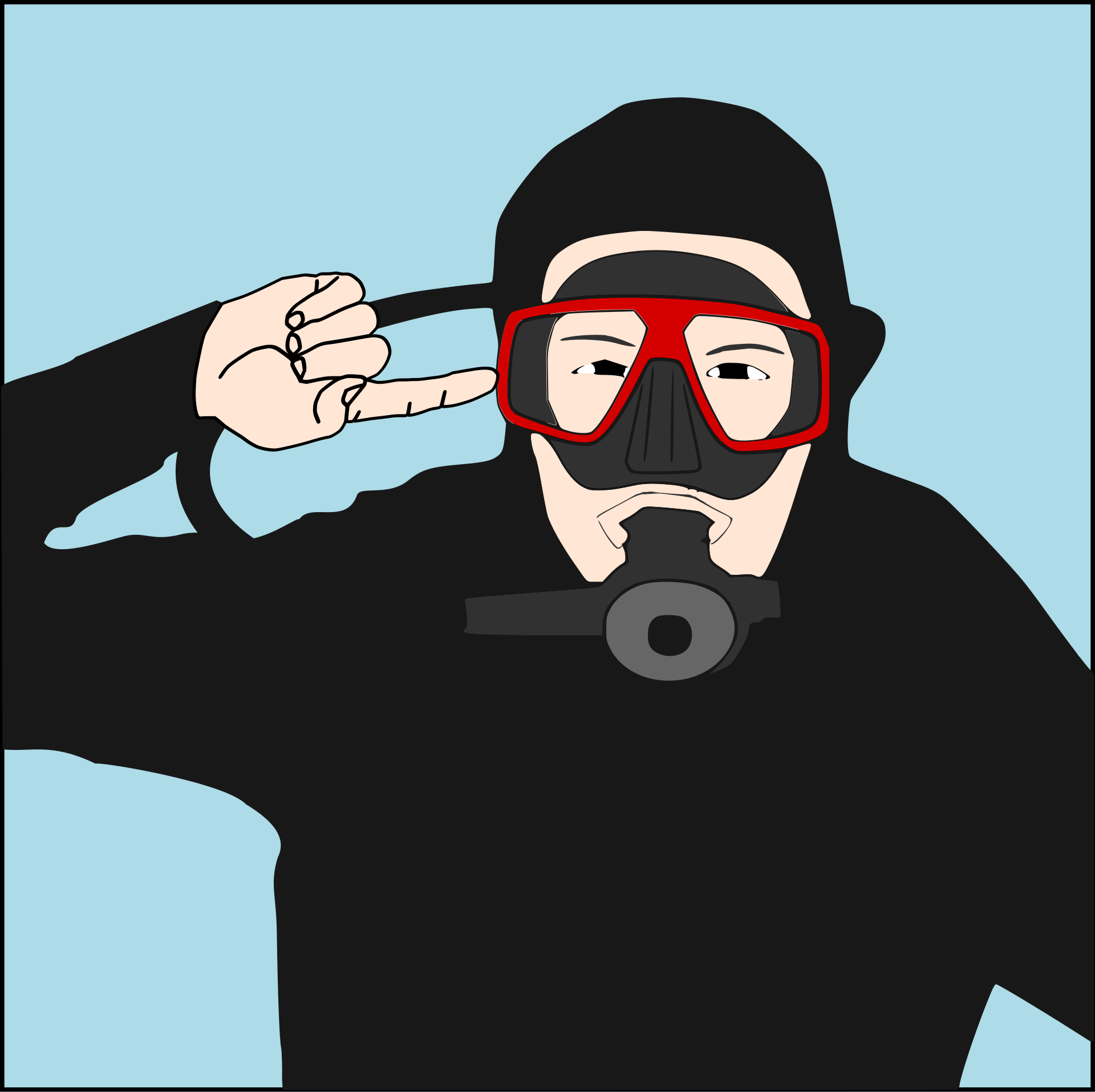
I can’t clear this ear
Pointing at the affected ear with the index finger
Miscommunication underwater can lead to confusion, stress, or even dangerous situations. By using standardized hand signals, divers can stay in sync with their buddy and instructor, preventing misunderstandings and responding effectively to any issues. Before any dive, review these signals with your group to ensure everyone is on the same page.
Things I Wish I Knew When I Started Diving
Experience has quickly taught me that even small details—like how you move, what you eat, and even when you use the bathroom—can make or break a dive. Here are some key lessons I wish I had known before my first dives:
1. Stay Hydrated – But Not Too Much Right Before
Hydration is crucial for diving. Dehydration increases your risk of cramps, makes equalizing harder, and can even contribute to decompression sickness. However, don’t chug a ton of water right before a dive—otherwise, you’ll be very uncomfortable in your wetsuit (more on that below!).
2. Eat Light – Avoid Heavy or Greasy Foods
Diving on a full stomach is a recipe for nausea. I once made the mistake of having a big meal before a dive, and let’s just say it was not fun trying to keep it down while floating underwater. Stick to something light and easy to digest—especially if you’re prone to seasickness.
🚫 Avoid: Heavy, greasy, or spicy foods.
✅ Good choices: Bananas, toast, a small sandwich, or a light protein-based snack.
3. No Excessive Alcohol the Night Before
Drinking too much alcohol before a dive is a bad idea for several reasons. It dehydrates you, affects coordination, and can even increase the risk of decompression sickness. Plus, a hangover and scuba diving do not mix well. If you’re celebrating, keep it light and hydrate well before bed.
4. Don’t Point with a Thumbs-Up – That Means “Ascend”
We mentioned it above, but this is such an easy mistake to make. In scuba diving, a thumbs-up doesn’t mean “cool”—it means “I want to go up” and could be a sign that you are in distress. If you want to point something out, use an open hand or extend one or two fingers instead. This avoids confusion and keeps communication clear.

5. Don’t Force Equalization – Take Your Time
Feeling pressure in your ears? Don’t push too hard to equalize. On one of my first dives, I tried forcing it when my ears wouldn’t clear, and I ended up with a painful squeeze. Instead, ascend slightly and try the gentle equalisation techniques I mentioned above.
6. Poor Finning Wastes Energy and Tires You Out
Underwater movement seems effortless—until you realize bad finning can leave you exhausted. I used to bicycle-kick instinctively, which made me work way harder than necessary. Instead:
✅ Use slow, steady kicks from your hips, keeping your legs relatively straight.
✅ Avoid unnecessary movement—relaxed divers use less energy and conserve air.
7. Go to the Bathroom Before Your Dive
This is one of those things no one really tells you, but as soon as you surface, you will need to pee. The combination of cool water, hydration, and pressure changes makes it almost inevitable. Save yourself the discomfort—go to the bathroom before gearing up!
8. How to Clear a Fogged or Flooded Mask
Your mask will fog up or take in some water at some point—it’s normal. Instead of panicking, do this:
1️⃣ Look up slightly and press the top of your mask against your forehead.
2️⃣ Exhale through your nose while tilting your head back.
3️⃣ This pushes water out of the bottom of the mask.
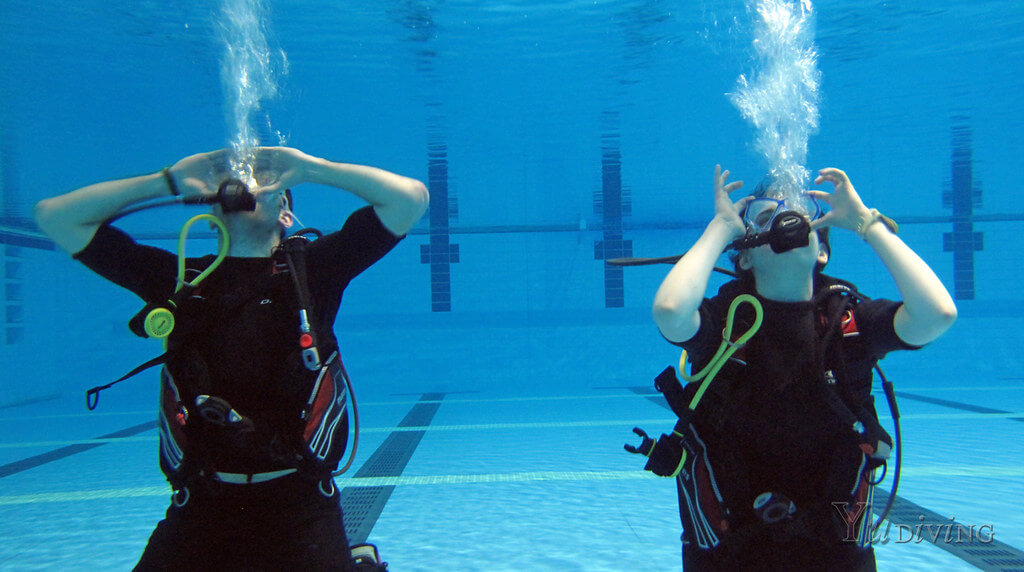
If fogging is the issue, spit in your mask before your dive and rinse it out—this works surprisingly well as an anti-fog trick!
Essential Safety Tips for First-Time Divers
Your safety should always come first—especially as a beginner. The ocean can be unpredictable, and staying calm, prepared, and aware will ensure you have a fun and stress-free dive. Here are some crucial safety tips every first-time diver should follow.
1. Always Dive with a Buddy
The buddy system isn’t just a suggestion—it’s a fundamental rule of diving. Your buddy is there to assist in case of equipment issues, low air, or emergencies. Always stay close and communicate frequently using hand signals.

✅ Check on each other regularly
✅ Plan your dive together (depth, time, exit strategy)
✅ Never separate—if you lose sight of your buddy, search for one minute, then ascend slowly while looking around.
2. Perform a Pre-Dive Safety Check (BWRAF)
Before entering the water, always conduct a pre-dive safety check with your buddy. This ensures everything is working properly. An easy way to remember this is BWRAF:
- B – BCD (Buoyancy Control Device): Inflate and deflate to check it works.
- W – Weights: Ensure your weight belt or integrated weights are secure.
- R – Releases: Check that all clips, buckles, and straps are fastened properly.
- A – Air: Breathe from your regulator while checking your pressure gauge. Make sure your buddy’s alternate air source is working.
- F – Final Check: Look over everything—mask, fins, accessories—before getting in the water.
3. How to Handle Panic Underwater
Feeling anxious or overwhelmed underwater is completely normal for beginners, but panic is the biggest danger in diving. If you feel yourself getting anxious:
- Stop and focus on slow, deep breaths—exhale longer than you inhale to calm yourself.
- Signal your buddy using the “something is wrong” hand signal.
- Hold onto a rock or your buddy’s hand if needed—stabilizing yourself can help.
- If necessary, ascend slowly while breathing continuously—never hold your breath.
4. Don’t Fly for 24 Hours After a Dive
Flying too soon after diving increases the risk of decompression sickness (DCS) because of nitrogen bubbles forming in your bloodstream. To stay safe:
✅ Wait at least 12 hours after a single dive.
✅ Wait at least 18-24 hours after multiple dives or deep dives.
✅ Stay hydrated and avoid alcohol after your dives to help your body decompress safely.
5. Be Aware of Your Surroundings
When diving, it’s easy to get distracted by marine life and forget about your surroundings. I once got caught up watching a sea turtle and didn’t notice I was drifting away from my buddy. A quick check of my surroundings reminded me to stay close—don’t get too lost in the moment! Staying aware is essential for safety.

- Keep an eye on your depth and air supply—don’t let excitement make you lose track of your limits.
- Watch your buoyancy—avoid touching coral, kicking up sediment, or getting too close to marine life.
- Stay close to the dive group and follow the plan—don’t stray off on your own.
Best Beginner-Friendly Dive Destinations
Choosing the right dive destination can make all the difference when starting your scuba journey. Calm waters, excellent visibility, and abundant marine life create the perfect learning environment. Here are some of the best beginner-friendly dive destinations around the world.
1. Koh Tao, Thailand – The Scuba Training Hub
Koh Tao is one of the world’s top destinations for learning to dive, thanks to its warm waters, excellent visibility, and budget-friendly dive courses.
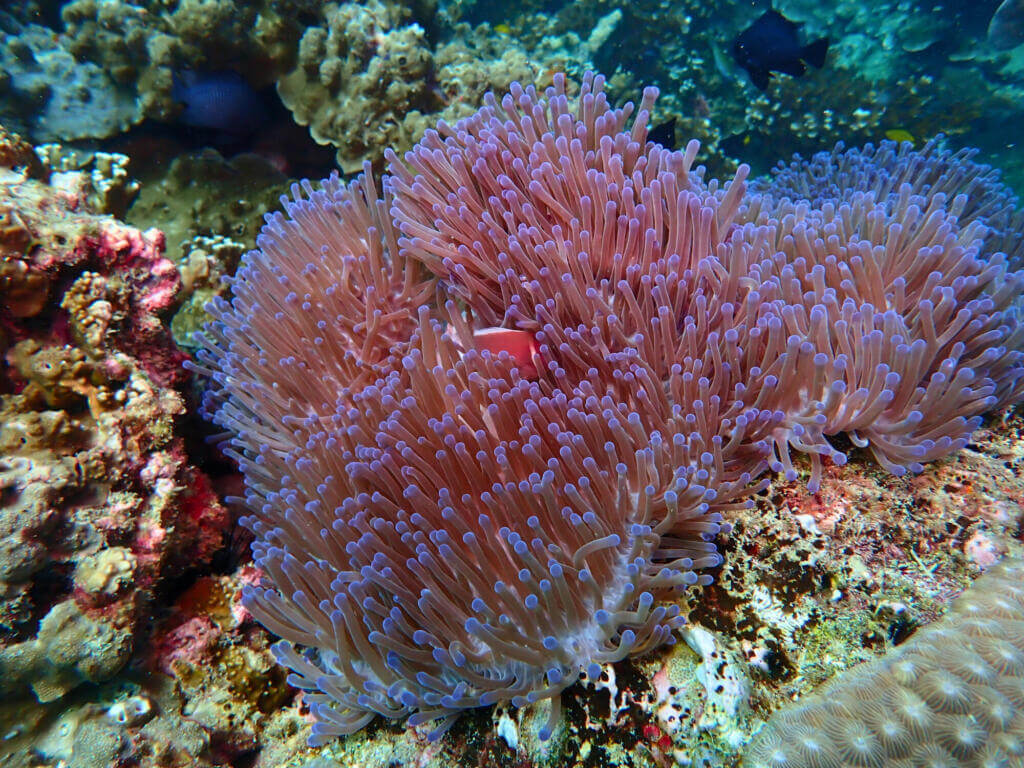
Why It’s Great for Beginners:
- Shallow, calm dive sites with little to no currents.
- Affordable dive certifications (PADI & SSI).
- Rich marine life—see sea turtles, reef sharks, and vibrant coral reefs.
📍 Best Beginner Dive Sites:
- Sairee Reef – Shallow, full of coral nursing gardens, no currents.
- The Twins – Gentle sandy bottom, perfect for practicing buoyancy.
2. Gili Islands, Indonesia – Warm, Crystal-Clear Waters
The Gili Islands (Gili Trawangan, Gili Meno, and Gili Air) offer some of the best beginner-friendly diving in Southeast Asia. The warm, tropical waters and gentle currents make learning to dive a breeze.
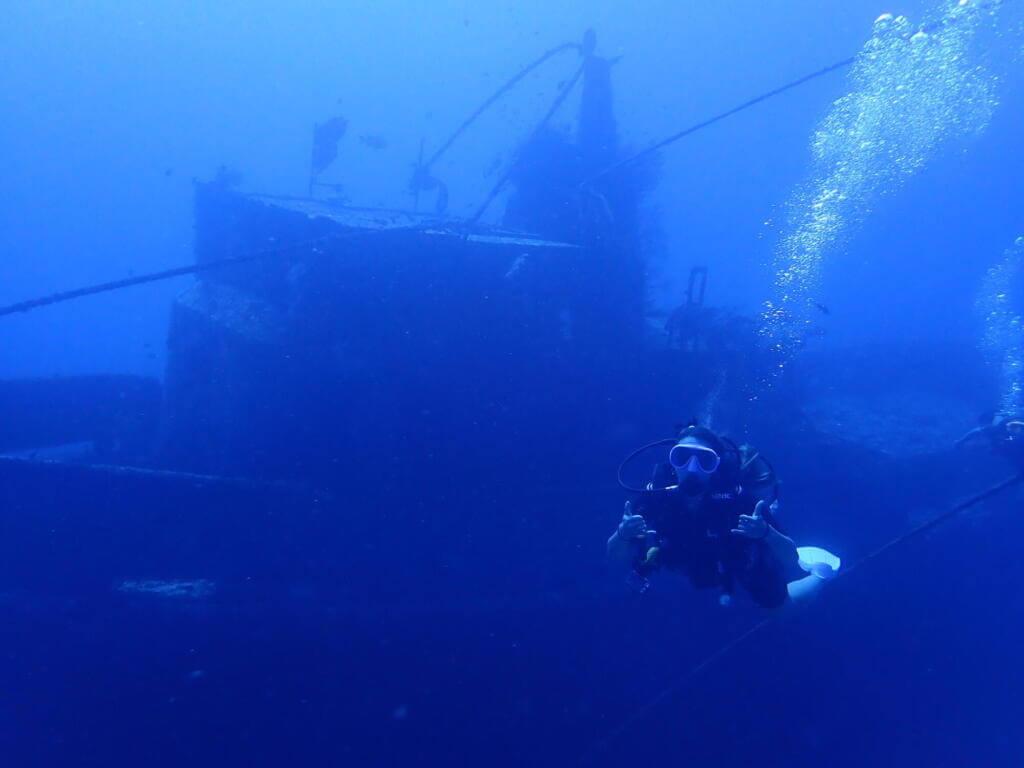
Why It’s Great for Beginners:
- No strong currents—ideal for relaxed diving.
- Stunning coral reefs teeming with marine life.
- Great chance to see sea turtles on nearly every dive!
📍 Best Beginner Dive Sites:
- Turtle Heaven – True to its name, it’s packed with sea turtles!
- Shark Point – Despite the name, it’s beginner-friendly and home to reef sharks.
3. Bonaire, Caribbean – The Shore Diving Capital
Bonaire, in the Caribbean, is famous for easy shore diving, making it perfect for first-time divers who want to take things at their own pace.
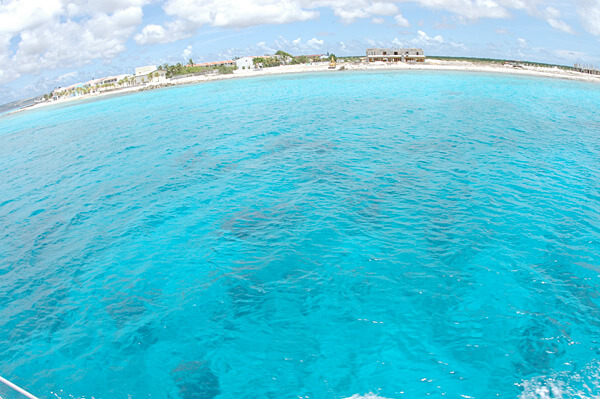
Why It’s Great for Beginners:
- No need for boats—many dive sites are accessible from shore
- Crystal-clear visibility (up to 100 feet).
- Protected marine park with healthy reefs and tropical fish.
📍 Best Beginner Dive Sites:
- Bari Reef – Gentle sloping reef, teeming with marine life.
- Salt Pier – Shallow, colorful coral formations under an old pier.
4. The Maldives – Calm Lagoons and Manta Rays
If you’re looking for a tropical paradise with easy diving, the Maldives is perfect. Many islands have calm, protected lagoons, and the warm waters are ideal for beginners.

Why It’s Great for Beginners:
- Shallow, warm waters with amazing visibility.
- Luxury resorts with top-tier dive schools.
- Chance to see manta rays and reef sharks in beginner-friendly spots.
📍 Best Beginner Dive Sites:
- Maaya Thila – A shallow, colorful reef packed with marine life.
- Banana Reef – Calm waters with vibrant coral formations.
Final tip: No matter where you choose to dive, pick a destination with calm conditions and experienced instructors to make your first dives enjoyable and stress-free.
FAQs
How long does it take to get scuba certified?
The time it takes to get scuba certified depends on the course and training method. A standard entry-level certification, like PADI Open Water Diver, typically takes 3 to 4 days if done through an intensive in-person course. However, many programs offer flexible schedules that allow you to complete the knowledge portion online at your own pace, followed by in-water training over a few weekends.
What is the best age to start scuba diving?
The minimum age to start scuba diving varies by training agency. Most organizations, such as PADI and SSI, allow children as young as 10 years old to enroll in junior certification programs, with depth and supervision limits. However, 12 to 14 years is often considered an ideal age for kids to develop the necessary physical and mental maturity. Adults can start at any age, as long as they meet basic health and fitness requirements.
What if I feel anxious underwater?
Feeling anxious underwater is completely normal for beginners. The key is to stay calm, breathe slowly and deeply, and focus on your training. Let your instructor know if you’re feeling nervous—they’re trained to help you acclimate gradually. Practicing in a pool or shallow water before heading to deeper sites can also build confidence. Remember, diving is meant to be a relaxed, enjoyable experience, so take it at your own pace.
Can I wear contacts while diving?
Yes, you can wear contacts while diving. Soft contact lenses are recommended, as they are less likely to dislodge and allow for better peripheral vision. If you wear glasses, prescription dive masks are an excellent option and can be customized to match your vision needs. Some divers also use stick-on lens inserts for their masks as a more affordable solution.
What if I run out of air while scuba diving?
Stay calm and signal your buddy using the “out of air” sign. Use their alternate air source (octopus) and ascend slowly together. If alone, perform a controlled emergency ascent by exhaling continuously. Always monitor your air gauge to prevent running out of air.
What if I cannot equalize?
Stop descending, go slightly up, and try different techniques like swallowing, wiggling your jaw, or the Valsalva maneuver (pinching your nose and blowing gently). Ascend slightly and try again if needed. Never force it—if you can’t equalize, abort the dive to protect your ears. Using nose drops beforehand can help if you’re congested.


