

Lake Baikal, also known as the Pearl of Siberia, is a freshwater lake in Southern Siberia in Russia. As the world’s deepest and oldest lake, it plunges to a depth of 5,387 feet (1,642 meters) and has existed for approximately 25 million years. This ancient lake holds 20% of the planet’s unfrozen surface freshwater, a volume exceeding that of all the North American Great Lakes combined.
It lies within the Baikal Rift Zone, an active tectonic zone where the Earth’s crust is slowly being pulled apart. This ongoing process, driven by the movement of tectonic plates, has created a deep rift valley that cradles the lake. Seismic events contribute to the lake’s ongoing evolution, deepening the basin and shaping its dramatic landscape.
This unique geological setting has also contributed to its exceptional water clarity and the evolution of its unique biodiversity. Fed by a network of over 300 rivers and streams, Lake Baikal receives a constant inflow of freshwater from its vast watershed. The Selenga River in Mongolia is the primary tributary, supplying approximately 50% of the lake’s water. Despite this extensive inflow, the lake has only one outlet: the Angara River which flows northward into the Arctic Ocean.
In the following sections, we will explore the wonders of Lake Baikal, including its ecological importance, the challenges it faces, and the efforts underway to ensure its preservation for generations to come.

Ecological Importance
- Stopover for Migratory Birds: The lake is a crucial link in the East Asian-Australasian Flyway, a major bird migration route. Species like the Baikal Teal, Bar-Headed Goose, and White-Tailed Eagle rely on the lake for resting and refueling during their long journeys between breeding grounds in the Arctic and wintering grounds in Southeast Asia.
- Fish Population Health: Some fish species in Lake Baikal, such as the Arctic Grayling, undertake migrations between the lake and the Arctic Ocean, demonstrating a direct connection between these two distinct environments. These migrations are essential for maintaining healthy fish populations and genetic diversity.
- Biodiversity: The lake’s unique characteristics – extreme depth, oxygen-rich waters, and diverse habitats – allow it to support a variety of species. These range from microscopic algae and crustaceans, which form the base of the food chain, to top predators like the Baikal Seal and the Taimen, a giant salmonid fish. The lake also provides essential breeding and feeding grounds for numerous species of birds, both resident and migratory.
- Shared Water Systems: The Angara River, flowing out of Lake Baikal, carries not just freshwater but also nutrients and even some organisms to the Arctic Ocean. This contributes to the productivity of the Arctic ecosystem and creates a link between these two seemingly disparate environments.
Biodiversity
The lake supports over 2,000 species of plants and animals, with an estimated 80% of them found nowhere else on Earth. This includes over 50 species of fish, hundreds of species of invertebrates, and the world’s only freshwater seal, the Baikal Seal. The lake also has a rich diversity of microscopic life, with over 300 species of algae contributing to its remarkable clarity and high oxygen levels.
The area around Lake Baikal is also home to many different kinds of birds, such as the Saker Hawk, the Baikal Cuckoo, and the Black-Throated Loon.
Three notable endemic wonders that call Lake Baikal home are:
- Baikal Seal: This earless seal is one of the most iconic inhabitants of the lake. Perfectly adapted to a freshwater environment, it feeds on fish like the golomyanka, another endemic species. The Baikal seal is a top predator in the lake’s ecosystem, playing a vital role in maintaining its balance.
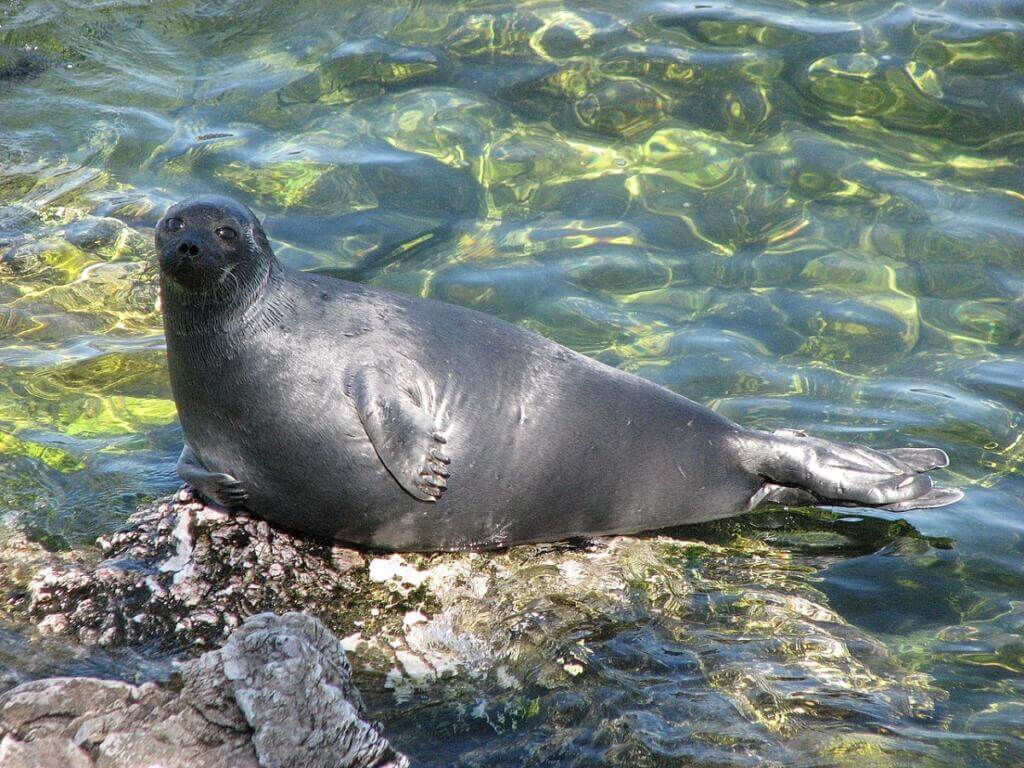
- Golomyanka: These unusual fish are entirely translucent and lack scales. They are viviparous, giving birth to live young, a rare trait among fish. Golomyankas are a crucial food source for the Baikal Seal and contribute significantly to the lake’s unique food web.
- Epischura baikalensis: This tiny copepod crustacean is a keystone species in Lake Baikal. It filters the water, consuming algae and bacteria, and serves as a primary food source for many fish. Epischura baikalensis plays a critical role in maintaining the lake’s exceptional water quality.
Threats and Conservation Efforts
Lake Baikal has protected status and is a recognised UNESCO World Heritage Site. However, despite its remote location, it faces a complex web of environmental threats.
Pollution from various sources poses a significant threat to the lake’s pristine waters. Industrial discharge, agricultural runoff, untreated sewage from settlements, and even atmospheric pollution contribute to the problem. This pollution can lead to eutrophication, algal blooms, and harm to the lake’s unique flora and fauna.
Alien species, such as the Amur Sleeper Fish, have been introduced to the lake, disrupting the natural food web and outcompeting native species. These invasive species can cause significant ecological damage and reduce biodiversity.
Shoreline development, deforestation, and illegal logging in the Baikal watershed contribute to habitat loss and degradation. This impacts the lake’s ecosystem by reducing breeding grounds, disrupting water flow, and increasing erosion.
Thankfully, there are a number of conservation initiatives that are used to combat these environmental challenges. For example, a network of national parks and nature reserves surrounds the lake, providing crucial habitat protection for many species. These protected areas also play a role in regulating human activities and promoting sustainable use of natural resources.
Human Impact and Sustainable Tourism
While human activities like tourism, industry, and fishing can pose threats to Lake Baikal, there are also positive actions being taken to mitigate these impacts and promote sustainable practices. Here are a few examples of how human efforts are contributing to the lake’s preservation:
- Great Baikal Trail: This extensive network of hiking trails is a prime example of how tourism can be harnessed for good. By providing opportunities for visitors to experience the natural beauty of the lake in a responsible way, the trail encourages a deeper appreciation for the environment and promotes awareness of conservation issues. It also provides economic opportunities for local communities while minimizing the impact on the lake’s ecosystem.
- “On Baikal” Foundation: This non-profit organization plays a crucial role in promoting sustainable development in the Baikal region. Through environmental education programs, they empower local communities to become stewards of the lake. Their scientific research initiatives provide valuable data for informed decision-making, and their community engagement efforts foster collaboration and promote responsible practices among residents and visitors alike.
- Baikal Environmental Wave: This international festival serves as a platform for raising awareness about the environmental challenges facing Lake Baikal. By bringing together artists, scientists, and activists, the festival fosters dialogue and inspires action. It showcases the beauty of the lake, encouraging visitors and locals to become actively involved in its preservation.
Historical and Cultural Significance
For millennia, Lake Baikal has played a central role in the cultural and spiritual lives of the indigenous peoples of the region, particularly the Buryat people. They revere the lake as a sacred site, imbued with spirits and legends. Shamanic rituals and traditions connected to the lake are still practiced today, reflecting a deep spiritual connection to the natural world.
Historically, the lake has been a source of sustenance and livelihood for communities living along its shores. Fishing has been a vital activity for centuries, with the Omul fish holding particular cultural and economic importance. The lake also served as a key transportation route, connecting communities and facilitating trade.
Notable past events have also shaped our understanding of the lake and its ecosystem. The construction of the Circum-Baikal Railway in the late 19th and early 20th centuries, a feat of engineering that hugged the lake’s shoreline, opened up the region to exploration and development. However, it also brought with it increased human impact and the potential for environmental damage.
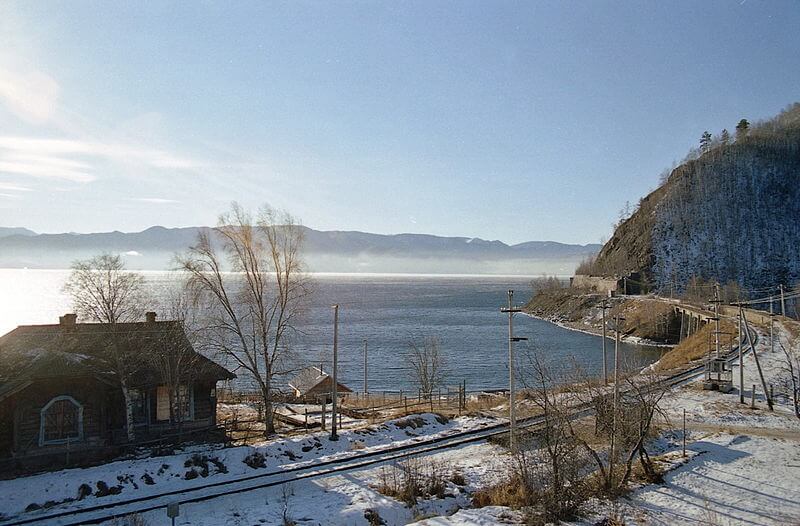
Later, the controversy surrounding the Baikalsk Pulp and Paper Mill, which operated on the lake’s shores for decades, highlighted the tension between industrial development and environmental protection. The mill’s closure in 2013, after years of protests and concerns about pollution, marked a turning point in the recognition of the lake’s ecological value and the need for sustainable practices.
Lake Baikal Facts
- It’s the only very deep lake with oxygenated water at its lowest depths.
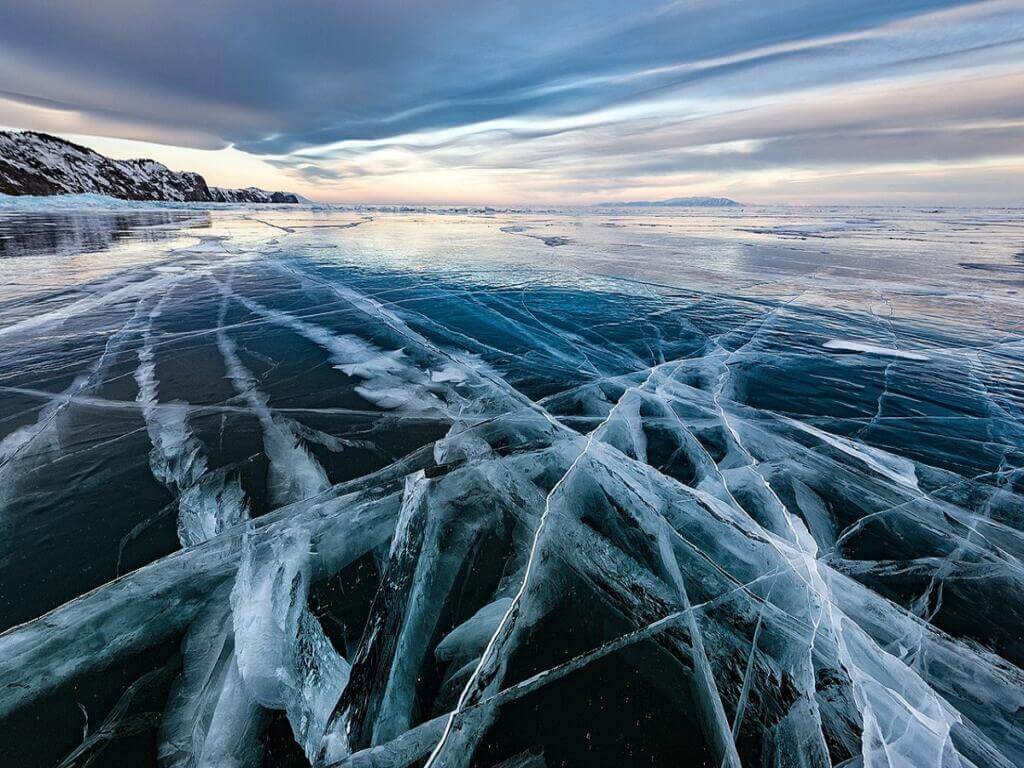
- The lake freezes over completely in winter, with ice thickness reaching up to 5 feet (1.5 meters).
- The region experiences up to 2,000 earthquakes annually, contributing to the lake’s depth and size.
- It’s one of the clearest lakes in the world, with visibility up to 40 meters (130 feet).
- The Buryat people consider Olkhon Island, the largest island in the lake, to be a sacred site.
FAQs
In which country is Lake Baikal located?
Lake Baikal is located in Russia. Specifically, it is situated in Southern Siberia, between the federal subjects of Irkutsk Oblast to the Northwest and the Republic of Buryatia to the Southeast.
Is Lake Baikal accessible in winter?
Yes, Lake Baikal is accessible in winter and offers unique winter activities. The lake freezes over, creating a thick layer of ice that sleds and vehicles can traverse. Winter activities like ice skating, ice fishing, and dog sledding are popular during this time.
When is the best time to visit Lake Baikal?
The best time to visit Lake Baikal depends on your interests. Summer (June to August) offers pleasant weather for outdoor activities, while winter (November to February) offers a unique experience of frozen landscapes.
Are there any dangerous animals in Lake Baikal?
Generally, it is safe to swim and carry out water activities as Lake Baikal does not have any predators that are a threat to humans.


