

Although our oceans are incredible, they can also be rather unsettling. The ocean’s depths are home to a wide variety of unusual species that are both eerie and uncanny. Some of the world’s most terrifying sea monsters that give us nightmares might be hidden beneath the deep sea.
We will learn more about the scary ocean facts and the monstrous creatures that dwell within it, and give us goosebumps.
1. The ocean is an unexplored abyss full of mysteries
A startling 80% of the ocean is still buried in darkness, an enormous realm of the unknown teeming with unfathomable secrets and terrors.
Imagine a world where darkness reigns, temperatures plummet, and extreme pressure becomes the norm – this is the reality of 90% of the ocean’s depths, hidden beneath 1,000 meters of water. This vast, three-dimensional realm, plunging to depths of 36,198 feet, comprises nearly 99% of the Earth’s surface and livable habitat, yet it’s a place where sunlight surrenders to darkness, and life takes on strange and fascinating forms
The ocean’s depths remain largely unexplored, concealing countless mysteries. Take, for instance, the Mariana Trench, the deepest point on Earth, plunging to depths of 36,200 feet (11,030 meters). As we continue to explore, we may uncover secrets that challenge our understanding of the underwater world.

Another example is the Bermuda Triangle. This unexplained mystery spans nearly 500,000 square miles in the Atlantic Ocean that has been immersed in terrifying and persistent tales. According to nautical legend and popular belief, any ship or vessel that ventures into this enigmatic zone may become entangled in unexplainable and strange events.
The tales of ships going missing without a trace, planes disappearing into thin air, and mysterious compass failures have reinforced the Bermuda Triangle’s dark image. While skeptics frequently attribute such instances to natural causes or human mistakes, the Bermuda Triangle remains a powerful source of interest and curiosity. For some, anxiety accompanies every journey with the unknown and the likelihood of exiting intact a matter of chance.
2. The ocean’s depths are inhabited by creatures that defy imagination
A legion of marine monsters with terrifying appearance lurk under the ocean’s dark depths, undetected. These eerie beings, with their bone-chilling appearances, are the stuff of nightmares.
The deep sea harbors a host of strange and perilous creatures. Colossal squids have the largest eyes in the animal kingdom, measuring around 25 cm in diameter. Their powerful beak and toothed tongue are well-suited for capturing and consuming prey in the deep-sea environment. Goblin sharks, sometimes referred to as “living fossils,” are an ancient species with unique protruding jaws and fang-like teeth.
Bioluminescent creatures illuminate the darkness, while others have developed unique sensory organs to navigate the murky depths. The anglerfish, for instance, lures prey with a glowing appendage, while the vampire squid uses bioluminescent “ink” to confuse predators.
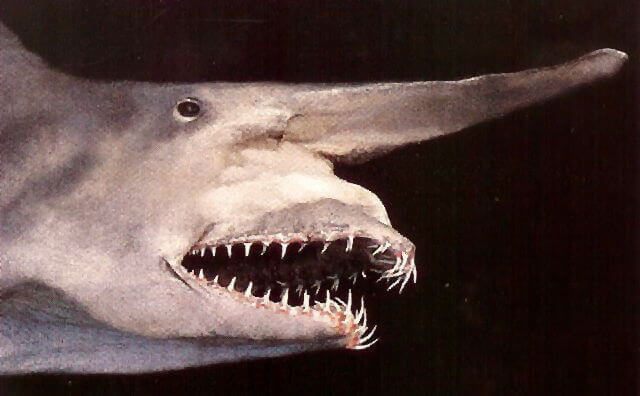
The fangtooth fish, with its disproportionately large, sharp teeth and menacing appearance, is a fearsome predator of the deep sea. Despite its ferocious looks, it is relatively small, typically reaching only about six inches in length. Its unique adaptations allow it to thrive in the harsh conditions of the deep ocean, making it a fascinating creature to study.
The ocean’s depths are a testament to the resilience and adaptability of life, even in the most inhospitable environments.

3. The ocean depth can crush and melt humans to death
The depths of oceans have an unforgiving and inexplicable power, where enormous pressure and heat may lead to a horrific conclusion for those who venture too far.
The depth of the ocean is around 12,100 feet. However, most divers are able to go down up to 130 feet. If they go any further, the increased hydrostatic pressure might cause their lungs to collapse under the weight of the water. This stark reality highlights the dangers inherent in exploring the ocean’s depths.
Equally perilous are the deep-sea hydrothermal vents, often referred to as “black smokers.” These geological formations spew superheated water, reaching temperatures as high as 700 degrees Fahrenheit—hot enough to melt human flesh in an instant. These extreme conditions create a hostile environment where only specially adapted organisms can survive, further emphasizing the challenges and risks associated with venturing into the ocean’s abyssal depths
4. Rogue waves are real
Rogue waves, which occur unexpectedly and without notice on the open ocean and are typically massive and unpredictable, represent an extreme risk to ships and sailors.

Rogue waves are extreme waves that are more than twice the height of the surrounding waves. They nspire fear due to their high unpredictability and tendency to emerge suddenly from directions contrary to the prevailing wind and wave patterns.
Rogue waves have a notorious history of causing significant damage to ships. These enormous and unexpected waves can catch even the most seasoned sailors off guard. When a ship encounters a rogue wave, it can lead to catastrophic consequences. The sheer force and height of these waves can result in severe structural damage to vessels, including capsizing or sinking.
5. The Ocean floor is a shipwreck graveyard
The ocean floor is home to innumerable lost ships and their untold stories, providing a chilling reminder of the dangers of its depth and the mysteries that remain unsolved.

An estimated three million shipwrecks litter the ocean floor, a vast underwater graveyard containing everything from World War II destroyers to colonial Spanish galleons. These sunken vessels, once symbols of human ambition and conflict, have become vibrant artificial reefs teeming with marine life. Coral, eels, snappers, and sharks now call these wrecks home, transforming them into bustling underwater ecosystems.
While less than 1% of these wrecks have been explored, some, like the Bonhomme Richard, are actively sought after, while others are stumbled upon by chance. Among these underwater treasures is the Dokos shipwreck, the oldest known wreck, dating back to 2700-2200 BC.
6. The ocean will die without coral
The corals, being living things, are sensitive to a wide range of threats, the repercussions of which can have far-reaching effects on marine ecosystems.
Beneath the tranquil waves lies a hidden world of intricate beings – corals, often dismissed as lifeless rocks. In truth, corals are remarkable marine organisms, the result of countless tiny architects known as polyps. These minuscule creatures form colonies, meticulously secreting calcium carbonate to construct the exquisite, calcium-rich skeletons that underpin sprawling coral reefs.
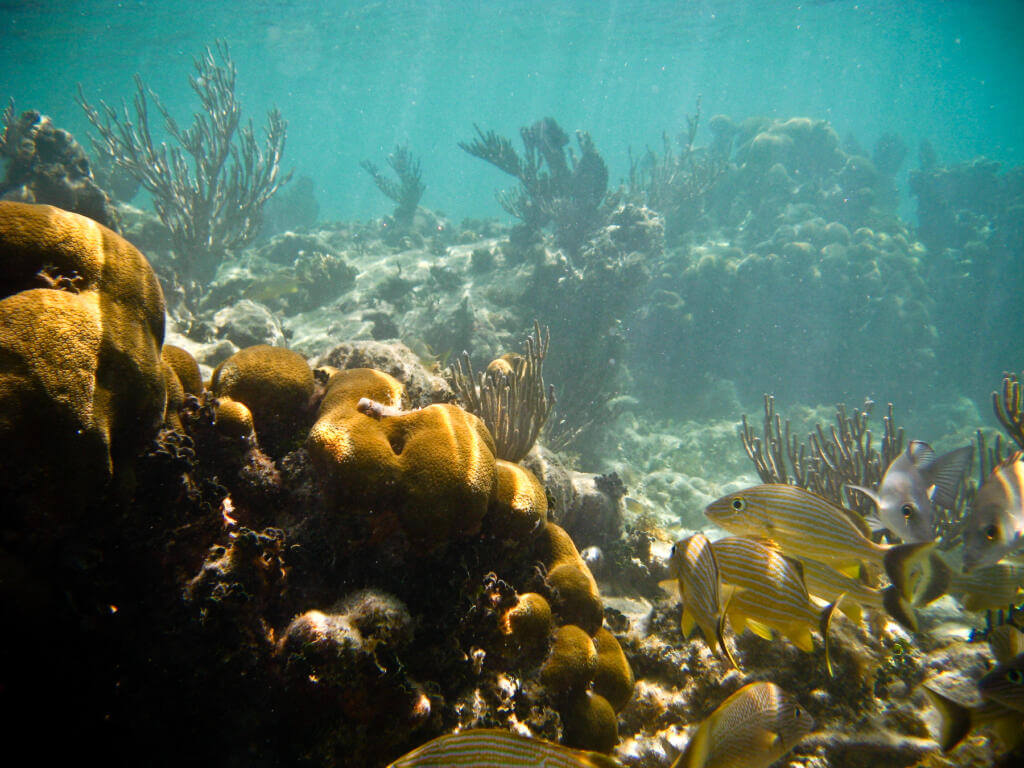
The disappearance of corals would disrupt the food chain, leading to a decline in fish populations and necessitating increased reliance on land-based protein production, a far more expensive and unsustainable process. Without corals, our oceans would become overrun with algae and jellyfish, producing less oxygen and jeopardizing the health of marine ecosystems.
Unfortunately, the future of coral reefs looks bleak. An international team of scientists warns that without immediate climate action, these invaluable ecosystems may vanish entirely by 2050. This would have devastating consequences for coastal communities, as coral reefs act as natural barriers against storm surges and floods. Without them, annual damages from flooding are projected to double, and storm costs could triple worldwide. The urgency to protect and preserve these fragile guardians of the ocean has never been greater.
7. The Ocean is filled with bacteria and deadly viruses
Beyond the sparkling surface of the ocean lies a vast and enigmatic realm of microscopic life – the barely explored kingdom of marine bacteria.
The ocean, while teeming with life, is also a reservoir for a vast array of bacteria and viruses. These microorganisms play a crucial role in marine ecosystems, driving nutrient cycles and supporting the base of the food web. However, some of these microbes can pose risks to human health.
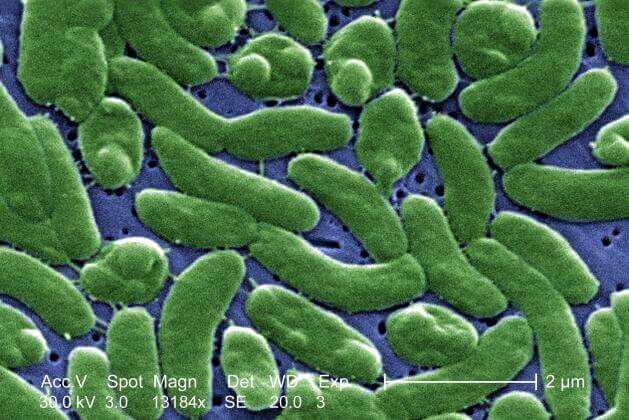
Vibrio vulnificus, for instance, is a bacterium found in warm coastal waters that can cause severe infections through open wounds or consumption of contaminated seafood. Other bacteria, such as those responsible for cholera, can also be present in marine environments, particularly in areas with poor sanitation.
In addition to bacteria, the ocean harbors numerous viruses, including bacteriophages that infect bacteria and viruses that can infect marine mammals and fish. While most of these viruses do not pose a direct threat to humans, their impact on marine life can be significant, affecting populations of commercially important fish stocks and disrupting marine food webs.
The presence of harmful bacteria and viruses in the ocean underscores the importance of safe swimming practices, proper seafood handling, and continued research to understand the complex microbial communities that inhabit our oceans
8. Sinkholes are alluringly beautiful but perilous
Beneath the tranquil waters of the world’s oceans lie enigmatic chasms known as oceanic sinkholes, colossal marine voids that beckon explorers and divers with their mysteries and potential dangers.
Oceanic sinkholes, also known as blue holes, are breathtaking natural formations that captivate the imagination with their mesmerizing beauty. These underwater caverns, often characterized by their deep blue color and seemingly bottomless depths, are alluring to explorers and divers seeking to uncover their hidden secrets.
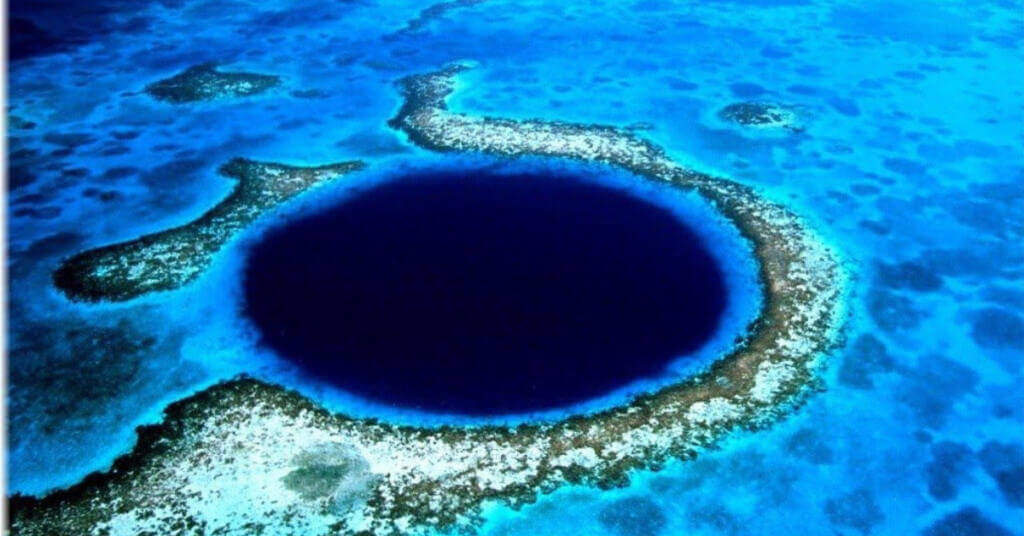
Yet, amid the allure, lies an undercurrent of peril. The depths of sinkholes can be treacherous, with strong currents, unpredictable underwater topography, and limited visibility posing significant risks to those who venture into them. Moreover, the unique chemical composition of some sinkholes can create oxygen-depleted environments, making them hazardous for divers who rely on breathing apparatus.
Despite the inherent dangers, the allure of oceanic sinkholes remains strong. They offer a glimpse into a hidden world, a place where ancient geological processes and diverse marine life converge.
9. Unexplained noises emerge from the ocean’s depths
“The Bloop,” an eerie and unexplained phenomenon from the ocean’s depths, stirs curiosity and a sense of unease about the hidden enigmas concealed beneath the waves.
The National Oceanic and Atmospheric Administration (NOAA) was the first to notice a mystery sound known as “The Bloop” emerging from the deepest part of the ocean. While NOAA scientists first claimed that it may be related to glacier movement, however the exact cause of the sound remains unknown. The source of the fascinating underwater phenomena remains unknown to this day, piqueing the interest of both experts and amateurs.
Other unexplained sounds, such as the Upsweep and Julia, have also been detected in the ocean. These sounds, with their distinct characteristics and patterns, continue to baffle researchers. While some scientists believe they may originate from geological events like icequakes or volcanic activity, others suggest they could be the vocalizations of yet-undiscovered marine animals.
10. The Ocean is also a human cemetery
It’s unnerving that the ocean has become a burial site for innumerable human souls lost at sea, their stories hidden beneath its immense expanse.
While the ocean is full of natural beauty and wonder, it is also a gloomy repository of human misfortunes. Under its placid surface are the final resting sites of individuals who met untimely ends at sea.
Throughout history, shipwrecks, plane crashes, and catastrophes have taken lives, leaving a chilling reminder of the dangers of maritime and aerial travel. While some of these stories remain mysteries, others serve as moving monuments to people who died while seeking adventure, discovery, or just crossing the great expanse of the world’s oceans.
FAQs
What is scarier – space or the ocean?
While space may seem vast and unknown, the ocean presents a more immediate and unpredictable threat. Unlike space, where phenomena like solar flares occur in cycles, the ocean is a chaotic environment where destructive forces like whirlpools, hurricanes, and tsunamis can strike with little warning. The proximity of these dangers and their potential for widespread devastation make the ocean a source of both fascination and fear for humans.
Why is the ocean feared?
Researchers suggest that it could be partly rooted in human evolution, a primal instinct developed as a survival mechanism in response to the potential dangers lurking in large bodies of water. Additionally, popular culture influences, such as movies and stories depicting terrifying sea creatures or shipwrecks, can reinforce this fear and create anxiety around the ocean.
What is the darkest zone in the Ocean?
Between 4,000 meters (13,100 feet) and 6,000 meters (19,700 feet), there is the abyssopelagic zone, also known as the abyssal zone. It is the ocean’s bottom, which is entirely black. Only a few species can be discovered at these terrifying depths, where the water is always close to freezing.
Which ocean is the most dangerous?
The Pacific Ocean, being the world’s largest, presents some of the most perilous conditions for maritime travel. Its vast expanse is prone to powerful typhoons, unpredictable currents, and treacherous rocky shores, making it a formidable challenge for unprepared vessels.
What is the deadliest thing in the ocean?
The box jellyfish is often considered one of the deadliest. Named for their cube-shaped bodies, these creatures possess tentacles armed with nematocysts, tiny darts filled with venom. A sting from a box jellyfish can deliver a potent cocktail of toxins that can cause paralysis, cardiac arrest, and even death within minutes.


