
Climate change is the long-term shifts of temperatures and typical weather patterns. These shifts are due to natural influences, such as volcanic eruptions, changes in the sun, and human activities, such as burning fossils, deforestation, and intensive farming.
In recent years, climate change has become a major global problem threatening the environment and the economy. Damaging events, such as frequent and intense hurricanes, rising sea levels, and drought, have led the world to turn to seaweed as a potential solution to combating climate change.
Seaweed is a form of marine algae that grows in the ocean. There are three main types of seaweed: brown, red, and green, and they come in a wide variety of colors, shapes, and sizes.
Because of its amazing ability to absorb carbon dioxide, seaweed has gained serious interest as a proposed answer to climate restoration.
Below we look more at how seaweed can help combat climate change.
Absorbs Carbon Dioxide
Like other plants, seaweed absorbs carbon dioxide through photosynthesis and releases oxygen into the atmosphere. By capturing significant amounts of carbon dioxide from the surrounding water, seaweed helps reduce greenhouse gas levels in the atmosphere.
In recent years, research has discovered seaweed’s capability to sequester large amounts of carbon dioxide. In particular, research shows that seaweed can absorb more than 200 million metric tons of carbon dioxide globally, with an estimated average square kilometer absorbing more than 1000 metric tons yearly.

Seaweeds also grow faster than land plants, with some species, such as the giant kelp growing at a rate of up to 2 feet per day under optimal conditions. This rapid growth allows it to absorb more carbon dioxide than land plants.
Studies also show that seaweed can absorb carbon dioxide 20 times faster than forests, thus representing it as a potential solution to combating climate change.
Additionally, when seaweed dies, it sinks to the bottom of the ocean, where it decomposes. This process sinks carbon dioxide from the atmosphere into the ocean’s sediments, which helps slow the rate of climate change.
Source of Biofuel
Besides being an effective carbon sink, seaweeds are increasingly becoming a viable renewable resource for biofuel production. Converting seaweed into biofuel can help reduce reliance on fossil fuels, a major source of greenhouse gas emissions.
Various processes, such as anaerobic digestion, fermentation, and pyrolysis are used to convert seaweed into biodiesel and bioethanol.
Anaerobic digestion involves breaking down the seaweed using a consortium of microbes to produce biogas. While biogas can’t be directly used as biodiesel or bioethanol, it can be upgraded to biomethane, a clean and renewable alternative to natural gas.
Fermentation uses microorganisms like bacteria or yeast to break down the sugars and carbohydrates present in seaweed. The broken-down components are then converted into bioethanol, a clean-burning alcohol fuel.
Lastly, pyrolysis is a thermochemical process that involves heating seaweed at very high temperatures in the absence of oxygen. This produces various products, including bio-oil, a dark liquid fuel similar to crude oil. Bio-oil can be further refined into biodiesel or other transportation fuels.
One significant benefit of using seaweed biofuel is that it is carbon-neutral and has little impact on global warming. Burning seaweed releases less carbon dioxide than burning fossil fuels, making it a potential solution to combating climate change.
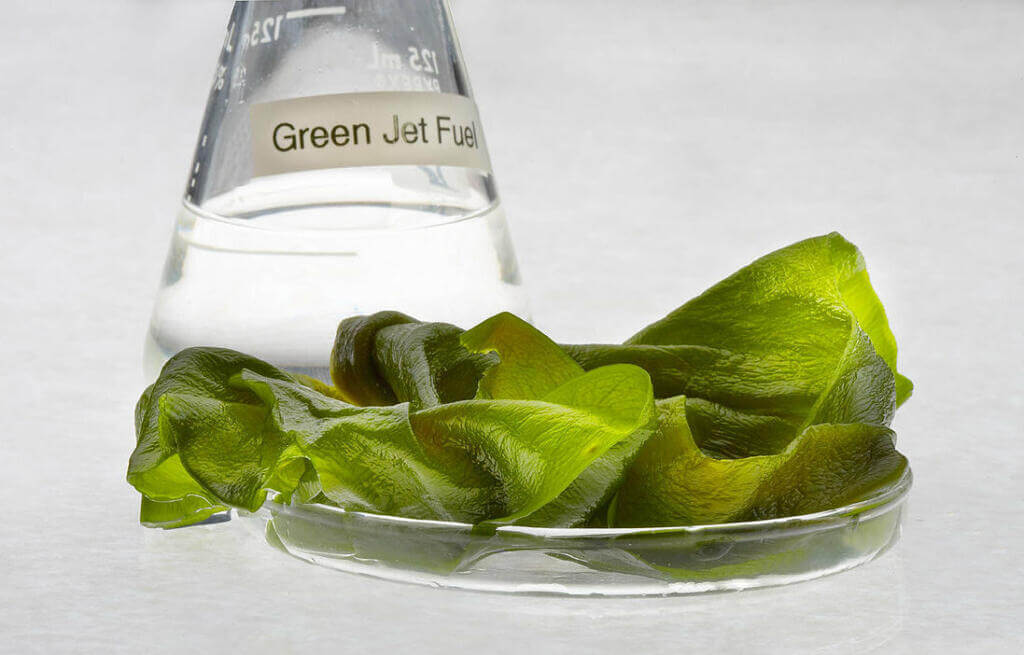
What’s more, unlike trees, it does not compete for land-based demands nor does it require freshwater or fertilizers to grow, making it a sustainable energy source.
Although using seaweed as a biofuel is still in its early stages of development, it would be a major step in the fight against climate change. Therefore, more research is needed to find the most efficient ways to harvest and process it.
Sustainable Food Source
Despite being an important food source for many marine species, seaweed is also a food source for humans and land animals.
Research shows that seaweed is a high-protein, vitamin, and mineral-rich diet. It is also a good source of antioxidants and anti-inflammatory compounds. Not forgetting, it is a low-calorie dish, thus an excellent choice for individuals looking to lose weight.

With the world’s population continually increasing, so will the demand for food. As a result, seaweed will be used to supplement land-based agriculture. This is because it is a nutritious and sustainable resource that grows extremely fast and does not require fresh water, soil, or fertilizer.
Furthermore, since it requires few inputs, it will help reduce pressure on land-based agriculture, making it a potential solution to combating climate change and reducing greenhouse gas emissions associated with traditional biofuel production.
Additionally, due to its high nutrient value, it is also used in formulating animal feeds for chicken, cattle, and aquaculture. Studies show that seaweed has numerous other benefits, such as being a sustainable alternative to traditional livestock feeds, improving livestock immunity and health, and reducing greenhouse gas emissions from ruminants.
Natural Fertilizer
Another remarkable prospect of seaweed is its capability to be used as a fertilizer for organic farming. It contains nitrogen, phosphorus, and potassium, as well as other minerals and trace elements that are essential for plant growth.
Besides, seaweed fertilizer comes in different forms, such as pellets, powder, and liquid, and can be applied in many ways. For example, the fertilizer can be applied directly to the soil or mixed into compost. Besides that, it can also be used as a top dressing or mulch.
Another important aspect of the fertilizer is that it does not pollute the environment and is safe for humans and animals.
This makes it an excellent alternative to chemically produced fertilizers, which significantly contribute to greenhouse gases. Seaweed, on the other hand, is a renewable resource that can be harvested sustainably. As a result, seaweed has emerged as a potential solution to combating climate change.

Challenges and Limitations
Seaweed’s ability to absorb large amounts of carbon dioxide and its potential as a sustainable food and biofuel source, seaweed is a powerful tool in the fight against climate change. However, as a climate change solution, seaweed is facing several challenges.
First, it is not widely grown on a commercial scale yet. Therefore, the supply of seaweed available to be used as a carbon sink is limited.
Second, if its cultivation is done improperly, it can lead to pollution and the depletion of fish stocks.
However, despite all these challenges, with proper management, seaweed cultivation is a promising solution to combating climate change.
Ocean Insights: Hear From Our Experts

By Dr. Rabiah Ryklief
Principal Scientist and Lecturer of Marine Science, with a PhD in Zoology
Large-scale cultivation of seaweed for carbon sequestration is a fascinating opportunity. However, maximising its potential requires a nuanced approach. By strategically cultivating diverse seaweed species we can create underwater forests that not only capture carbon dioxide but also provide critical habitat and nursery grounds for marine life. This can lead to increased species richness and trophic complexity within the farm itself, creating a self-sustaining ecosystem service. This powerful approach can tackle climate change while simultaneously restoring ocean health.
FAQs
How is seaweed affected by climate change?
Seaweeds are extremely sensitive to temperature and light conditions, and any minor variations can cause them to shift their growth patterns. As a result, as ocean temperatures continue to rise due to climate change, their abundance and distribution are declining over time.
How can we protect seaweed?
Despite being a valuable marine resource, seaweed is under threat from various human activities. However, there are several measures that we can take to protect them. The first measure is to prevent pollution and coastal development that harms seaweed beds. Another alternative is establishing marine protected areas where fishing and other human activity are restricted to allow it to regenerate.
What are the challenges of seaweed farming?
Although seaweed farming is becoming more popular, the lack of enough knowledge about its cultivation is a major challenge facing this industry. This is because the sector is relatively new, and there isn’t enough research on the best ways to grow and harvest it. Also, climate change impacts, such as ocean acidification, and environmental conditions, such as storms, damage seaweed crops and negatively affect their abundance and distribution.
How long can seaweed survive?
Depending on the type of seaweed and the conditions in the ocean, seaweed can survive from a few days to several years. Some species are annuals, meaning they only live for one year, while others are perennial, meaning they can live for several years. For example, red algae have a shorter life span than green algae. While seaweed can survive for a long time, it is not immortal and dies from various causes, such as disease, predation, and changes in unfavorable ocean conditions.
Why is seaweed important?
Seaweed is a vital part of healthy oceans. It provides food and shelter for countless creatures, cleans the water by filtering out pollutants, and even helps fight ocean acidification.


