
On this list, readers can explore twelve of the deepest points on Earth. These are primarily ocean trenches that are created due to shifting tectonic plates, like the Pacific plate, as it slips below other plates. They may seem out of reach, dark, and dreary, but in reality, the deepest places in the Earth’s oceans play host to a variety of amazing creatures.
The Dead Sea
Location: Jordan Rift Valley
Depth: 1,300 feet (400 meters)
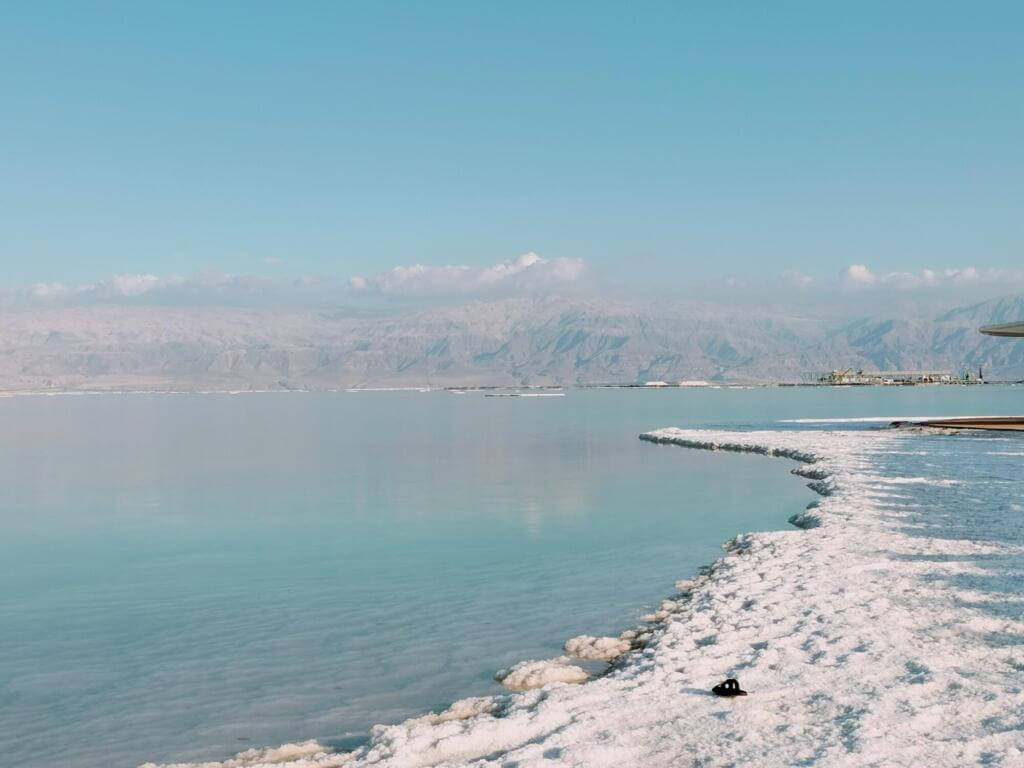
The Dead Sea is a remarkable feature formed by the ongoing separation of the African and Asian continents. This tectonic movement has created a deep basin in the Jordan Rift Valley where water collects. Fed primarily by the Jordan River, the Dead Sea has no outlet, making it a hypersaline lake. Its surface sits approximately 1,300 feet (430 meters) below sea level, making it the lowest elevation on land.
Denman Glacier
Location: Antarctica
Depth: 11,500 feet (3,500 meters)
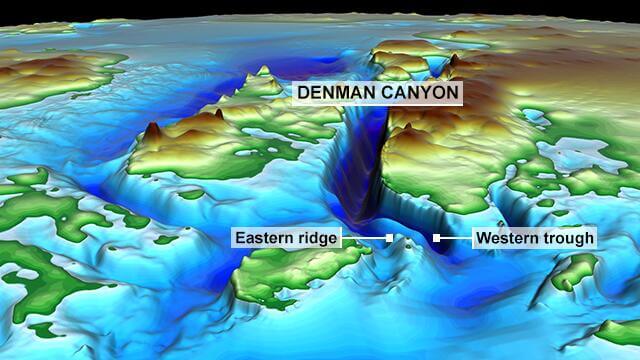
In Antarctica, you’ll find the deepest point on land. The Denman Glacier is an ice-filled canyon that reaches 11,500 feet below sea level. Only ocean trenches, like those listed below, are deeper. It was discovered recently using a physics concept called “mass conservation” to draw a more accurate picture of Antarctica. The map is called BedMachine Antarctica and provides crucial information about understanding the continent under changing climatic conditions.
Japan Trench
Location: North Pacific Ocean
Depth: 26,312 feet (8,020 meters)
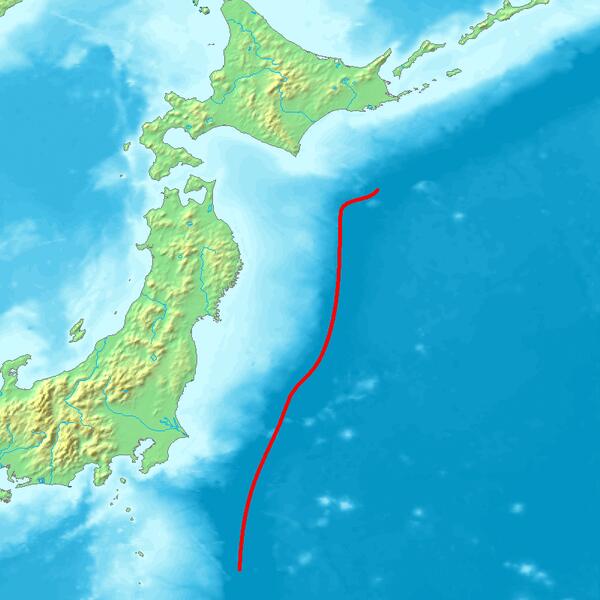
The Japan Trench is located to the east of the Japanese islands. Its volcanic activity makes up the bulk of the “Ring of Fire” in the northern Pacific Ocean. The trench, like most of those on this list, was formed through the subduction of the Pacific plate. This time, underneath the Okhotsk Plate. The plate’s movement is also one of the main causes of earthquakes and tsunamis in the area. Specifically, the 2011 earthquake, sometimes known as the “Great East Japan Earthquake.”
Peru–Chile Trench
Location: Eastern Pacific Ocean
Depth: 26,460 feet (8,065 meters)
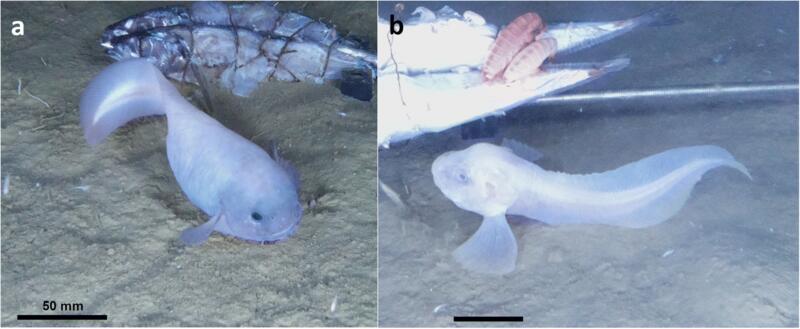
The Peru-Chile Trench is also known as the Atacama Trench. It stretches approximately 3,666 miles (5,900 kilometers) long and is the longest trench in the Pacific Ocean. This trench marks the convergent boundary where the Nazca Plate subducts beneath the South American Plate. Ongoing for the past 23 million years, it has created the trench as well as a “locked zone” that can cause massive earthquakes – such as the Valdivia Earthquake in 1960. The Peru-Chile Trench is also a fascinating deep-sea environment with unusual creatures such as snailfish.
South Sandwich Trench
Location: South Atlantic Ocean
Depth: 26,909 feet (8,202 meters)

The South Sandwich Trench is a frigid abyss located in the Southern Atlantic Ocean east of the South Sandwich Islands. It holds the distinction of being the deepest trench in that region and the second deepest in the entire Atlantic. In 2021, the Five Deeps Expedition ventured into this challenging environment, marking the first-ever exploration of the trench. Researchers mapped the trench and revealed its deepest point: the Meteor Deep that plunged to a depth of 26,909 feet (8,202 meters). Cameras captured images of hadal snailfish, amphipods, brittle stars, sea cucumbers, sponges, and crinoids.
Puerto Rico Trench
Location: Atlantic Ocean
Depth: 27,585 feet (8,408 meters)
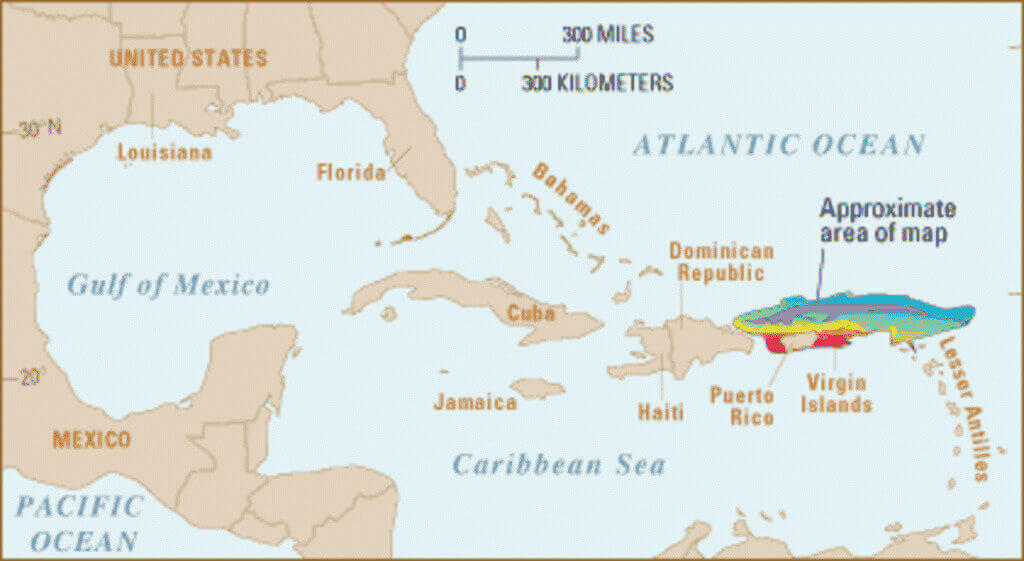
The Puerto Rico Trench is the deepest point in the Atlantic Ocean. Nearly 500 miles (805 kilometers) long, the deepest point is referred to as the Milwaukee Deep. This abyssal plain was explored in 2018 by Victor Vescovo, who piloted a submersible to the bottom, making it the deepest crewed dive in the Atlantic. The trench’s formation has given rise to nearby volcanic islands and even an underwater mud volcano discovered near the 4.9 mile-mark (8 kilometers). It is no surprise that it is a major source of seismic activity, making the surrounding islands vulnerable to earthquakes and tsunamis.
Kuril- Kamchatka Trench
Location: Northwest Pacific Ocean
Depth: 31,509 feet (9,604 meters)
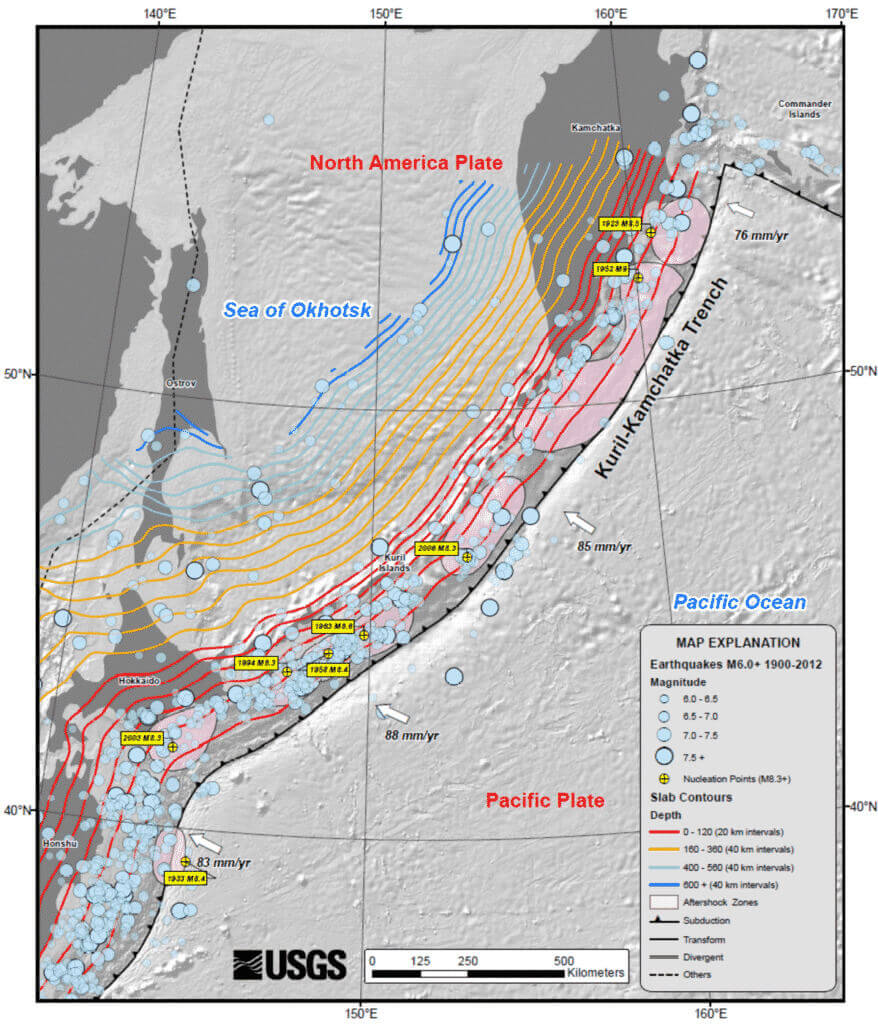
The Kuril-Kamchatka Trench is located off the coast of Kamchatka in the northwest Pacific Ocean. It is a deep oceanic trench formed by the subduction of the Pacific plate beneath the Okhotsk plate. This process began in the Cretaceous period and continues to shape the trench today, contributing to the formation of volcanoes in the region. The trench’s depth has been a subject of study and revision over time. Early expeditions, like the Challenger expedition in the 1870s, estimated its depth at around 27,950 feet(8,520 meters). However, more recent data suggests a maximum depth closer to 31,500 feet (9,600 meters).
Izu-Ogasawara Trench
Location: Western Pacific Ocean
Depth: 32,113 feet (9,788 meters)
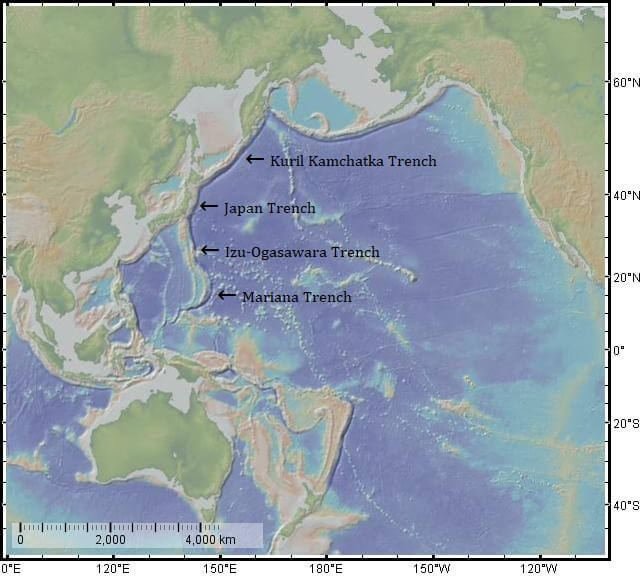
The Izu-Ogasawara Trench is also known as the Izu-Bonin Trench. It’s a critical component of a vast, interconnected trench system that stretches from the Kuril Trench, down through the Japan Trench, and ultimately connects to the Mariana Trench. This system marks a dynamic zone where the Pacific Plate subducts beneath other tectonic plates. It also features unique seamounts – underwater mountains like the Daiichi-Kashima Seamount, which is gradually sinking into the trench floor.
Kermadec Trench
Location: South Pacific Ocean
Depth: 32,808 feet (10,000 meters)
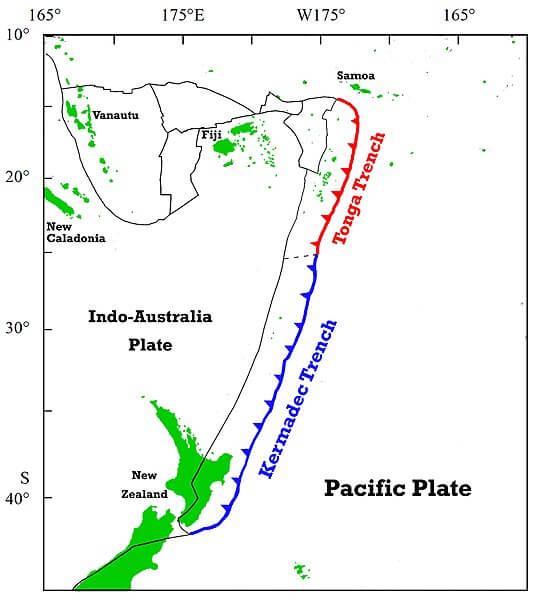
The Kermadec Trench stretches northeast from New Zealand’s North Island towards the Louisville Seamount Chain in the South Pacific Ocean. The trench is formed by the subduction of the Pacific plate beneath the Indo-Australian plate. A 2014 scientific expedition uncovered a diverse range of life in the trench, including seven fish species (with nine types of snailfish), numerous amphipods, three shrimp species, and various other invertebrates. Hydrothermal vents were also discovered, supporting unique communities of bacteria, mussels, and worms.
Philippine Trench
Location: Philippine Sea
Depth: 34,580 feet (10,540 meters)

The Philippine Trench is a long, narrow depression in the western Pacific Ocean. It measures approximately 820 miles (1,320 km) long and has a maximum width of 19 miles (31 km). Its deepest point reaches 34,580 feet. Formed during the Plio-Pleistocene epoch by the convergence of tectonic plates, the trench is relatively young about 8-9 million years ago. It is a seismically active region, known for the numerous earthquakes that occur along its boundaries.
Tonga Trench
Location: Southwest Pacific Ocean
Depth: 35,702 feet (10,882 meters)
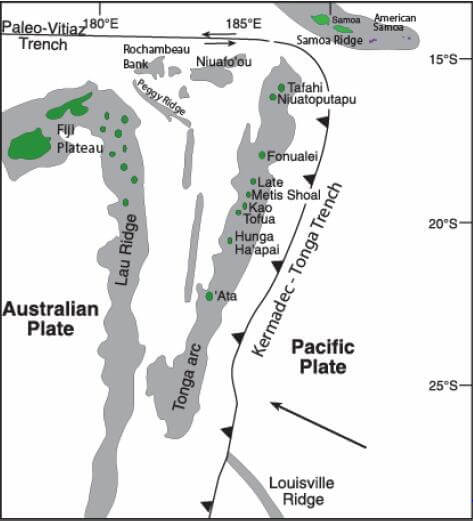
The Tonga Trench is the deepest trench in the Southern Hemisphere and the second deepest point on Earth, with a maximum depth of 35,702 feet. It’s located in the South Pacific Ocean, running north from New Zealand towards Tonga and Samoa. The trench marks the zone where the Pacific plate subducts beneath the Indo-Australian plate. This subduction occurs at a faster rate here than anywhere else on Earth. The deepest point of the trench is Horizon Deep, discovered in 1952 by a research vessel of the same name.
Mariana Trench
Location: Western Pacific Ocean
Depth: 35,876 feet (10,935 meters)
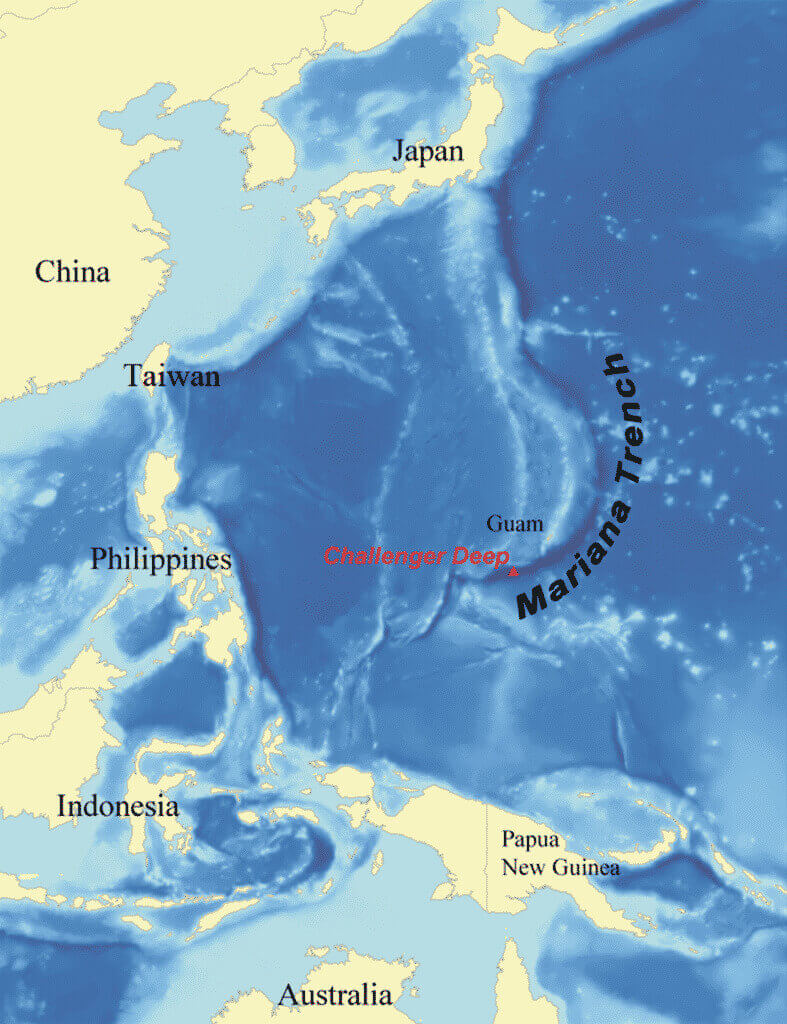
The Mariana Trench is a crescent-shaped chasm in the western Pacific Ocean. It is home to the deepest known point on Earth. Located about 124 miles (200 kilometers) east of the Mariana Islands, this immense trench stretches over 1,580 miles (2,543 km) in length and reaches a maximum width of 43 miles (69 km).
At its southern end lies the Challenger Deep, a valley that plunges to depth of approximately 36,000 feet (10,973 meters). While the exact depth has been debated and refined over the years due to the challenges of measuring such extreme depths, it’s undeniably the most deepest point in the world’s oceans.
Despite its remoteness and extreme conditions, the Mariana Trench has been explored by humans, with record-breaking dives made by explorers like James Cameron and Victor Vescovo.

The water pressure at the bottom of the trench is incredible, more than 1,071 times the normal atmospheric pressure at sea level. Living in this incredible habitat are some of the world’s most peculiar sea creatures. Read more about the strange animals found in the Mariana Trench.
Ocean Insights: Hear From Our Experts

By Dr. Rabiah Ryklief
Principal Scientist and Lecturer of Marine Science, with a PhD in Zoology
The recent discovery of a Snailfish thriving at over 27,000 feet in the Izu-Ogasawara Trench near Japan pushes the boundaries of known fish habitats. This raises fundamental questions about the distribution and adaptation of life in extreme environments. Why, for instance, do these Japanese trenches appear to support a greater abundance of Snailfish compared to other deep-sea regions? Examining the unique adaptations of these fish, such as their gelatinous layer replacing scales and lack of swim bladders, provides insights into surviving immense pressure. And the observation that young Snailfish favor the deepest zones hints at unique survival strategies in these ecosystems.
FAQs
What is the deepest point on Earth?
The deepest point on Earth is the Challenger Deep, located in the Mariana Trench. It is in the Western Pacific Ocean and is 36,037 ft (10,984 meters) deep.
What are the five deepest parts of the ocean?
The five deepest points on earth are the Mariana Trench, the Tonga Trench, the Philippine Trench, the Kuril-Kamchatka Trench, and the Kermadec Trench.
Is there a place deeper than Mariana Trench?
Yes. The Kola Superdeep Borehole is a hole drilled in the ocean floor, reaching 12,262 meters deep, or 40,320 feet. It is the deepest artificial point on Earth and was completed in May 1970 using a drilling rig. It is only nine inches wide.


