

With over 100 hours of diving under my belt as a PADI Advanced Diver, I’ve learned that diving isn’t just about the basics. Sure, mastering the fundamentals gets you in the water, but to really elevate your dives, you need to refine your techniques and mindset.
I am by no means a pro and there is plenty more that I can learn, but this is what has made a considerable difference in my personal experience and what has, in my opinion, leveled up my experience as a scuba diver. So that’s what these tips are – they aren’t about the essentials—they’re about taking your dives to the next level and transforming your underwater adventures into something truly special.
Whether it’s squeezing more bottom time out of your air tank, improving your buoyancy control, or making every dive feel effortless, these are my top tips. If you’re ready to make every dive smoother, longer, and more fun, read on!
1. Optimize Your Air Consumption
After my first few deeper dives, I realized quickly that the best way to extend my underwater time was by improving the amount of air I use. It’s not just about taking shallow breaths—it’s about controlling your breathing and staying relaxed. Inhaling slowly and fully, then exhaling even more slowly, keeps you calm and stretches your air supply. It’s amazing how much longer you can stay at depth when you consciously manage your breathing.
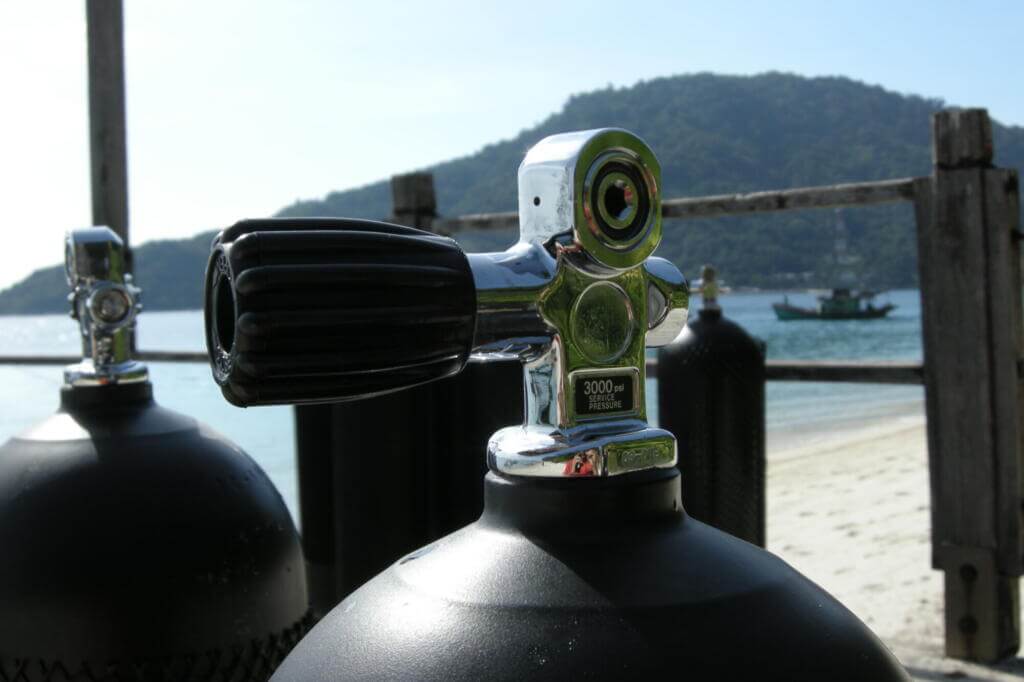
Pro tip: Practice this on the surface first. Slow, mindful breathing will become second nature, and you’ll start to notice the difference in how long your air lasts.
2. Perfect Your Buoyancy (Beyond the Basics)
You’ve probably heard it a hundred times: good buoyancy control is key to being a great diver. But the trick to really mastering buoyancy is getting comfortable with micro-adjustments—using your breath, not just your BCD, to make small, subtle changes. I’ve found that even a slight inhale or exhale can lift me just enough to glide over delicate coral or sink effortlessly to check out something on the ocean floor.

Pro tip: On my dives, I like to practice hovering in different positions—whether it’s upside down or sideways. It adds a new dimension of control and makes your movements feel much more fluid underwater.
3. Don’t Forget About Decompression Sickness
Even as an experienced diver, it’s easy to become complacent about nitrogen absorption and the risks of decompression sickness (DCS), or the ‘bends,’ but they should always be on your radar. As you dive deeper or stay underwater longer, your body absorbs more nitrogen, which can lead to nitrogen narcosis or, if you ascend too quickly, decompression sickness. DCS occurs when nitrogen bubbles form in your bloodstream during ascent, potentially causing anything from mild joint pain to serious health issues. To avoid this, always monitor your dive profile, stick to your no-decompression limit (NDL), and ascend slowly. Safety stops are not just a formality—they’re a key part of letting your body off-gas nitrogen safely.
Pro tip: Having a little extra weight can make a big difference during my safety stops—it helps with neutral buoyancy, ensuring your safety stop is done properly.
4. Don’t Rush Your Safety Stops
Speaking of DCS, one thing I see often is divers treating their safety stops like a chore. The truth is, safety stops are your best defense against DCS, and taking the time to ascend slowly—particularly on deep dives—can be a literal lifesaver. Use that time to decompress properly and take in your surroundings. Safety stops are a great opportunity to spot smaller marine life that might not be obvious during the main dive.
Pro tip: I use my safety stops as a chance to just float and watch the fish around me. Slowing down at the end of a dive gives me time to reflect on the dive, while also giving my body time to off-gas properly. Plus, it’s usually the last moment to take in the underwater world before surfacing!
5. Dial in Your Gear Setup
Nothing ruins a dive like having to constantly adjust your mask or BCD. After trying different setups, I’ve learned that gear placement can make a massive difference in how smoothly a dive goes. Make sure everything is exactly where you need it to be—your gauges, clips, and accessories should all be easy to reach and in a consistent spot. Over time, muscle memory kicks in, and you’ll make adjustments without even thinking about it.

Pro tip: This might not sound like a “pro” tip, but it’s too important to overlook—always do a thorough buddy check. No matter how experienced you are, it’s easy to skip this step when you’re eager to get in the water. But a simple buddy check can catch issues with gear, weights, or air that might otherwise turn into major problems once you’re underwater. Take the extra minute to go through it properly—it could make all the difference on your dive.
6. Get Comfortable with Navigation
As an advanced diver, I learned early on that relying on others for navigation isn’t always the best idea. Sure dive masters are a great help, but mastering your own sense of direction underwater, whether using a compass or natural landmarks, gives you more freedom and confidence.
Take the time to study the dive site map, understand key features, and be aware of potential currents or hazards. When you combine that knowledge with compass skills and natural navigation—like using the sun’s position or reef formations—you’ll find even unfamiliar sites easier to explore.
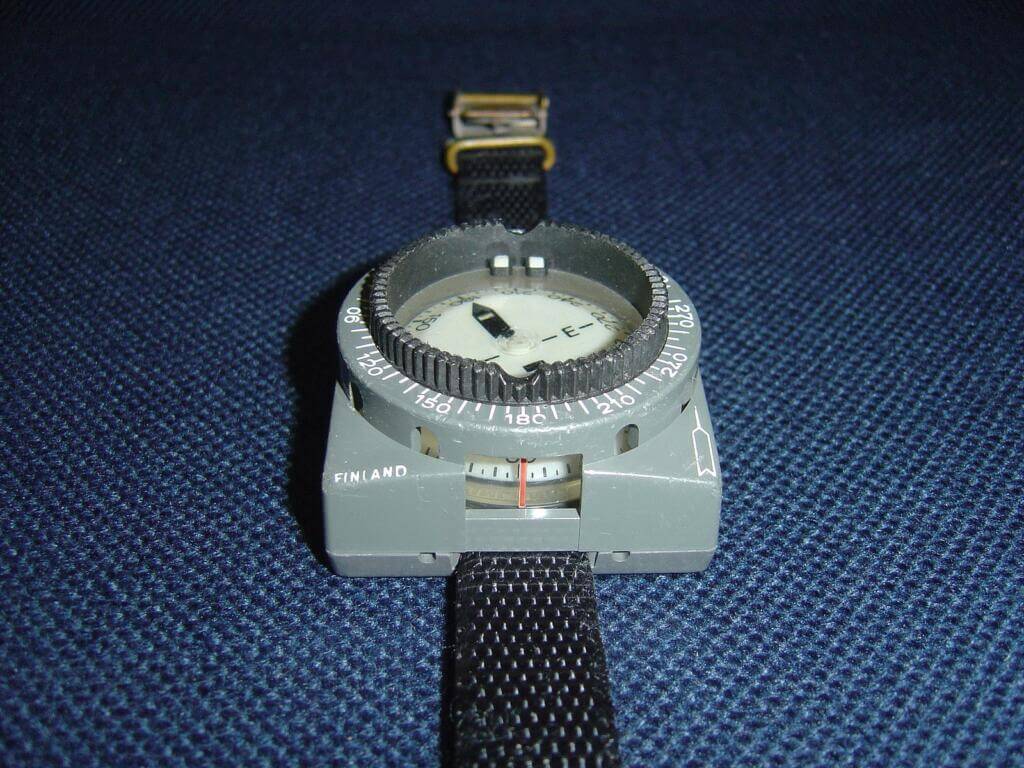
Pro tip: As much as navigation skills give you independence, don’t get cocky and lose track of your buddy. It’s easy to focus on your course and forget about your dive partner, but getting separated can quickly turn a great dive into a stressful situation. Stay close, check in often, and maintain good communication to ensure you’re both on the same path.
7. Adjust Your Kicks for Efficiency
You may think you have finning down, but how efficient are your kicks really? On longer dives or dives in current, having the right technique can really help with fatigue, as well as save energy and air. The frog kick is my personal favorite because it’s energy-efficient and doesn’t stir up the silt as much, keeping the water clear for you and your dive buddies.
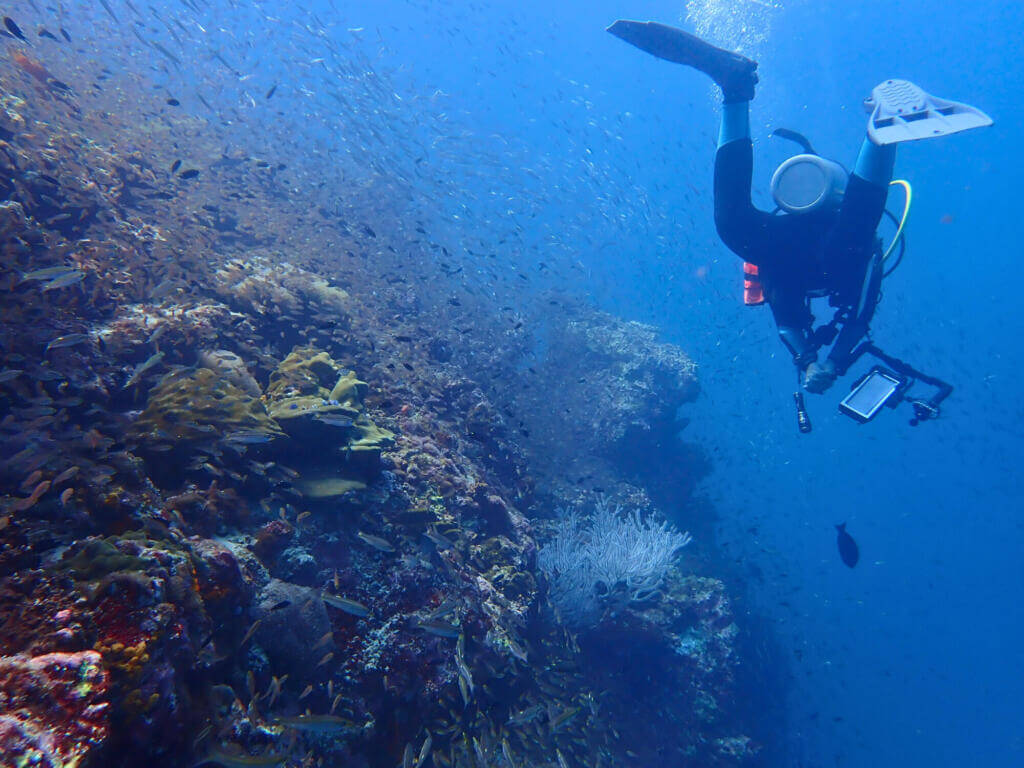
Pro tip: Practice different finning techniques in different environments. Adjusting your kick style depending on the conditions can make all the difference, especially in strong currents or delicate environments.
8. Make the Most of Nitrox Air
If you’re diving with Nitrox (enriched air), you’re already giving yourself more bottom time and reducing the risk of nitrogen buildup—but there are still some key tips to keep in mind. With Nitrox, it’s important to monitor your oxygen exposure, as higher concentrations can lead to oxygen toxicity at greater depths. Stick to the maximum depth limits for your Nitrox blend, and always double-check your dive computer settings are configured for Nitrox to avoid miscalculations. Nitrox can be a game-changer for repetitive dives or extending your time at mid-depths, but it requires a slightly different approach to dive planning.
Pro tip: I found Nitrox particularly helpful on dive trips where we did multiple dives a day. It gave me more time to explore at depth without worrying as much about nitrogen narcosis, but it’s crucial to respect the depth limits and ensure your computer is set correctly before each dive.
9. Respect the Marine Life
This one should really go without saying, but sadly, I often see beginner divers, especially in popular or tourist-heavy spots, who become so focused on getting the perfect photo that they forget to be mindful of their surroundings—sometimes even damaging delicate coral in the process. The best encounters happen when you stay still and let the marine life come to you. That makes the experience far more special. I’ve had unforgettable moments with turtles, sharks, and manta rays simply by being patient and giving them the space they deserve.
While it’s tempting to get close to certain animals, it’s crucial to remember that we’re visitors in their environment. Chasing marine life can stress them out and, in some cases, lead to aggressive reactions (think territorial triggerfish). Maintaining a respectful distance not only keeps you safe but also allows for more natural and rewarding interactions with underwater creatures.

Pro tip: When observing marine life, let your body remain as neutral as possible. Slow movements make you less intrusive, and you’ll often get a closer, more authentic experience with wildlife.
10. Be Present and Enjoy the Dive
It’s easy to get caught up in managing your gear, tracking your air, or trying to capture the perfect shot, but some of the best dives happen when you simply let go and immerse yourself in the experience. Once you’ve nailed the basics, try to shift your focus away from the mechanics of the dive and just enjoy being underwater. Tune into the sounds of the ocean, observe the natural flow of marine life, and take in the incredible scenery around you. Sometimes the best memories aren’t the ones you document—they’re the ones you truly experience.

Pro tip: On my most memorable dives, I’ve consciously put my camera away and focused on being present in the moment. It allowed me to connect with the dive on a deeper level—just feeling the water, the quiet, and the magic of the underwater world. It’s an experience you can’t capture on film.
11. Stay Curious and Keep Learning
Even after over 100 hours in the water, I’m always finding ways to improve. Whether it’s taking a specialty certification—like wreck diving, underwater photography, or drift diving—or exploring new locations and dive environments, there’s always something more to learn. The beauty of diving is that the more you dive, the more you realize how much there is left to explore.
Final Thoughts
Diving is a constant learning experience, no matter how many hours you’ve spent underwater. By fine-tuning your technique and pushing your limits smartly, you can instantly level up your dives. Every dive becomes more about the experience and less about managing your gear or worrying about conditions. So take these tips, put them into your next dive, and watch as your experience becomes smoother, longer, and even more rewarding.


