
Bioluminescent plankton are microscopic marine organisms that inhabit many of the world’s oceans. Their defining feature is their ability to produce light, a phenomenon known as bioluminescence. This light is created through a chemical reaction within their bodies and serves various functions, from attracting mates to deterring predators.
They serve as a vital food source for larger organisms, including fish and crustaceans, and their bioluminescence can influence the behavior and distribution of other marine life. Their presence also contributes to local economies through tourism, as people travel worldwide to witness their breathtaking spectacle of light. Read on to learn more about the fascinating world of these glowing organisms.
Appearance
A vast range of zooplankton and single-celled phytoplankton are known to be bioluminescent. Bioluminescent plankton consists of diverse species, each with unique characteristics. Other bioluminescent organisms include certain jellyfish, ctenophores, or comb jellies, and even some bacteria.
Their size generally ranges from a few micrometers to millimeters, making them invisible to the naked eye.
The glowing effect of these drifting organisms lights up the entire coastline. Their bodies are usually transparent or faintly colored and may appear blue, green, or pinkish hues when not glowing. Most of them have a soft, gelatinous structure without legs.
Types of Bioluminescent Plankton
Bioluminescent plankton include a wide variety of species, each with distinct structures and light-producing mechanisms. Understanding these types helps scientists monitor ocean health, study food web dynamics, and explore the role of light in marine ecosystems.
- Dinoflagellates, often responsible for “red tides,” are typically spherical or oblong and possess two flagella for locomotion. The movement of the flagella triggers their light production, a defense mechanism thought to startle predators or attract secondary predators to their attackers.
Did you know? Some species have specialized organelles called scintillons, which store the enzymes and light-producing chemicals needed for the glow reaction.

- Copepods are small crustaceans resembling miniature shrimp, have segmented bodies, and multiple pairs of legs used for swimming and creating water currents for feeding. Some species produce bursts of light to escape predators, especially in calmer waters with low light pollution.
- Radiolarians and foraminifera, two groups of marine protozoans, can also emit light. Though less studied for their bioluminescence, they contribute to glowing displays in deeper or offshore waters.
- Ctenophores, or comb jellies, are gelatinous, planktonic animals that create dazzling light shows. Unlike dinoflagellates or copepods, they do not use chemical reactions alone—their iridescent flashes are partly due to light scattering as well as bioluminescence.
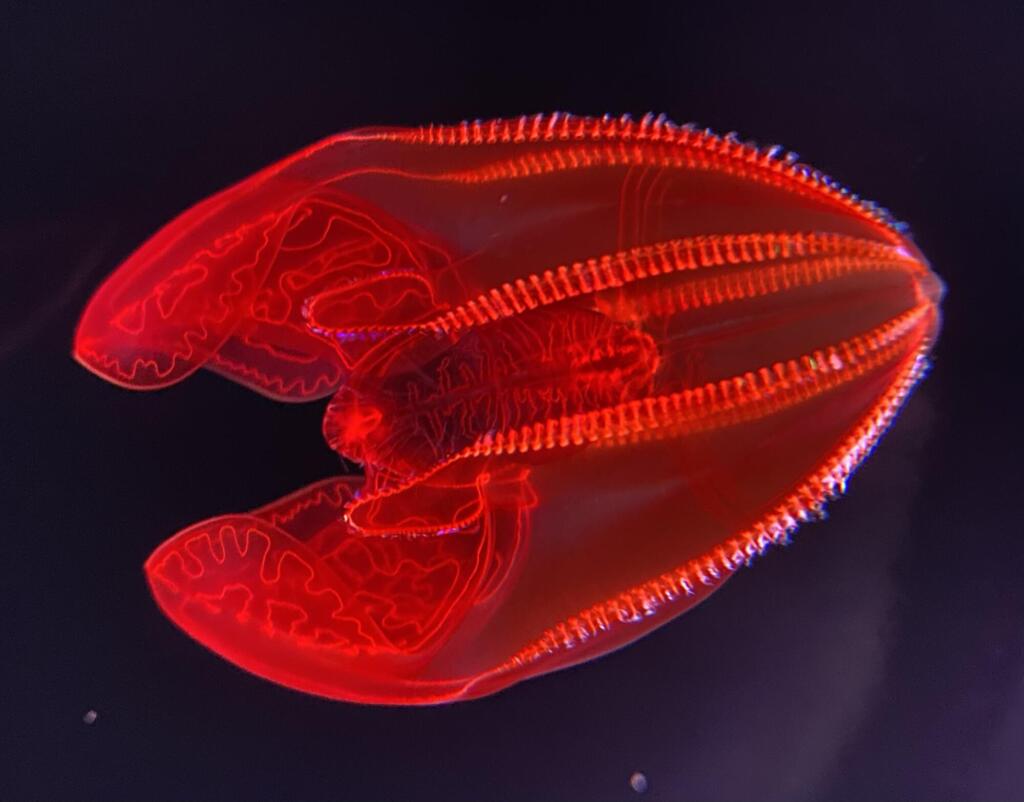
- Bioluminescent bacteria may also form free-floating colonies or live symbiotically with other marine organisms. These bacteria can create extended glowing areas in nutrient-rich tropical waters, particularly when blooms occur.
What Makes Plankton Glow Visible
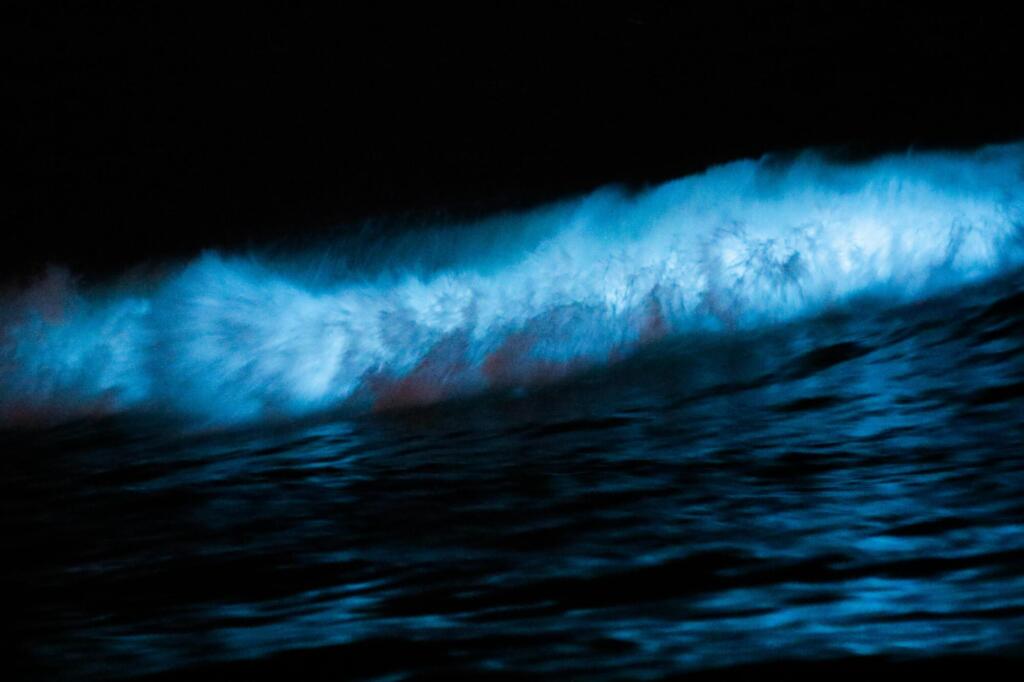
Bioluminescent plankton create light through a chemical reaction involving the enzyme luciferase and the compound luciferin, typically triggered by physical movement—such as waves, swimming fish, or even a human hand disturbing the water. While the glow originates at a microscopic level, the spectacle becomes visible when large numbers of these organisms gather and are stimulated simultaneously.
However, several environmental, biological, and geographical factors determine how visible this glow is to the human eye:
- Species type: Some species, like Pyrodinium bahamense, emit brighter and more frequent flashes than others, such as Noctiluca scintillans.
- Population density: Dense blooms—known as bioluminescent blooms—are far more likely to create a visible glow than dispersed populations.
- Water clarity: Clear, clean water allows the glow to shine through more effectively, while murky or polluted water diminishes visibility.
- Disturbance level: Still or gently moving water allows viewers to create and observe bioluminescence more easily, whereas turbulent or choppy conditions can make the glow harder to detect.
- Darkness: Light pollution, bright moonlight, or even nearby torches can overwhelm the faint bioluminescent glow, rendering it nearly invisible.
Why Bioluminescent Plankton Rarely Look Like the Photos
Bioluminescent plankton are real, but the intensity of their glow in person rarely matches what is seen in long-exposure photographs. These images often amplify the light beyond what the human eye can perceive, leading to inflated expectations.
The Ocean Info team visited two locations, including Krabi in Thailand and Halong Bay in Vietnam, both of which are known for bioluminescent activity, and we were able to spot the fascinating phenomenon firsthand. When you jump into the water and wave your arms and legs, tiny glowing specks swirl around you like underwater fireflies. It’s a fascinating and surreal experience—but don’t expect to capture a dramatic photo. The glow is subtle, visible only in darkness and motion, and typically far too dim for a phone camera to register without long-exposure settings.
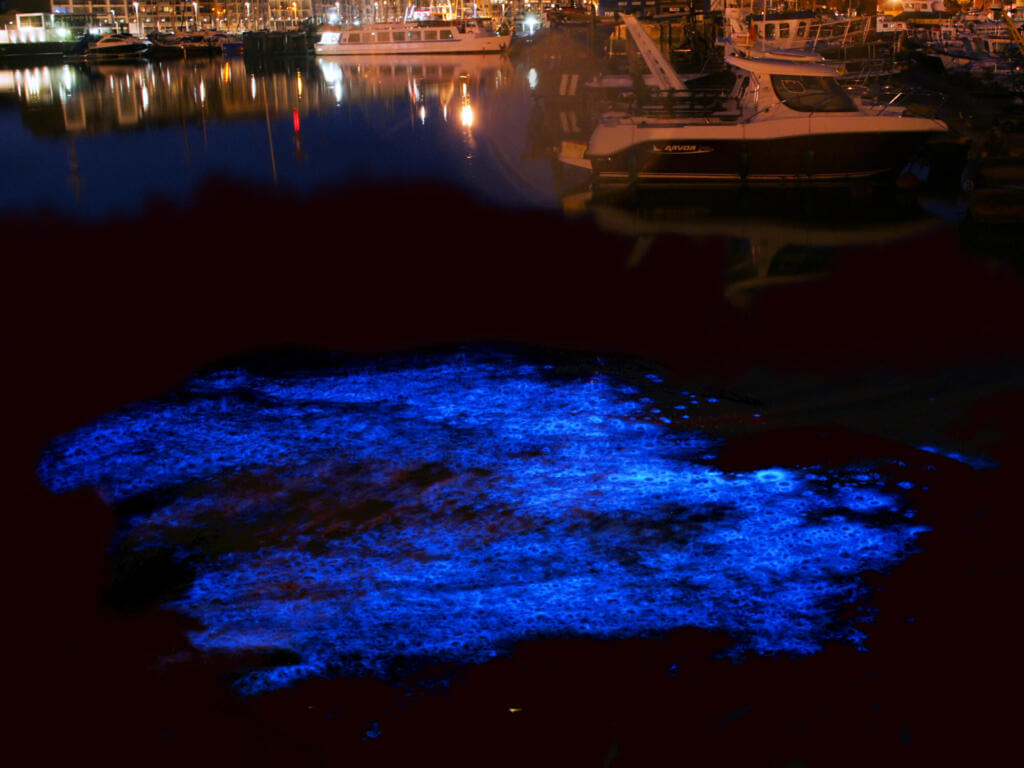
In most places, bioluminescence is present but often faint, fleeting, or not visible at all. This is usually due to one or more of the following:
- Open geography: Unlike enclosed bays, open beaches or large inlets allow currents to disperse plankton, reducing concentration levels.
- Frequent boat traffic and light pollution: These introduce movement and artificial lighting that interfere with visibility.
- Seasonal changes: In places like Halong Bay, plankton may only bloom during warmer months (typically May–September), and even then only in quieter areas like Lan Ha Bay.
- Low bloom density: Even with the right species, a weak bloom won’t generate enough light to be noticed by the naked eye.
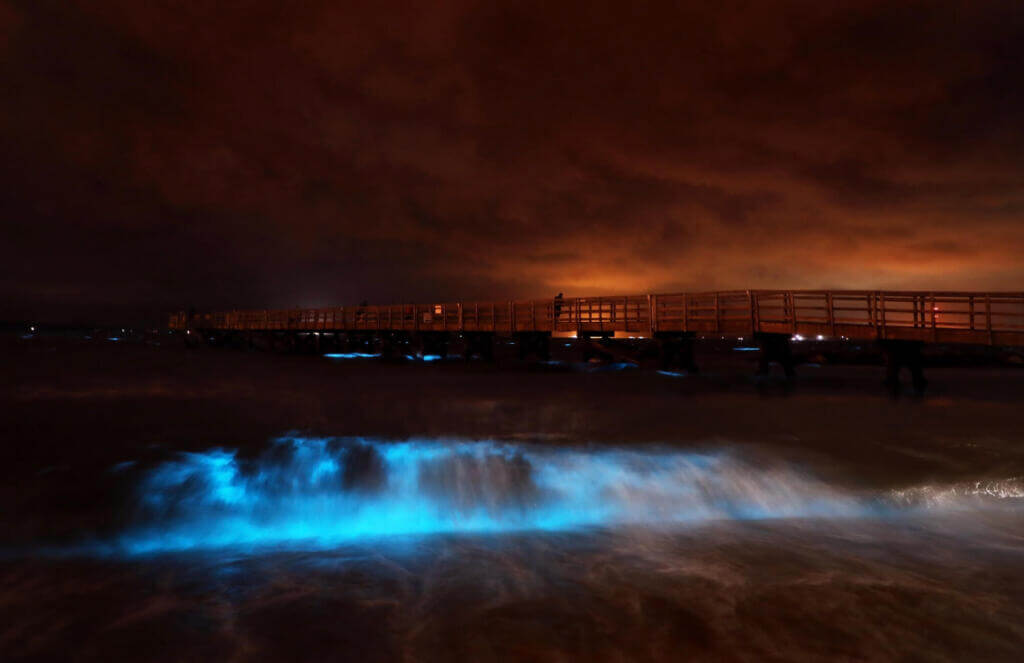
- Long-exposure photography: Many of the striking images online are captured using long-exposure settings, which amplify the glow far beyond what the human eye can see in real time. In reality, the light produced is often subtle and short-lived—more of a gentle sparkle than a glowing sea.
In contrast, Mosquito Bay in Puerto Rico offers near-perfect conditions: warm, shallow, and enclosed waters rich in nutrients and virtually free from artificial light. The result is a bay where Pyrodinium bahamense populations thrive—and where the glow is visible even without movement. So if you want to get as close as possible to the magic that long-exposure photography creates, this is the place to be!
Habitat
Bioluminescent plankton organisms flourish in nutrient-rich coastal waters, especially areas experiencing upwelling like the coasts of California, Oregon, and Peru. They are also found in enclosed bays and lagoons, such as Mosquito Bay in Puerto Rico, where conditions allow them to concentrate.
Nevertheless, they can also be found in the open ocean, particularly where currents converge and bring nutrients to the surface, such as the Sargasso Sea. Warmer tropical and subtropical regions generally favor their growth, but some species are found in temperate and even colder waters.
Geographical factors like water temperature, salinity, and nutrient availability influence the distribution and abundance of different bioluminescent plankton species.
Diet
Bioluminescence helps this type of plankton to attract prey. They vary in their feeding habits depending on the species. Most dinoflagellates are algae. They make their food by photosynthesis during the day using sunlight. Other species can both photosynthesize and consume other small organisms like bacteria or algae.
They don’t have teeth. Instead, they absorb nutrients through their cell membranes or use small feeding grooves to engulf food particles. Some species have evolved to prey on other plankton or even extract nutrients from dead organic material floating in the water.
Reproduction
Many species, particularly dinoflagellates, reproduce asexually; they divide and multiply through mitosis. This efficient method allows for rapid population growth when conditions are favorable, quickly multiplying their numbers to create stunning bioluminescent displays.
Other species opt for sexual reproduction, releasing eggs and sperm into the vast ocean. The larvae are often microscopic and vulnerable, drifting with the currents for development and dispersal until they mature into bioluminescent adults.
In some species, cysts (dormant cells) can form and remain viable in the sediment for years, waiting for the right conditions to hatch.
Threats
Bioluminescent plankton face numerous threats posed by human activities, such as pollution and plastic waste. Climate change, through rising ocean temperatures and acidification, alters the water chemistry vital for plankton survival. Coastal development destroys essential habitats.
Natural threats include predation by larger zooplankton, shifts in ocean currents and nutrient availability, and viral or bacterial infections. These combined pressures raise the importance of conservation efforts to protect these fascinating organisms and their luminous displays.

While they reproduce rapidly, large-scale environmental disruptions collapse their entire populations, affecting the marine food web they support.
6 More Facts About Bioluminescent Plankton
- The glow is activated by mechanical stimulation of waves, swimming fish, or even human hands.
- Vieques, Puerto Rico is renowned as the world’s brightest bioluminescent bay and has become a major tourist destination for those seeking to witness the mesmerizing glow of plankton.
- Under suitable conditions, they can multiply massively overnight, creating spectacular “bioluminescent blooms” that can last for days.
- Certain bioluminescent plankton synchronize their light flashes, creating mesmerizing patterns in the water.
- The glow is produced when the enzyme luciferase reacts with oxygen and luciferin, generating light energy.
- The chemical reaction that produces bioluminescence requires oxygen.
FAQs
What’s the best place to spot bioluminescent plankton?
Mosquito Bay in Vieques, Puerto Rico, is renowned for its intense bioluminescence. The Maldives, San Diego, California, Jervis Bay in Australia, and Toyama Bay in Japan are other famous spots to witness the bioluminiscent plankton.
Is it safe to swim in bioluminescent plankton?
Yes, most bioluminescent plankton are harmless to humans. However, some dinoflagellate species associated with red tides can produce toxins, so it’s best to avoid swimming in those blooms.
What time of year is best for bioluminescent plankton?
Warm weather months are typically best, as warm temperatures of water and increased sunlight promote plankton growth. However, specific timing varies depending on the location and species.
Does a bioluminescent plankton sting?
No, bioluminescent plankton do not sting. The light they produce is a chemical reaction, not a stinging mechanism like that of jellyfish.
Can you touch bioluminescent plankton?
Yes, you can usually touch bioluminescent plankton without harm. Disturbing the water often triggers their light show. However, one must avoid touching any associated red tide blooms, as they can be toxic.
Are plankton toxic?
Most of them are not toxic. However, some species, particularly certain dinoflagellates, can produce toxins that accumulate in shellfish and pose a risk to humans who consume them. These are often associated with red tides.
How can I take a good photo of bioluminescent plankton?
To capture bioluminescent plankton, you’ll need a camera with manual settings or a phone that supports long-exposure photography. Use a long shutter speed (10–30 seconds), a high ISO, and a wide aperture to let in as much light as possible. A tripod is essential to keep the shot steady, and the darker the surroundings, the better. Have someone gently disturb the water to trigger the glow—but keep in mind that most phone cameras won’t capture the effect clearly without special settings or apps. In many cases, the glow is best experienced with your eyes rather than through a lens.


