
Coral reefs are vibrant, underwater ecosystems teeming with a kaleidoscope of marine life. These breathtaking structures, found in tropical and subtropical waters worldwide, provide shelter, food, and breeding grounds for a vast array of fish, invertebrates, and other organisms. These famous coral reefs each have a unique personality, shaped by their location, geological history, and the intricate relationships between their inhabitants.
This post explores a few of these famous coral reefs that have, over the years, become world-renowned for their beauty and location.
The Great Barrier Reef
Location: The Great Barrier Reef is located near the northeastern coast of Australia.
Structure: Composed of over 2,900 individual reefs and 900 islands.
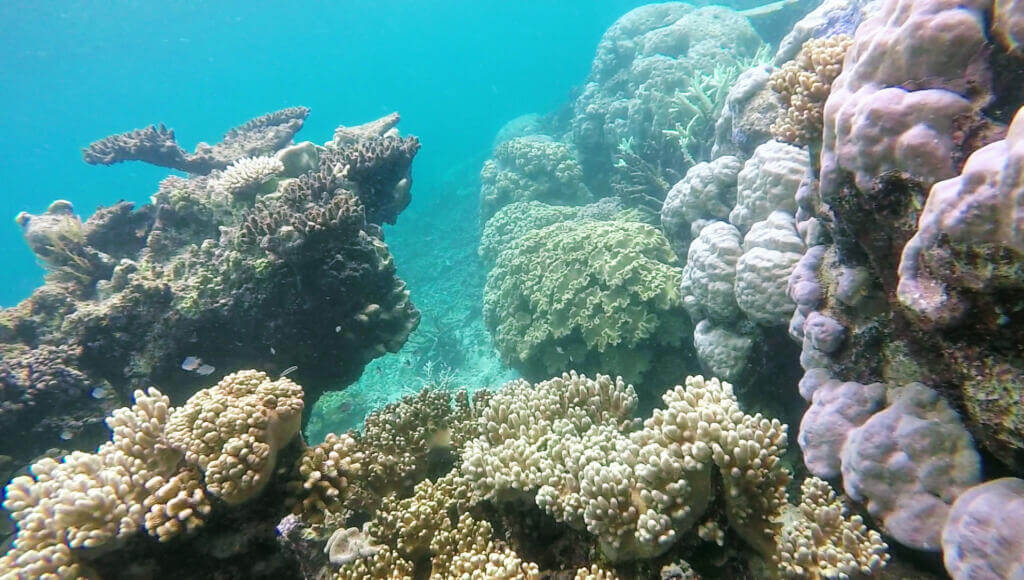
One of the most iconic and famous coral reefs is the Great Barrier Reef, the world’s most extensive coral reef system, stretching over 1,400 miles along Australia’s northeastern coast. This UNESCO World Heritage Site has unparalleled biodiversity, with over 1,500 species of fish, 400 species of coral, 4,000 species of mollusk, and 240 species of birds. A dazzling array of sponges, anemones, marine worms, crustaceans, and other marine life further enriches this underwater paradise, attracting visitors from around the globe.
Belize Barrier Reef
Location: The Belize Barrier Reef is situated along the northern coast of Belize in Central America.
Structure: The reef is characterized by shallow water areas, patch reefs, and deepwater channels.
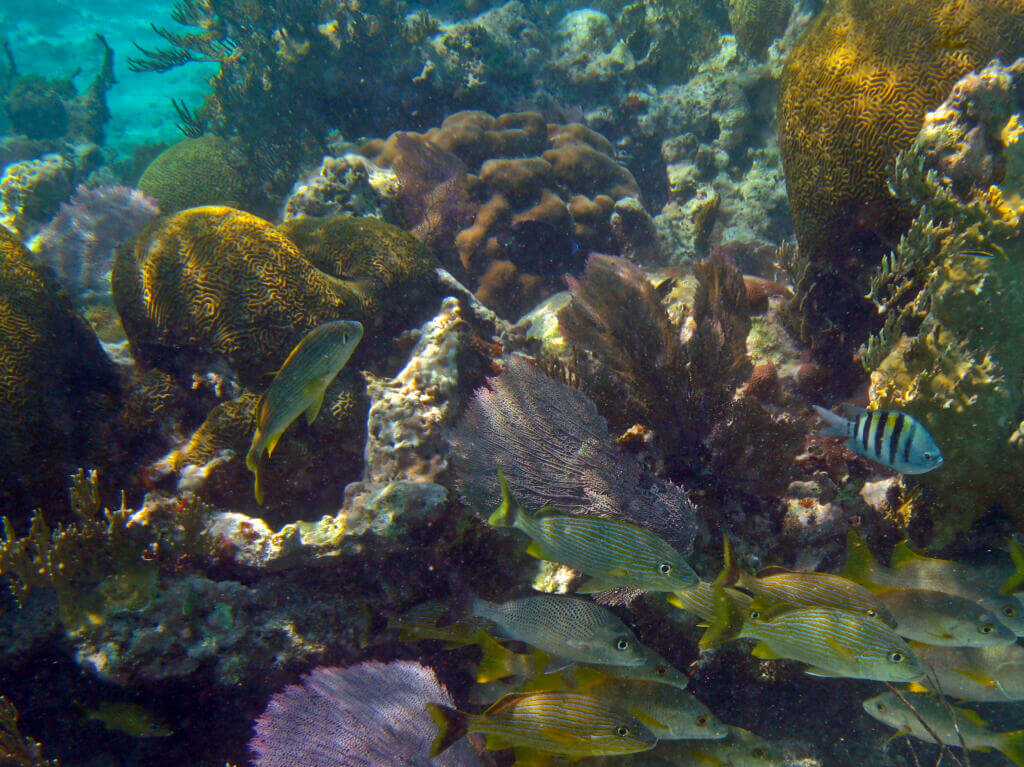
Another of the famous coral reefs is the Belize Barrier Reef, a UNESCO World Heritage Site, which is renowned as the second-largest coral reef system globally. It is the largest in the Northern Hemisphere, spanning an impressive 190 miles. This vibrant underwater wonderland offers unforgettable encounters with colorful fish, rays, nurse sharks, and a diverse array of top predators, including the great hammerhead sharks of the Great Blue Hole and the ospreys of Glovers Reef.
The reef’s rich biodiversity showcases over 500 species of fish, 65 scleractinian corals, 45 hydroids, and 350 molluscs, along with numerous endangered species like the West Indian manatee, American crocodile, and three species of sea turtles.
Raja Ampat Reef
Location: Raja Ampat is located in the western part of Papua, Indonesia.
Structure: Comprised of around 1,500 small islands and cays.
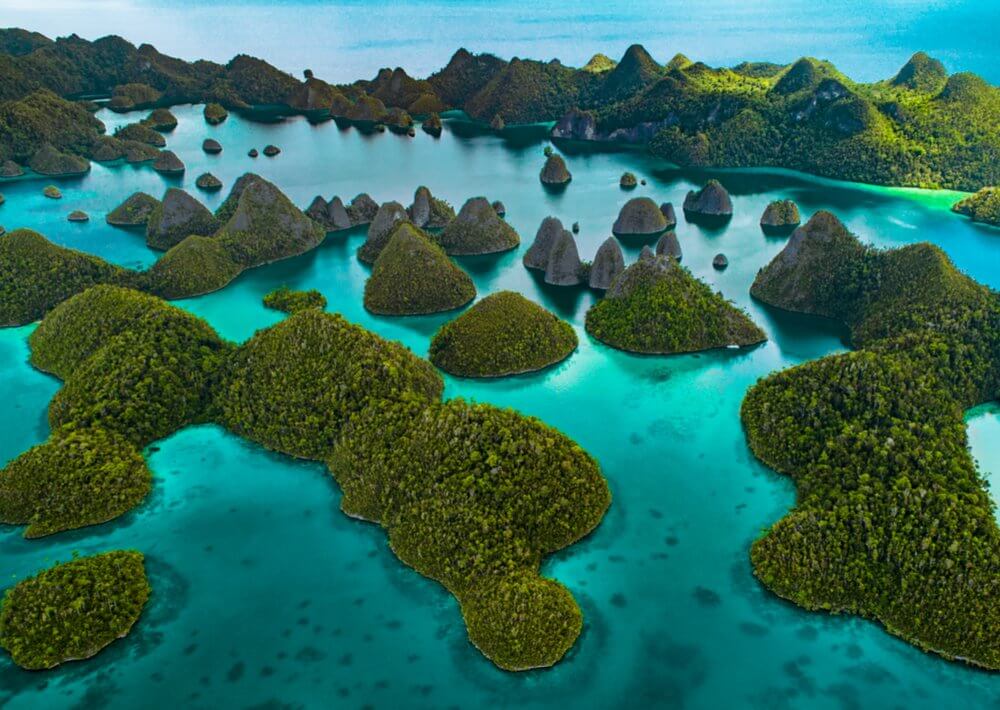
Nestled in the heart of the Coral Triangle, often referred to as the “Amazon of the Seas,” the Raja Ampat archipelago in Indonesia’s West Papua province showcases an astonishing biodiversity that surpasses all other coral reefs worldwide. With over 700 species of coral, 1,300 species of fish, and 600 species of mollusks, Raja Ampat is a haven for marine life, harboring an astounding 36% of the world’s reef fishes and 76% of the world’s known coral species.
Raja Ampat has some of the most resilient coral colonies. In spite of the threats it faces including destructive fishing practices, land-based pollution, etc., it still finds a way to maintain its health. Over the years, this area has become a magnet for divers and scientists who visit it to see the beautiful coral formations and search for other newly discovered marine creatures.
New Caledonia Barrier Reef
Location: The New Caledonia Barrier Reef is found in the South Pacific, surrounding New Caledonia.
Structure: Encompasses a vast area with extensive lagoons and fringing reefs.
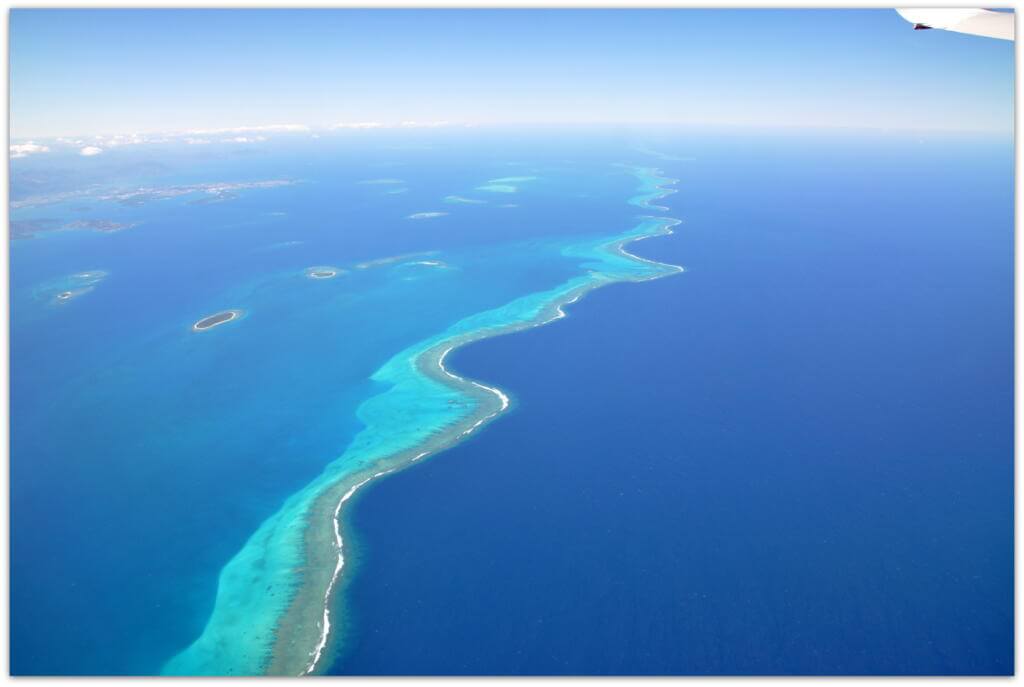
The New Caledonia Barrier Reef, a UNESCO World Heritage Site, is a vast and intricate coral reef system located in the Pacific Ocean off the coast of New Caledonia. Home to 500 coral species and 10,000 marine species, this reef system is considered one of the most beautiful and diverse in the world. Its unique double-barrier reef systems, offshore reefs, coral islands, and near-shore reticulate reef formations create a breathtaking underwater landscape.
Beyond its ecological significance, the New Caledonia Barrier Reef holds immense cultural value for the indigenous Kanak people, who are the Customary Owners of the region. The reef provides essential resources for coastal communities, including food, employment opportunities, and cultural connection. However, the reef faces significant threats from climate change, soil erosion, and overfishing, with recent monitoring indicating that 23% of the reefs are deteriorating due to heat stress and extreme weather events.
Tubbataha Reefs Natural Park
Location: Tubbataha Reefs Natural Park is located in the Sulu Sea in the Philippines.
Structure: Comprises two atolls with a high diversity of marine life.
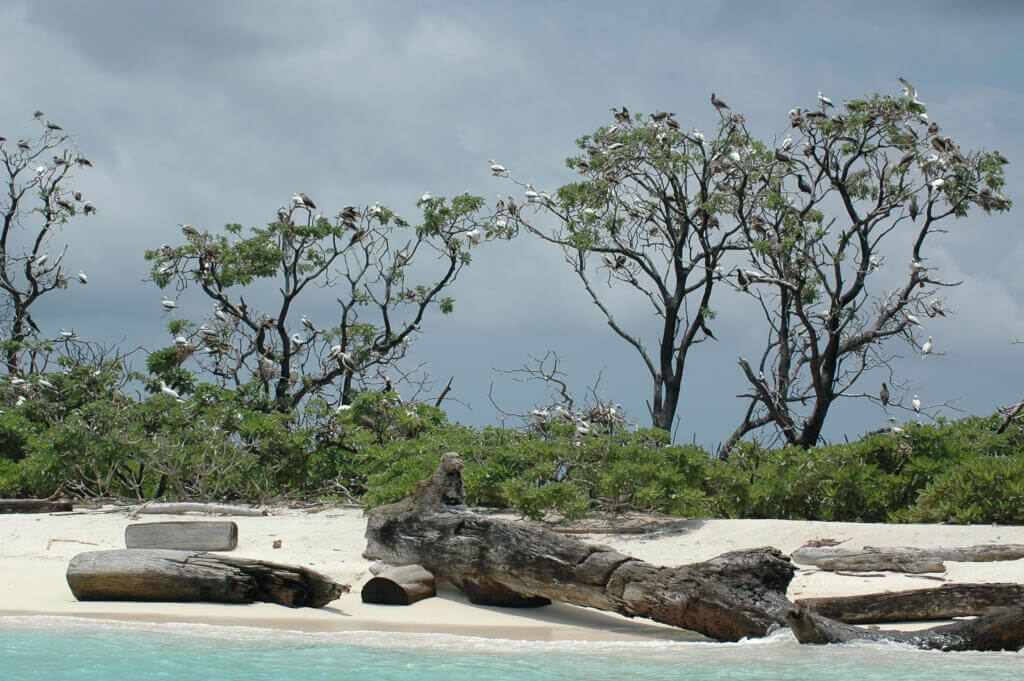
Tubbataha Reefs Natural Park, a UNESCO World Heritage Site located in the Sulu Sea of Palawan, Philippines, is a pristine coral reef ecosystem renowned for its exceptional marine biodiversity. With extensive reef flats, dramatic walls plunging over 100 meters deep, and vast areas of deep sea, this remote and undisturbed sanctuary boasts an unparalleled array of marine life.
Tubbataha’s reefs support over 360 species of coral, nearly 90% of all coral species found in the Philippines. The park is teeming with diverse marine life, including 11 species of cetaceans, 11 species of sharks, and an estimated 700 species of fish, notably the iconic and threatened Napoleon wrasse. Tubbataha also has the world’s highest population densities of white tip reef sharks, and its waters are frequented by pelagic species like jacks, tuna, barracuda, manta rays, and whale sharks.
Cozumel Reef
Location: Cozumel Reef is situated off the coast of Cozumel, an island in Mexico’s Caribbean Sea.
Structure: Characterized by a series of coral formations and underwater caves.

In the Caribbean Sea, the famous coral reefs surrounding Cozumel Island beckon divers with their vibrant colors and diverse marine life. In the Caribbean Sea, the famous coral reefs surrounding Cozumel Island beckon divers with their vibrant colors and diverse marine life. Cozumel Island is renowned for its breathtaking coral reefs, teeming with diverse and colorful marine life. Fringing the island’s eastern coast, this vibrant coral system forms part of the immense Mesoamerican Barrier Reef, the world’s second-largest after the Great Barrier Reef.
With over 1,000 marine species, Cozumel’s reefs offer an amazing underwater experience for scuba divers of all levels. The crystal-clear waters surrounding the island provide exceptional visibility, allowing divers to explore the intricate beauty of the coral formations, encounter a dazzling array of fish, and navigate swim-through caves and tunnels.
Mesoamerican Barrier Reef
Location: The Mesoamerican Barrier Reef extends through the Caribbean Sea, encompassing the coasts of several Central American countries, including Mexico, Belize, Guatemala, and Honduras.
Structure: Comprised of various reef types, including fringing reefs and atolls.
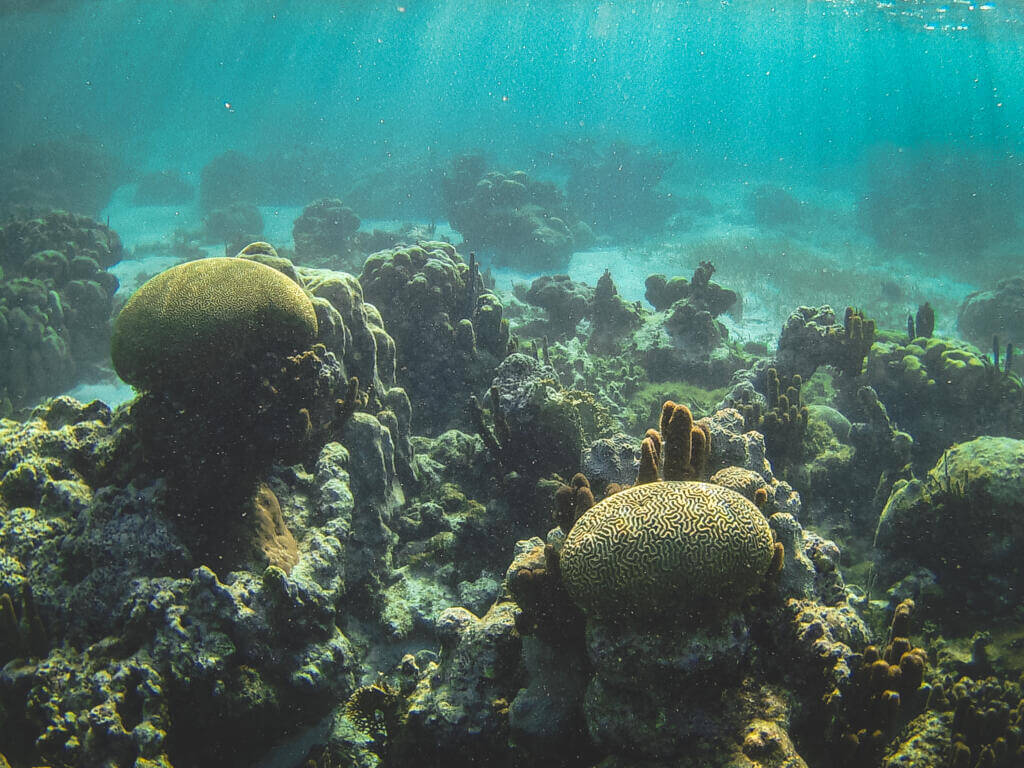
The Mesoamerican Barrier Reef system, the world’s second-longest barrier reef and largest transboundary reef system, stretches over 600 miles along the coasts of Mexico, Belize, Guatemala, and Honduras. This biodiverse hotspot is home to a dazzling array of marine life, including endangered turtle species, over 60 types of corals, and more than 500 fish species, making it a prime destination for divers and tourists seeking to experience its unique underwater beauty.
The millions of tourists who visit each year, drawn by the opportunity for scuba diving, swimming with whale sharks, and relaxing on scenic beaches, contribute to coastal development and unsustainable tourism practices that endanger this delicate ecosystem. The reef’s vital ecosystem services, including coastal protection, fisheries support, and tourism revenue, underscore the urgent need for sustainable management and conservation efforts.
Ocean Insights: Hear From Our Experts

By Dr. Rabiah Ryklief
Principal Scientist and Lecturer of Marine Science, with a PhD in Zoology
Coral reefs face a multitude of threats beyond climate change, including overfishing, destructive fishing practices, pollution from land-based sources, and unsustainable coastal development. Addressing these local pressures is essential for the health of these reefs, and it often requires collaborative efforts between scientists, policymakers, and local stakeholders. Furthermore, it's essential to recognize the interconnectedness of coral reefs and local communities. In many parts of the Global South, coastal populations rely on these reefs for sustenance, livelihoods, and cultural significance. Engaging local communities in conservation initiatives is not only a matter of social responsibility but also a practical necessity for long-term reef resilience.
FAQs
What are some other famous coral reefs?
Other renowned coral reefs include the Red Sea Coral Reef, known for its resilience to extreme conditions; Fiji’s Rainbow Reef, a vibrant diving paradise; the Maldives Coral Reefs, a vast network in the Indian Ocean; the Philippines’ Apo Reef, the world’s second-largest contiguous coral reef; and the Florida Keys Reef Tract, a major tourist attraction and vital marine habitat.
How many coral reefs are in India?
India has four famous coral reefs: the Andaman and Nicobar Islands, the Gulf of Kachchh, Lakshadweep, and the Gulf of Mannar. Of these, the Andaman and Nicobar Islands exhibit the richest coral diversity, while the Gulf of Kachchh has the lowest. Lakshadweep boasts a higher number of coral species compared to the Gulf of Mannar.
Why is the Great Barrier Reef so popular?
It’s one of the Seven Natural Wonders of the World, drawing visitors from all over to witness its immense scale and beauty. It’s not just the world’s largest living reef system, but also the largest living structure on Earth, covering an area as vast as Japan or Italy. It’s so large that it’s the only living organism visible from space, adding to its allure and awe-inspiring nature.
When did coral reefs first appear?
Coral reefs first appeared over 500 million years ago, but modern coral reefs as we know them today only started forming around 60 million years ago.
What is the coral capital of the world?
Fiji is renowned as the “Soft Coral Capital of the World,” due to its exceptional abundance and diversity of soft corals. The islands of Viti Levu and Vanua Levu, in particular, showcase the country’s vibrant underwater ecosystem. Surrounded by one of the world’s largest barrier reefs, Fiji’s waters teem with soft corals that create mesmerizing underwater landscapes, attracting divers and marine enthusiasts from across the globe.


