

Easily one of the world’s most popular SCUBA diving destinations, and one that has been named a diver’s paradise by thousands of SCUBA enthusiasts, Thailand offers an underwater experience you don’t want to miss.
Despite the sometimes way too busy popular tourist spots, Thailand offers stunning dive sites with vibrant coral reefs and marine life that will leave you talking about your adventure for years to come.
With some of the cheapest diving in the world, Thailand has so much to offer, whether you are new to the diving world, or a SCUBA specialty expert.
In this article, as a PADI advanced diver who has dived countless hours in Thailand, I’ll discuss with you some of the best diving in Thailand, some key spots you may want to visit, and what you’ll need to get yourself ready for your Thailand diving trip.
Why Thailand is a World-Class Diving Destination
Diving in Thailand is an unforgettable experience, characterized by clear blue waters, diverse marine ecosystems, and an abundance of dive sites that cater to divers of all skill levels.
Thanks to the unique setup of the country, and the seasonal monsoons on each coast, diving is possible year-round in Thailand, making it somewhat of a SCUBA diving haven.
Whether you’re exploring the Andaman Sea on the west coast or the Gulf of Thailand on the east, the country’s underwater landscapes are diverse, abundant with life, and unique enough to keep exploring time and time again.
Some of the highlights include:
- Coral Reefs: Home to some of the most vibrant and healthy coral reefs in the world.
- Wrecks: Dive into history with numerous wrecks scattered across the Thai waters.
- Marine Life: Encounter a variety of species, from tiny nudibranchs to majestic whale sharks and schooling fish.
- Underwater Caves and Rock Formations: Explore fascinating geological structures such as caves, dropoffs, and reef walls.
Best Time to Dive in Thailand
Thailand offers year-round diving opportunities thanks to its dual-coast geography and alternating monsoon seasons. With the Andaman Sea on the west and the Gulf of Thailand on the east, there’s always a prime location depending on the time of year. While both coasts provide exceptional diving, the best conditions vary seasonally.
Here’s what you need to know to plan your ideal dive trip:
Seasonal Overview
- November to April: This is the best time to dive on the Andaman Sea side (Phuket, Koh Phi Phi, Similan Islands), offering calm seas with warm weather and excellent visibility. I’ve personally completed many dives around Phi Phi during the month of March and the conditions were very favorable each time.
- May to October: The east coast of Thailand (Koh Tao, Koh Samui) is at its prime, with conditions ideal for diving despite the monsoon season affecting the Andaman Sea. That said, I’ve also done dives in the Koh Tao area in January and apart from one day where the visibility was not ideal, all in all, the conditions were still great.
Water Temperature
One of the great things about diving in Thailand is the warm, tropical water year-round, making it comfortable in any season. I’ve found that while most dives don’t require heavy gear, a short wetsuit can be handy—especially at deeper depths or in strong currents, where the water feels a bit colder.
Here’s what you can expect in terms of water temperature on each coast:
- November to April (Andaman Sea): 27-30°C (80-86°F)
- May to October (Gulf of Thailand): 27-29°C (80-84°F)
Visibility
In Thailand, visibility varies slightly depending on the season and location, but the differences are often subtle. I’ve dived both in and out of season in the Andaman Sea and Gulf of Thailand and found that, regardless of the time of year, you can still have an amazing and enjoyable dive.
Here’s a breakdown of the visibility you can generally expect in each area:
- November to April: 20-30 meters (65-100 feet) on the Andaman side.
- May to October: 10-20 meters (33-65 feet) in the Gulf of Thailand.
For example, here is what visibility was like on the Andaman side in March, both the best (left) and worst (right) days that we had:
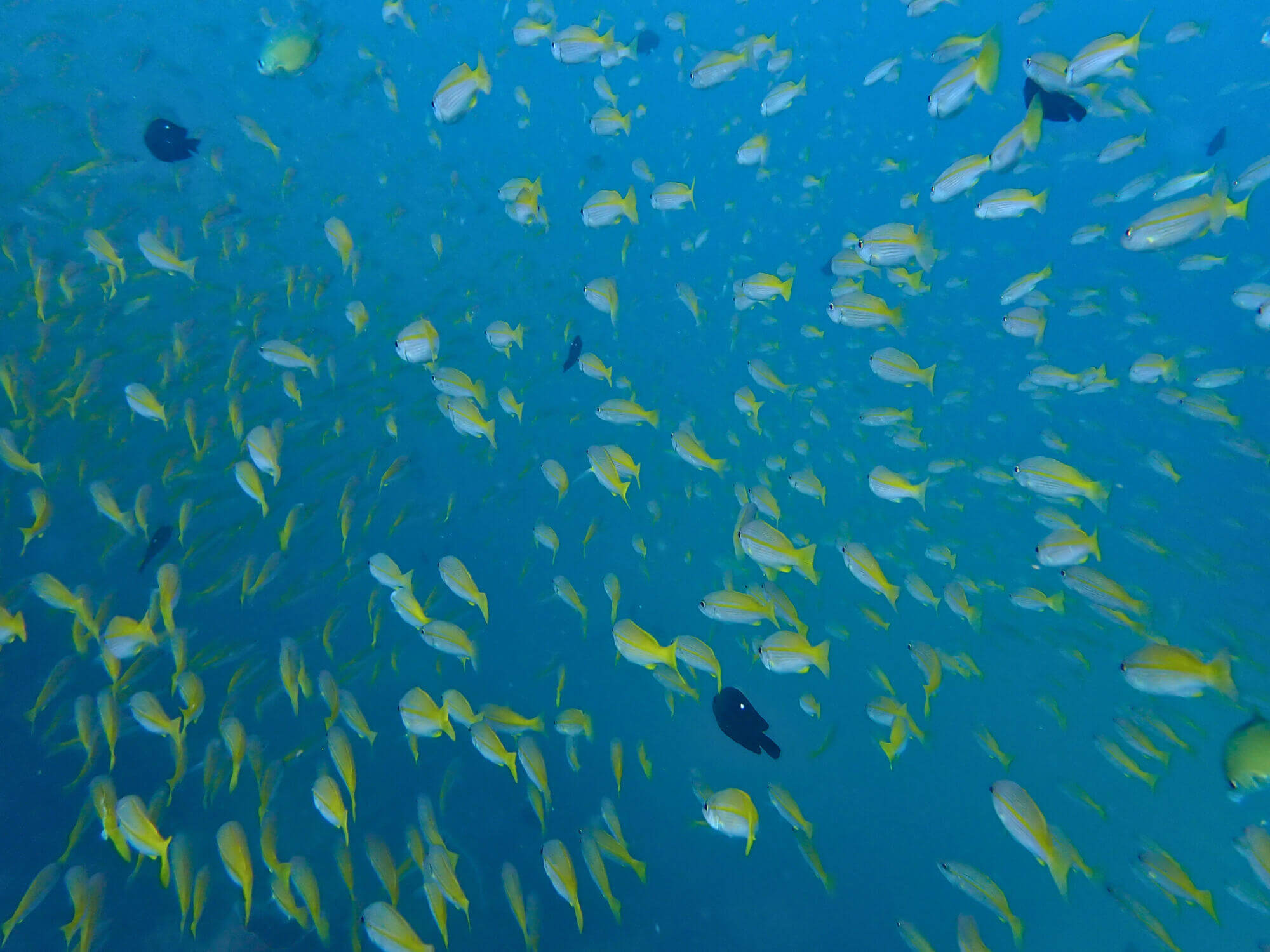
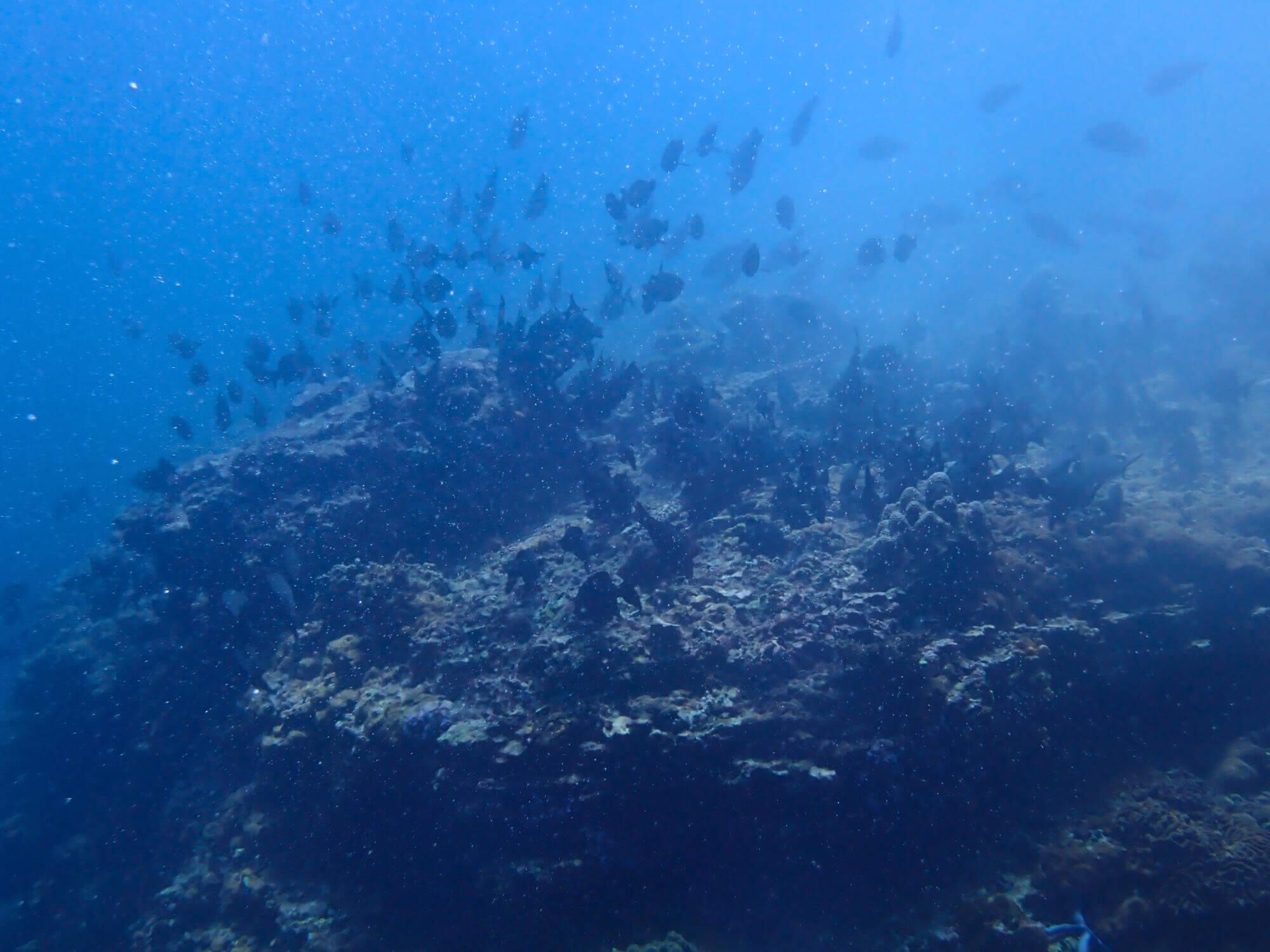
(Image credit: Ocean Info)
And here is what visibility was like in January on the Gulf of Thailand side, both the best (left) and worst (right) that we experienced.
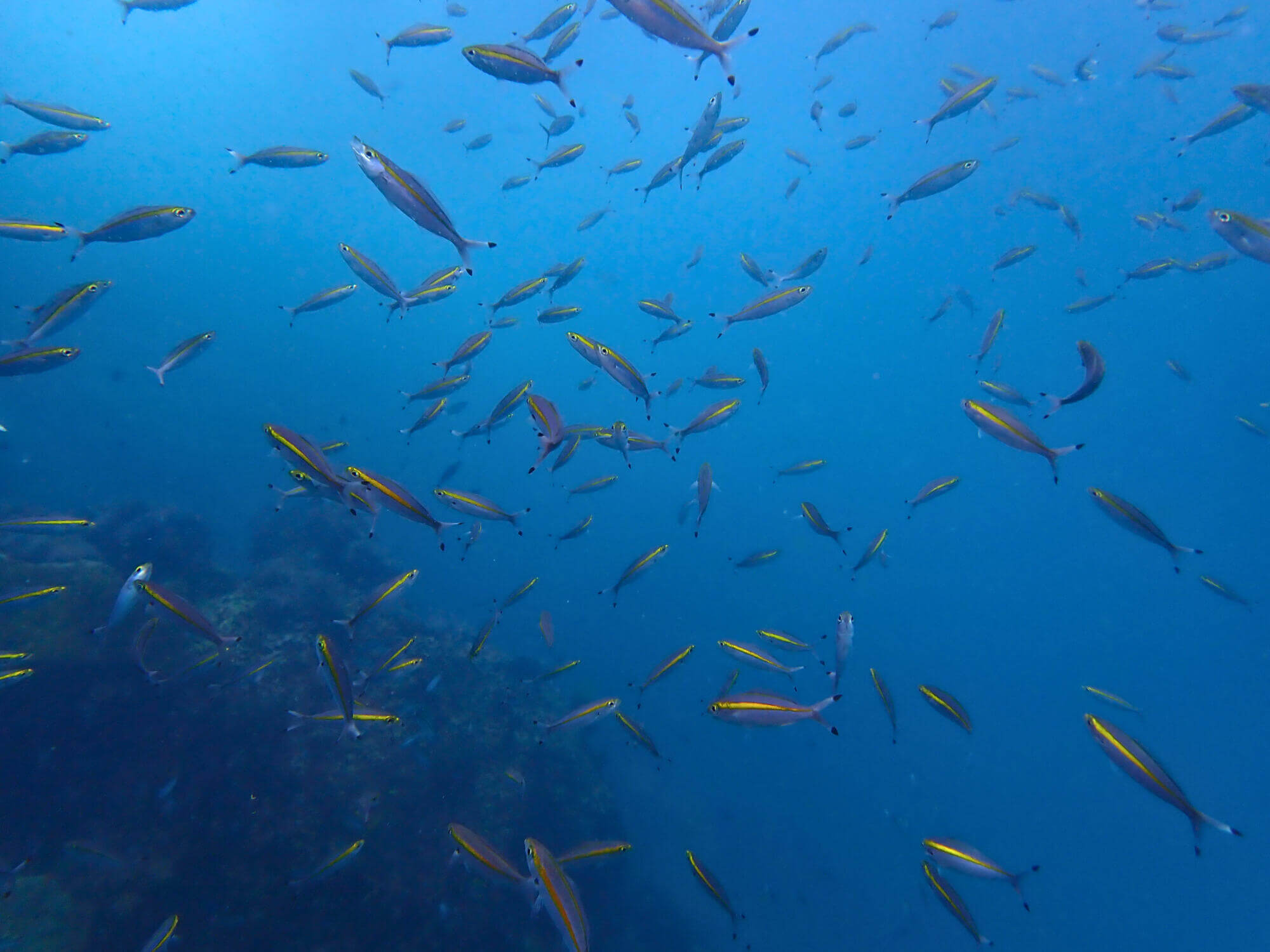
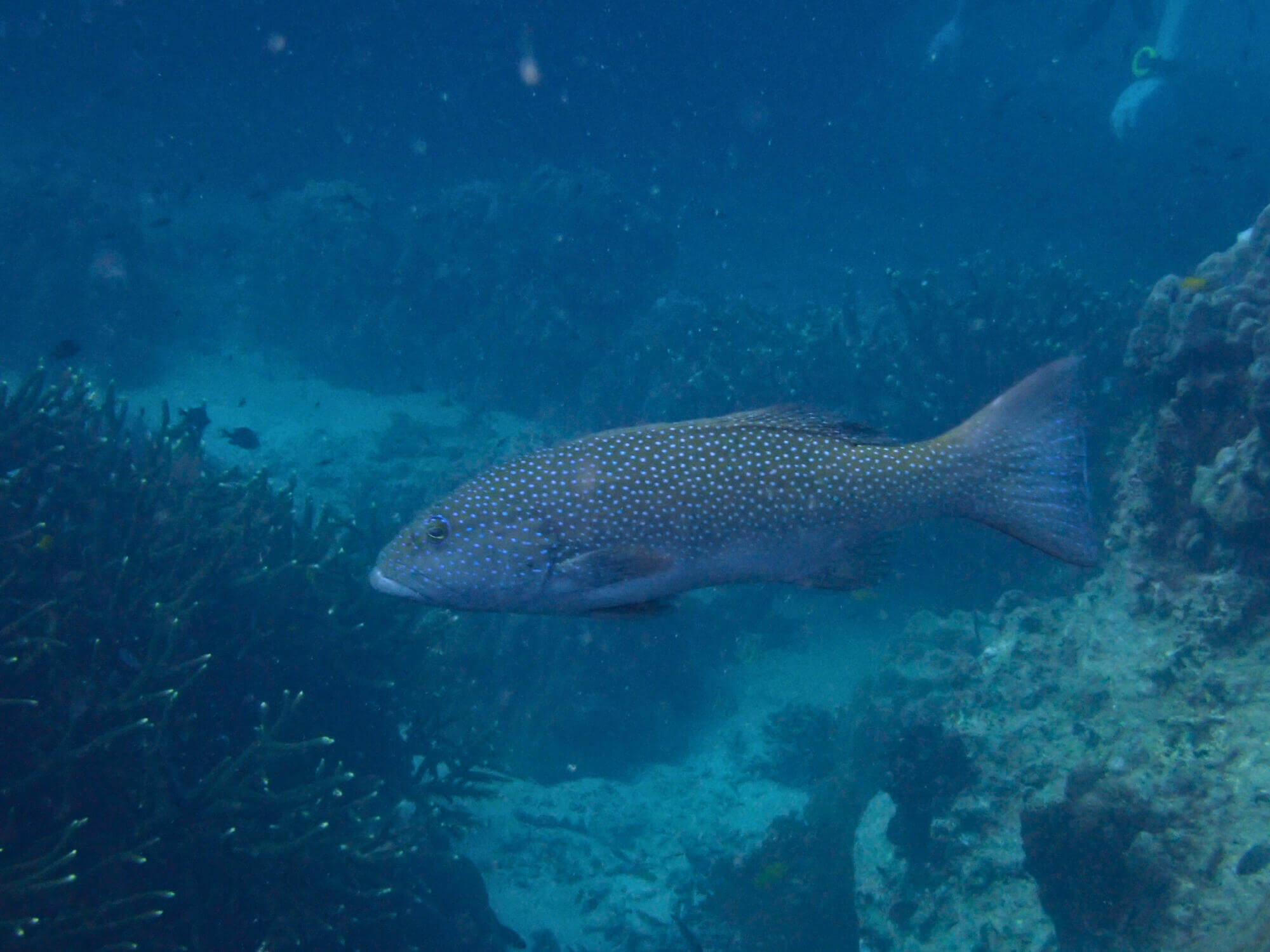
(Image credit: Ocean Info)
Best Dive Sites for Beginners
I may be biased, as I completed my very first dive in Thailand, but I do believe that, if you’re new to diving, Thailand is one of the best places to get started. With gentle currents, shallow reefs, and a host of dive centers experienced in guiding beginners, you’ll find plenty of sites where you can feel comfortable and safe.
As a favorite destination for the Ocean Info team, here are the top dive sites we think are most suitable for beginners:
Phuket
Phuket offers several beginner-friendly dive sites with gentle currents and shallow reefs. Although it is a popular island, it marks a fantastic place to set off on further diving adventures.
Not only is the island home to some of the most beautiful reefs the country has to offer, but it makes as a great port to venture further to places like Phi Phi and the Similans.
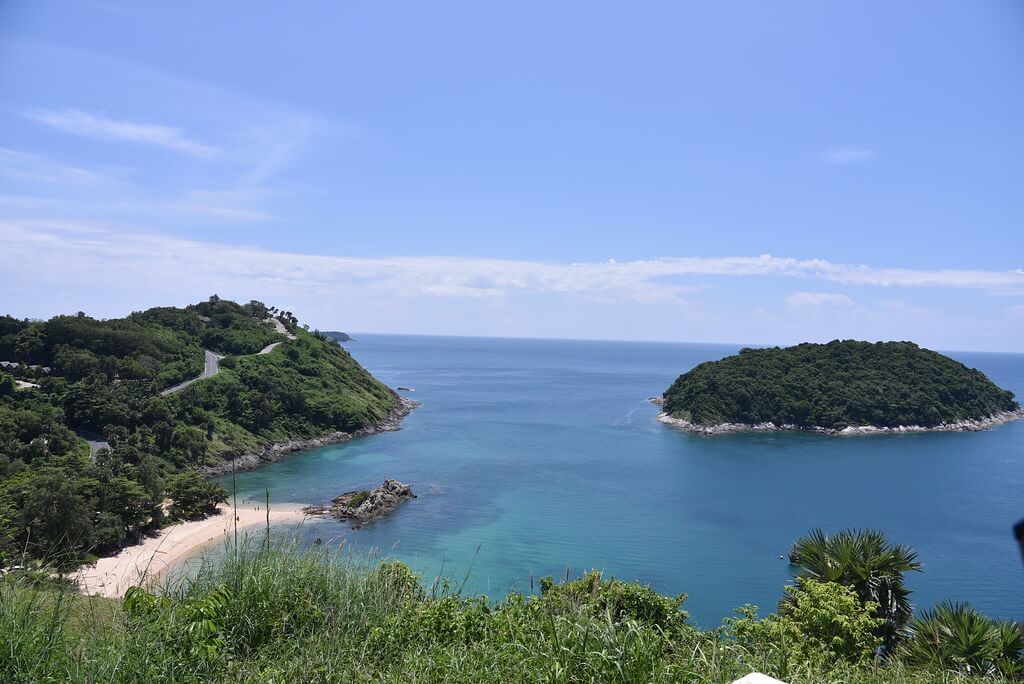
- Nui Beach: A hidden gem in Phuket, Nui Beach is perfect for novice divers due to its shallow waters and easy access. The vibrant marine life and colorful corals make it an ideal spot to gain confidence underwater. That said, even though this is a shallow dive, the coral formations are impressive, to say the least, with the site holding almost every reef-dwelling creature that Southeast Asia has to offer.
Koh Chang
Koh Chang is another great destination for beginners, with numerous easy-to-navigate dive sites nestled in a well-maintained national marine park. With various bays to explore, and fewer crowds than islands like Koh Tao and Koh Samui, Koh Chang is the perfect place to begin your underwater explorations.
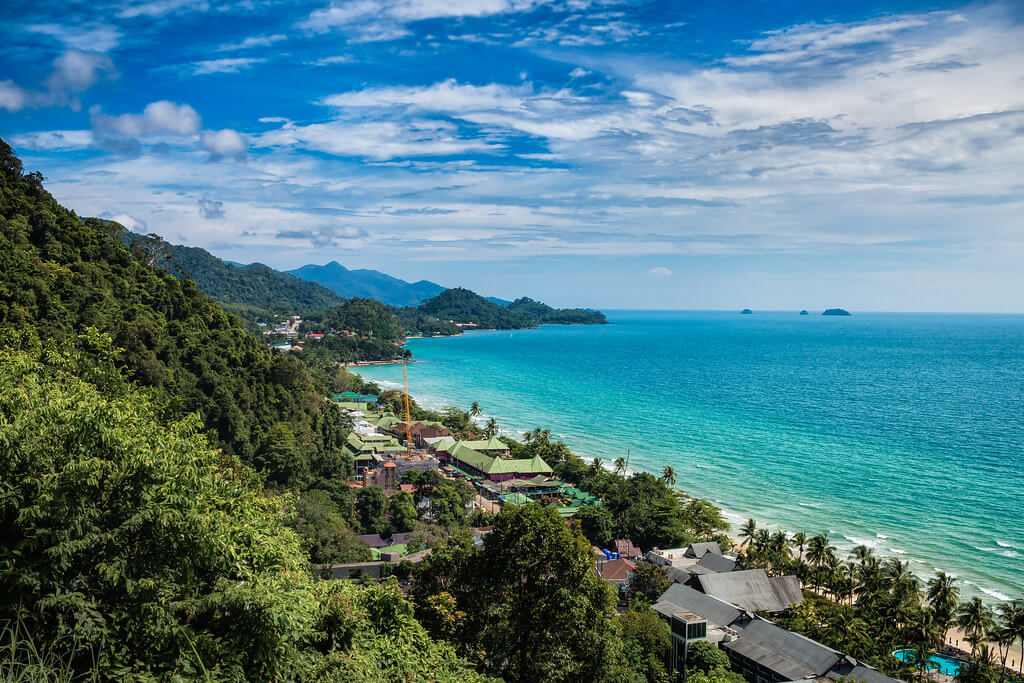
- Hin Luk Bat: This site offers clear waters and a range of depths, making it suitable for beginners. The abundance of fish and coral formations provides a fantastic introduction to diving.
- Bang Bao Bay: Known for its calm conditions and beautiful coral gardens, Bang Bao Bay is perfect for first-time divers.
Koh Tao
As one of Thailand’s most famous dive spots for beginners, Koh Tao is where I first experienced Thailand’s dive culture. The island has countless shallow sites with calm waters and incredible visibility, ideal for building confidence underwater. If you are lucky, you can also spot whale sharks and nudibranchs here, although be careful of the slightly aggressive trigger fish (they can hurt!).
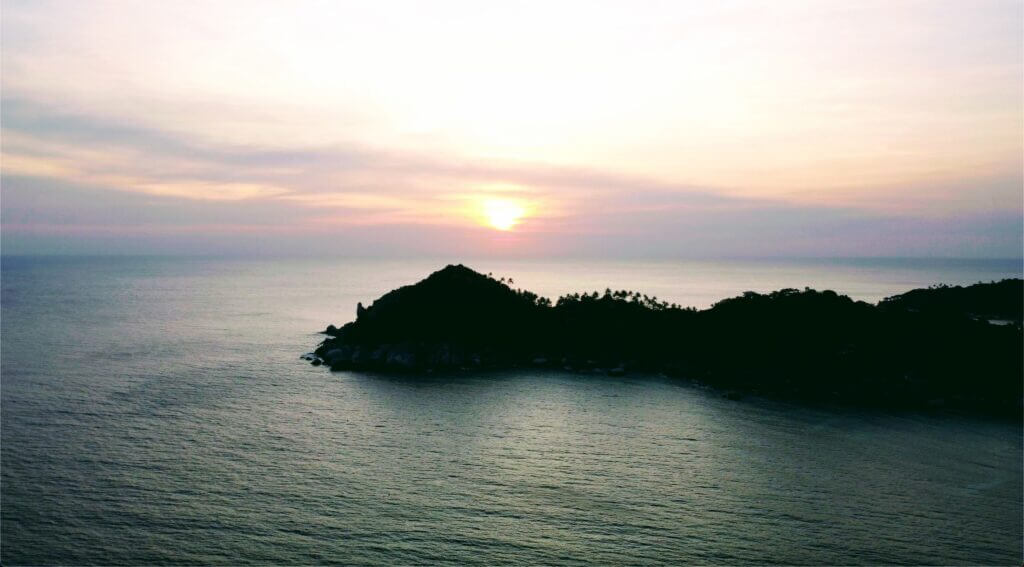
Tip: I’d recommend this spot for anyone starting out—it’s where I did my PADI Open Water course and the island itself is renowned for certifying the most novice divers in Thailand each year, so you can’t possibly go wrong with this one. Not to mention the lively nightlife if you fancy other types of entertainment too.
Worth saying too that even for non-novice divers, sites like Chumphon Pinnacle offer a chance to explore deeper waters with a variety of marine life that you might not see elsewhere around the island.
Best Sites for Advanced Divers
If diving shallow reefs is no longer doing it for you, Thailand still has a lot to offer. Whether deeper waters are what you want, or more challenging topography, you will find a thrill in this country’s waters.
Richelieu Rock
Located in the Surin Islands, this site is renowned for its strong currents and incredible biodiversity, including the occasional whale shark. The currents are strong, which keeps you on your toes, but the reward is breathtaking. Diving here will feel like swimming in an underwater metropolis, with vibrant soft corals and massive schools of fish. It’s not for the faint-hearted, but it’s worth every second of preparation and focus.
Hin Daeng and Hin Muang
Best reached from Koh Lanta, these sites offer some of the most dramatic underwater scenery you can encounter in Thailand. The sheer drop-offs are covered in vivid corals, and the visibility makes it feel like you’re diving in a vast, endless blue. It’s not uncommon to see manta rays or groups of barracudas circling above you, their silver bodies catching the light. These sites will make for dives that stay with you and make you feel like a small part of a much larger ecosystem.
Sail Rock
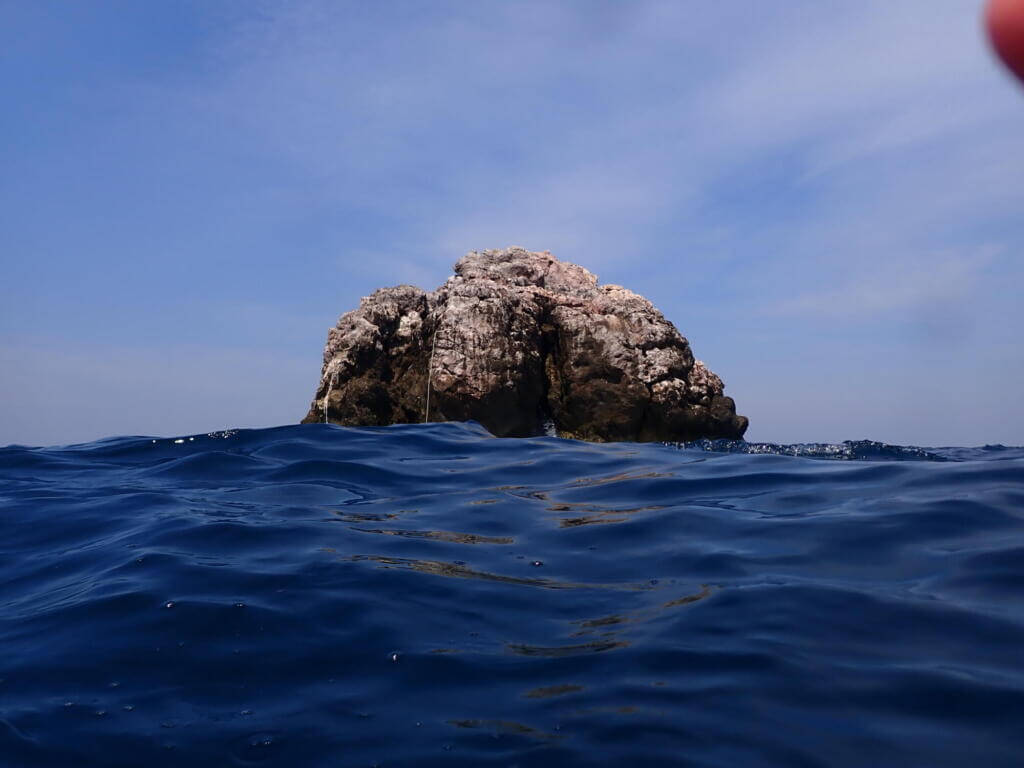
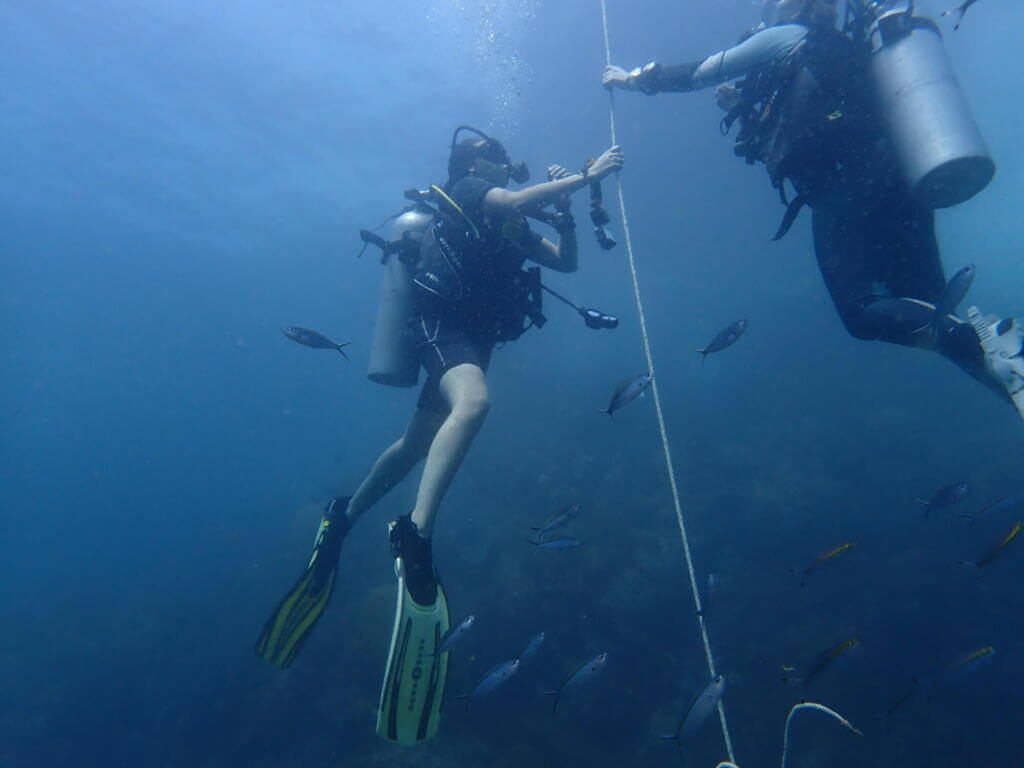
Sail Rock is one of the most stunning sites I have seen. It is primarily suited for intermediate to advanced divers due to its depth and the presence of moderate currents. Located between Koh Phangan and Koh Samui, Sail Rock reaches depths of around 40 meters (130 feet), and I can tell you for certain that the currents could be felt quite tangibly. Coupled with the deep drop-offs, I’d strongly recommend that you are comfortable managing your buoyancy before attempting this site.
Best Specialty Diving in Thailand
Thailand’s diverse underwater landscapes make it an ideal location for various types of specialty diving, each offering unique thrills and challenges. Here’s a closer look at three of the most popular specialty dives in Thailand:
King Cruiser Wreck (Phuket)
The King Cruiser Wreck is one of Thailand’s most famous wreck dives, and for a good reason. This former passenger ferry sank in 1997 and now lies at around 30 meters (98 feet), becoming an artificial reef that has developed into a thriving ecosystem. The wreck itself is around 85 meters long, with multiple decks and open areas, allowing divers to safely explore the exterior without entering confined spaces. The marine life here is astonishing—schools of snapper, lionfish, scorpionfish, and barracudas have all made this wreck their home.
The Racha Islands (Phuket)
Racha Noi is renowned for its exhilarating drift dives. Located off the coast of Phuket, Racha Noi’s dive sites feature strong currents that carry divers along coral-covered walls, offering a “flying” sensation that’s as thrilling as it is relaxing. This site is best for experienced divers due to the unpredictable currents, but for those up to the challenge, it’s a breathtaking way to cover more ground and witness vibrant coral formations and diverse marine species, including manta rays, moray eels, and large schools of tropical fish.
Koh Ha Islands
Koh Haa Yai, part of the Koh Haa group of islands in the Andaman Sea, can be reached with a day trip from the Phi Phi Islands or easily from Koh Lanta. This site if one of my personal favourites, as it offers a unique cave diving experience that combines accessible caverns with stunning underwater landscapes. The “Cathedral” cave at Koh Haa Yai is a favorite, featuring large, open spaces with shafts of sunlight filtering down, creating a mystical, almost ethereal atmosphere.
Unlike more technical cave dives, Koh Haa Yai’s caverns are spacious and have safe exit points, making them suitable for intermediate divers interested in trying cave diving without the intense challenges of confined spaces.
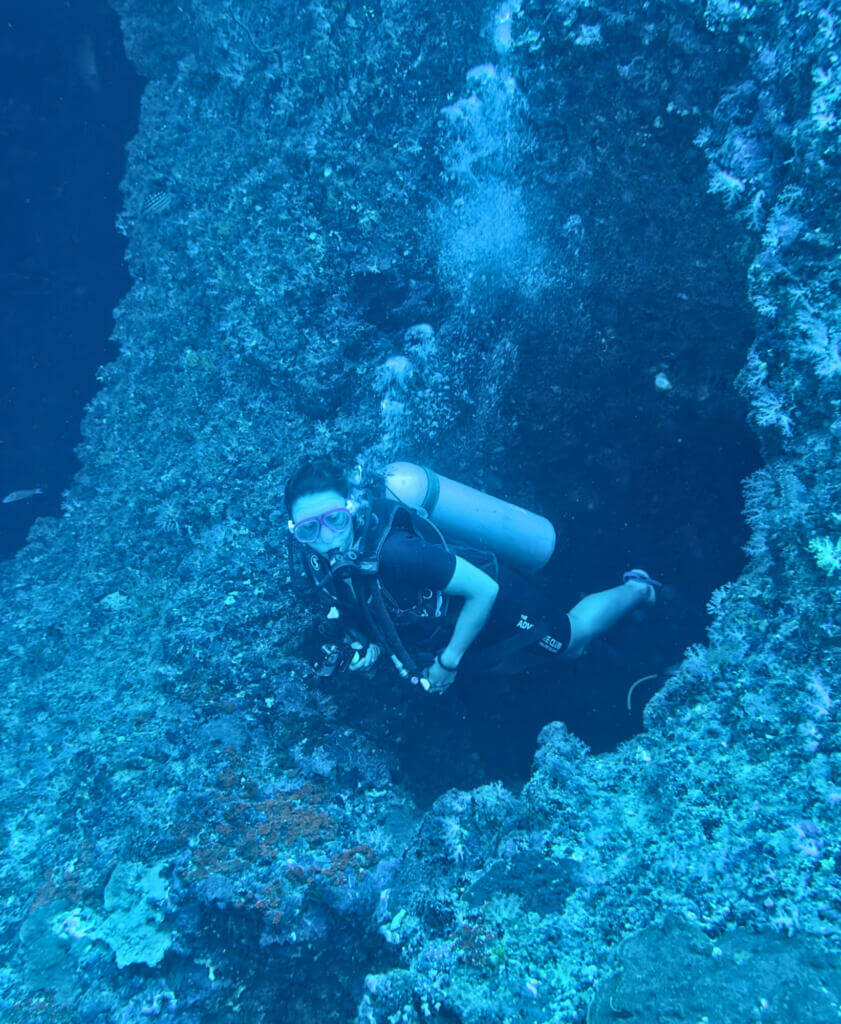
My first dive at Koh Haa Yai’s Cathedral felt like entering an underwater sanctuary. I remember pausing to take in the beams of light streaming through the cavern entrance, illuminating the surrounding corals and fish. I was also lucky to spot several leopard sharks, which can be incredibly rare to find. All in all, it’s an experience that makes you feel deeply connected to the environment.
Tip: Koh Haa Yai is also a spot where I always suggest divers bring a flashlight to fully appreciate the colors within the cave and to see the marine life that hides in the shadows.
Insider Tips for the Best Dive Experience in Thailand
Diving in Thailand is more than just exploring vibrant reefs and incredible marine life; it’s also about embracing the small comforts and tricks that make each dive day memorable. Here are some unique scuba diving tips that I’ve found make a real difference in my Thailand dive trips, including little local gems you wouldn’t know unless you’ve been there.
1. Try the Jelly Sugar Drinks for Hydration and Energy
One of my favorite pre- and post-dive rituals in Thailand is grabbing those little jelly sugar drinks from a local 7-Eleven. They come in various fruity flavors and have a jelly-like texture that’s oddly satisfying and hydrating. After a dive, they’re perfect for a quick sugar boost and a hit of hydration in the hot Thai weather. I find them especially refreshing on those longer dive days when energy dips between dives.

2. Anti-seasickness tablets from 7-Eleven
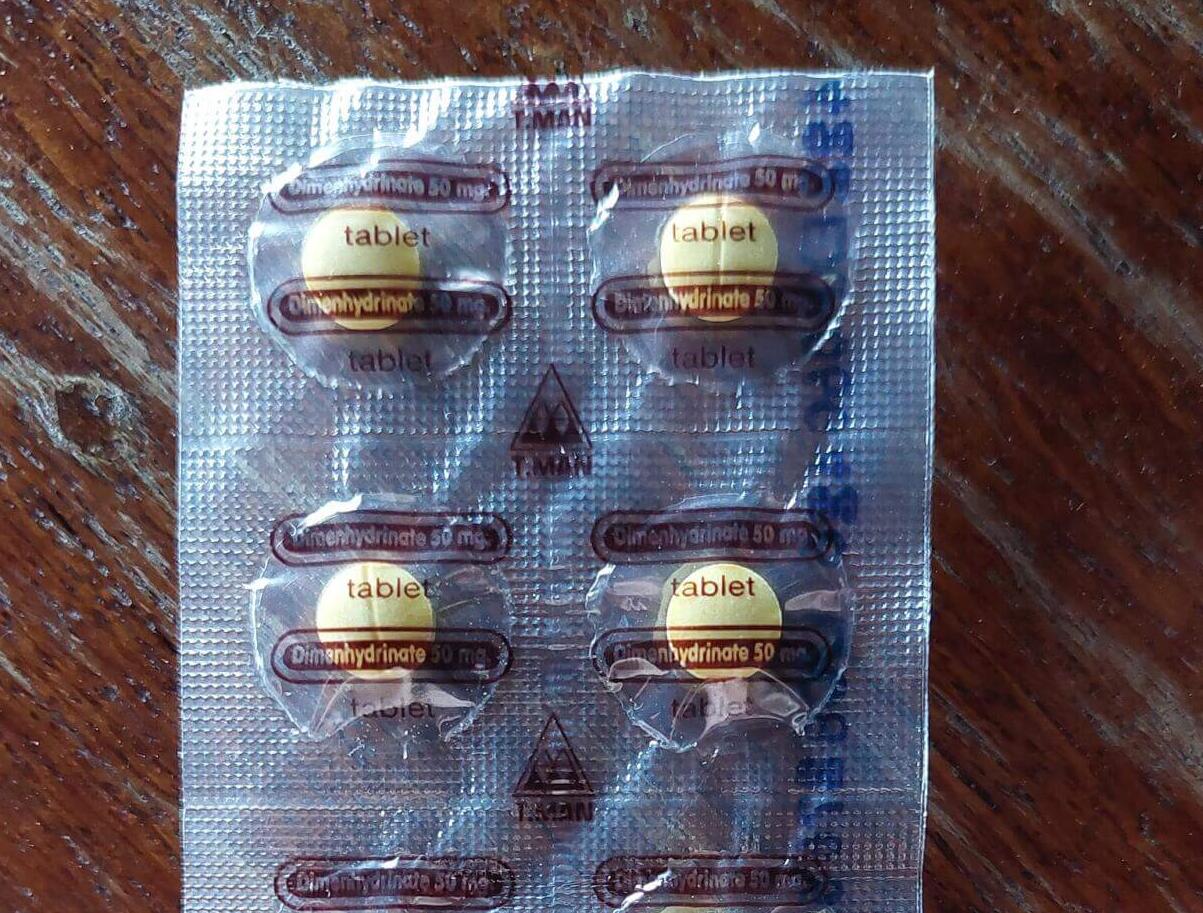
Choppy boat rides are common in some of Thailand’s best dive locations, especially as you head out to sites like the Similan Islands or Richelieu Rock. Thailand’s 7-Elevens stock anti-seasickness tablets, and they’re affordable and surprisingly effective. I’ve made it a habit to pick these up before every trip—having one of these tablets 30 minutes before the boat leaves can mean the difference between a smooth ride and feeling queasy all day. It’s a small investment that can make or break your dive experience.
3. Don’t get Caught Out By National Park Fees
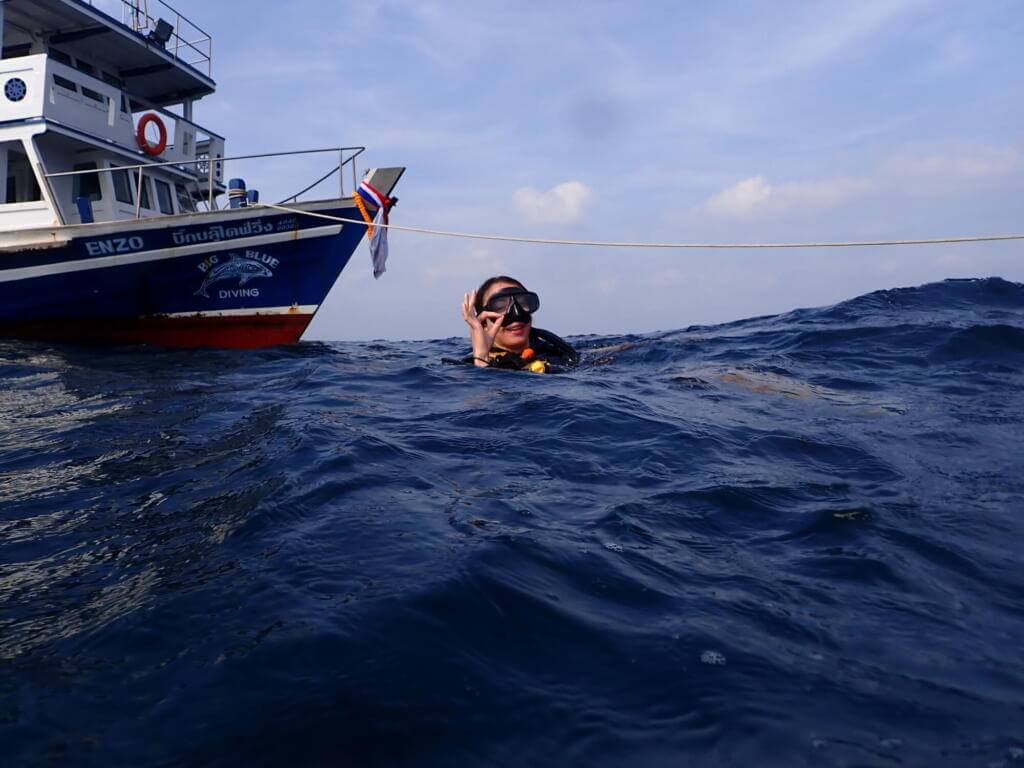
If you’re diving in Thailand’s marine parks, like the Similan Islands or Koh Phi Phi, be prepared for a national park fee. These fees go towards the conservation of Thailand’s protected areas, so while they’re essential, they’re not always included in the dive package. You’ll often need to pay this fee in cash on the day of your dive, so having some baht on hand is essential. It’s a habit of mine to carry extra cash whenever I dive—it’s also handy for tipping the crew.
4. Be Mindful of Showing the Bottom of Your Feet
Thailand is steeped in Buddhist culture, and there are certain customs that it’s respectful to observe, even when you’re out on the water. One important one is not to show the soles of your feet, as it’s considered offensive in Buddhist culture. It’s a sign of disrespect, especially in temples and even in interactions with people. So, while it’s not as strict on dive boats, it’s still good practice to keep this in mind even when you are just relaxing in between dives. Be mindful to sit with your feet down and avoid propping them up in ways that expose the soles, especially when interacting with locals.

FAQs
Do I need a diving certification to dive in Thailand?
Yes, a basic Open Water certification is required for most dives. Advanced certification may be needed for deeper or more challenging sites. That said, try dives and Discover SCUBA Dives (DSDs) are common and can be done without prior experience.
Are there any dangerous marine animals to watch out for?
Although encounters are rare, be cautious of jellyfish, sea urchins, and certain types of fish like scorpionfish and lionfish. Be especially cautious of triggerfish around Koh Tao during nesting season, as they can be territorial and aggressive, especially if you swim above their nests.
How can I ensure a safe diving experience in Thailand?
Always dive with a reputable operator, stay within your limits, check your equipment, don’t touch anything, and never dive alone or when unsure about a situation.
Where in Thailand is the best diving?
Thailand has a wealth of stunning dive sites, but if I had to choose a personal favorite, it would be Koh Haa in the Andaman Sea. This group of islands, known for its crystal-clear waters and unique underwater landscapes, offers something truly special. Koh Haa’s “Cathedral” caverns are a particular highlight—these large, open caves allow light to stream in, creating an almost ethereal underwater experience that feels like entering an underwater sanctuary. The caverns are accessible even for intermediate divers, making it a thrilling but manageable dive.
Which Thai island is famed for diving?
Koh Tao is the Thai island most famed for diving. Known as Thailand’s diving capital, Koh Tao is famous for its accessible dive sites, diverse marine life, and lively dive community. The island is particularly popular with beginner divers due to its calm, shallow reefs, affordable dive courses, and large number of dive schools. Intermediate and advanced divers can enjoy deeper sites like Chumphon Pinnacle and Sail Rock (nearby Koh Phangan), both of which offer spectacular marine life and dramatic underwater landscapes.
Is scuba diving better in Thailand or Bali?
Both Thailand and Bali offer incredible diving experiences, but they each have unique appeals. Thailand is known for its clear waters, vibrant coral reefs, and affordable dive training, especially in places like Koh Tao. Sites in the Andaman Sea, like the Similan Islands and Richelieu Rock, are famous for their visibility and rich biodiversity, making Thailand a top choice for divers seeking colorful reef and pelagic encounters. Bali, on the other hand, offers dramatic underwater landscapes, including the USAT Liberty wreck in Tulamben and stunning sites around Nusa Penida where you can see manta rays and the seasonal mola mola (ocean sunfish). Bali’s reefs are healthy and varied, and there’s a mix of muck diving and drift diving, which can be more challenging.
Where is the best snorkeling in Thailand?
Thailand has excellent snorkeling spots, with some of the best found around Koh Phi Phi, Similan Islands, and Koh Lipe. The Similan Islands offer crystal-clear water with shallow coral gardens ideal for snorkeling, as does Koh Phi Phi, where you can snorkel right off the beach or take boat trips to vibrant reefs nearby. Koh Lipe in the far south has some of Thailand’s most pristine coral reefs and calm, shallow waters that make it perfect for snorkeling. Many of these spots offer incredible marine life, from colorful reef fish to sea turtles, making Thailand a prime destination for snorkelers of all skill levels.


