

Koh Samui is best known for its luxury resorts and beautiful beaches, but it also has some worthwhile scuba diving opportunities. While it doesn’t quite match the underwater appeal of Koh Tao, we still really enjoyed our time diving here. The conditions were generally great—warm water, good visibility, and access to several well-regarded dive sites nearby.
This guide is entirely based on our personal experience diving in Koh Samui—no generic recommendations, just real insights from what we saw, what we loved, and what we think you should know before diving here.
Key Highlights of Diving in Koh Samui
Koh Samui’s diving scene might not top the charts like some of Thailand’s other top dive sites, but it still holds its own with access to some excellent sites and unique perks. Here’s what makes diving around Koh Samui worth considering:
- Gateway to World-Class Dive Sites: While Koh Samui itself doesn’t have as many dive sites, it’s a launching point for top spots like Sail Rock, Chumphon Pinnacle, and Southwest Pinnacle.
- Larger Marine Life Encounters: Whale sharks, barracudas, and giant groupers can be spotted around the pinnacles and deeper sites.
- Great for All Levels: While beginners can enjoy shallow coral gardens near Samui, more advanced divers will love the deeper sites and stronger currents at Sail Rock.
- Luxurious Post-Dive Experience: Unlike Koh Tao’s backpacker vibe, Koh Samui offers high-end resorts, making it a great place to relax after a dive, if that’s your vibe. But if not, there are still plenty of affordable and still lovely accommodation to choose from.
Diving Conditions
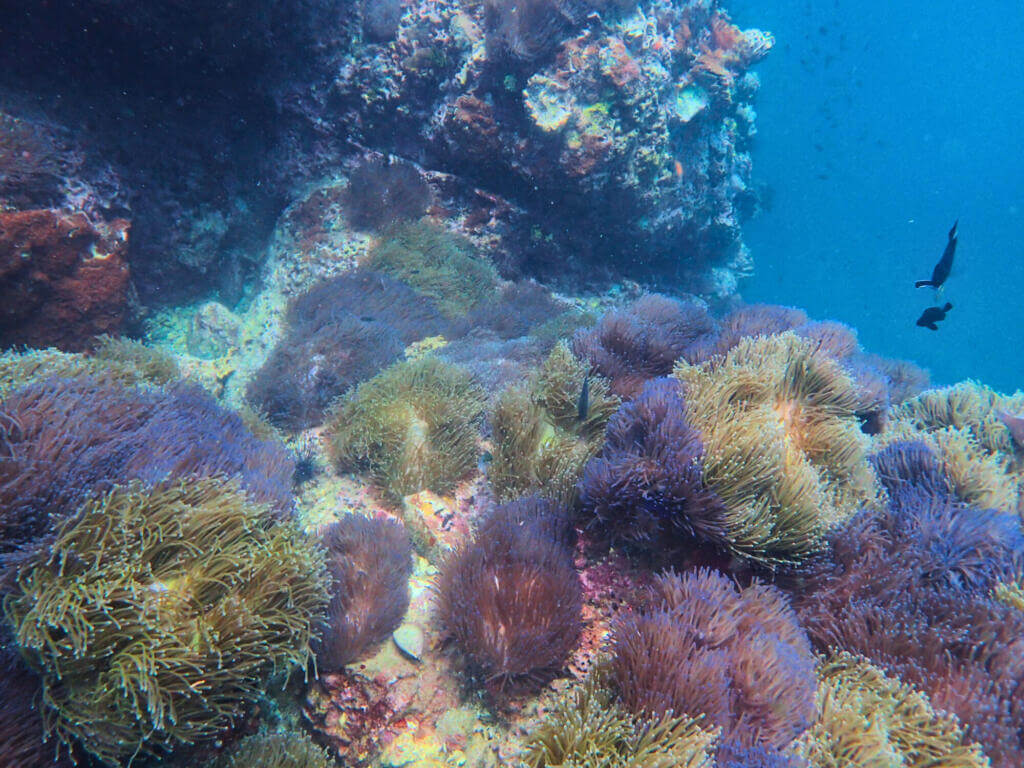
When we dived in Koh Samui at the end of January and early February, the conditions were near perfect. Even though this wasn’t technically peak diving season, we had great visibility, warm water, and fantastic marine life encounters—so if you’re worried about timing your trip, don’t stress too much.
- Best Time to Dive: Although March to September is considered peak season, our late January trip still delivered excellent conditions.
- Water Temperature: During our dives, the water was around 28–29°C (82–84°F). I usually get cold easily, but I was perfectly comfortable in a shorty wetsuit—so if you’re sensitive to the cold, a 3mm suit will more than do the job.
- Visibility: We consistently had 15+ meters of visibility on every dive, even out of peak season. The water was clear, calm, and made spotting marine life easy and enjoyable.
- Currents: Most sites are gentle, but Sail Rock had strong currents that required some focus. It was manageable but definitely more challenging than the usual reef dive.

Dive Sites
While Koh Samui itself has only a handful of nearby dive sites, it serves as a convenient gateway to the 26 dive sites in the Gulf of Thailand—including both Samui’s local reefs and the more famous sites closer to Koh Tao.
Most of the top-rated dives are technically closer to Koh Tao, but they’re still accessible as day trips from Samui.
If you’re planning to dive from Koh Samui, it’s worth knowing which sites are worth the travel time, and which are better suited to your skill level and preferences.

Sail Rock
- Max Depth: ~40 meters
- Best For: Intermediate to Advanced divers
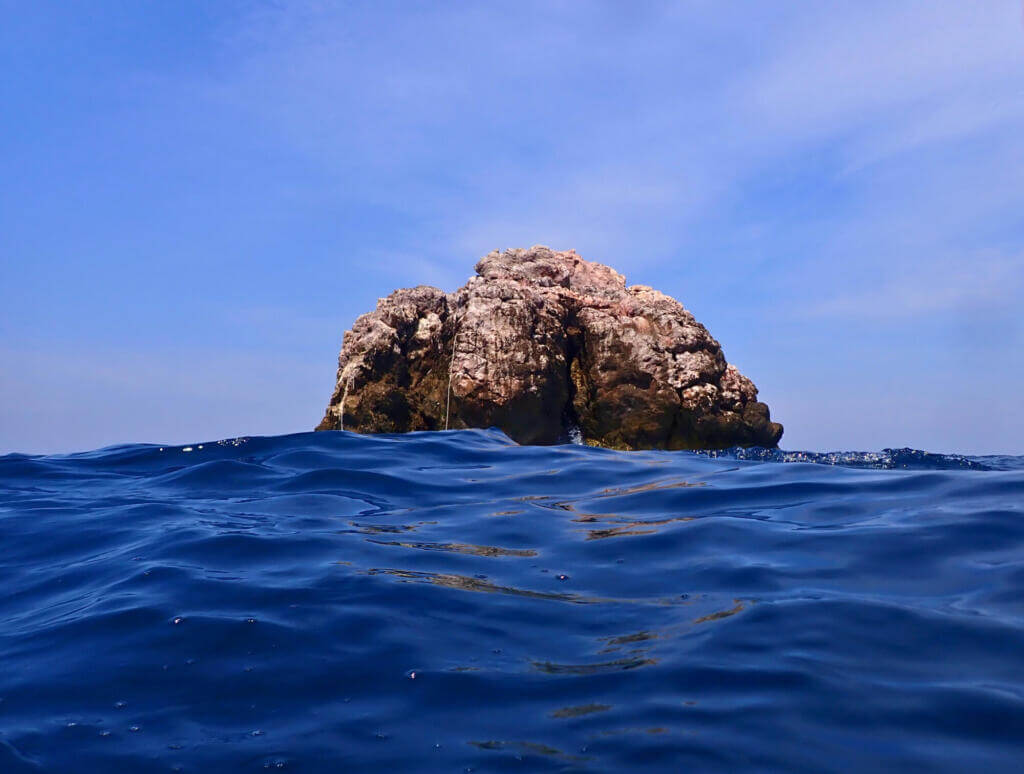
Sail Rock is one of Thailand’s most famous dive sites, and for good reason. Above the surface, it’s just a lonely rock sticking out of the sea—but below, it transforms into a towering pinnacle teeming with life. Massive schools of trevallies, groupers, and barracuda can be seen swirling around in every direction. The rock is also covered with colorful coral and anemonies, making for some breath-taking views.
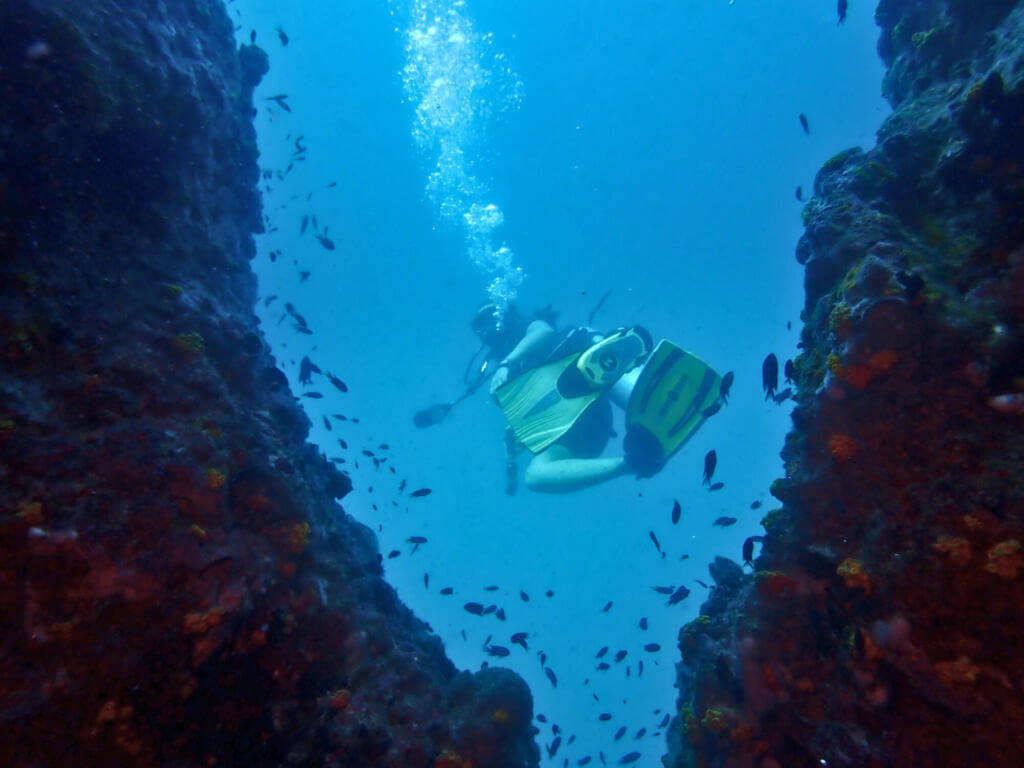
Its most famous feature is the “Chimney”, a vertical swim-through that leads from around 18 meters up to 6 meters—perfect for a dramatic photo-op. We dove here as Open Water divers and found the currents surprisingly strong, which made positioning tricky at times. That said, it was an exciting challenge and a phenomenal experience.
While we didn’t see a whale shark on our dive, this site is known as one of the best places in the region to spot one, especially during the right season. If you’re hoping to spot a whale shark, this is one of the best chances in the region. Seasonal sightings peak between March and May, when these gentle giants are drawn to the area by plankton blooms and upwelling nutrients around the pinnacle.
Chumphon Pinnacle
- Max Depth: ~36 meters
- Best For: Advanced divers

Chumphon Pinnacle is actually closer to Koh Tao than Koh Samui, but is frequently included in dive trips from Samui. It’s made up of massive granite pinnacles covered in pink anemones, giving it an otherworldly feel. It’s also one of the best places to see big fish, with frequent sightings of whale sharks, barracudas, and giant groupers.
Unlike Sail Rock, which has one towering pinnacle, Chumphon features a series of rock formations spread across the seabed, creating lots of space for exploration. However, the depth and potentially strong currents mean it’s more suited for advanced divers.
Southwest Pinnacle
- Max Depth: ~30 meters
- Best For: Intermediate to Advanced divers, macro lovers

Southwest Pinnacle is often described as one of the most colorful dive sites near Koh Samui (although again, it is technically easily accessible from Koh Tao also), thanks to its stunning soft coral formations covering the rocky terrain. It’s a great all-around dive site, offering both macro life like nudibranchs, shrimp, and pipefish, as well as larger schools of fish hunting in the currents.
The structure of the pinnacles creates interesting swim-throughs and ledges, making it a fun and dynamic site to explore. However, the currents can be strong, so it’s better suited for divers who are comfortable maintaining buoyancy in moving water.
Koh Yippon & Koh Wao
- Max Depth: ~18 meters
- Best For: Beginners, calm reef dives

If you’re just getting started or want a more relaxed dive, these sites offer shallow coral gardens and calm waters ideal for newer divers. You’ll see a variety of reef fish, some healthy coral, and the occasional stingray or moray eel.
They’re not the most visually dramatic compared to the pinnacles, but they’re great for building skills or enjoying a mellow morning underwater.
Other Notable Sites
(Most of these sites are closer to Koh Tao)
- Japanese Gardens – A sheltered, shallow site near Koh Nang Yuan, ideal for beginners with its calm conditions and coral-covered sand patches.
- The Twins – Great for Open Water divers, featuring twin coral mounds and resident clownfish—very popular for training dives.
- White Rock – A spacious site near Koh Tao with varied depth, known for turtle sightings and relaxed reef exploration.
- Green Rock – Offers swim-throughs and cave-like formations; a more dynamic dive, often with strong currents and triggerfish encounters.
- Hin Wong Pinnacle – Less crowded than other sites, this deeper pinnacle features schools of fusiliers and macro life tucked into crevices.
Marine Life You Can Spot
- Reef Fish: Expect to see a lively mix of parrotfish, butterflyfish, angelfish, pipefish, bannerfish, and the occasional clownfish tucked into anemones.
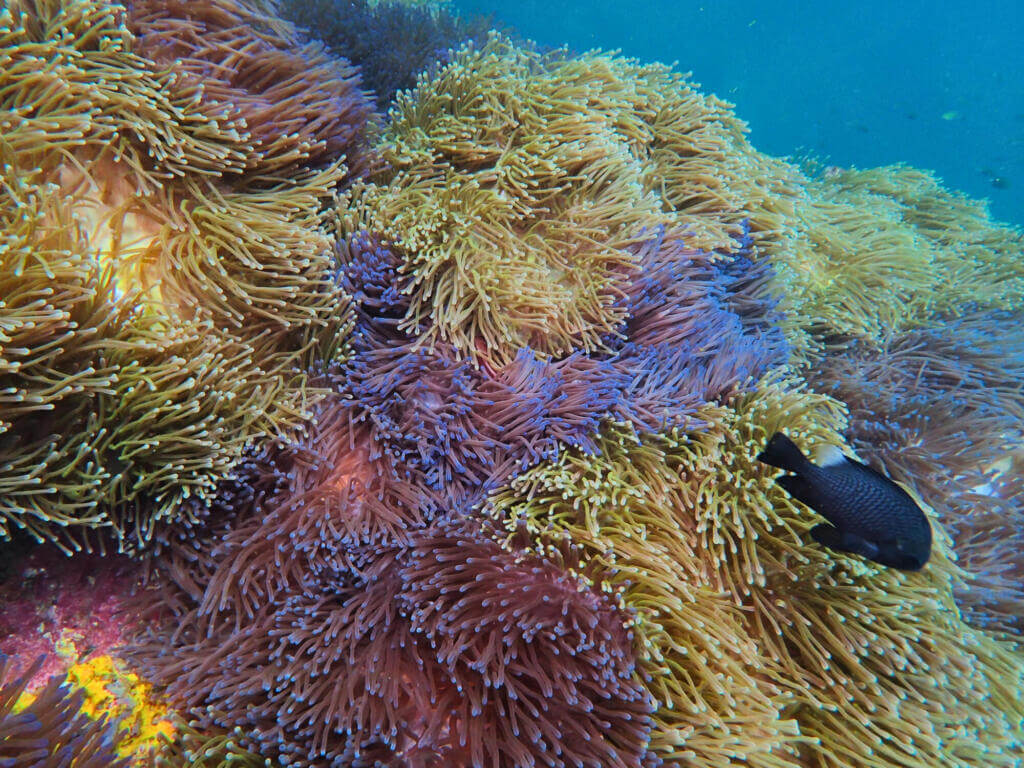
- Anemones and Coral: While Koh Samui’s coral isn’t as dense or pristine, you’ll still find vibrant anemones swaying with the currents—often hosting shrimp or clownfish—and coral outcrops providing shelter for smaller reef life.
- Schooling Fish: Dive sites like Sail Rock and Chumphon Pinnacle are known for dramatic pelagic action. You’ll often be surrounded by huge schools of trevallies, batfish, and barracuda, which sweep in and out of the blue.
- Groupers: Large groupers, including the impressive peacock grouper, can be seen resting near crevices and along rocky ledges—especially at pinnacle sites.
- Macro Life: Sites like Southwest Pinnacle are home to hidden gems like nudibranchs, pipefish, and cleaner shrimp—perfect for divers who love the small stuff.
- Occasional Whale Sharks: While rare, whale shark sightings can happen between March and May, especially around Sail Rock, where deep water currents bring in plankton-rich conditions that attract these gentle giants.

Practical Tips for Diving in Koh Samui
Diving in Koh Samui requires some preparation to ensure you have a smooth and enjoyable trip. Based on our own experience, here are some essential tips to keep in mind before you dive.
1. Choose Your Accommodation Wisely
Most dive boats leave from Bophut, Bangrak (Big Buddha Pier), or Mae Nam, depending on the dive shop. If you’re staying on the opposite side of the island (like Lamai or Chaweng Beach), it can take up to 45 minutes to cross the island in the morning. Since we weren’t keen on early wake-ups, we made sure to stay close to the dive departure points. If you’re happy to start your day early, you’ll have more flexibility with accommodation, but if not, picking the right location will save you a groggy commute.
2. Be Prepared for Marine Park Fees
Many of Koh Samui’s dive sites, especially those in Ang Thong National Marine Park, require a marine park fee (around 200 THB or $5.90 USD). These fees typically aren’t included in your dive package, so check with your dive shop beforehand to avoid surprises. They’re typically used for conservation efforts, so while it’s an extra cost, it’s going toward protecting the reefs. You will need to pay those in cash on the boat.

3. Speedboats Can Be Bumpy – Bring Motion Sickness Tablets
Unlike the bigger dive boats used in places like Koh Tao, most dive trips from Koh Samui use speedboats to reach the sites faster. While this is great for maximizing dive time, the ride can get choppy, especially on windy days. If you’re prone to seasickness (or just don’t want to risk it), take motion sickness tablets before departure. We made the mistake of skipping them once, and let’s just say, it wasn’t the most pleasant start to the day.
4. Wear Reef-Safe Sunscreen
Since you’ll be on a boat under the sun for hours, sunscreen is a must—but make sure it’s coral-safe. Regular sunscreens contain chemicals that can harm marine life, so opt for a reef-friendly option to protect both your skin and the environment.
5. Pack a Dry Bag for Boat Trips
Speedboats mean spray, splashes, and occasional soaking. Bringing a dry bag to protect your phone, towel, and other essentials is a lifesaver.
For even more tips, make sure to also check our in-depth guide to diving in Thailand.
Gallery: Koh Tao Through Our Eyes
Take a look at our gallery to see what scuba diving in Koh Samui is like —these are images from our dives, giving you a real glimpse of what to expect.

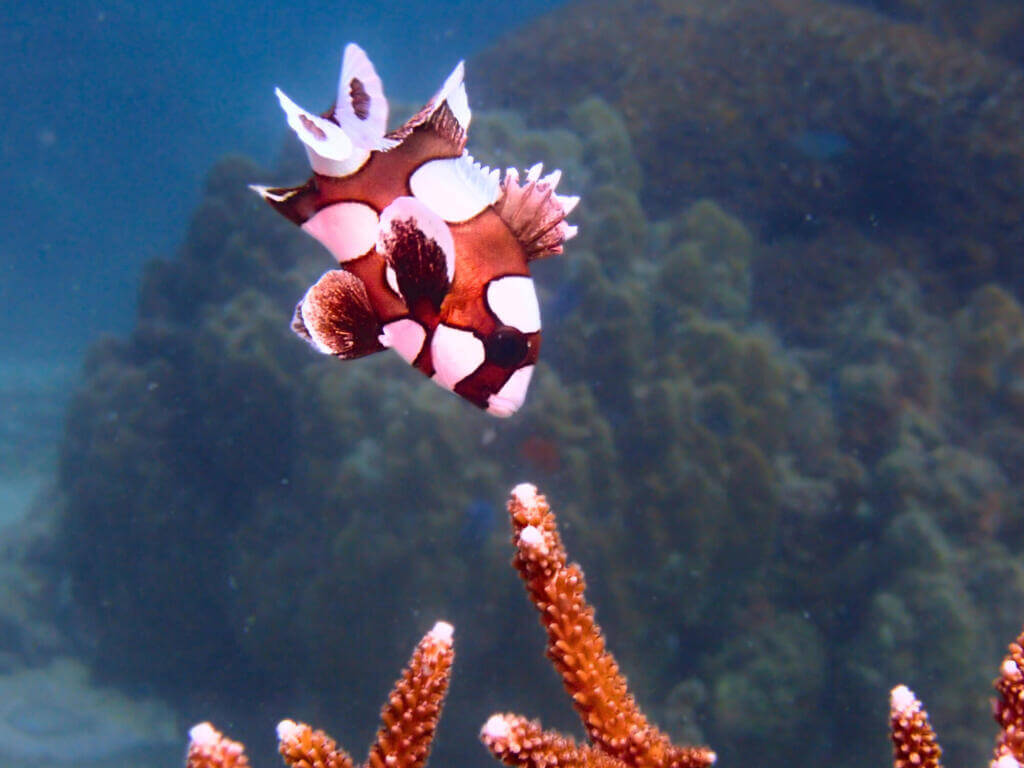
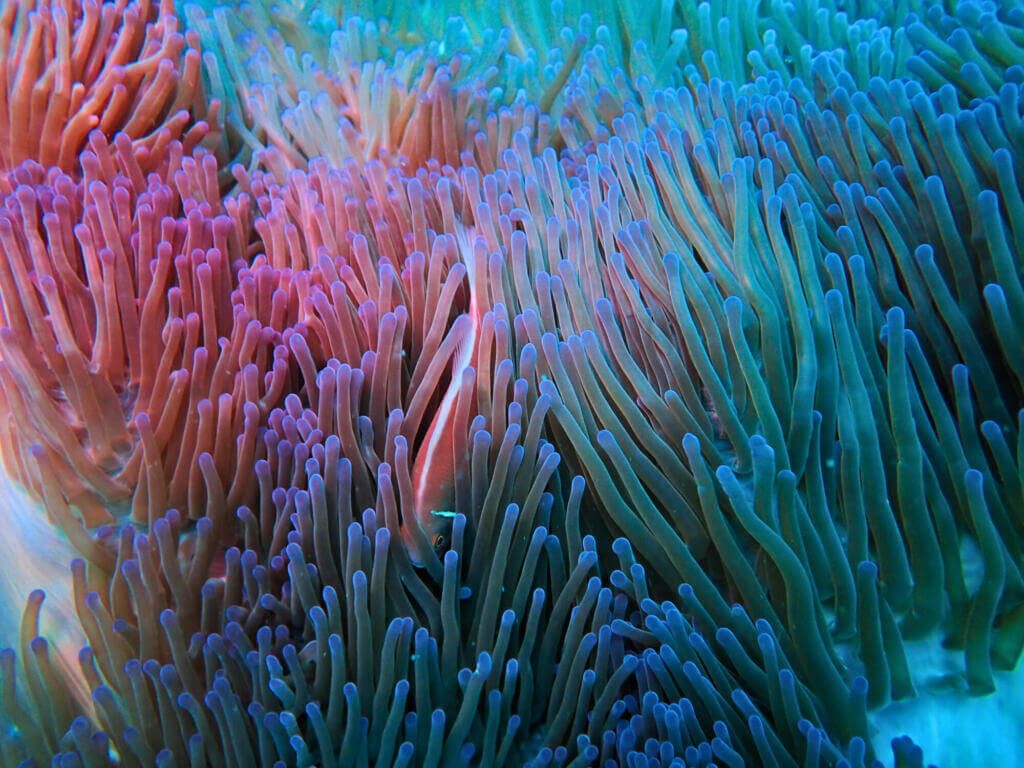
A Peacock Grouper lurking near the rocky crevices, waiting for the perfect moment to strike A beautifully patterned Giant Clam nestled among the reef. These fascinating bivalves can live for over 100 years This colony of brain coral provides a perfect home for Christmas Tree Worms, which retract instantly when sensing movement nearby This striking red Fungia coral stands out against the reef. Unlike most corals, these are solitary and can even move slightly along the seabed Juvenile Harlequin Sweetlips sway in the current, mimicking the motion of toxic flatworms to avoid predators While Koh Samui’s sites are known for deeper pinnacles, moments like this showcase the rich marine life found there Pink Anemonefish form lifelong bonds with their anemone homes, gaining protection from predators in return A Peacock Grouper lurking near the rocky crevices, waiting for the perfect moment to strike 
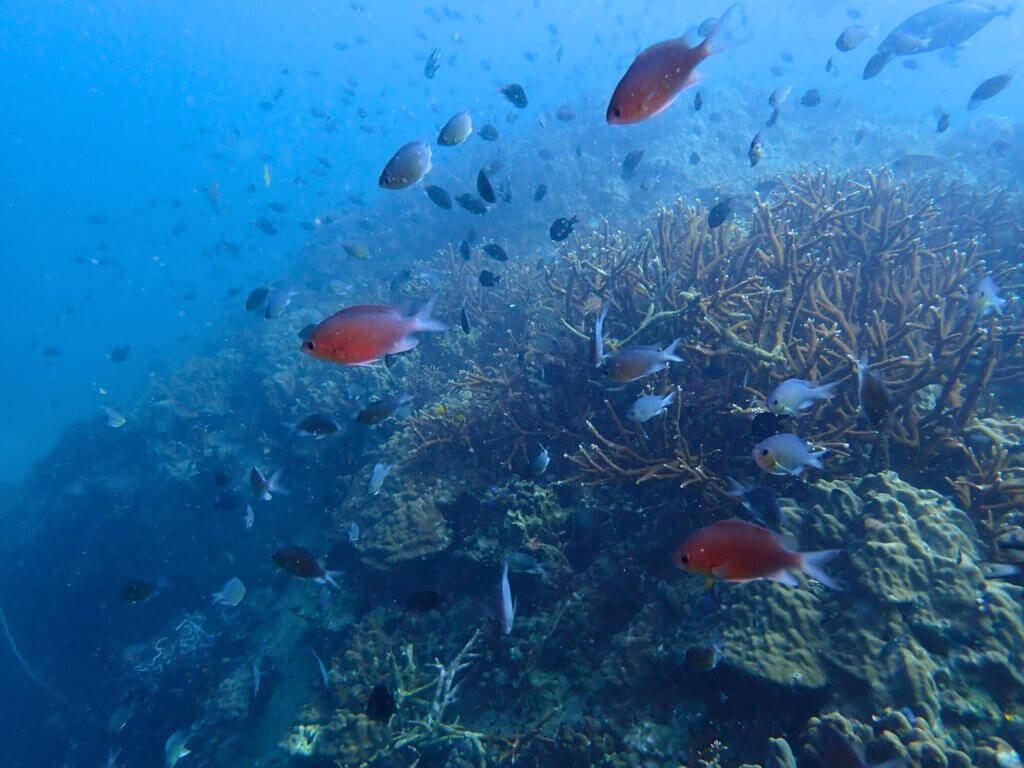
Above the water, Sail Rock does not look particularly impressive, but beneath the waves a whole colorful world is revealed Swimming through the Chimney at Sail Rock makes for a great photo opportunity Due to the deep sites and strong current in Koh Samui, most descents are done using a rope line to the bottom Visibility on most Koh Samui dive sites is impressive year-round Seeing big schools of both large and reef fish is not uncommon near Koh Samui Though tiny, the Scrambled egg nudibranch is pretty cool to see on your dives On your Koh Samui dives, you will likely see huge colorful anemones – a spectacular sight The stunning anemones swaying in the currents of Koh Samui are home to clownfish, anemonefish, and countless reef creatures Koh Samui’s dive sites felt more raw and adventurous, with towering pinnacles and massive schools of fish



Our Honest Experience
Diving in Koh Samui was a completely different experience from Koh Tao—deeper, more open, and with a real sense of being out in the big blue. While Koh Tao had colorful coral gardens and an easygoing dive culture, Koh Samui’s best sites felt more raw and adventurous, with towering pinnacles and massive schools of fish.
Would we dive in Koh Samui again? Possibly, but not as a primary dive destination. While we had a good experience, most of the best dive spots—like Sail Rock and Chumphon Pinnacle—are actually closer to Koh Tao. If we return, it would be to explore more of what the island has to offer inland. Koh Samui isn’t the place for world-class diving, but if you’re looking for a mix of relaxation with the option for deep-water adventures, it can still be a worthwhile addition to your trip.
Rating Koh Samui’s Diving
Koh Samui’s diving earns a 5/10 overall. Here’s how it rates across key factors.
Marine Life Diversity
The appeal of Koh Samui’s diving isn’t in spotting rare marine life, but rather in the sheer volume of it. On dives like Sail Rock, we were surrounded by dense schools of batfish, trevallies, and barracuda—it really does feel like diving into a living cloud. While macro lovers can still enjoy nudibranchs and shrimp, the diversity isn’t as broad as in places like the Similan Islands or even nearby Koh Tao. Still, if you’re into dramatic pelagic action, Samui holds its own.
Coral Health and Reef Quality
The coral reefs around Koh Samui’s closer dive sites are patchy and not the most vibrant we’ve seen. They’re mostly rocky pinnacles with sparse coral coverage, though we did come across pockets of soft coral and colorful anemones at sites like Southwest Pinnacle. That said, the coral quality noticeably improves the closer you get to Koh Tao. So while Samui’s immediate reefs aren’t showstoppers, you don’t have to go far for better reef life if you’re willing to take a longer boat ride.
Accessibility
Koh Samui is easy to reach thanks to its international airport, but the actual dive sites require a longer boat ride—usually 45 minutes to 1.5 hours. Most of the sites are actually located nearer to Koh Tao itself, with only a few situated near Koh Samui.
Since dive sites aren’t close by, most operators offer two-dive or three-dive trips, meaning you’ll be out at sea for half a day to a full day. But at least the speedboats they use are larger, well-equipped with sun decks, shaded areas, and a lunch included.
Affordability
Diving in Koh Samui is more expensive than its neighbour, Koh Tao, mainly due to the longer boat rides and the use of speedboats instead of larger dive boats. You’ll typically pay around 2,325 THB ($70 USD) per dive, with typical two-dive trips costing about 4,650 THB ($140 USD). Courses like the PADI Open Water are priced between 11,390–16,300 THB ($340–$490 USD).
Beginner-Friendliness
Koh Samui has a few beginner-friendly sites, but most of the best diving spots feature deeper water and stronger currents, making them less ideal for first-time divers. Unlike Koh Tao, where you can do easy shore dives or shallow reef dives, Koh Samui’s top sites require boat travel and good buoyancy control, making it better suited for those with some experience.
Adventure Level
For divers looking for a bit of a challenge, Koh Samui delivers. The deep pinnacles, strong currents, and big marine life encounters make for an exciting dive experience. Sites like Sail Rock and Chumphon Pinnacle offer deep descents, making it a great choice for those looking to push their diving skills beyond the usual relaxed reef dives.
FAQs
How many dives can I do in a day from Koh Samui?
Most dive trips from Koh Samui are two-tank dives, meaning you’ll do two dives in one trip. Some operators offer a third dive option, but due to the longer boat rides, most divers stick to two per day.
Are there any night dives available in Koh Samui?
Night dives are not as common, but some operators offer them at local reef sites. However, since Koh Samui’s best dive sites require longer boat trips, night diving is less popular compared to other locations.
Can I dive in Koh Samui during the rainy season?
Yes, diving is possible year-round, but from October to December, conditions can be less predictable, with rougher seas and reduced visibility. The best time for diving is March to September, when conditions are calmer and clearer.
Is snorkelling in Koh Samui a good alternative if I don’t scuba dive?
Snorkeling in Koh Samui is an option, but it’s not the best in Thailand. Talking from expereince, the water clarity and marine life are far better in places like Koh Tao or the Phi Phi Islands. If snorkeling is a priority, I’d recommend a day trip to Ang Thong National Marine Park, as the reefs closer to Koh Samui itself aren’t particularly impressive.


